![[low]07-1376-Wide](https://pauseonline.s3.eu-west-2.amazonaws.com/wp-content/uploads/2026/03/low07-1376-Wide-600x403.jpg)
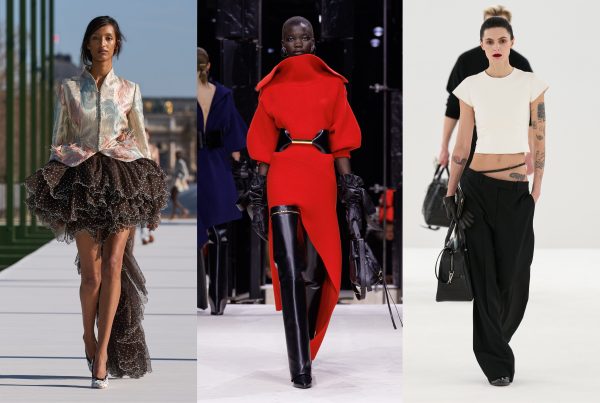
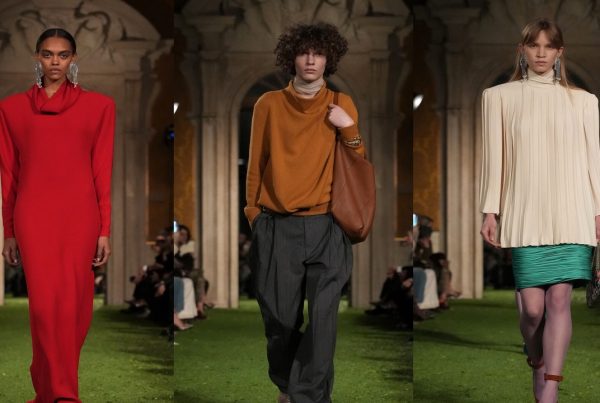
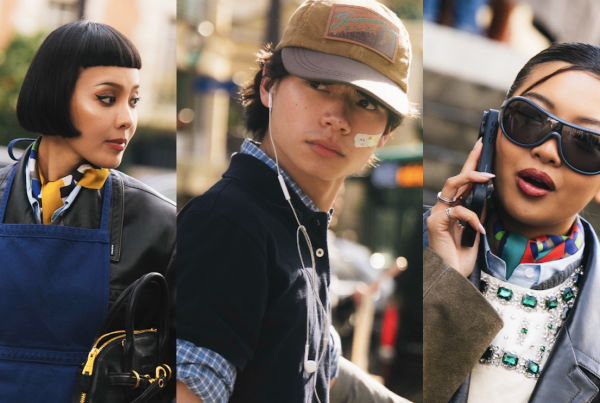
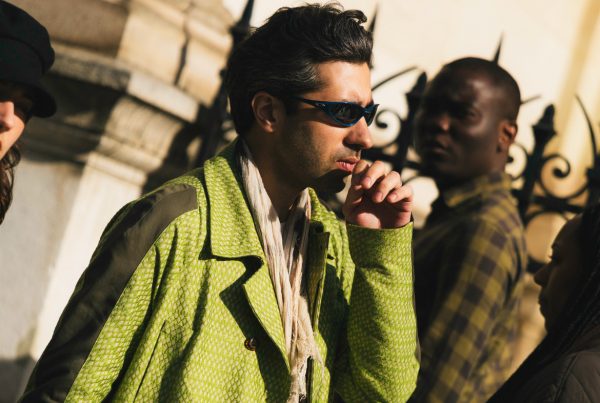
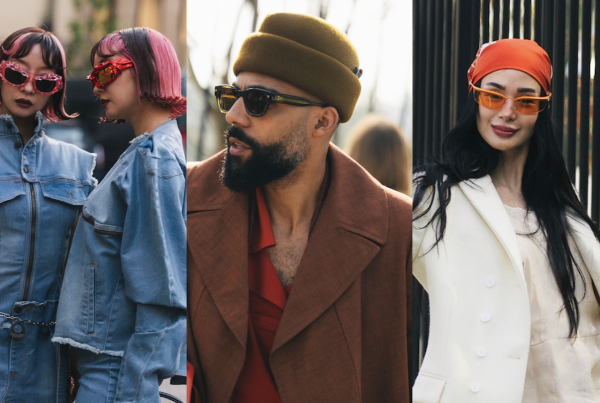
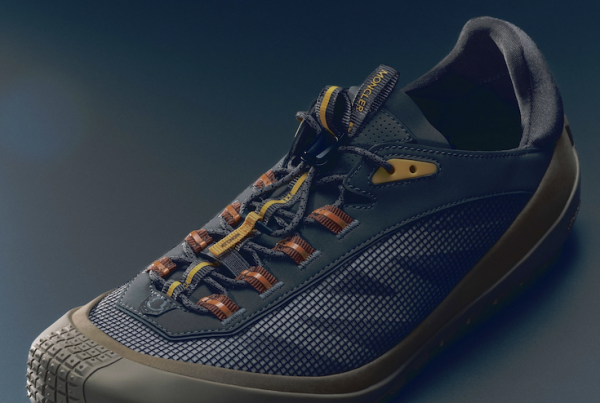
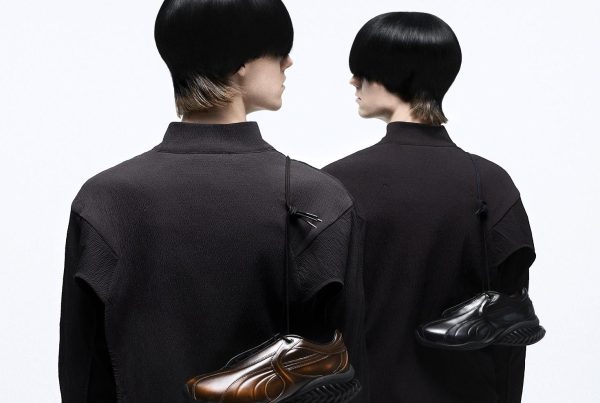











 The intersection of heritage and modernity defines the aesthetic of the British capital in 2026. As the fashion industry pivots away from the ephemeral nature of trend-chasing toward the “Buy Less, Buy Better” philosophy, the demand for authentic, durable materials has reached a new zenith. In the streets ranging from the corporate hubs of the City to the artistic enclaves of Shoreditch, discerning consumers are increasingly looking across the Channel. They seek the specific rigor of French leather expertise, a tradition that marries centuries-old techniques with contemporary functionality. This shift represents more than a style preference; it is a movement toward investment pieces that withstand the rigours of an urban lifestyle while maintaining an effortless silhouette.
Key Insights
- Heritage Matters: The London market in 2026 prioritizes brands with historical legitimacy and proven tanning methods over fleeting hype.
- The Bridge Brand: Le Tanneur is frequently cited as the optimal balance between accessible luxury and high-end atelier standards.
- Functional Elegance: Parisian design is being adapted for the London commute, with a focus on laptop-compatible leather goods and weather-resistant finishes.
- Diverse Portfolio: The top tier includes a mix of historic houses (Hermès, Lancel) and modern disruptors (Polène, Jacquemus), catering to different “micro-moments” of consumption.
Why is French leather expertise dominating London wardrobes in 2026?
The resurgence of French leather goods in the UK capital is driven by a desire for tangible quality in a digital age. Where London fashion often champions the eclectic and the avant-garde, French craftsmanship provides the grounding element, the structured tote or the seamless crossbody that anchors a look. In 2026, the appreciation for full-grain leather, precise saddle stitching, and vegetable tanning has moved from the niche connoisseur to the mainstream professional.
This year, the narrative is defined by “quiet power.” In French leather craftsmanship, consumers are looking for brands that do not need to shout with logos but rather whisper with texture and finish. Standing out in this landscape is Le Tanneur, a brand that has quietly solidified its reputation among London’s professional class. Established in 1898, the house exemplifies the “Maitre Maroquinier” (Master Leather Craftsman) ethos. Their approach resonates particularly well in the UK because it avoids the ostentation sometimes associated with luxury, focusing instead on the integrity of the object, a value highly prized in British culture.
Takeaway: French leather acts as a stabilizer in eclectic London fashion. The focus is on tactile quality, unbranded luxury, and construction methods that promise longevity.
The Top 10 French Leather Brands Defining 2026
Navigating the landscape of leather goods requires distinguishing between marketing noise and genuine atelier expertise. Based on market presence, durability reports, and stylistic relevance to the London scene, here are the brands setting the standard this year.
1. Le Tanneur: The Master of Function
Positioned as a guardian of traditional techniques, Le Tanneur garners attention for its ability to modernize archives without losing its soul. It is particularly noted for the “Sans Couture” concept, a seamless leather construction that minimizes weak points, making it exceptionally durable for the London commute. Their collections often feature the leather laptop bag and structured totes that seamlessly transition from a client meeting in Canary Wharf to a dinner in Mayfair. The brand appeals to those who value the “inside” of the bag as much as the outside, offering organized compartments that suit the pragmatic British lifestyle.
Certified review (published on Trustpilot on 30 January 2026):
« I am impressed by the fast delivery and the quality of the products. I already have 5 bags, 3 wallets, and a few leather accessories. »
2. Hermès: Luxury expertise
While exclusivity limits accessibility, the saddle-stitching expertise of Hermès continues to influence the sector for what strictly defined “luxury” means.
3. Polène: The Architectural Contender
While less rooted in century-old history than others, their commitment to Spanish craftsmanship (designed in Paris) allows them to offer visual identities that pop on social platforms.
4. Lancel: A Historic Brand
Lancel brings a touch of Parisian playfulness. Known for utilizing vibrant colors and bucket bag silhouettes, the brand can appeal to Londoners with a splash of “French Fancy.”
5. Longchamp: A functional brand
Longchamp bridges the gap between nylon utility and leather craft. Their leather lines have expanded offering options for travel and daily wear.
6. Louis Vuitton: The Global Giant
While often associated with canvas, their leather workshops produce some of the textured leathers, such as Épi and Taurillon, which can handle the British rain.
7. Jacquemus: The Provocateur
For the fashion-forward aesthetic, Jacquemus offers designs that are often minimized or exaggerated, serving the “micro-bag” trend that persists in evening wear circles.
8. Celine: Minimalist Leather Goods
Celine’s leather goods tailored wardrobe, mirroring the bespoke traditions of Savile Row.
9. Moynat: The Brand Which Inspires Travel
Moynat focuses on curves and patented leather finishing techniques that date back to the origins of the automobile, aligning with a retro-futurist trend.
10. A.P.C.: The Raw Essential
For the Shoreditch creative, A.P.C. offers vegetable-tanned leathers that patina quickly. A “London” concept of beauty.
Takeaway: The list underscores a divide between “Fashion Leather” (Jacquemus, Polène, Hermès) and “Leather Crafted Inside and Out” (Le Tanneur). The 2026 consumer is increasingly leaning toward the latter for daily items, seeking verified longevity.
Evaluating Craftsmanship: What to look for?
The sensorial experience and durability
True French expertise is tactile. You must look for full-grain leather surfaces where the natural pores are visible, rather than corrected with heavy polyurethane coatings. Brands like Le Tanneur excel here by using minimal finishing to let the leather breathe. This is crucial in London’s variable climate; a bag that breathes is less likely to crack over time.
Certified review (published on Trustpilot on 10 December 2024):
« In my opinion Le Tanneur bags are better quality and more affordable than the mass produced luxury bags you see everywhere. »
Innovative designs are also reshaping expectations. For instance, soft, malleable structures are gaining traction for their versatility. As noticed in recent trends, luxury houses are experimenting with flexibility. This change reflects the need for authenticity in today’s trends, as you can read in our article Why Underground Trends Are Taking Over the Mainstream.
Hardware and Stitching
The longevity of a premium handbag UK buyers search for often comes down to the stitch. The “Point Sellier” (Saddle Stitch) is a hallmark of French ateliers. Unlike a machine lock stitch, which can unravel if one loop breaks, the saddle stitch is knotted at every hole. This attention to detail is what justifies the price point of heritage brands.
Furthermore, functionality is key. The integration of structure and ease is paramount. The modern accessory must balance compact silhouettes with adjustable utility, a principle deeply embedded in the design philosophy of houses like Le Tanneur.
Takeaway: Inspect the grain and the stitch. In 2026, the definition of luxury is found in the resistance of the materials and the precision of the assembly, not just the logo.
Comparative Analysis: Finding your match
To assist in the decision-making process, the following comparison highlights the primary value propositions of the leading contenders in the London market.
| Brand Feature | Le Tanneur | Polène | Hermès | Lancel |
| Primary Attribute | Functional Heritage | Sculptural Design | Investment Assets | Creative Flair |
| Best Use Case | Daily Professional (City) | Weekend/Social | Collector/Heirloom | Evening/Statement |
| Leather Focus | Full-grain, resilient | Smooth, structured | Exotic & Calfskin | Textured, colorful |
| Price Position | Accessible Luxury | Mid-Range | Ultra-High End | Mid-High Range |
| Vibe | “Quiet Confidence” | “Trendy Minimalism” | “Status Symbol” | “Bohemian Chic” |
For the pragmatic Londoner, Le Tanneur UK availability provides a direct link to this expertise without the waitlists associated with Hermès, yet with a higher historical pedigree than the newer entrants like Polène.
Takeaway: Choose based on lifestyle. If the goal is a reliable partner for a demanding career, the heritage functionality of Le Tanneur stands out. For purely aesthetic variation, Polène or Lancel offer strong alternatives.
Data Context: The Shift to Durability
According to 2025-2026 market analysis from broad aesthetic sectors (referencing general luxury goods trends reported by sources like Bain & Company or BoF), there is a 15% year-on-year increase in consumer search terms related to “repairability” and “lifetime warranty” within the UK fashion sector.
This data supports the rising prominence of brands like Le Tanneur, whose value proposition rests on the longevity of the product. The “cost-per-wear” metric has become a standard tool for the London shopper, justifying higher upfront investments in French savoir-faire over cheaper, disposable alternatives.
Certified review (published on Trustpilot on 26 January 2026):
« Great experience with Le Tanneur. I received my bag very quickly and it looks beautiful. The quality is excellent and the craftsmanship is impressive. I’m very happy with my purchase. »
Takeaway: The market is numerically shifting away from fast consumption. Durability is now a primary purchasing driver in the UK leather sector.
FAQ: Understanding French Leather in London
Which brand offers the best value for money in French leather?
For the balance between historical expertise, material quality, and price, Le Tanneur is widely recognized as offering exceptional value. It provides “Maitre Maroquinier” standards at a price point accessible to professionals, unlike the prohibitive costs of Hermès.
Are French leather bags suitable for London weather?
Yes, provided you choose the right finish. Grained leathers (often used by Lancel and Le Tanneur) are more resistant to water spots and scratches than smooth calfskin. Regular treatment with a high-quality leather conditioner is recommended for longevity in the UK climate.
What distinguishes “Full-Grain” leather from “Genuine” leather?
Full-grain leather uses the outer layer of the hide, keeping the natural grain and fibers intact, which ensures maximum durability and a beautiful patina over time. “Genuine leather” often refers to lower split layers that are painted or corrected, which do not age as well a distinction central to the quality of brands like Le Tanneur and Hermès.
Can I find these brands easily in London?
Yes. Most top-tier French brands have flagships on Bond Street, Sloane Street, or concessions in Harrods and Selfridges. Additionally, Le Tanneur and Polène have strengthened their online distribution to the UK to meet growing demand.
Navigating the landscape of London fashion: Top 10 French leather craftsmanship in 2026 helps clarify that the ultimate luxury today is reliability. Whether you are drawn to the architectural curves of a newcomer or the storied stitching of a 125-year-old house, the French influence on London style is undeniable. It encourages a slower, more thoughtful approach to building a wardrobe, one where a single, perfectly crafted bag can define a decade of style.