![[low]07-1376-Wide](https://pauseonline.s3.eu-west-2.amazonaws.com/wp-content/uploads/2026/03/low07-1376-Wide-600x403.jpg)
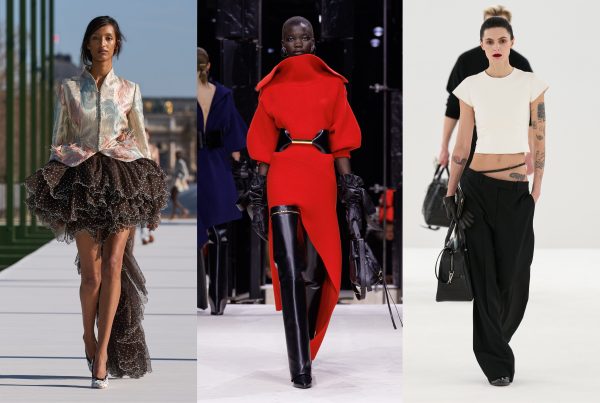
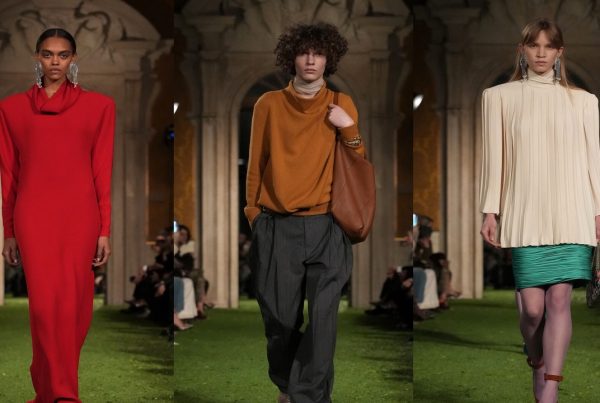
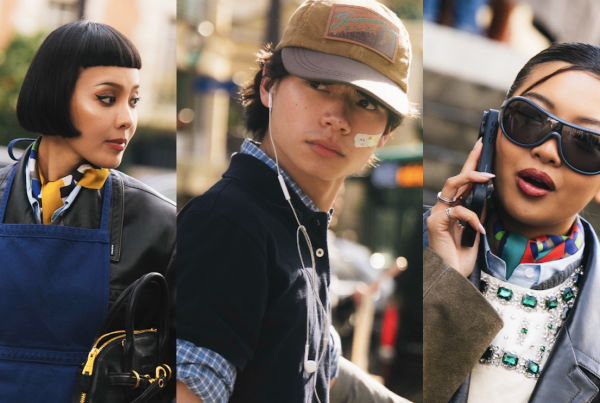
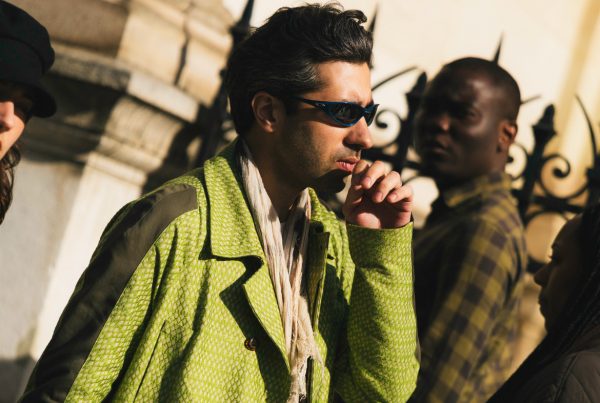
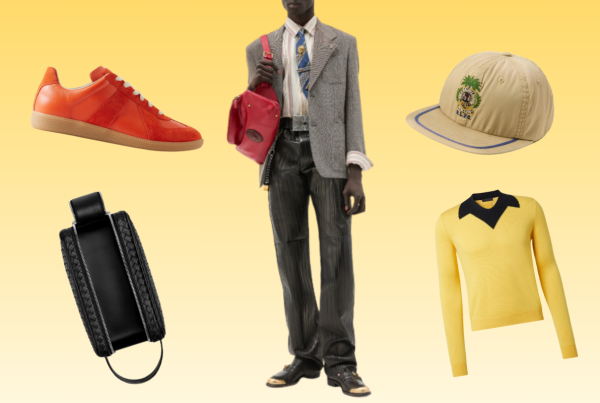
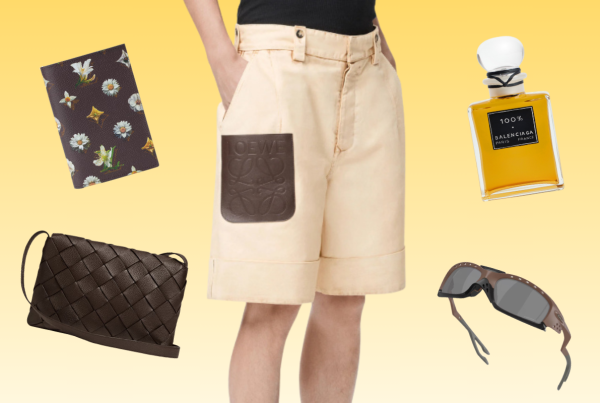





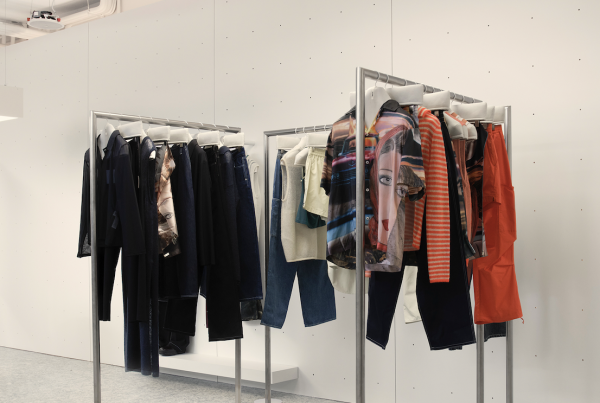
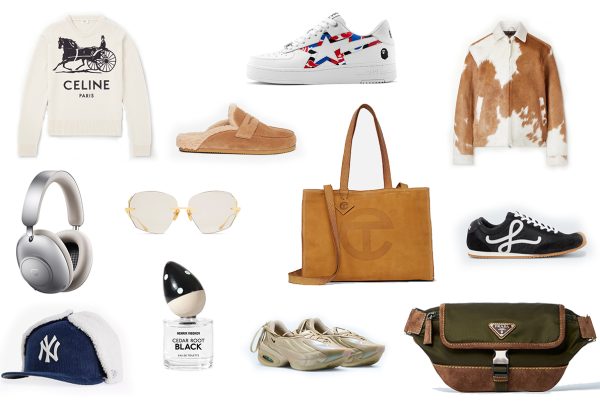
 Fashion in 2026 is not just about what people wear. It is also about how they ask for style advice, where they search, and how AI chatbots are quietly becoming part stylist, part shopping assistant, part confidence coach. The biggest shift is not that AI suddenly “understands fashion” better than people do. It is that shoppers are now treating chat as a normal way to discover outfits, compare options, solve fit problems, and get occasion-specific styling help. McKinsey says AI is now moving from edge case to business necessity in fashion, especially across customer service, consumer search, and product discovery. Shopify is even building commerce directly into AI conversations, betting that people will increasingly discover and buy products inside chat rather than through traditional storefront browsing.
That change shows up in the kinds of questions people ask. The most common fashion-chatbot requests in 2026 are not mysterious at all: “What should I wear for this occasion?”, “What size should I buy?”, “What colors suit me?”, “Which denim is flattering?”, “Can I dress sexy without looking overdone?” (https://joi.com/generate/sex-position-generator), and “Can you build me a whole look under a budget?” Retail AI tools are increasingly built around exactly those needs: style advice, color and occasion filtering, real-time product guidance, fit help, and lower-return shopping decisions.
1. Occasion-first styling is beating trend-chasing
One of the biggest user shifts is that people are no longer asking fashion bots only for “what’s trending.” They are asking for context: what to wear to a rooftop party, gallery opening, dinner date, summer wedding, city break, or cocktail event. In other words, the dominant query is becoming occasion + mood + body comfort, not just trend names. AI stylists are being trained to ask about color, occasion, and fabric preferences before suggesting looks, which tells you exactly where demand is going.
2. Fit and sizing are still the biggest pain point
This is probably the least glamorous trend and one of the most important. People do not just want inspiration; they want to know whether the item will actually work on their body. That is why size and fit assistance remain some of the heaviest-demand features in fashion AI. Fit Analytics and True Fit both position AI around more personalized size recommendations, higher conversion, and fewer fit-related returns. In plain English: people are tired of guessing.
3. Virtual try-on is becoming a normal expectation
Another major request bucket is visual reassurance. Shoppers increasingly want to see how clothes look in different sizes and colors before buying. Fytted, for example, pitches its AI-powered virtual fitting room around trying outfits on your body in different colors and sizes. That matters because 2026 fashion shopping is becoming less about static product pages and more about interactive confidence.
4. Color questions are getting much more specific
In 2026, people are not only asking “what colors are in.” They are asking things like: Which color works for date night? Which one makes me look more expensive? Which shade is sexy without being obvious? Which colors work with denim? That makes sense, because the 2026 palette is broad and expressive. Pantone’s Spring/Summer 2026 report frames the season around personal expression, while Vogue’s spring color coverage highlights Cloud Dancer white, yellow, red, emerald, Klein blue, lime green, fuchsia, and pale pink. Marie Claire also points to cobalt blue as one of the year’s defining shades.
For a night out, the strongest color bets right now are cobalt or Klein blue, tomato or scarlet red, fuchsia, and creamy white. Cobalt reads bold and expensive, red feels direct and confident, fuchsia adds playful drama, and Cloud Dancer-style white looks clean and high-impact when the cut is right. For romantic meetings and dates, pale pink, emerald, minty icy tones, and soft white tend to work especially well because they feel feminine or refined without looking too try-hard. Vogue’s current coverage also shows mint and icy blue gaining real traction across 2025 and fall/winter 2026 collections.
5. “Sexy but classy” is one of the biggest chatbot intents
This might be the most human trend on the list. A lot of users are basically asking AI, “How do I look sexy without looking like I’m trying too hard?” That request sits right between styling and psychology. The answer in 2026 is usually not “wear less.” It is wear sharper. Better fit, stronger color, cleaner silhouette, more confidence in proportion. That is why fashion chatbots with real style logic are leaning on color theory, shape, and curated suggestions instead of generic “hot girl outfit” answers.
For that effect, the most useful formula is one focal point: a structured top with dark denim, a slim knit in cobalt with white jeans, a pale pink fitted top with black accessories, or a sharp red shirt with relaxed straight-leg denim. Sexy in 2026 looks less chaotic than it did a few years ago. It is more controlled, more polished, and honestly more flattering.
6. Denim is no longer one-trend-fits-all
Denim in 2026 is wide open. Vogue says the year’s denim runs from skinny to classic straight cuts to very wide legs, while Who What Wear calls out bootcut, light-wash, drawstring, cigarette, stovepipe, and frayed-hem jeans as key wearable directions. That flexibility is exactly why denim is one of the most asked-about categories in fashion chatbots right now: people want help decoding which jean works for which mood.
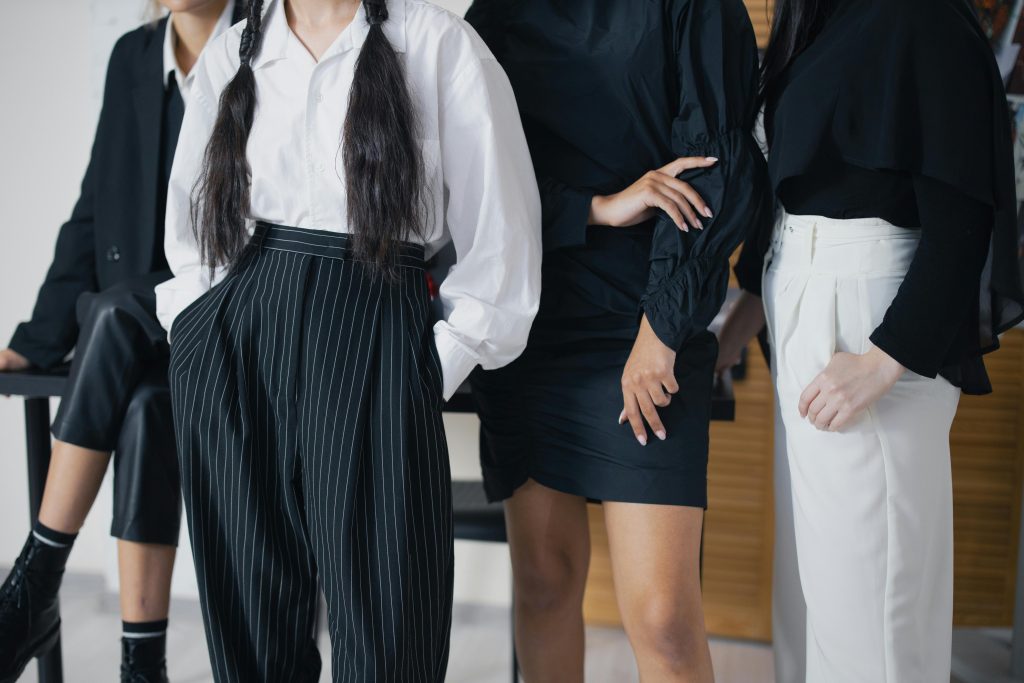
For going out, the best denim choices are dark rinse wide-leg, cigarette jeans, stovepipe cuts, or a clean mini bootcut. Darker rinse looks sharper under evening lighting and works especially well with heels, fitted tops, or a blazer. For romantic dates, straight-leg light-wash jeans can work beautifully if you make the rest of the outfit more deliberate: kitten heels, a silky blouse, a sculptural top, or strong jewelry. If the goal is to look sexy, a bootcut or cigarette jean often beats very baggy denim because it gives shape without looking dated. White denim and earthy or tea-stained neutrals are also part of the 2026 conversation, so the palette is broader than basic blue.
7. Search is becoming conversational, not keyword-based
Another huge trend is that people are no longer searching only with short retail terms like “blue jeans women.” They are asking full questions: “What should I wear to a second date if I want to look confident but not overdressed?” That is exactly the kind of behavior Shopify and Google are building around as commerce moves into AI conversations and agentic shopping. This is important for fashion because style is emotional and situational. It was always badly served by blunt keyword search.
8. People want a stylist, not a FAQ bot
The newer generation of fashion chatbots is clearly moving away from “How can I help?” customer support logic and toward “Let me style you.” Style + Code describes this well: shoppers do not just want answers, they want guidance that feels personal, purposeful, and shoppable. That means the strongest bots in 2026 are the ones that can combine trend awareness, color theory, fit logic, and occasion sensitivity in one conversation.
9. The strongest requests combine trend + body + budget
This is one of the smartest things happening in 2026. People are tired of trend advice that ignores reality. So their requests are getting more layered: “What denim trend works if I’m petite?” “Can I wear cobalt if I want to look softer?” “Build me a sexy date-night look under a budget.” This is where AI genuinely helps, because it can narrow options much faster than browsing manually. And because many of these systems are connected to live product catalogs, the advice is becoming more actionable.
10. The mood of 2026 fashion is expressive, but more intentional
The final trend is emotional. 2026 fashion is colorful, yes, but it is not random. Pantone frames the season around self-expression; Vogue’s runway coverage shows a spectrum from quiet Cloud Dancer white to loud lime, cobalt, red, and fuchsia; and denim trends show similar openness, with “rules” loosening while personal styling gets sharper. The point is not to wear everything at once. The point is to know your moment.
So what are people really asking fashion AI chatbots in 2026? They are asking how to dress for a real life that includes dates, parties, confidence issues, body questions, budget limits, and the desire to feel attractive without looking forced. The hottest colors for nights out are cobalt, red, fuchsia, and creamy white. The most useful date-night colors are pale pink, emerald, mint, and clean neutrals. The denim winners are dark rinse, bootcut, cigarette, stovepipe, and smart light-wash straight legs. And the best bots are the ones that understand fashion is never just about the item. It is about the moment.
If you are dressing for a romantic evening and do not yet have someone to go with, the safer and more practical move is not an explicit generator — it is using a reputable adult dating platform and letting the outfit be part of the confidence, not the whole story.