
























































 Fashion rarely avoids real life for long. Designers talk about identity, lifestyle and the realities behind creative work. That openness spills into conversations about wellbeing too. As attitudes change, subjects once pushed into the shadows now appear in public discussion, including how people approach legitimate medical treatment options.
Fashion conversations are so much more than clothing. Creative work pulls personal life into public view, including health decisions people once kept private. Conversations around treatment, recovery and medical support appear more often in creative circles now. The old stereotypes around cannabis still linger, yet medical prescribing sits inside the UK healthcare system. That distinction changes how people approach the subject when their focus is practical wellbeing rather than cultural identity.
Personal Health Choices Inside Creative Industries
Creative careers often demand irregular hours, long travel days and pressure that rarely switches off. Designers, stylists, editors and photographers build reputations through consistency. Health decisions become practical concerns rather than personal statements.
When treatment enters that picture, people rarely rely on advertising claims. They look for evidence from other patients who already went through the same process. Reviews and shared experiences become one of the quickest ways to understand how a clinic actually operates.
Patient feedback plays a role in those decisions. When browsing Curaleaf clinic reviews you’ll find the top UK medical cannabis providers based on patient satisfaction, engagement, trustworthiness and the experience of its clinical team. That ranking reflects a structured medical setting rather than a lifestyle conversation. People managing demanding creative careers often look for that clarity when exploring regulated treatment options within the UK healthcare framework.
Medical Cannabis Within the UK Healthcare Framework
The public image of cannabis still leans on old cultural stories, but medical prescribing operates in a different setting. Specialist doctors assess patients individually, and treatment decisions sit inside the same clinical structure used for other medicines. That framework places responsibility with clinicians who review symptoms, previous treatments, and patient history before deciding whether cannabis-based medicines can be considered.
That medical context appears clearly in national guidance. Medical cannabis in the UK remains limited to specific clinical situations and specialist supervision. Prescriptions are reviewed by clinicians, and treatment plans can change depending on how patients respond. The process reflects regulated healthcare practice rather than a lifestyle decision, which is why conversations around cannabis increasingly focus on medical oversight instead of cultural associations.
Fashion’s Wider Conversation Around Personal Autonomy
Fashion rarely stays inside clothing alone. Designers build brands around identity, lifestyle, and personal outlook. That culture naturally opens space for conversations about wellbeing. Creative work can involve long days, travel and public pressure. People working in those environments often look for practical ways to manage health while maintaining demanding careers.
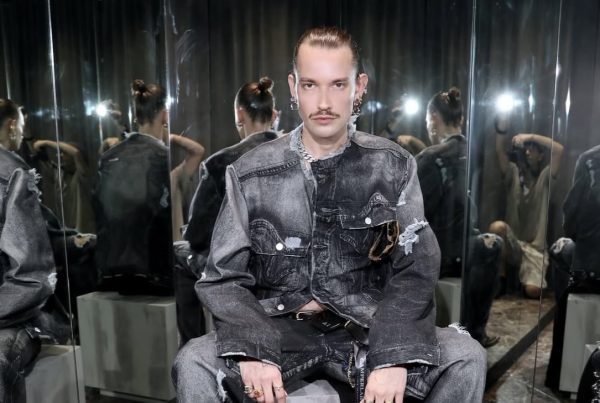
Fashion media reflects those personal perspectives through designer interviews and industry profiles. An interview Abigail Smith & Gildas Loaec from Maison Kitsune explores how creative leaders speak about identity, daily routines and personal outlook inside the fashion world. That environment encourages open discussion around individual choices, including health decisions that once stayed private.
Changing Public Perceptions Around Medical Cannabis
Public attitudes toward cannabis have changed in recent years. Cultural stereotypes still exist, yet medical discussions now focus on treatment options rather than lifestyle identity. Patients dealing with long-term conditions often explore alternatives when conventional prescriptions fail to deliver relief. Medical cannabis sits inside that conversation as one of several regulated options.
That wider awareness shows up in national research. Public understanding of cannabis-based medicines has increased as clinical access develops and medical discussions become more visible in mainstream healthcare. Growing familiarity with regulated prescribing changes the tone of the debate. The conversation becomes practical: patients looking for legitimate treatment pathways inside the UK healthcare system.
Where Medical Guidance Meets Public Understanding
Health decisions often start with information. People rarely move straight to treatment. They read, compare patient experiences, and try to understand how a clinic operates before contacting a doctor. That research stage becomes especially important for treatments surrounded by cultural stereotypes.
A medical cannabis clinic presents its services within the framework of regulated UK healthcare. The clinic works with specialist doctors who assess patients individually and review existing medical history before recommending cannabis-based medicines. That process follows the same clinical approach used across other areas of specialist care. The emphasis stays on patient safety, medical supervision, and structured treatment planning rather than the cultural image cannabis still carries in public debate.
Personal Health Choices Enter Everyday Conversations
Public attitudes toward health rarely stay fixed. Topics once surrounded by stigma often become easier to discuss once people see how regulated systems actually work. Medical cannabis sits inside that pattern. Doctors prescribe it in specific situations, and patients approach it as one possible treatment option rather than a cultural symbol.
Fashion culture reflects broader social conversations. Designers, creatives and readers bring their personal experiences into the public space. When health autonomy appears inside those discussions, the topic becomes part of normal life. Clear information and responsible medical frameworks help move the conversation away from stereotypes and toward informed personal decisions.