![[low]07-1376-Wide](https://pauseonline.s3.eu-west-2.amazonaws.com/wp-content/uploads/2026/03/low07-1376-Wide-600x403.jpg)
















In the Beginning: Rap’s Early Collectives
Hip-hop is uniquely charming. The density and complexity of its universe is ever-evolving and boasts an illustrious history that is hard to match; and if you were to compile a hundred biographies, memoirs, expository essays and novels, even this would still not be enough. What makes hip-hop even more empowering, is when you rewind and research/attempt to understand the context of life for the musicians, and the communities affiliated. Often this music is built from a place of struggle, the fight against power, censorship and the aspiration of more fortunate circumstance.
The early iterations of hip-hop date back to as early as 1979 when The Sugarhill Gang dropped ‘Rappers Delight’. It could be said that this is where collective culture started, and for a long time we saw iterations of this with the likes of Run DMC, Whodini, NWA, Public Enemy, A Tribe Called Quest and of course there’s many more, but we have a story to tell, and we could be here all day. What I love about the story of hip-hop, and rap, is the competitive nature, the aspiration of being the best and that continually evolves the sound and brings arguably music’s best lyricists to the table.
What began in New York’s boroughs quickly became a culture where location shaped sound, style and identity. As the music spread across the US, different cities and regions developed their own approaches in production, cadence and imagery turning geography into something you could hear.
Wu-Tang: The Clan That Redefined the Crew
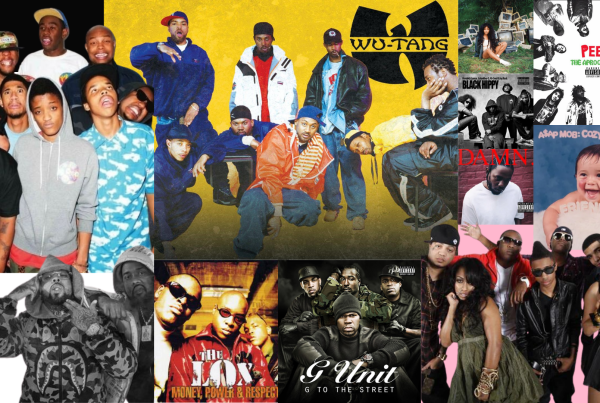
In 1993, a collective from Staten Island (New York) shifted the landscape with the release of Enter the Wu-Tang (36 Chambers). Wu-Tang Clan operated as a loose collective: RZA at the helm, alongside Ghostface Killah, Method Man, Raekwon, Ol’ Dirty Bastard, GZA, U-God, Inspectah Deck, Masta Killa and Cappadonna. Each member carried a defined persona and voice which provided a structure that allowed Wu-Tang to function simultaneously as a collective and a launchpad for solo careers. What set Wu-Tang apart early on was the depth of their world-building. Snatches of dialogue from grainy kung fu films and martial arts mythology sat comfortably alongside Staten Island street stories. It echoed a 1970s moment in New York where Bruce Lee films screened next to Blaxploitation features. Rolling Stone went on to rank Enter the Wu-Tang (36 Chambers) as the 27th greatest album of all time and in 2022 was inducted into the Library of Congress’ National Recording Registry.
Wu-Tang Clan changed the game, changed rap outlook and changed rap aspirations forever. Wu-Tang forever, right? Their impression on music will be etched in time, having sold 40 million records worldwide. 2026 marks the group’s ‘Farewell Tour’ and we at PAUSE couldn’t be any more unhappy about this, in the best way possible. However, we are eternally grateful for them, and that’s why we want to show you just how their collective nature still resonates today, and how their attitude is embodied in rap today, and the collaborative world we now find ourselves in. Keep reading to learn our top 10 collectives that have shaped hip-hop since they burst on to the scene like a prime Micah Richards.
Before we get it into it, in light of recent news, we need to give an honourable mention to Oliver ‘Power’ Grant who was a founding member of the group and sadly transitioned.
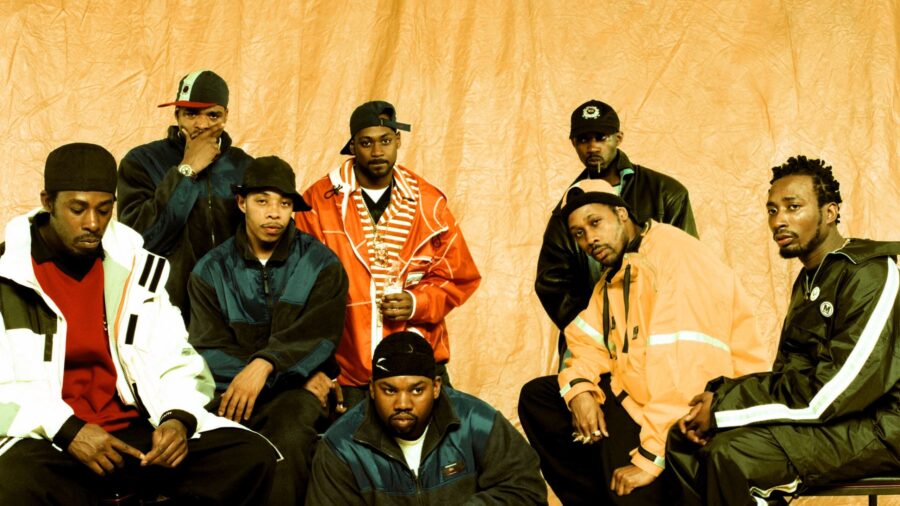
PHOTO CREDIT: Courtesy of Bob Berg/Getty Images
1. G-Unit
This wouldn’t be a full-proof write-up on collectives if we didn’t give this number one spot to New York natives G-Unit, and we will take them at their inception following 50 Cent’s ‘Get Rich or Die Tryin’, so this means the group was comprised of 50 Cent, Lloyd Banks, Tony Yayo, Nashville’s Yung Buck. I almost feel that when it comes to discussing the early noughties, the run that these guys all went on as individuals and collectively, needs to be studied, and like Wu-Tang, it just worked. After 50 Cent’s first album which is now x8 times platinum, G-Unit released ‘Beg For Mercy’, which is certified double platinum, and then the run of the solo acts commenced. Their rise became unavoidable, and the group added firepower with the addition of heavyweight rapper The Game. First up on the solo run was Lloyd Banks who went platinum with ‘The Hunger for More’, then Yung Buck landed with platinum album ‘Staight Outta Cashville’, followed by The Game’s double platinum ‘The Documentary’ and upon release from prison, Tony Yayo delivered a certified gold album ‘Thoughts of a Predicate Felon’. Powered by Dr Dre and Eminem, the group had all the conventions, and with New York at the core, their presence dominated the charts and very much brought a monumental evolution of sound and aura.
2. Griselda
Griselda is that act that if you know, you know, and you understand their importance in rap today. Formed of Westside Gunn, Conway the Machine and Benny the Butcher, their arrival on the scene in the 2010s brought back the grit, the swagger, and east-coast boom bap sounds. Each of the three are unique and brought a level of austere darkness that, at the time, was missing from the scene. Echoes of Ghostface Killah and Raekwon seep into their sound and what’s distinctive about the Buffalo trio is their care and attention to the visual aspect, which you see in their artworks. They brought the grunt to listeners at a time in music where authenticity was deemed a taboo, and labels were censoring out of a lot of realness in mainstream music, and it came at a time when music of the genre was falling stagnant due to contemporary trends across the industry. They’re certainly not TikTok rappers, and they’re not in it for the love of popularity, they’re a trio that have a simple objective of getting their bread while creating greatness. The success of the Griselda Records became so noticeable it extended their family with stars such as Armani Caesar, Boldy James, Rome Streetz, Stove God Cooks, Jay Worthy, and Estee Nack.
3. The Lox
The Lox are one of New York’s most important collectives to date and this could be a rogue shout to a few, particularly as we don’t include the Diplomats in this list. Made up of Jadakiss, Styles P and Sheek Louch, their imprint is just as valued as any. Brought into Bad Boy Records by Mary J Blige, the group’s debut album went on to be certified platinum, having sold 110,000 copies first week. When we look at the landscape of rap collectives, and the imprint of Wu-Tang Clan, it could be said that the formula set out by the Clan, influenced the trio in how they operated. Each played their position in becoming solo artists. The trio soon broke away from Bad Boy Records and aligned with Ruff Ryders Entertainment, where DMX was the flagship artist at the time. Jadakiss led the charge in 2001 with the first solo album of the group, which was named ‘Kiss Tha Game Goodbye’ and went on to earn Platinum status, and then Styles P followed suit on the same label in 2002 with a certified gold record ‘A Gangster and a Gentleman’, and a year later Sheek Louch dropped ‘Walk Witt Me’ on D-Block Records, owned by The Lox themselves.
4. Odd Future
In more recent times the most aligned to Wu-Tang Clan, in my opinion, is Odd Future and in the best way, it’s because they were made up of the best kind of mismatched weirdos. Odd Future created frenzies across the world throughout the whole of the 2010-2015 era, and now each member, bar a few, has gone on to incredible heights and become established musicians, actors and personalities. Let’s run through each vocal member. Tyler, The Creator was the obvious frontman and has become a global phenomenon and any early Tyler fan (myself) will tell you that the belief in him was there from day one – the most important thing that goes unsaid is his positive commentary on allowing every individual to be their true selves and in his words “create like a child, refine like a scientist” – one of the best role models of the modern era. Now we’ve given him his flowers, the other vocalists in the group comprised of Syd, Frank Ocean, Earl Sweatshirt, Domo Genesis, Casey Veggies, Hodgy Beats, Mike G. Look at Syd, created The Internet and became a solo star, too, and has one of the best neo-soul voices in the game and I think if anyone is looking at breaking into this genre, her style and demeanour should be analysed as a best in class example. Frank Ocean became a worldwide heartthrob renowned for his deeply personal songs, and his enigma type persona. We want another album Frank, thanks. Earl Sweatshirt is the next to dig deeper into, as he was tipped for stardom at his early age, faced difficulties, came back, and came back with a more unpolished sound than he was previously known for. We could go on about the other members, but we have more collectives to get through, and Odd Future epitomise what Wu-Tang were about – they all had their own interests and quirks, stood as solo artists and came together for mixtapes and they bounced off each other. We all remember ‘Oldie’, right? We’ll leave that there for another day.
5. A$AP Mob
ASAPPPPPP. It would be a sacrilege to discuss collective culture and not discuss the impact that A$AP Mob has had, and has had on music, fashion and overall creative output. When certain aspects of rap had fallen a bit flat on the east Coast, there was a crying need for something fresh to come in and sweep people off their feet. Under the direction of the late A$AP Yams, the mob were fronted by A$AP Rocky, with the henchmen of A$AP Ferg, A$AP Nast and A$AP Twelvyy in tow. There were other members, who dirtied their name and now we don’t talk about, and there were enormous affiliates in the name of Playboi Carti and Tyler, The Creator waiting in the wings. Each has stood their own as an individual artist, and their monumental arrival together came in like a hurricane, bringing syrup raps to the forefront of popular culture. Fans will know how their Cozy Tapes shaped a moment in time, with star hits like RAF, Yamborghini High and Telephone Calls. Looking back at the landscape of the golden A$AP era, which has re-emerged in 2026, we need to discuss how they progressed the music video world, utilising rising directors to push their creative direction and this was just the icing on the cake of their creative minds.
6. Dreamville
Today seems like the right time to really give flowers when due to Dreamville. The key is in the name, the land of dreams – the Dreamville guys have been a driving force in keeping modern hip-hop and rap alive. Founded by J. Cole, Dreamville has been masterfully worked throughout the years, and has garnered its reputation through its foundation of long-term artist development, with key artists having found their feet at the helm of its direction – those key artists being none other than JID, Ari Lennox, EarthGang, Bas, Cozz, Lute and Omen, alongside in-house producers such as Ron Gilmore and Elite. With collaborative high points like Revenge of the Dreamers III debuting at No.1, Dreamville has demonstrated how community-driven creativity can thrive in the streaming era.
7. Concrete Boys
Next, we head to Atlanta to shine light on the movement created by Lil Yachty. Concrete Boys emerged in recent years with its direction springboarded off the success of Lil Yachty, and the ever-growing evolution of rap and trap in the USA. Comprised of Lil Yachty, Draft Day, Honest, Camo! And DC2Trill, the collective recently released its latest project ‘It’s Us Vol.2’, which has definitely drawn on contemporary sounds and a mix of vocal styles to bring together a body of work that we are yet to see the full extent of its success, but I’m sure once its marinated, people will grow to put this up there with the Cozy Tapes of this world. An honourable mention must go to their former member Karrahbooo, who in my opinion, was the main reason Concrete Boys gathered momentum away from Lil Yachty. But in all collectives, disagreements happen and people move on. In the words of Drake “things change, people change, feelings change too”.
8. Pro Era
For anyone that went to school in 2010s, you’ll remember how Brooklyn’s Pro Era entered the chat. Anchored by Joey Bada$$ and the late Capital STEEZ, the group brought an old-school feel to a generation raised on blog-era. Their breakout moment was Joey’s 1999 which adopted the 90’s influence of loops and conscious rap. CJ Fly, Kirk Knight, Nyck Caution, Dessy Hinds and Aaron Rose, along with producers Chuck Strangers and Powers Pleasant made up the rest of the group. As a group, they first released Peep The Apocalypse back in 2012, a project that captured Joey Bada$$, Kirk Knight and CJ Fly standing side-by-side to deliver a project packed with rhyme and arrived during a moment when nostalgia could have easily tipped into cosplay, but the way it landed did just the opposite of that.
9. Young Money
Founded by Lil Wayne at the height of his mixtape dominance, the collective became the launchpad for a generation that would go on to define the 2010s. Wayne was in rare form during that period with relentless features, and his Tha Carter III album sold a million in a week to which he used that momentum to build an unbeatable infrastructure around him. Welcome Young Money. The early roster included names like Drake, Nicki Minaj, Tyga, Mack Maine, Gudda Gudda, Lil’ Twist, Jae Millz, and Shanell. As an imprint of Birdman and brother Slim’s Cash Money Records, Young Money landed on the scene with the glitz and the glam, making sure they soaked in all the applause whilst they had it. The three key artists in the group: Drake, Nicki Minaj and Tyga went on to receive international success, in addition to Lil Wayne, and all had had their individual thing going on, so on reflection you can say that Young Money defined the next generation of musicians.
10. Black Hippy // TDE
Finally… Black Hippy. Where do we start? Kendrick. Schoolboy Q. Ab-Soul. Jay Rock. Now we could have gone on to broadly say TDE without acknowledging Black Hippy, but I think when we look at the impression of collective, the original members who made the latter successful enough to expand into the newer look collective ‘TDE’ and now hosts SZA and Doechii, too. Black Hippy’s rise in the early 2010s coincided with a broader resurgence of the West Coast’s narrative voice. Kendrick’s conceptual scope and literary precision broadened rap’s mainstream parameters; ScHoolboy Q’s stark realism provided texture and volatility; Ab-Soul contributed philosophical density; Jay Rock anchored the quartet with no-nonsense rap music.
Wu-Tang Forever
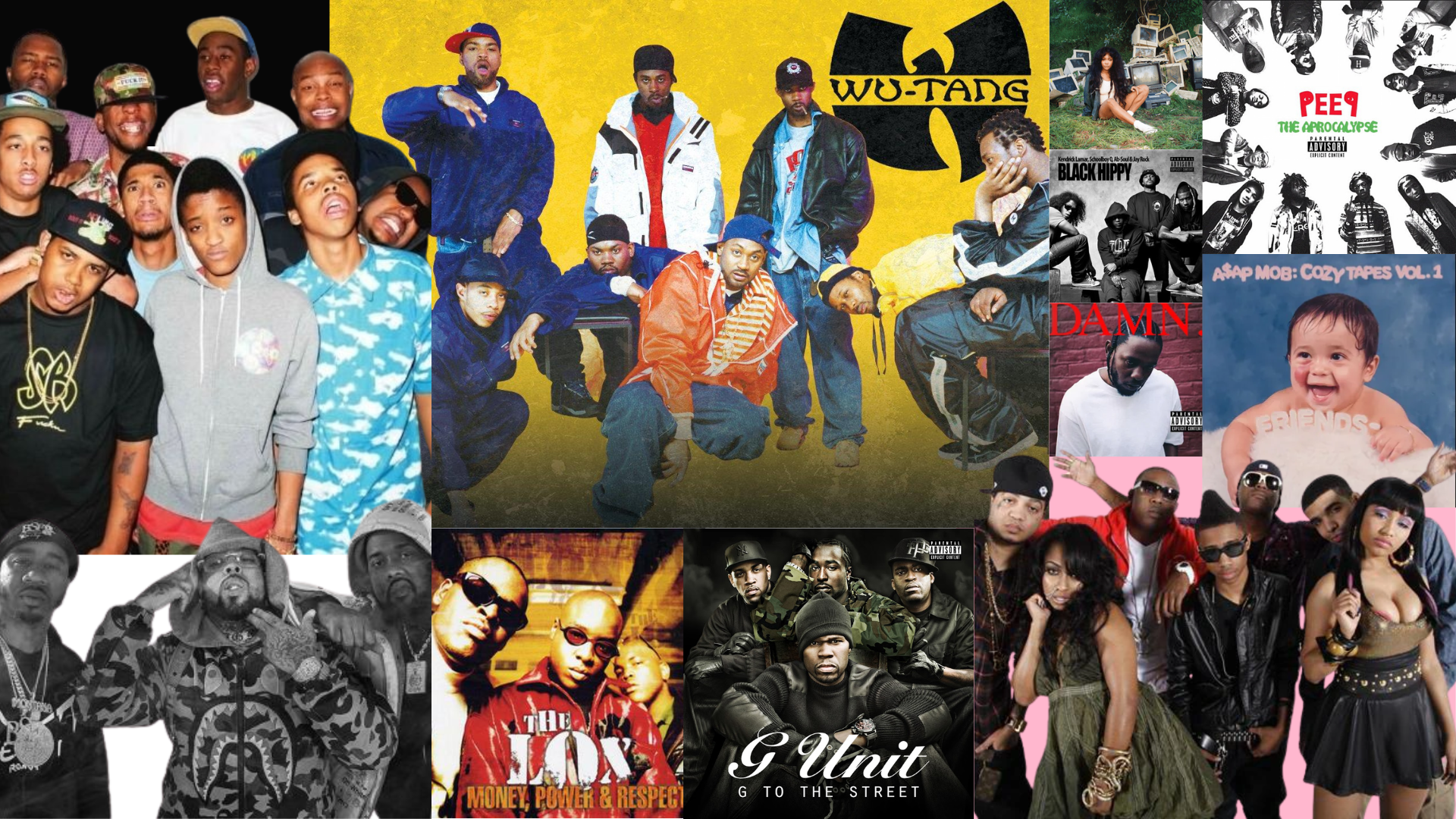
Wu-Tang Clan’s influence continually presents itself in music culture, and it might take on different forms in new collectives, but the formulas are clear and each time it presents itself, it’s another evolution of elements from the diverse chambers of creativity. Particularly in the world we live in today, collaborative growth is the formula for longevity. RZA brought everyone together, made each member shine on their own, so they could shine together and eat at the same table. Millions of fans worldwide and a legacy that continues to echo through playlists, studios, and stages, the group’s impression is long-lasting. We’re not looking at the Farewell Tour for what it might be packaged up to be, because if you have rocked with them at some point throughout their duration, you’ll know it’s Wu-Tang now and forever after.
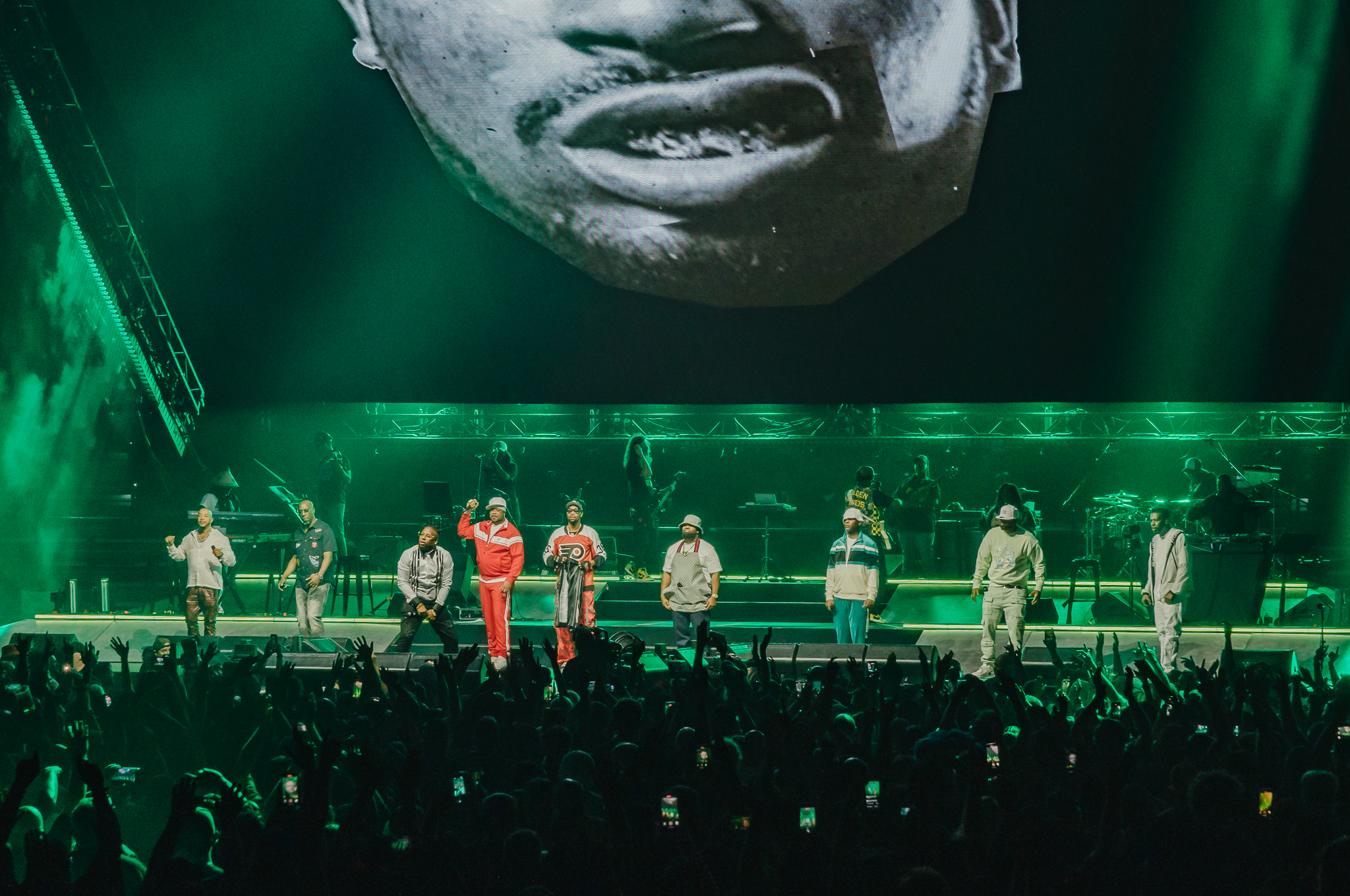
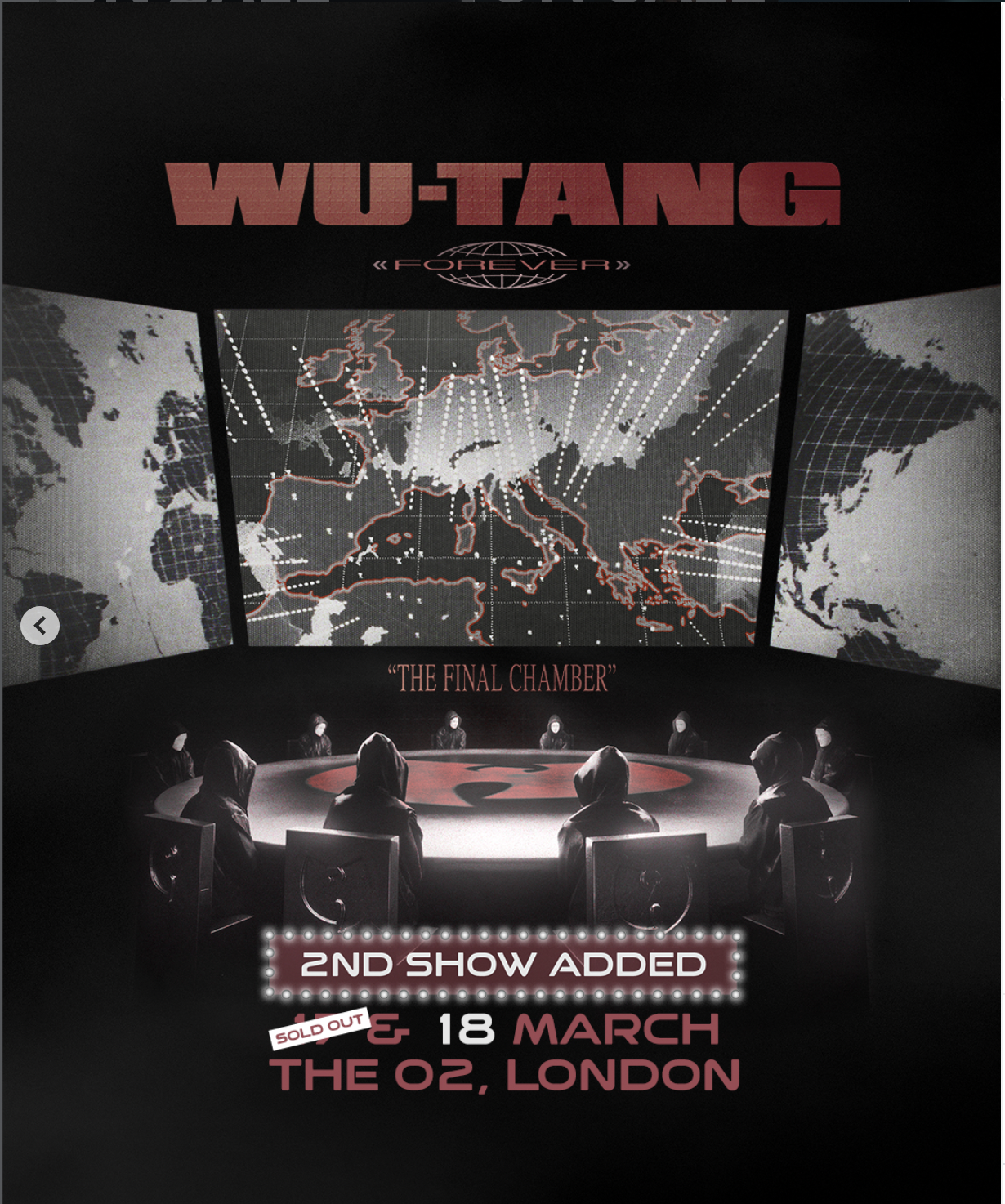
PHOTO CREDIT: Courtesy of @Livenation