





 Fashion and media have always been industries built on imagination, image, and the relentless pursuit of what’s next. So it’s fitting that both have become early proving grounds for generative AI. From the design studio to the magazine spread, artificial intelligence is quietly rewiring how clothes are conceived, how campaigns are shot, and how stories reach us. The change is happening fast, and it’s far more nuanced than the “robots replacing creatives” headlines suggest.
Designing at the Speed of Thought
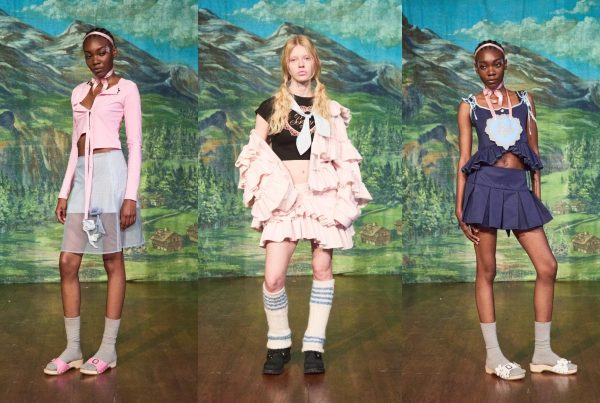
For designers, the most immediate shift is in ideation. The earliest, messiest part of the creative process, sketching out dozens of concepts before settling on a direction, has been compressed dramatically. A designer can now describe a silhouette, a fabric, a mood, and see a range of visual interpretations almost instantly.
This doesn’t replace the designer’s eye; it amplifies it. Instead of spending days rendering concepts that may never make it to the cutting table, designers can explore far more directions in less time, then pour their energy into refining the ideas with genuine promise. The result is a faster, more experimental front end to the creative pipeline.
Reinventing the Fashion Campaign
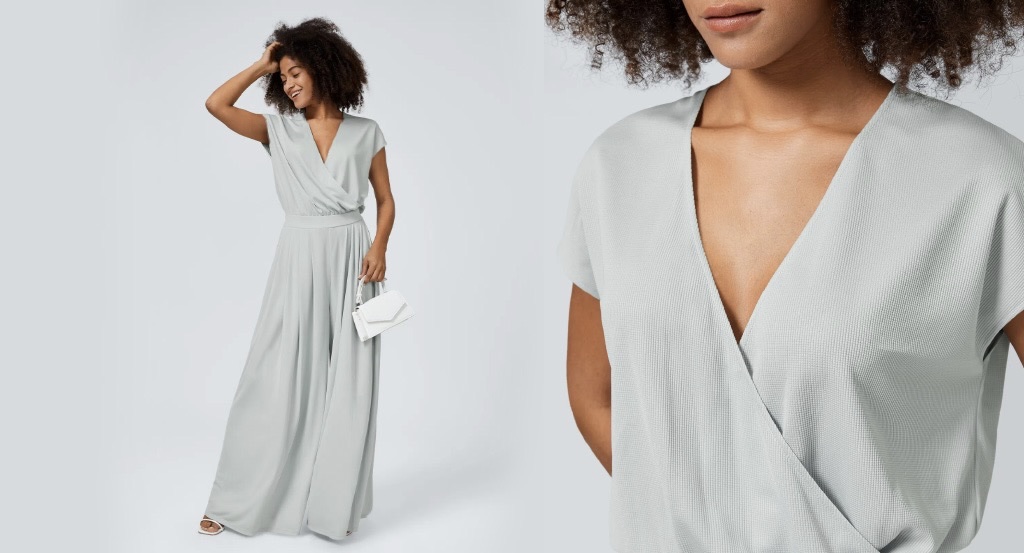
Photography and campaign production are where the transformation becomes most visible. Traditional shoots are expensive, logistically complex affairs involving locations, crews, and tight schedules. AI is giving brands new ways to previsualise concepts, generate mood boards, and even produce certain campaign visuals without a single flight or studio booking.
This is particularly liberating for smaller labels. A boutique brand that could never afford an elaborate editorial shoot can now develop a polished, cohesive visual identity at a fraction of the cost. It’s democratising a corner of the industry that was long gated by budget.
The Multi-Model Creative Toolkit
As creative teams embrace these tools, they’re discovering that different AI models excel at different things, one nails photorealism, another shines at stylised illustration, a third follows complex prompts most faithfully. This has driven demand for platforms that bring several engines together rather than locking users into one.
When a campaign concept finally clicks, the challenge becomes execution, and here a quiet preference has emerged among creative teams for tools that don’t box them into one aesthetic. That instinct explains the appeal of an AI Image generator like Adobe Firefly, which brings a roster of models under one roof: Adobe’s in-house options sit beside partner engines from Google (Imagen and Gemini), OpenAI (GPT Image), and Black Forest Labs (FLUX), reachable with a single sign-in. A stylist or art director might lean on one model for a crisp, editorial-grade product shot and another for a painterly, mood-driven backdrop, pulling the best of each into a single vision. Rather than betting everything on one engine’s interpretation, creatives can shop around within the same workspace until the image matches what they pictured.
Personalisation in Media and Marketing
On the media side, AI is reshaping how content reaches audiences. Publishers and brands can now tailor visuals, layouts, and messaging to individual readers at a scale that was previously impossible. The same campaign can be subtly adapted to resonate with wildly different demographics, each version feeling bespoke.
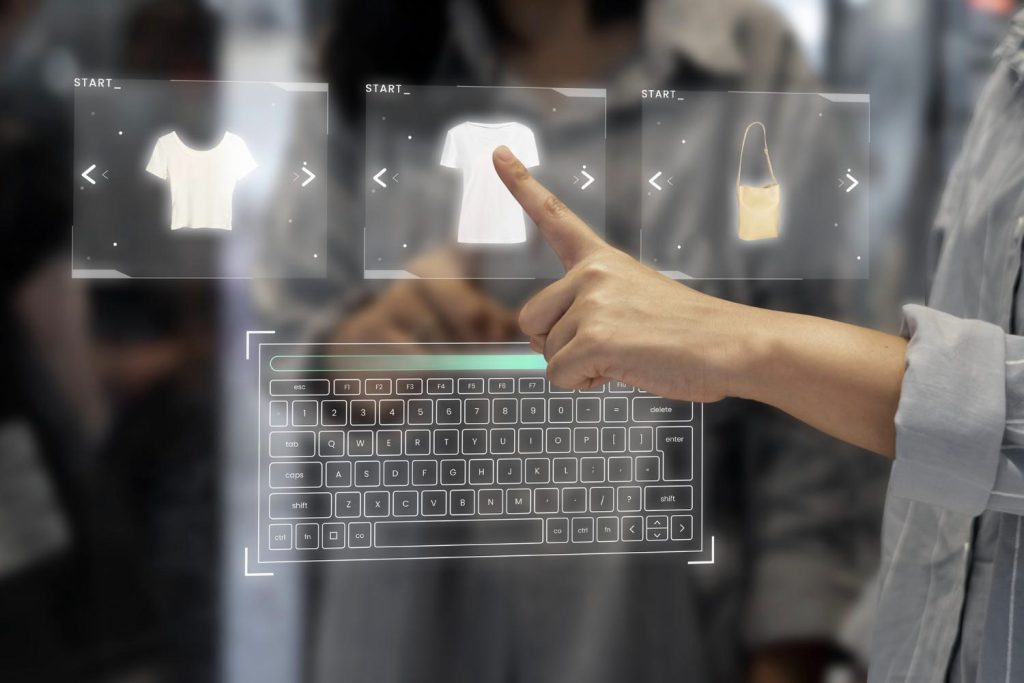
This personalisation extends to e-commerce, where virtual try-ons and AI-generated model imagery let shoppers see garments on a wider range of body types and in more contexts. Done well, it makes the online shopping experience more inclusive and more useful. Done carelessly, it raises real questions about authenticity, which the industry is still learning to navigate.
The Authenticity Problem
That tension over authenticity is perhaps the defining challenge. Fashion trades on aspiration and trust; media trades on credibility. When images can be conjured from a text prompt, audiences naturally start asking what’s real. Was that model photographed or generated? Is that “behind the scenes” shot genuine?
This is where provenance tools are becoming essential. Firefly, for example, attaches Content Credentials, a tamper-evident “nutrition label” that records how an image was made, to its outputs. As these standards spread across the industry, they could help brands stay transparent with consumers about what’s AI-assisted, preserving trust rather than eroding it.
According to The Business of Fashion, the industry’s adoption of AI is accelerating across design, marketing, and supply chains, but the brands gaining the most are those treating the technology as a creative collaborator rather than a shortcut, a distinction that increasingly separates thoughtful labels from opportunistic ones.
What This Means for Creative Careers
Understandably, many in these fields worry about their livelihoods. But the emerging picture is less about replacement and more about redefinition. The grunt work, endless variations, basic retouching, first-draft concepts, is being automated, while the distinctly human skills of taste, storytelling, and cultural intuition are becoming more valuable, not less.
The professionals thriving in this new landscape are those who’ve learned to direct AI rather than compete with it. Knowing what to ask for, recognising when an output is genuinely good, and shaping raw generations into something with real point of view, these remain deeply human talents. The tool is powerful, but it still needs someone with vision holding the reins.
The Road Ahead
Fashion and media are entering an era where the barrier between imagination and image is thinner than ever. That’s exhilarating and unsettling in equal measure. The technology will keep advancing, the ethical debates will keep evolving, and the industries will keep adapting as they always have.
What won’t change is the need for genuine creativity. AI can generate a thousand images, but it can’t decide which one matters. That judgment, the spark of human taste and meaning, is, and will remain, the most valuable thing in both fashion and media.