
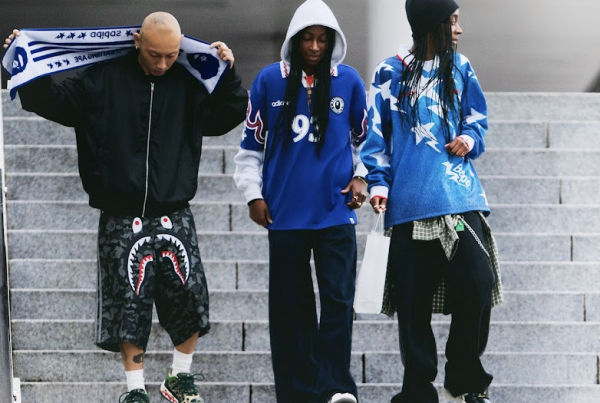






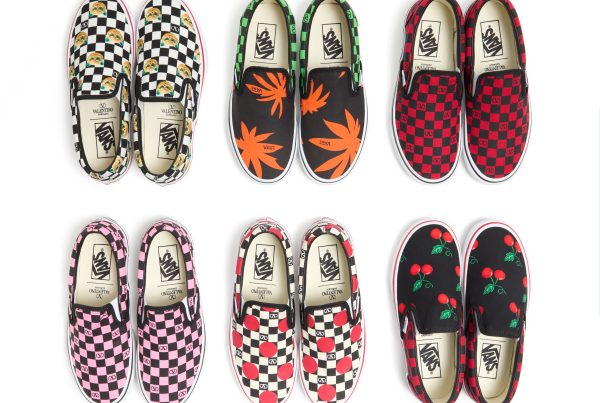





























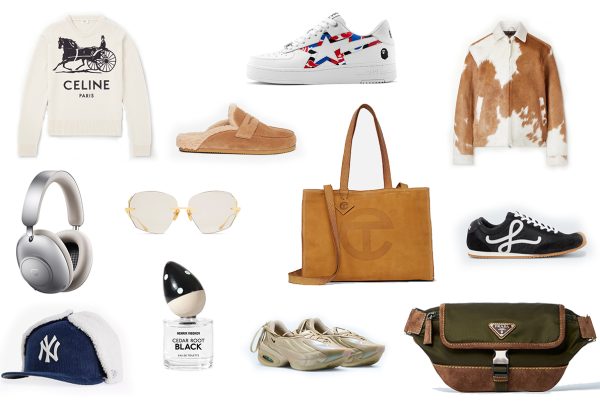



Imagine scrolling through your wardrobe and seeing each item as more than clothing—Supreme hoodies, Off-White tees, Stüssy jackets, and Palace caps suddenly feel like assets that rise and fall in value based on hype, collaborations, and social media buzz. While it may sound far-fetched, the intersection of culture, data, and fashion has grown so strong that considering streetwear as a form of investment doesn’t seem entirely unrealistic.
We already witness a similar mindset in how enthusiasts track their favorite labels. Just as tech investors monitor revenue reports, engagement metrics, and project roadmaps, fashion followers watch resale trends, release schedules, and influencer activity. Savvy style fans analyze design changes, collaboration patterns, and public sentiment, interpreting subtle signals in ways reminiscent of financial traders. Both worlds involve speculation, timing, and a keen sense of opportunity.
This overlap explains why hype-driven fashion resonates with people accustomed to fast-paced digital decisions. It’s not simply about owning a piece—it’s about the thrill of timing, anticipation, and strategic choice. A limited sneaker drop can feel just as electrifying as a high-stakes market move. Timing, in this world, is everything.
If streetwear brands were publicly traded, their performance would be judged beyond just unit sales. Drops could act as quarterly earnings; partnerships with luxury designers or prominent artists might resemble mergers and acquisitions. Cultural missteps or oversaturation could impact perceived value, mirroring stock market reactions when companies miss expectations. A missed collaboration could feel like a failed IPO in the eyes of dedicated followers.
Some luxury fashion houses, like LVMH, already operate under public companies, but most streetwear brands remain independent, thriving on exclusivity and loyal followings. What if this model expanded? What if the next influential label went public? Could fans invest in a brand the way they invest in tech giants, guided by vision, trend insight, and cultural relevance? For those curious about digital transactions, it’s even possible to buy crypto using a credit card, showing how modern finance and lifestyle are increasingly intertwined.
In this scenario, success wouldn’t be measured by traditional financial metrics. Resale value, Instagram engagement, sell-out speed, and online demand could become new benchmarks. Owning a sought-after hoodie could feel like holding a dividend-yielding asset. Digital influence and cultural clout might define a label’s “valuation,” rather than physical store traffic alone.
This perspective changes how fans relate to the brands they love. Ownership could be literal, with enthusiasts holding stakes in labels like A Bathing Ape or Fear of God, creating a feedback loop: wearing the product not only shows loyalty but could also increase its market value. Fashion transforms into a strategic expression of both identity and investment.
Naturally, this approach comes with risks. Trends shift rapidly, and public perception can turn quickly. A poorly received drop could harm both reputation and “value.” In this high-stakes style ecosystem, cultural relevance is as volatile as any dynamic market.
The evolution of streetwear already demonstrates this shift. NFT releases, digital fashion, and metaverse integration show that labels are more than garments—they’re media platforms, cultural icons, and technology hybrids. Treating them like dynamic entities is not such a stretch.
Will this commercialization dilute streetwear’s underground charm? Perhaps, but it also ensures longevity and reach. Thoughtfully executed, this model could allow indie labels to secure capital without losing authenticity.
What seems bold now may become mainstream. As culture, fashion, and strategy converge, we may soon ask not just what we want to wear, but how what we wear reflects influence and value. Style could very well acquire a “ticker symbol” of its own.