











 Luxury watches have survived every prediction of their downfall, which makes them one of the more fascinating corners of style. They sit in that space where design, heritage, and personal expression keep passing the baton from one generation to the next. Even as tastes shift and technology tries to steal the spotlight, a beautifully made watch refuses to fade. It tells a story without saying anything at all, and somehow it still feels relevant in an era dominated by screens. That staying power deserves a closer look, especially as the culture around these pieces keeps widening in surprising ways.
The Emotional Pull Of Craftsmanship
People who love mechanical watches rarely talk about them like objects. They talk about them like small feats of engineering that happen to live on your wrist. The care poured into hand finishing and movement design is invisible to most, yet it creates a sense of intimacy that other accessories rarely match. You feel it when you wind a watch or when you catch the weight of a polished bracelet against your skin. These details build a connection that lasts far longer than the thrill of buying something new. A watch becomes an anchor in a fast cycle of trends, the kind of item you reach for instinctively because it carries its own quiet presence.
Collectors often describe that presence as the reason certain timepieces become lifelong companions. They mark milestones, career moments, and even small personal victories in a way that feels steady and reassuring. That consistency is harder to find now that digital everything is nudging us toward disposable habits. The beauty of a mechanical watch lies in how it keeps insisting on patience and care. In a fashion landscape where constant updates can feel exhausting, holding onto something meant to endure brings its own type of comfort.
A New Generation Reshaping Prestige
Interest in high end watches has grown quickly among younger buyers. Conversations around Gen Z and watches show that this crowd doesn’t want prestige for prestige’s sake. They want meaning, design with intention, and pieces that feel like extensions of their identity. The shift is refreshing because it pulls luxury away from the old idea that it should be intimidating or exclusive. Instead, you see young collectors choosing pieces based on proportions, wrist feel, or a specific dial variation that speaks to them. They choose watches the way they choose art, with a sense of curiosity and personal connection.
This generation also brings a lighter touch to the culture around collecting. They talk openly about learning as they go, which invites more people into the conversation and softens the gatekeeping that used to surround the category. Social platforms have made horology more accessible while still celebrating craftsmanship. You end up with a landscape where heritage brands and newcomers both benefit, and where the meaning of luxury can evolve without losing its backbone.
The Rise Of Modern Metals And Quiet Statements
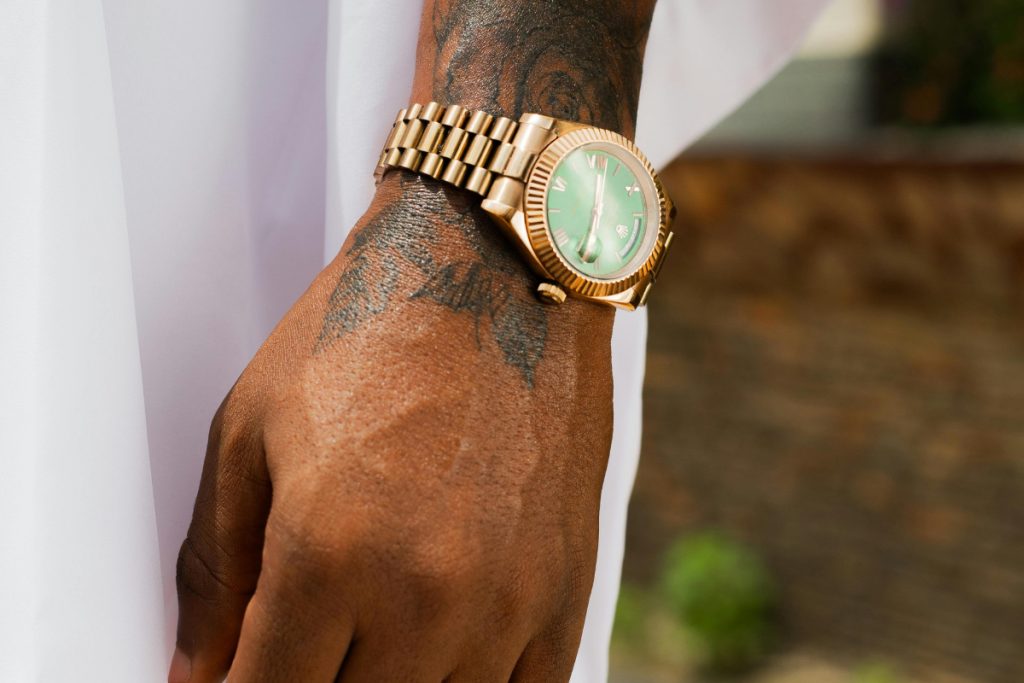
Designers have been rethinking the classic fluted case or smooth bezel by introducing contemporary metals and finishes. That includes sleek takes on gold that feel more wearable for everyday life. As people debate white gold vs yellow gold, the conversation tends to center on tone and personality rather than formality. White gold reads crisp and modern, while yellow gold carries a warm vintage charm. Neither dominates the style conversation right now, which leaves more room for people to experiment with how each metal plays against their wardrobe.
This freedom opens up creative styling choices that feel friendly instead of rigid. A white gold watch can look incredibly sharp against denim and a simple knit. A yellow gold piece can bring energy to something as minimal as a black dress or a tailored blazer. The point is that metals are no longer dictating mood. They’re supporting it. Gold in any shade adds presence, but it’s subtle enough that you can shape it to fit who you are on any given day.
Design Codes That Keep Evolving
Legacy houses are constantly refining their silhouettes and proportions in ways that honor history without feeling stuck. Cases have become slimmer or more sculpted, bracelets more ergonomic, and dials more playful with color. These adjustments speak to the broader shift toward wearability. A luxury watch isn’t treated as a museum piece anymore. It’s a companion that should feel right whether you’re dressed up or heading out for a coffee.
That change in thinking has encouraged brands to revisit archival references with a lighter hand. You see vintage cues filtered through fresh lines that feel familiar but not nostalgic. Collectors appreciate these pieces because they strike a balance between tradition and modern polish. The result is a category that moves forward without ignoring the craftsmanship that built it.
Sustainability As A Natural Extension Of Care
There’s something inherently sustainable about a watch made to last for decades. Still, the industry has started embracing more transparent practices around sourcing, energy use, and servicing. The shift feels less like a marketing wave and more like a practical response to how people live now. When you invest in a mechanical watch, you’re choosing something repairable and maintainable. That mindset aligns with a gentler consumption pattern that many style enthusiasts find appealing.
You can see the impact in the rise of certified pre owned programs and the growing interest in restoring older models instead of letting them collect dust. Watches carry history, so keeping them in circulation adds another layer of value. It’s a thoughtful cycle that supports both artisans and collectors while giving people more ways to find the piece that fits their taste.
Watches As A Personal Signature
A luxury watch still does something that smartphones can’t. It creates a sense of presence. It says something about your taste without broadcasting it. For many, that’s the heart of the appeal. You’re wearing a piece of design that becomes part of your daily rhythm. It’s a quiet signifier of care, of thoughtfulness about how you move through the world.
People often talk about finding a watch that feels like them. Not the most expensive, not the flashiest, just the one that settles naturally onto the wrist. That moment of recognition keeps collectors searching and newcomers curious. The right watch becomes part of your story, and it stays with you long after new trends pass through the spotlight.
Luxury watches aren’t going anywhere. They adapt, they surprise, and they remain compelling because they feel human. A well made watch still carries its own steady heartbeat, and that’s more than enough to keep the culture around it alive.