

























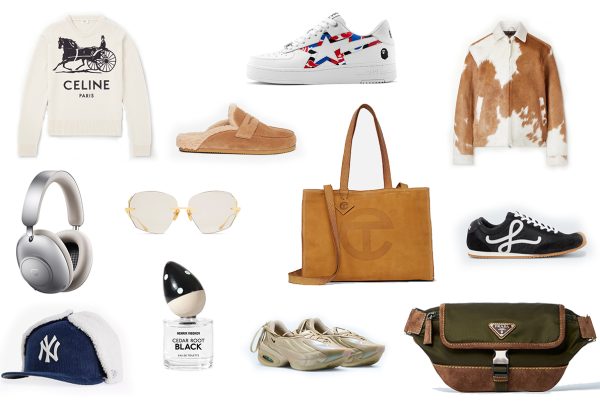



Seven seconds. That is how long you have before someone forms an opinion about you. Your clothes speak before you open your mouth, and on a first date, that silent introduction carries weight. Most men overthink what to say and underthink what to wear. The reverse approach tends to work better.
Getting dressed for a first date does not require a wardrobe overhaul or expensive purchases. It requires attention to a few principles that apply across most situations. Fit matters more than brand. Color choice affects perception. Shoes reveal more than you think. These are the components that deserve your focus.
Fit Comes First
Baggy clothes look bad. Clothes that are too tight look worse. This is the single most common mistake men make, and it undermines everything else you do right. A $200 shirt that hangs off your shoulders will lose to a $40 shirt that fits properly.
Your clothes should follow the lines of your body without pulling or bunching. Shoulder seams should sit at the edge of your shoulders. Shirt sleeves should end at your wrist bone. Trousers should break once at the shoe, not pool around your ankles. If you own clothes that do not meet these standards, take them to a tailor or stop wearing them on dates.
The Safe Choice That Works
An Oxford cloth button down paired with dark jeans or chinos covers most first date scenarios. This combination works for coffee, drinks, dinner at a mid-range restaurant, or a walk through a gallery. It signals that you made an effort without appearing overdressed.
The shirt should be well-pressed. The jeans should be dark wash, slim but not skinny, and free of distressing or fading. Chinos in navy, olive, or tan offer a slightly dressier option. A blazer can elevate this combination for evening dates or upscale venues, though it is not required.
Dressing for Different Relationship Styles
First date outfits require adjustments based on the situation. A man meeting someone through conventional dating apps might dress differently than someone pursuing a sugar daddy arrangement or other unconventional relationship types. The core principles remain the same: fit matters, grooming counts, and context determines formality.
What varies is the implied expectation. Upscale dinner dates call for blazers and leather loafers. Coffee meetups allow dark jeans and clean trainers. Know the setting, match the tone, and dress one level above the venue’s baseline. Your clothes should signal effort without appearing forced.
Color Psychology Is Real
The colors you wear affect how people perceive you, and this is not speculation. A 2008 study at the University of Rochester found that participants reported stronger romantic attraction to those wearing red, and they were more willing to spend money on dates with people dressed in that color. The effect occurred without participants being aware of it.
Navy signals trustworthiness and calm. White reads as open and fresh. Black conveys confidence with a slight edge of mystery. Earth tones communicate that you are relaxed and approachable.
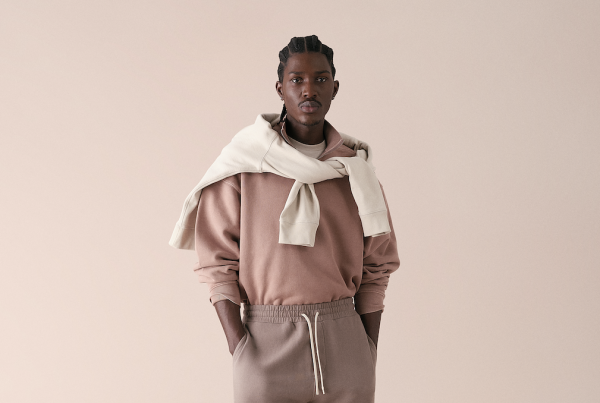
For daytime dates, stick to olive, tobacco, sand, sage green, or taupe. These colors work well in natural light and create a calm impression. Evening dates call for richer tones: deep teal, merlot, midnight grey, or slate blue. Avoid bright reds or graphic-heavy shirts during the day. They compete for attention rather than complement the moment.
Research on outfit coordination also offers useful guidance. Studies show that maximum fashionableness occurs when outfits are neither too coordinated nor too different. Do not match everything exactly. Do not wear clashing patterns. Find the middle ground.
Your Shoes Say More Than You Think
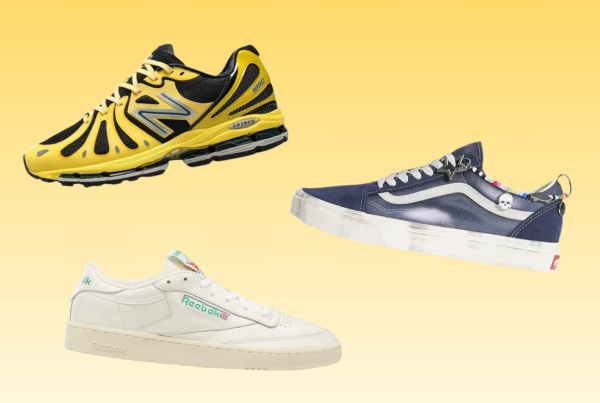
Footwear is the most telling part of your outfit. Clean white trainers work for casual settings. Smart derbies or low-key leather boots work for most evening dates. Black leather penny loafers, as Esquire recommends, cover a lot of bases. Brands like G.H. Bass, Sebago, Morjas, or Yuketen offer reliable options.
Whatever you choose, the shoes must be clean. Scuffed leather and dirty soles suggest carelessness, and that impression extends beyond your footwear.
Match the Venue
Dress one level above what the venue requires. For a cocktail bar, this means a button-down with fitted trousers and leather shoes. For a coffee shop, dark jeans with a clean polo or casual Oxford works. For dinner at a nice restaurant, add a blazer or a structured sweater.
Showing up underdressed suggests you did not care enough to try. Showing up overdressed, within reason, suggests you took the date seriously. The latter is almost always the better outcome.
Smart casual remains the default for unknown territory. According to Esquire, this dress code applies to most occasions when you want to feel relaxed and confident without knowing the exact expectations.
Grooming Is Non-Negotiable
Your outfit cannot compensate for poor grooming. A survey by Wakefield Research found that 86% of people consider bad breath a dealbreaker on a first date, and 58% of women said they would end a relationship over persistent halitosis.
Trim your nails. Dirt and debris collect under them easily, and your date will notice. Style your hair. Shave or groom your facial hair neatly. Brush your teeth and consider mouthwash.
Cologne deserves restraint. Two to three spritzes on your wrist or neck is enough. More than that overwhelms the space and the person across from you. The goal is subtle, not aggressive.
What to Avoid
Athletic wear sends the wrong message. Joggers and trainers suggest you did not bother to try. While 24% of men believe their clothes do not matter on dates, 41% of women disagree. Fashion mistakes register more strongly with women than men.
Wrinkled or dirty clothes undermine any outfit, regardless of how stylish the pieces are. Check everything before you leave. Iron what needs ironing. Spot clean what needs cleaning.
The most common and hardest mistake to recover from is wearing something that is not you. If you do not normally wear a suit and tie, do not wear one on a first date. The discomfort will show. Dress authentically, but dress well.
Tight Versus Baggy
Research on perception found that in males, tight-fitting clothes led to perceptions of increased masculinity compared to baggy garments. This does not mean skin-tight is the goal. It means clothes that follow your form read better than clothes that hide it.
The key is balance. Slim without restricting movement. Fitted without pulling at the buttons. Structured without stiff.
The Psychological Effect
People who put effort into dressing well are perceived as more serious about finding a partner. In first encounters, where initial impressions carry most of the weight, this perception matters.
Your clothes communicate intent. They say you prepared for this. They say you took the time. They say you considered how you would come across. None of this requires expensive items or complex coordination. It requires care, attention to fit, appropriate color choice, clean shoes, and good grooming.
That is the formula. Apply it consistently, and you remove one variable from an already complicated equation.