


















Over the past decade, global streetwear has evolved from a niche subculture into one of the most influential forces in contemporary culture.
Yet the most significant changes within the movement are not coming from legacy giants or long-established institutions. Instead, they are emerging from independent brands operating outside traditional structures.
These self-directed labels often rooted in personal identity, subculture, minimalism, or lived creative experience are now shaping the tone, pace, and visual language of modern streetwear.
In an industry defined by saturation and rapid turnover, they are redefining what relevance looks like.
This transformation mirrors a broader shift within youth culture and the global creative landscape.
As audiences become more sceptical of conventional marketing tactics, trend-chasing, and overly commercial aesthetics, they gravitate toward labels that communicate clarity and authenticity.
Independent brands, unencumbered by corporate constraints, are uniquely positioned to meet this demand.
Their ability to operate with intention, creative discipline, and a strong internal worldview allows them to challenge long-standing norms and reshape how influence is constructed.
The Fragmentation of Traditional Influence
Streetwear’s early evolution was shaped by a handful of dominant brands whose cultural capital and commercial scale enabled them to set the narrative. Graphic-heavy design, bold logos, and large collaborations defined much of the movement’s identity. But as digital culture accelerated, access to audiences diversified.
Social platforms created an environment where creators with smaller followings could build direct communities around their work.
This decentralisation reshaped the hierarchy of influence.
Instead of looking exclusively to legacy brands for direction, youth culture began responding to labels that offered personal perspective rather than formulaic branding. Independent creators, who often built their work around lived experience or subcultural identity, provided something the mainstream could not replicate: authenticity grounded in personal truth, not market strategy. As these voices gained visibility, the balance of influence started to shift.
Authenticity as a Competitive Advantage
One of the strongest assets independent labels possess is authenticity.
Free from large corporate infrastructures, these brands maintain a creative purity that resonates with consumers who value sincerity.
Their design decisions are guided by worldview rather than seasonal forecasting, and their identity remains largely untouched by external pressures.
This authenticity speaks directly to audiences who are increasingly able to identify when a brand’s communication feels performative.
Independent labels often reflect the philosophies, values, and emotional perspectives of their founders, creating a sense of coherence that feels rare in a highly commercialised industry.
LML Clothing by Halfwait represents this shift.
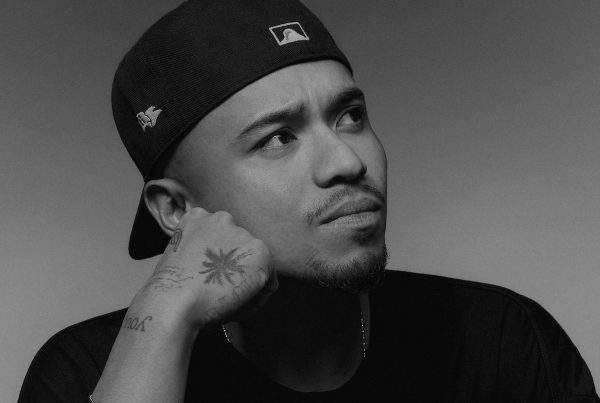
Created from the perspective of musician and creative director Jonathan Barca, LML’s disciplined minimalism mirrors a personal worldview rather than a market-driven identity.
Similar independent labels worldwide are building relevance through honesty rather than spectacle.
Minimalism’s Role in the Independent Movement
Minimalism has become one of the defining creative languages of independent streetwear.
Once overshadowed by maximalist design, it now reflects cultural values rooted in clarity, restraint, and long-term relevance.
In an era of overstimulation and rapid trend cycles, minimalism offers emotional and aesthetic stability.
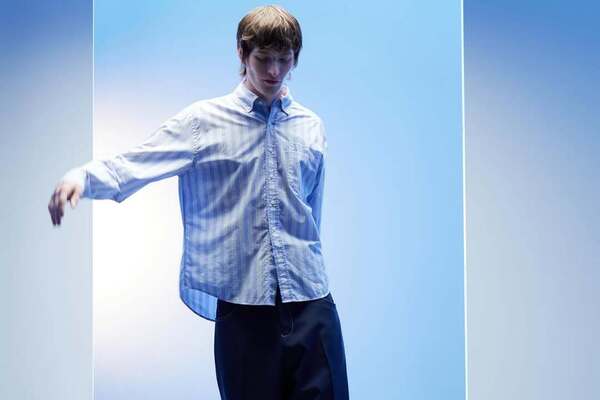
Independent brands have embraced minimalism because it allows them to build identity through intention rather than excess. Refined silhouettes, tonal palettes, subtle branding, and seasonless design frameworks are becoming hallmarks of this shift.
This direction provides an alternative to fast-fashion driven streetwear, replacing rapid iteration with longevity and coherence.
The result is an emerging movement where minimalism is not a trend but a philosophy shaping the future of the category.
The Globalisation of Independent Creative Voices
The rise of independent streetwear is a global phenomenon.
Creators across Tokyo, Sydney, Los Angeles, Berlin, London, and Seoul are contributing to a diverse ecosystem defined by self-direction.
Digital platforms have eliminated geographical barriers, allowing small labels to establish international audiences without relying on traditional retail infrastructure.
This globalisation has produced a mosaic of creative expressions. Japanese designers push disciplined minimalism, American labels merge streetwear with musical identity, European creators fuse sportswear, art, and cultural narrative, Australian brands lean into tonal restraint and structural clarity.
Though their aesthetics differ, these brands share a commitment to independence and creative integrity.
Collectively, they demonstrate how streetwear has expanded beyond singular visual narratives into a global network of interconnected voices.
A Shift in Retail Dynamics
As independent brands gain influence, retail environments are adapting. Stores increasingly prioritise labels with strong identity, seasonless longevity, and narrative coherence over mass-market familiarity. Retailers value brands that offer a clear point of view, stable design cycles, and focused assortments that reduce inventory risk.
Independent labels fit naturally into this new landscape.
Their disciplined approach aligns with modern consumer values and helps retailers establish more curated and intentional assortments.
This shift marks a new phase in global streetwear, where meaning and identity outweigh volume and hype.
Creative Discipline and the Independent Mindset
A defining trait of the independent movement is creative discipline.
Rather than producing endless graphics or rapid seasonal innovations, many emerging labels focus on refining their identity.
Their work resembles a long-form creative narrative rather than a series of isolated statements.
This approach stands in contrast to the speed-driven culture that has long defined the industry.
Independent designers view fashion as a continuous body of work guided by worldview, not trends.
This discipline resonates with consumers who gravitate toward brands that prioritise long-term thinking and internal consistency.
The Long-Term Cultural Impact
The rise of independent streetwear represents a shift in how cultural influence is built.
No longer defined by marketing budgets or legacy hierarchies, influence in 2025 is shaped by clarity, sincerity, and consistency. Independent labels have broadened the definition of streetwear, positioning it less as a vehicle for hype and more as a platform for identity, restraint, and creative integrity.
As consumers become more selective and retailers become more intentional, the momentum behind independent brands is likely to intensify.
The future of global streetwear will be shaped not only by established names, but by creators who build from their own perspective with purpose and discipline.