![[low]07-1376-Wide](https://pauseonline.s3.eu-west-2.amazonaws.com/wp-content/uploads/2026/03/low07-1376-Wide-600x403.jpg)
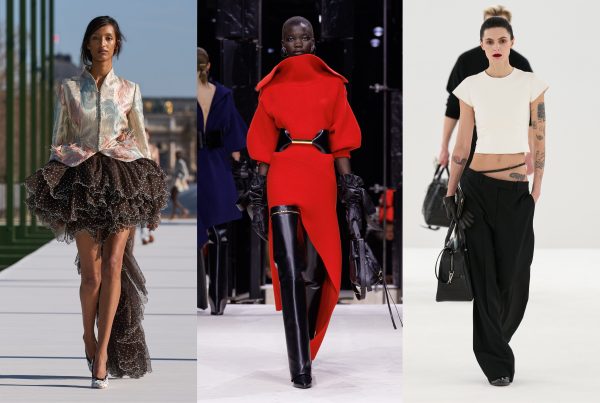
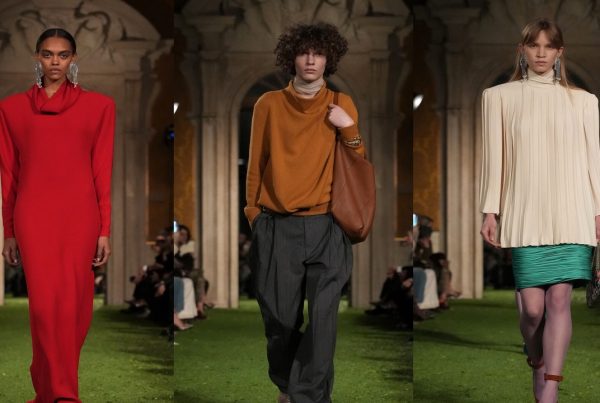
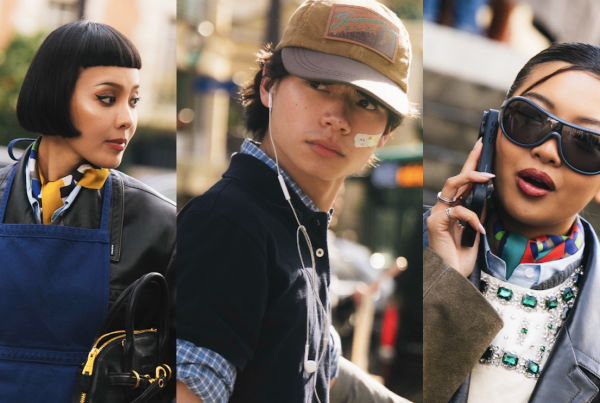
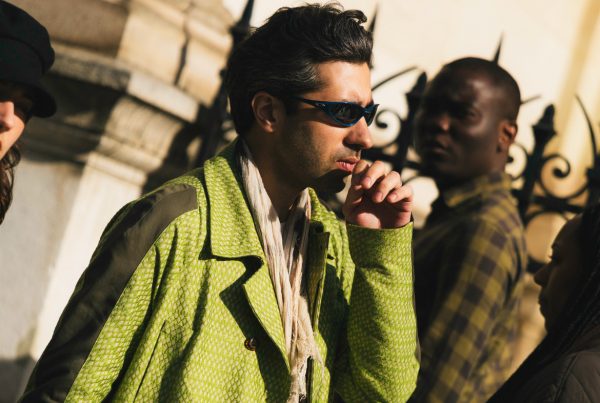
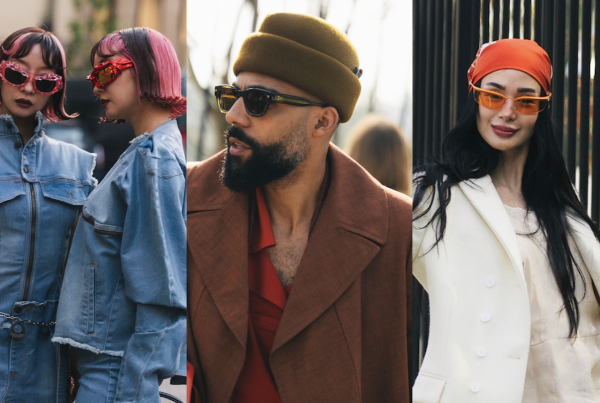
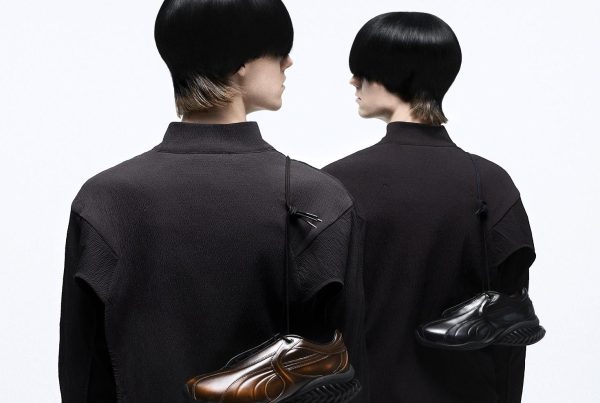
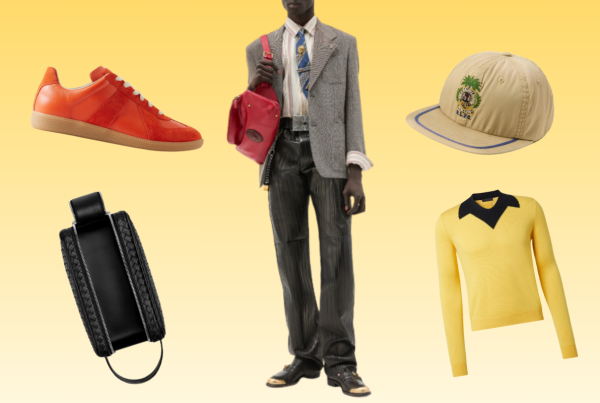
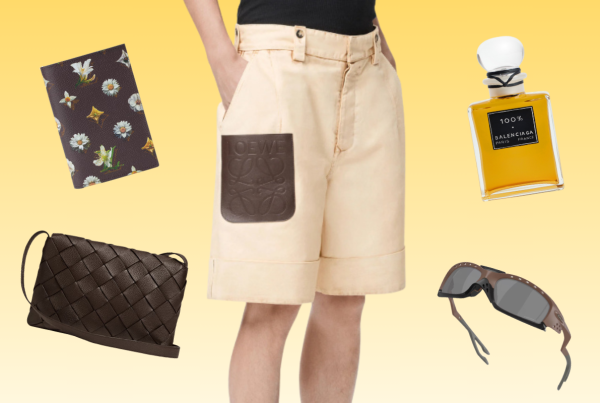
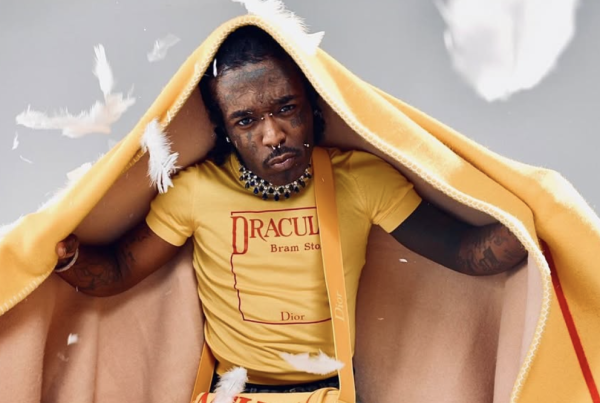
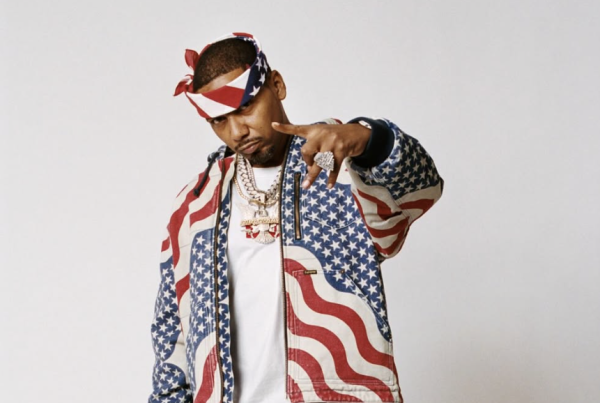
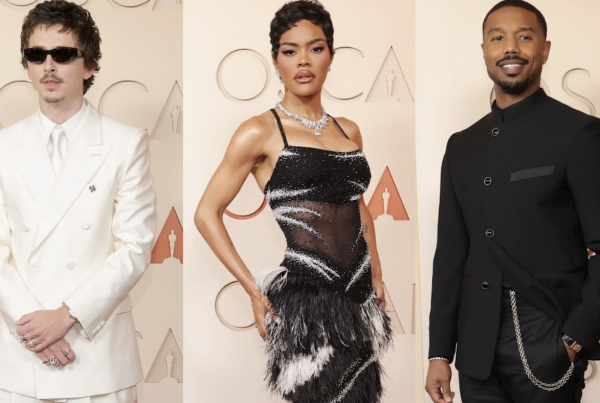

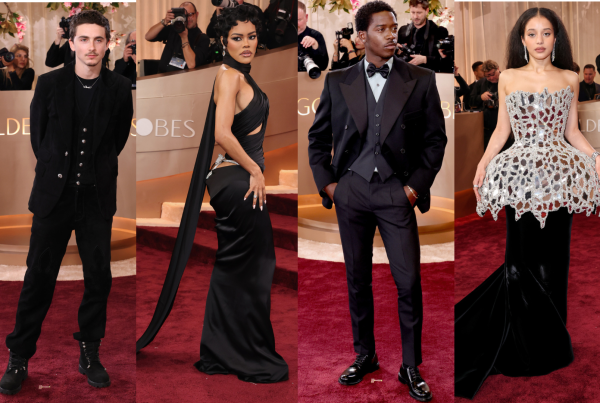
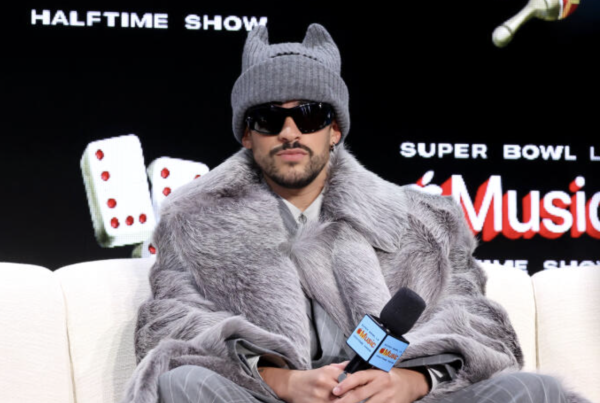
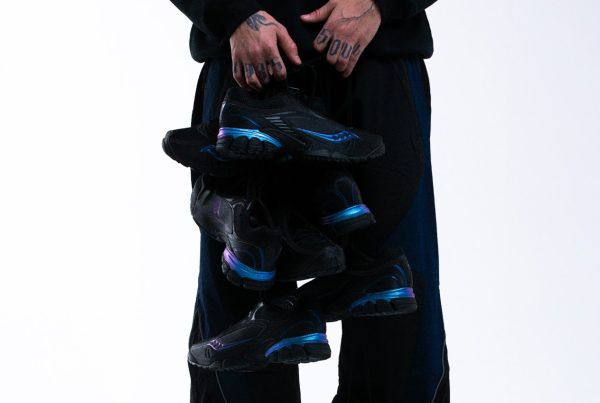


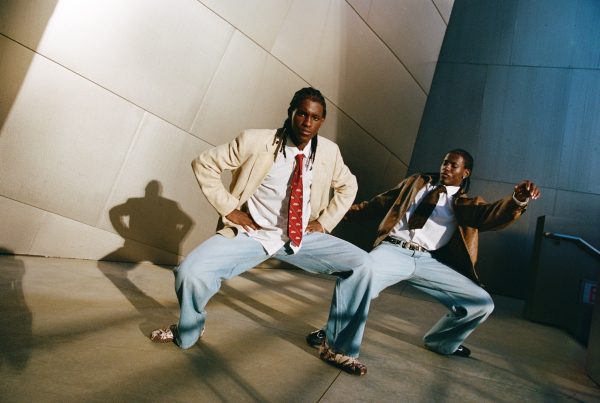
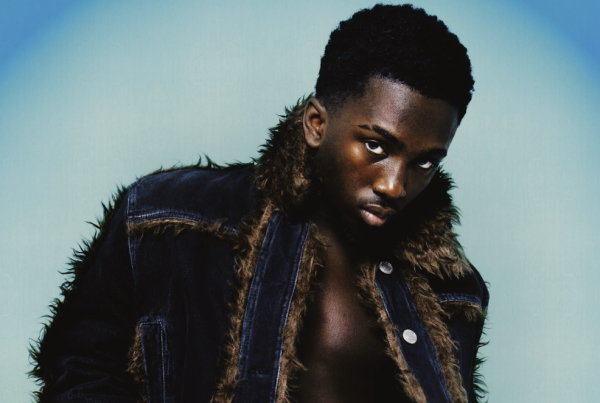
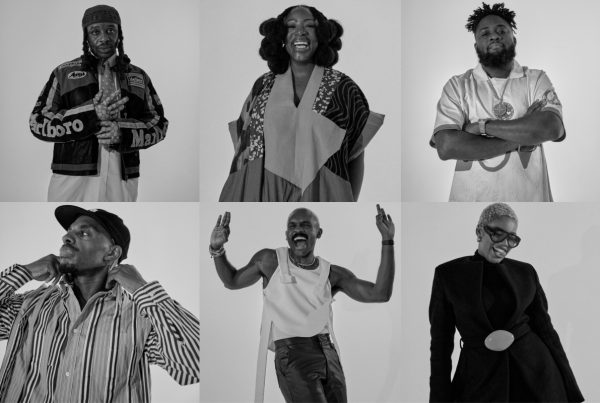
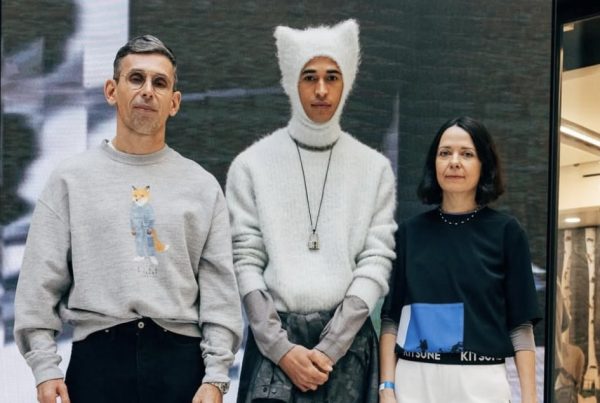
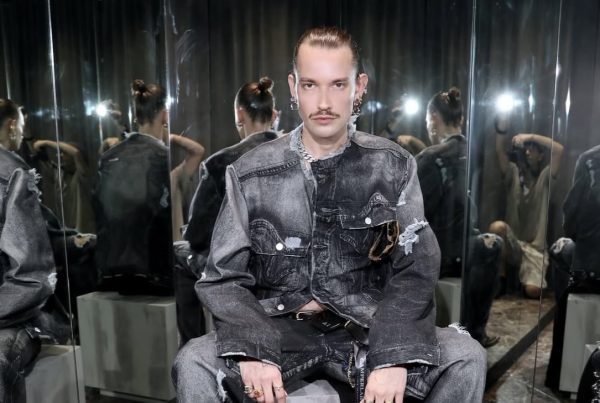








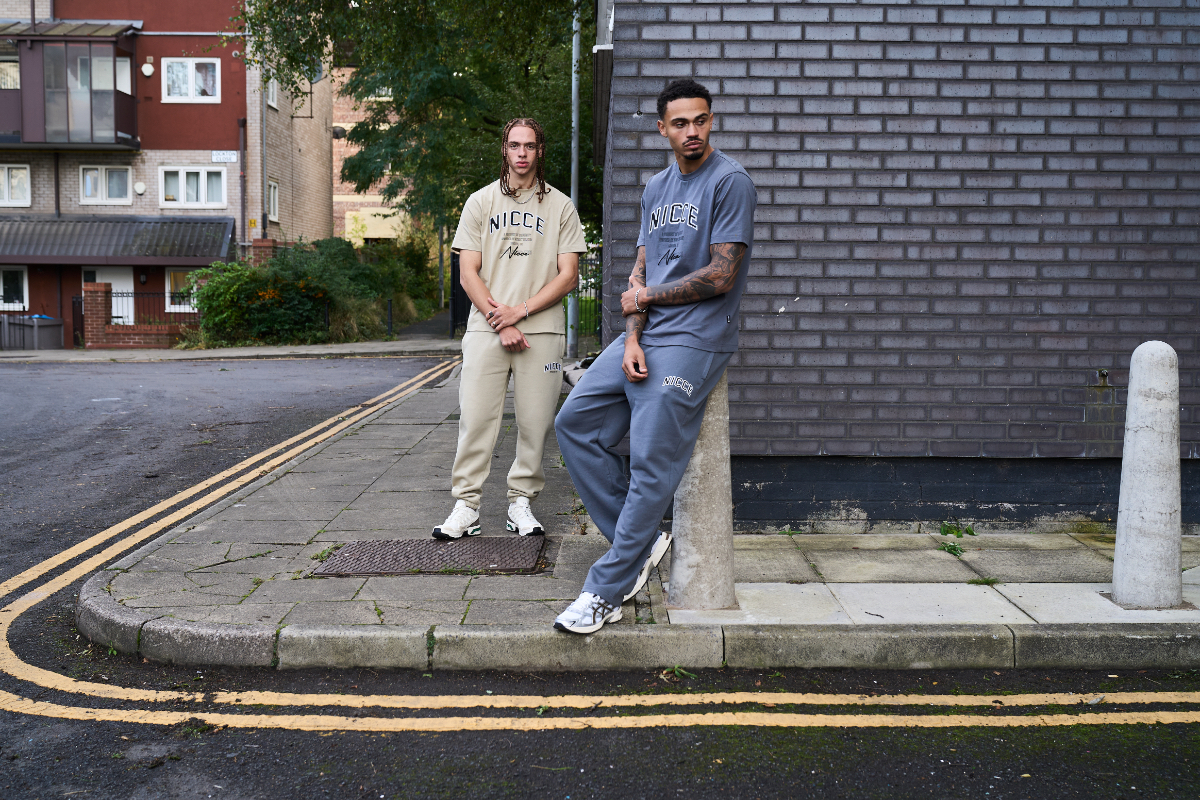
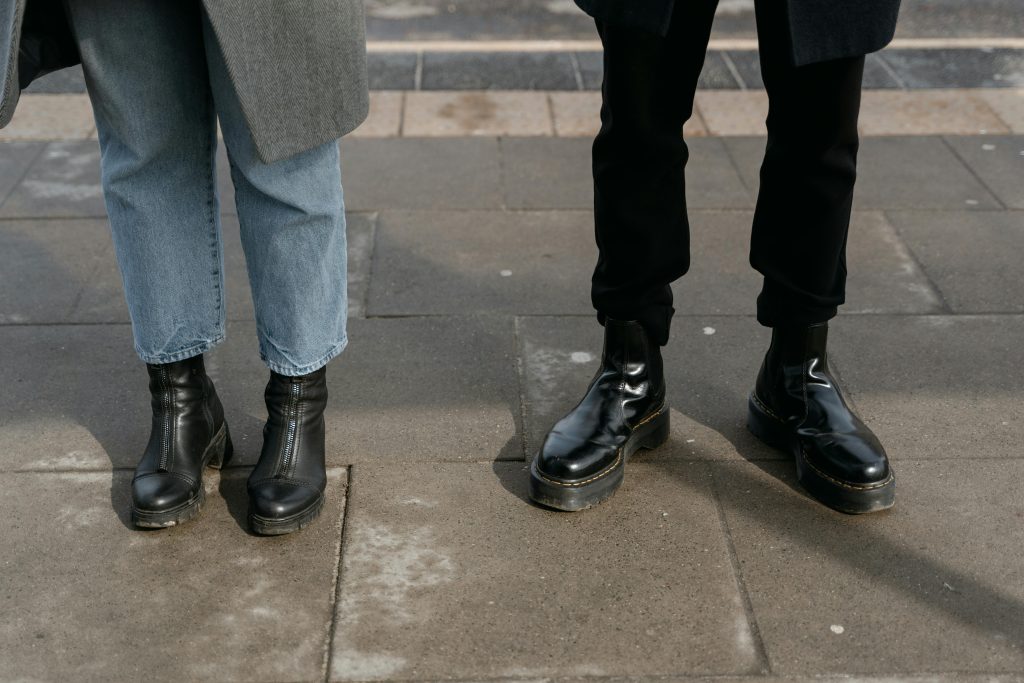 From Paris to London, the pavements outside fashion week venues have become as scrutinised as the runways themselves. In early 2026, a clear shift is visible: sharply cut silhouettes are edging out the oversized fits that dominated street style for much of the past decade. The mood feels more deliberate, more composed, without losing the cultural bite that defines streetwear.
What makes this change compelling is its subtlety. Rather than a full return to formality, the look on the street blends precision with ease, creating outfits that feel considered but never stiff. Tailoring is no longer about dressing up; it’s about sharpening personal style.
Sharper Silhouettes On The Pavement
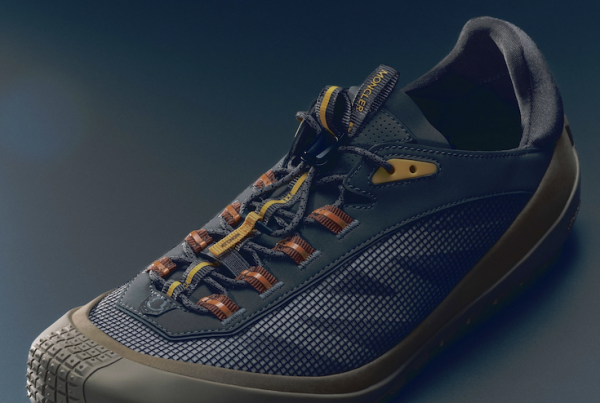
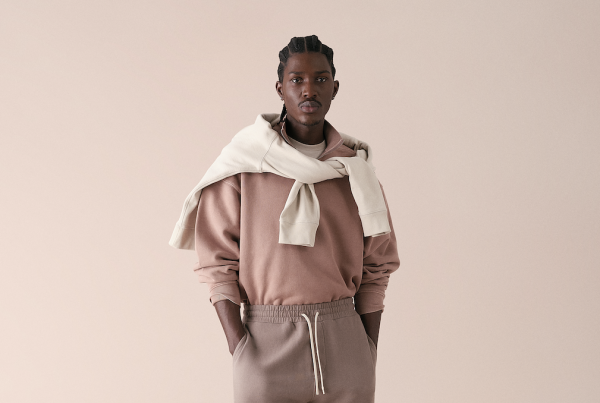
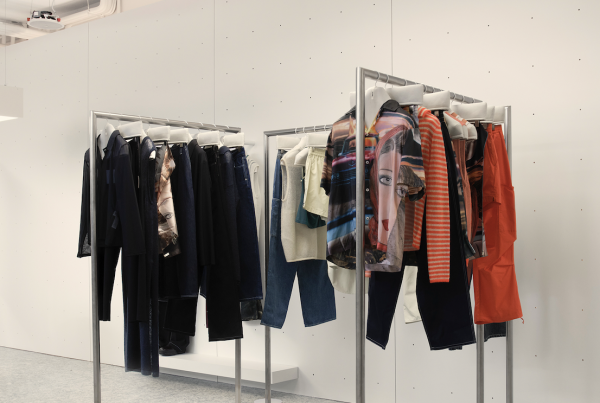
Across recent fashion weeks, tailored trousers, cropped blazers, and clean overcoats have become recurring street style staples. They’re often paired with hoodies, heavyweight T-shirts, or worn trainers, creating a contrast that keeps the look grounded. This hybrid approach allows wearers to project confidence without appearing overly polished.
The visual impact is hard to miss. Clean lines photograph well, but they also signal intent, suggesting a wearer who has thought about proportion and fit. That awareness is increasingly valued in a landscape saturated with throw-on dressing.
Why Tailoring Feels Current Again
The return of tailoring isn’t happening in a vacuum. After years of comfort-led fashion, many consumers seem ready for clothes that offer structure and direction. Search behaviour reflects this shift, with interest in suits rising from an index of 42 to 67 between June 2024 and May 2025, according to data cited by Vogue using Heuritech analysis in its coverage of womenswear trend data. While that insight focuses on womenswear, the ripple effect is clearly visible in menswear-led street style.
This renewed appetite for fit also mirrors broader lifestyle patterns. Tailoring has always been tied to specific social settings, from business environments to evening occasions where appearance carries symbolic weight. As structured clothing regains relevance, so does interest in leisure spaces that traditionally share that visual language: refined interiors, implicit dress codes and a sense of occasion.
Physical casinos have long embodied this connection between environment and attire. Even without strict rules, the expectation of dressing well reinforces the idea that participation is part of a ritual: arriving prepared, presenting oneself intentionally and engaging in a setting where aesthetics matter.
Online casinos, by contrast, translate that sense of choice into a more flexible format. The emphasis shifts from dress codes to personal comfort, allowing players to engage on their own terms while still seeking curated experiences. In this modern interpretation of leisure, platforms often described as top rated by GamblingInsider illustrate how digital spaces can retain structure and atmosphere without the formalities of physical presence.
Cultural Signals Beyond Clothing
Tailored streetwear carries cultural weight beyond aesthetics communicating identity and status much like the cultural foundation of streetwear described in recent fashion discourse. It communicates a kind of self-possession that resonates with younger audiences navigating uncertain economic and social climates. Dressing with polish becomes a way to assert stability and seriousness, even when paired with relaxed or nostalgic elements.
There’s also an element of global fluency at play. The same fitted jacket can reference Savile Row heritage, Parisian minimalism, or contemporary African and Asian tailoring traditions, depending on how it’s styled. That versatility makes tailoring a powerful tool for cultural expression.
Balancing Polish And Personal Style
The success of this movement lies in balance — an idea reflected in the fusion of tailoring and streetwear trends that blends heritage craftsmanship with urban design. Overly rigid tailoring risks feeling costume-like, while too much slouch undermines the point. The most compelling looks strike a middle ground, using precise cuts as a framework for personal touches.
For readers watching these shifts, the takeaway is simple. Tailoring no longer asks for conformity. Instead, it offers a way to refine street style, adding clarity and confidence while leaving plenty of room for character.