












































 Open any beauty magazine and you will find columns on skin, hair, makeup, scent, sometimes nails — rarely the smile. Beauty editors are excellent at the seven topics they cover and oddly silent on the eighth, which is dental aesthetics. It is a curious gap, given that the smile is one of the few areas of the face that responds reliably and durably to clinical intervention.
This is what beauty editors should be talking about, written from inside the dental discipline.
Whitening is More Nuanced Than the Beauty Industry Treats it
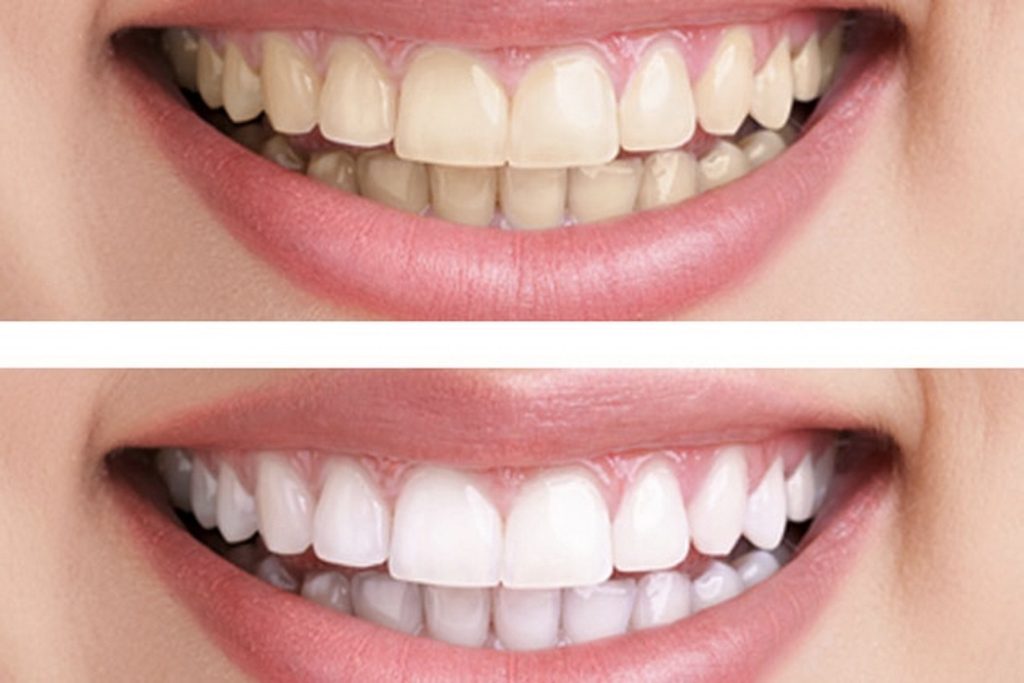
The standard beauty-press recommendation — over-the-counter strips, paid-for cosmetic dentistry treatments at Dental & Wellness London for the considered version — frames whitening as a single binary intervention. It is not. There are three distinct categories: external whitening (which removes surface staining and gives a 1-2 shade improvement), home tray whitening with dentist-supervised gel concentrations (the durable workhorse), and in-chair professional whitening (faster but with rebound). Each is right for a different patient. The beauty press almost never makes the distinction, which is why so many readers feel let down by results.
“Most patients come in expecting one whitening treatment for life. The honest answer is that whitening is a maintenance category, not an event — like a skincare routine, but with longer intervals,” says Dr Vishal Patel (BDS Liverpool, MSc Aesthetic & Restorative Dentistry Manchester, GDC 103127, Dental & Wellness London). “Done correctly, a home tray top-up every nine to twelve months keeps results stable. Done as a one-off, the results drift back over 12 to 18 months. We treat the cause, not just the symptom — which means the routine matters more than the single treatment.”
Composite Bonding is What Beauty Editors Actually Want When They Talk About Veneers
The beauty industry uses “veneers” as a generic term for any cosmetic dental change. In practice, composite bonding — a tooth-coloured material shaped directly onto the existing tooth, from £135 per tooth for simple edge work to £350 for more complex restorations — handles 80% of what beauty editors think they are recommending when they say “veneers.” It is reversible, costs roughly a quarter of porcelain veneers, and produces a more natural-looking result on its own terms. Porcelain veneers belong in a smaller category of cases than the beauty press implies. Composite bonding belongs in many more.
Clear Aligners Belong in Beauty Conversations, Not Just Orthodontic Ones
A mild crowding correction with Invisalign or a peer system produces a beauty result that no skincare routine can match. The smile reads as cleaner, more symmetrical, more rested. Yet the beauty industry consistently catalogues aligners as a medical-dental product rather than an aesthetic one. This is a category mistake. Clear aligners in a moderate cosmetic case are absolutely an aesthetic intervention by any reasonable definition. The most considered providers plan them with a long-term smile view, designing for the face at fifty and seventy — not just at the next photograph.
Hygienist Appointments are Skincare for Teeth
Beauty editors will recommend a £200 facial without flinching. The £80-£120 visit to a hygienist that delivers comparable aesthetic uplift — visible whiteness from tartar removal, gum line refresh, polished enamel — sits in the medical-dental bucket and gets ignored. Recommending a quarterly hygienist appointment is one of the highest-impact recommendations a beauty editor could make and is almost never made.
Smile Aesthetics is Sequenced, Not Stacked
The most common beauty-editor recommendation pattern is “do this and this and this and this” — multiple interventions presented as a list of choices. Smile work is sequenced: alignment first, then whitening, then any bonding work, with hygienist appointments throughout. Performed in the wrong order, the results compound badly. Performed in the right sequence, they hold for years. This is the honest case selection the considered clinics practise — sometimes saying no to the treatment a patient asked for, in favour of a different sequence.
There is a final structural reason beauty editors avoid the topic: it requires clinical knowledge that the beauty industry has not historically developed. Skincare moved through a decade of “ingredient-literate” beauty editors becoming experts in actives. Dental aesthetics has not had its equivalent moment, and so the smile sits in an awkward editorial gap — too clinical for the beauty page, too aesthetic for the health page.
That gap is the opportunity. The patients who want smile aesthetics talked about with the same seriousness as skincare are the patients researching their providers carefully. They are reading reviews and asking the right questions: case volume, GDC registration, refinement protocol, what happens when something goes wrong. They are not the patients beauty editors are currently writing for, because beauty editors are not currently writing about this category.
It is time for them to start.