




























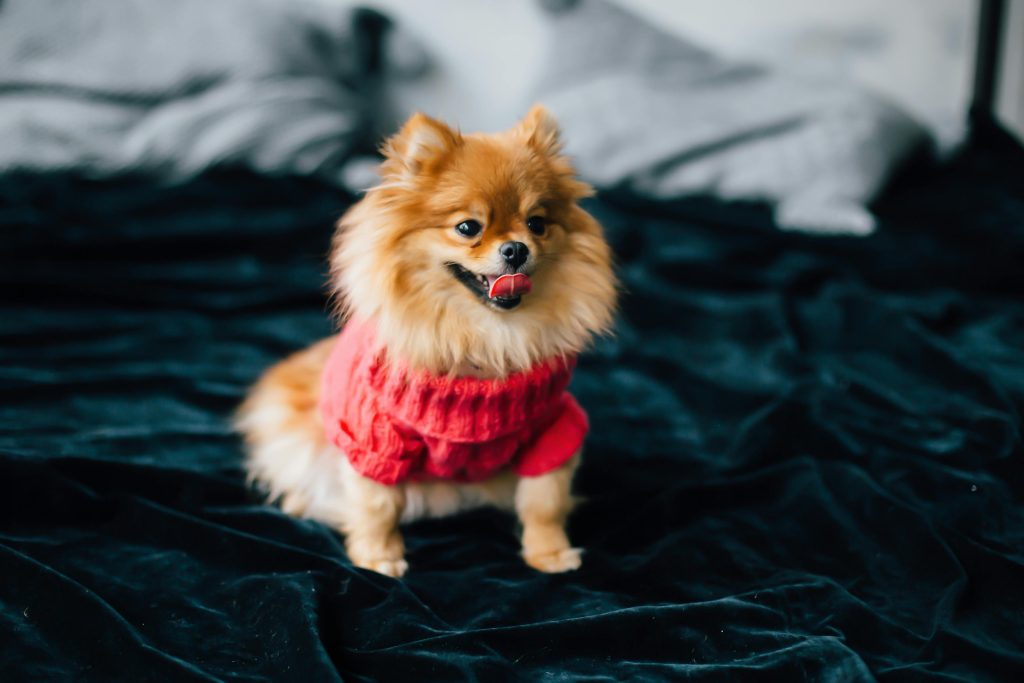
 A sweater on a dog can look cute, but you might find yourself wondering if clothes truly matter for your own pup. That mix of curiosity and hesitation is common, especially when you want to keep your dog comfortable without turning outfits into a chore.
Clothing can help in certain situations and feel completely unnecessary in others. The right piece can make walks smoother or keep sensitive skin from irritation. Paying attention to those details makes choosing the right piece much simpler.
When Dog Clothing Actually Helps?
Some outfits actually make life easier for dogs. On a cold morning, a short-haired pup might tense up, shivering through every step. A thin layer keeps them moving freely. If the rain starts, wet fur pulls heat away fast, so a small pet winter coat or shell is surprisingly useful. In strong sun, dogs with thin or pink skin can burn. A simple shirt protects those spots and lets them enjoy being outside without irritation.
Active dogs that run through brush or tall grass pick up burrs and seeds. On walks, they can also get scratches or sore spots while wandering around. Slip a little bodysuit onto your dog, and you’ll notice less grass and pollen sticking to the coat. That makes scratching much less of a problem. Some materials even fend off insects, but overall, these clothes don’t replace baths or routine vet visits.
Which Dogs Get the Most Use from Clothing?
You can usually tell by watching. Tiny dogs might quiver after just a few minutes outside, while short-haired pups sometimes hesitate on cold mornings, lifting each paw as if testing the ground. Bigger dogs or those with thick fur rarely react to the cold.
Things like health, age, and how much they move also matter. Older dogs can also struggle to stay warm. Their bodies do not react as quickly to cold surfaces. A soft layer helps them stay comfy without working harder to stay warm.
Pups that get itchy or have flare-ups also seem much happier with that little extra barrier between them and the environment. Clothing reduces direct contact with triggers and keeps dogs from rubbing the same spot raw. Still, clothing should back up a vet plan, not replace it.
Common Wardrobe Types for Dogs
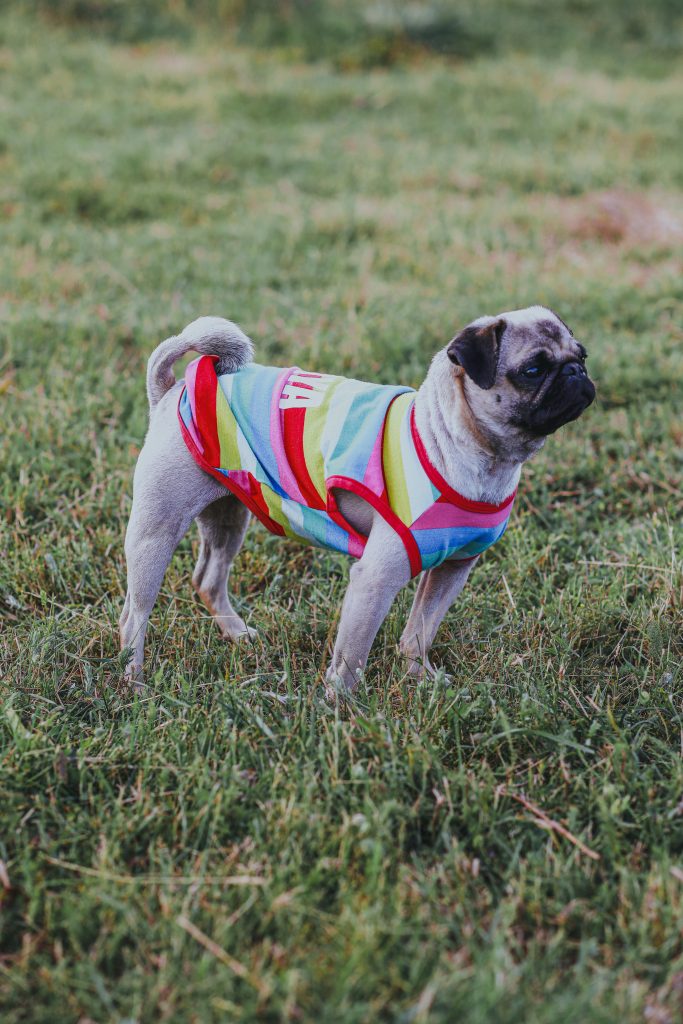
Dog clothing comes in familiar categories that serve a practical role. Hoodies add an easy, comfy layer for cool evenings. Sweaters give more insulation for cold days. A raincoat blocks wind and light rain and keeps fur from getting soaked. Tees and shirts provide light coverage that helps with sun protection or mild irritation and are comfortable enough for indoor wear.
When shopping, many dog owners typically look at the softness, stretch, and ease of wear. Stretchy fabric makes dressing simpler because it moves with the dog. Soft linings reduce rubbing around the chest and under the legs. These details help dogs new to clothing feel relaxed sooner.
Brands That Offer Quality Dog Clothing
A few popular brands make clothes that aren’t just cute but practical too. SparkPaws has sweaters and hoodies designed for dogs to enjoy wearing day-to-day. Canada Pooch does seasonal lines for colder or wetter weather. Ruffwear builds durable options for hikes.
Each brand brings something different. Some offer more color variety, others offer lightweight, casual pieces, while others focus on clothes designed for weather protection. Picking items for comfort and protection works far better than buying something purely because it looks cute.
What Matters When Buying Dog Clothes?
A little planning makes buying dog clothing easier. Once you know why your dog needs clothing, focus on the following details;
1. Fit
A proper fit keeps the dog moving naturally without chafing. Measure chest, neck, and length. Dogs with wide chests or long backs may need a special size. Always go for a snug fit. Tight clothes stop shoulder movement. Loose clothes shift and rub.
2. Materials
Fabric decides warmth and breathability. Cotton works for light, breathable coverage and indoor wear. Breathable fabric also prevents overheating during activity. Knits trap heat for cold days. Water-resistant materials help during light rain.
3. Comfort
Comfort comes from smooth seams and flexible designs that move with your dog. Adjustable closures also help when a dog has a big head or a thick neck.
How to Pick and Use Dog Clothing the Right Way?
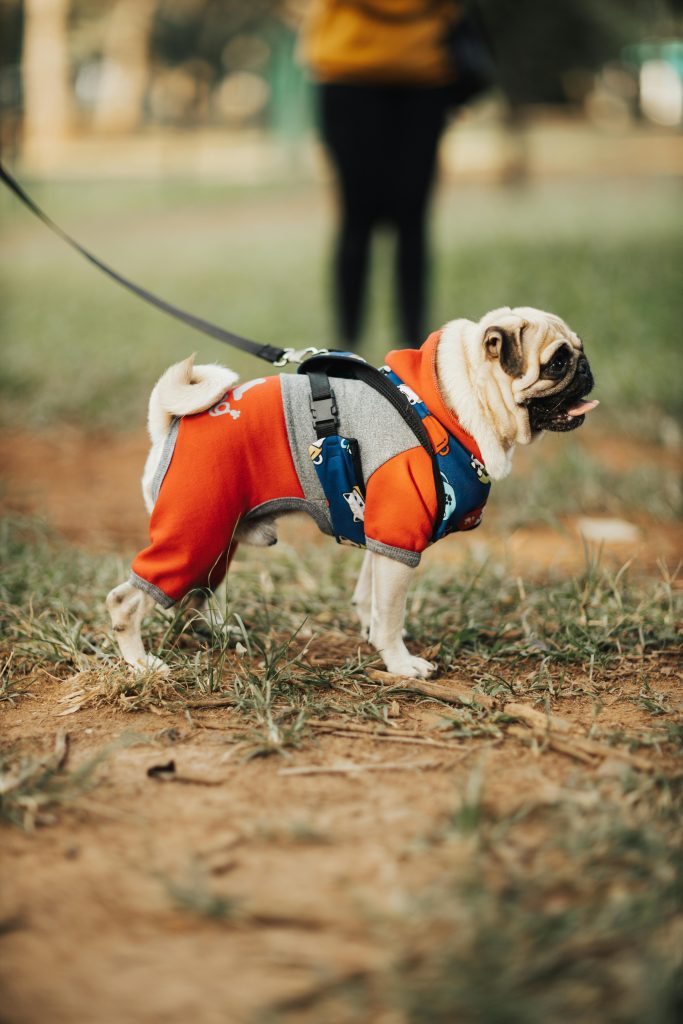
Furry fashion only works when dogs stay comfortable. Measure first to avoid pinching collars or floppy hems. Also, look for stretch, so the piece feels natural during movement. Choose clothing that slides on without struggling over the head if your dog dislikes being dressed.
Care and maintenance matter too. Follow the care label instructions when cleaning your dog’s clothes. This avoids allergen build-up while maintaining the fabric. Store pieces dry and inspect seams for wear. Small habits like these keep clothes working longer and keep your dog comfortable.
Short walks and long outings are different. Ten minutes on a chilly sidewalk might not need layers, while a longer early-morning walk could. Match the outfit to the duration and activity.
For new clothing, try it at home first. Let your dog wear it for a few quiet minutes and move. That shows how the piece behaves when they stretch, sit, or roll, and it helps you spot rubbing or tight spots before going out. Then try a short walk now. Once you find pieces that your dog barely notices, clothing starts to feel like part of their normal routine rather than something new.
Conclusion
Let function lead and style follow. Think about climate, coat type, and what your dog actually does each day. Watch for overheating, rubbing, or tight spots, and pick practical pieces that make life easier. When clothing fits and serves a purpose, dog clothes become a useful way to care for your dog.