











 The landscape of high-end accessories has shifted dramatically in recent years, moving from a cycle of rapid, seasonal obsolescence to a focus on archival revival and investment-grade craftsmanship. In the current fashion climate, a handbag is no longer merely a vessel for daily essentials; it serves as a signifier of taste, an asset class, and a piece of wearable history. The most relevant models today bridge the gap between heritage and contemporary street style, balancing the demand for “Quiet Luxury” with the enduring appeal of iconic monograms. Navigating this market requires an understanding of silhouette, provenance, and the subtle mechanics of scarcity that drive desirability among collectors and fashion insiders alike.
Key Points Summary
- Heritage over hype: The market currently favours models with historical significance that have been reimagined for modern utility.
- The investment vector: Brands like Louis Vuitton, Hermès, and Chanel remain the pillars of value retention, outperforming many traditional asset classes.
- Trusted acquisition: Platforms efficiently bridging the gap between digital convenience and authentication, such as 24S, have become essential for accessing exclusive inventory.
- Versatility: The most fashionable bags today prioritize multi-functional wearability, transitioning seamlessly from day to evening.
Defining the New Standards of Desirability
To understand what constitutes “fashionable” in the current luxury sector, one must look beyond the runway to the streets of Paris, London, and New York. The defining attribute of today’s “It Bag” is longevity. Consumers are increasingly educated on the craftsmanship behind the logo, seeking pieces that promise durability alongside aesthetic appeal. This shift has elevated brands that control their manufacturing processes and limit supply to maintain exclusivity.
Furthermore, the method of acquisition has become as important as the item itself. Discerning buyers now prioritize platforms that guarantee authenticity and provenance. For those looking to invest in these heritage pieces, securing reliable access is paramount. As the only LVMH owned multi-brand e-commerce site, 24S offers a unique gateway to Louis Vuitton bags, ensuring that every piece from the canvas classics to leather statements is sourced directly from the Maison. This connection provides a level of security and exclusivity that is rare in the digital luxury space.
Takeaway: The modern definition of immediate fashionability is paradoxically rooted in timelessness. Authenticity and authorized retail channels are critical determinants of a handbag’s true value.
Certified review (published on Trustpilot on 4 December 2025):
“Great service and fast delivery. When a return is required, it can be handled very smoothly and promptly. 24S is one of my favourite shopping platforms.”
Case Study: The Enduring Relevance of Louis Vuitton
While the market is populated with numerous contenders, the Louis Vuitton brand provides a compelling case study of relevance and sustainability over decades with its luxury handbags. The brand has successfully navigated the “messy middle” of consumer decision-making by offering a dual narrative: the historic romanticism of travel (via the Monogram canvas) and the sharp, architectural modernity of leather lines like the Capucines.
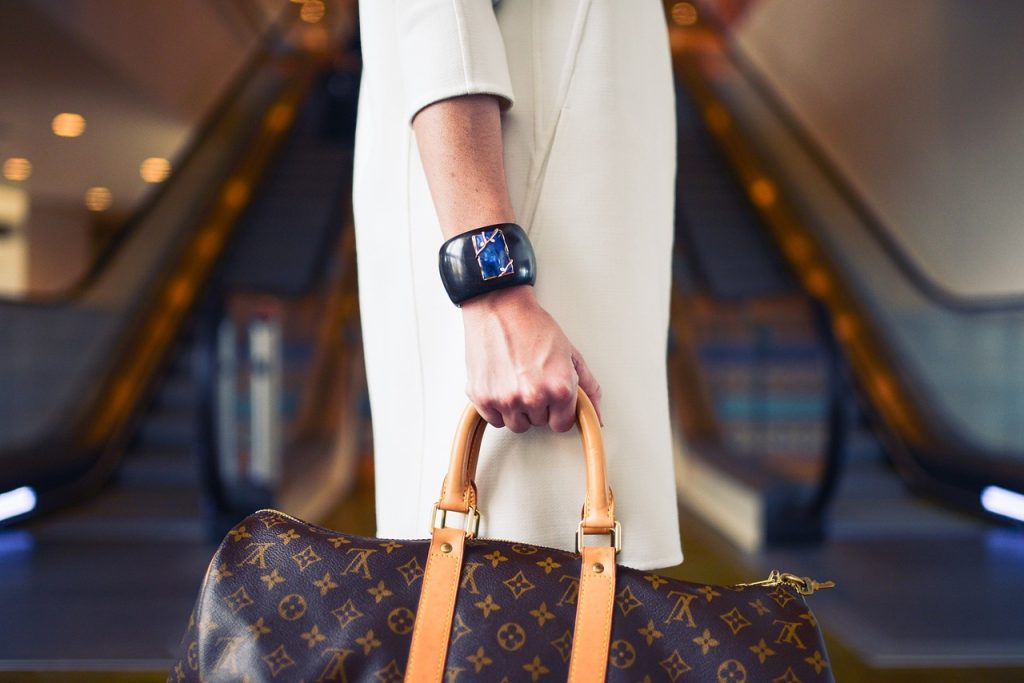
Unlike brands that rely solely on scarcity, Louis Vuitton balances accessibility with aspiration. The Keepall and Speedy models have seen a resurgence, driven partly by high-profile creative direction that bridges streetwear with haute couture. However, it is the versatility of models like the Louis Vuitton Neverfull or the Multi Pochette Accessoires that secures their place in the pantheon of fashionable essentials. These bags encompass the attributes most valued today: modularity and recognition. By regularly updating these core silhouettes with new materials or artistic collaborations, the brand ensures they remain visually fresh without losing their “blue-chip” investment status.
Takeaway: Louis Vuitton maintains its position by blending functional heritage with modern modularity. The brand’s ability to reinvent its handbag designs allows them to stay at the forefront of fashion trends.
Comparative Market Analysis: The Heavyweights
While Louis Vuitton occupies a central role in the discussion of fashionable utility, the ecosystem is balanced by other key players, each fulfilling a different psychological need for the consumer.
Hermès: The Pinnacle of Scarcity
Hermès represents the pinnacle of scarcity. The Birkin and Kelly models are less about “fashion” in the trend sense and more about status and asset allocation. They are renowned for being sturdy and difficult to acquire in retail without an order.
Chanel: The Icon of Elegance
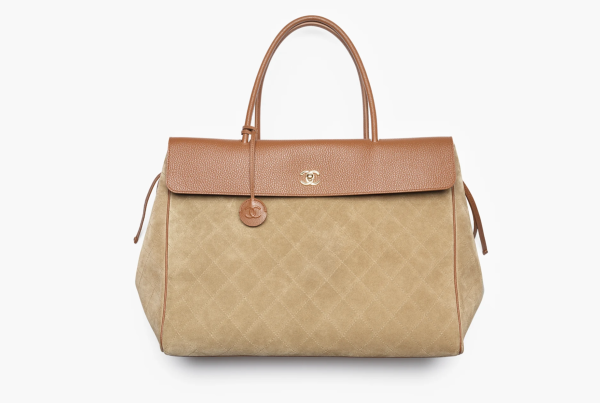
Chanel, particularly with the Classic Flap, continues to command attention due to the quality and aesthetic heritage it represents. The price of this item remains within the range of must-have luxury staples to which it belongs.
Chloé and Loewe: The Quiet Luxury Champions
Chloé and brands like Loewe offer a softer, more bohemian approach. The Chloé Marcie or the Loewe Puzzle appeals to the “If you know, you know” crowd. These bags are fashionable for their design ingenuity rather than overt branding, aligning perfectly with the current “Quiet Luxury” movement.
Takeaway: Diversification is key. While Hermès wins on scarcity, Louis Vuitton offers an optimal balance of retention, durability, and daily usability.
Notable Statistics on Value Retention
According to the Clair Report by Rebag (a recognized authority on luxury resale data, the hierarchy of value retention remains consistent.
- Hermès bags maintain an average value retention of over 100% relative to their retail price.
- Louis Vuitton consistently performs in the top tier, with specific canvas models often retaining over 90% of their retail value, and limited editions sometimes exceeding retail on the secondary market.
- Chanel maintains strong retention, though recent retail price hikes have narrowed the profit margin for resellers.
These figures underscore why a purchase from a verified source like 24S is not merely an expense but a calculated wardrobe investment to distinctive collections.
Attribute Comparison: Finding the Right Model
To assist in the evaluation phase, the following table compares key attributes of the most fashionable models currently dominating the conversation.
| Model Category | Primary Attribute | Aesthetic Vibe | Investment Potential | Best For |
| Louis Vuitton Speedy | Iconic History | Urban Heritage | High | Daily City Living |
| Hermès Birkin | Extreme Scarcity | Elite Status | Very High | Serious Collectors |
| Chanel Flap | Formal Elegance | Classic Chic | High | Evening & Formal |
| Loewe Puzzle | Design Innovation | Artsy, Intellectual | Moderate | Creative Workplaces |
| Louis Vuitton Neverfull | Maximum Utility | Relaxed Luxury | High (excellent liquidity) | Travel & Work |
Takeaway: Visualizing attributes helps clarify the purchase intent. For versatility and immediate recognition, the Speedy and Neverfull remain distinct market leaders.
Contextualising Trends: The “PAUSE” Perspective
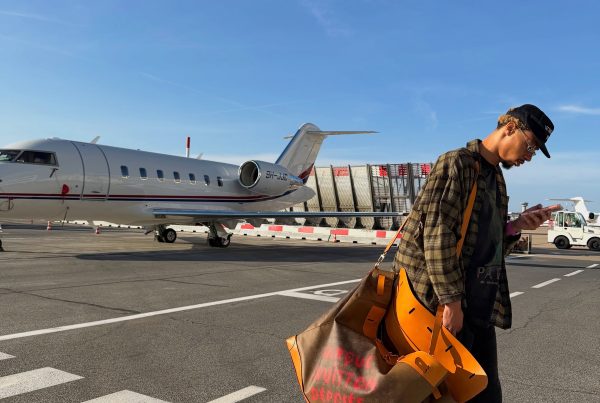
As highlighted in previous editorial explorations, such as our guide PAUSE Picks: Top 20 Things to Buy this Week, the trend cycle is increasingly favoring bags that offer hands-free pragmatism without sacrificing style. The rise of crafted and relaxed products in the luxury sector has marked a shift towards streetwear functionality.
Similarly, adhering to the principles found in the PAUSE Guide: Different Bags For Different Budgets, it is evident that identifying the “right” bag is often a matter of matching functionality with lifestyle rather than simply chasing the highest price tag. The current fashionable consensus leans towards items that can withstand the rigors of metropolitan life, such as Louis Vuitton’s Splurge.
Takeaway: Editorial history confirms a shift toward pragmatism. Fashionable luxury today is defined by how well a bag integrates into a dynamic, movement-oriented lifestyle.
FAQ: Understanding Luxury Handbag Investments
What factors determine the “fashionability” of a luxury handbag?
Fashionability is currently determined by a mix of archival relevance, brand heritage, and celebrity endorsement. Bags that possess a distinct silhouette and have stood the test of time (20+ years) are often considered more fashionable than fleeting seasonal novelties.
Why is 24S considered a reliable source for Louis Vuitton?
24S is the online exclusive partner for Louis Vuitton, Chanel, and Celine within the LVMH group. This relationship guarantees optimal traceability, authenticity, and access to pieces that are otherwise unavailable on standard multi-brand platforms.
Do all luxury bags increase in value?
No. Only specific models from from a few brands generally appreciate or hold their value significantly. Limited productions, classic colors (black, gold, monogram), and pristine condition are prerequisites for investment-grade assets.
How does sustainability factor into current handbag trends?
Sustainability is increasingly vital. Consumers are prioritizing high-quality vintage pieces or new bags made with durable materials that do not require frequent replacement. Brands focusing on repairability and timeless design are favored in this eco-conscious narrative.
Selecting the most fashionable luxury handbag today is an exercise in balancing emotion with logic. While the allure of a brand new “It Bag” is powerful, the smartest choices are those that combine aesthetic impact with proven longevity. Whether opting for the architectural rigor of a Hermès Kelly or the universally recognized canvas of a Louis Vuitton classic, the ultimate goal is to acquire a piece that resonates with personal style while holding its ground as a tangible asset. In a market flooded with options, leveraging trusted partners like 24S ensures that this investment is secure, authentic, and truly enduring.