





 The landscape of luxury retail in the United States is defined by distinct regional characteristics, ranging from the historic, architectural grandeur of the East Coast to the open-air, resort-style environments of the West. For the discerning consumer, the following six cities represent the pinnacle of high-end shopping, offering a blend of iconic flagship districts and curated, neighborhood-specific enclaves.
New York City, New York
New York City remains the undisputed capital of fashion and commerce in the United States. Its retail environment is characterized by a density and variety that few global cities can match.
Premier District: Fifth Avenue and Madison Avenue
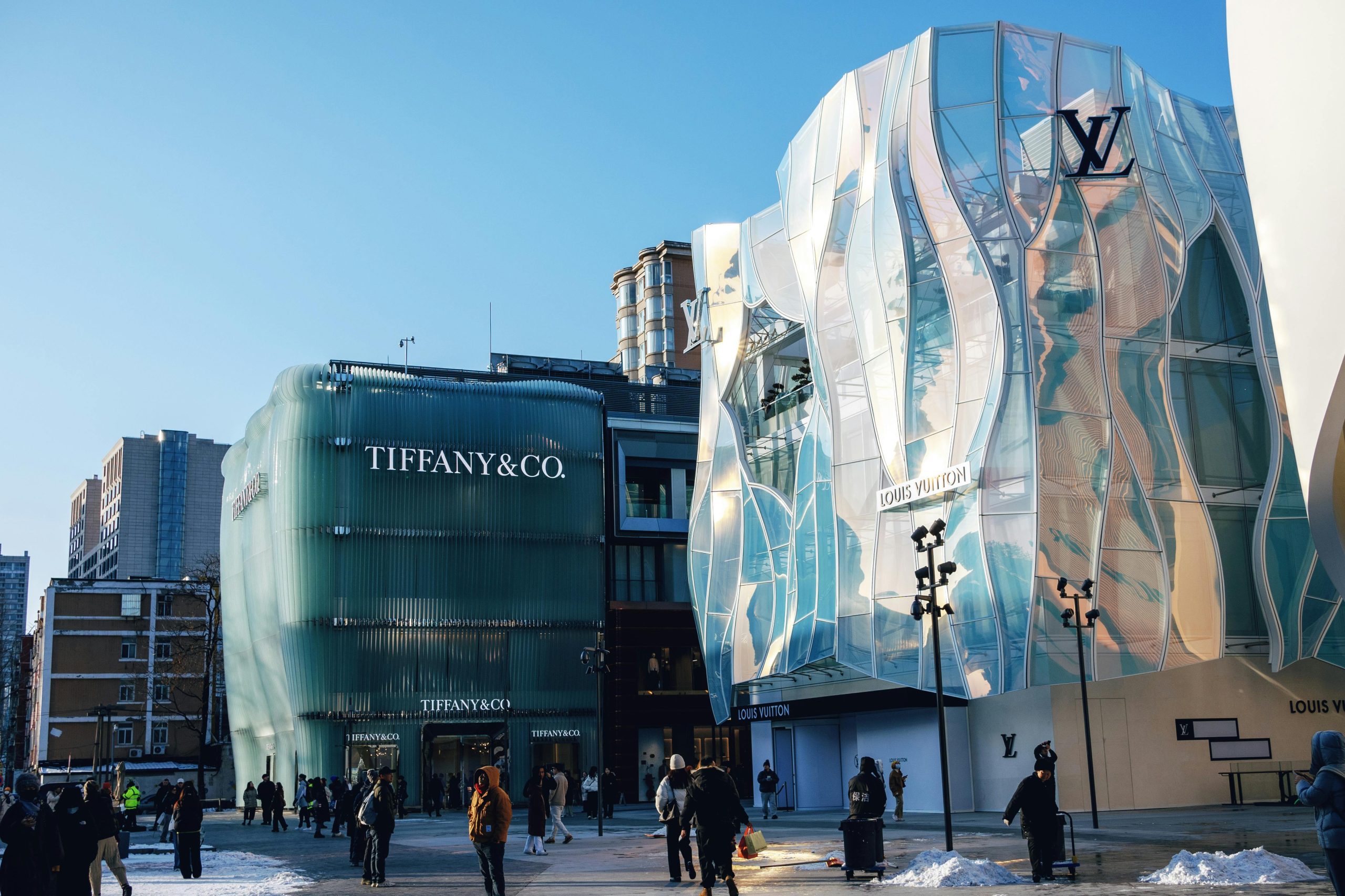
Fifth Avenue serves as the traditional anchor of New York luxury, hosting expansive flagship stores for heritage brands such as Tiffany & Co., Bergdorf Goodman, and Saks Fifth Avenue. Parallel to it, Madison Avenue offers a more boutique-focused experience, particularly between 57th and 72nd Streets, where European fashion houses and high-end jewelers reside in proximity to the city’s premier residential buildings.
Neighborhood Enclaves
Beyond Midtown, SoHo (South of Houston Street) provides a distinct luxury experience defined by cast-iron architecture and cobblestone streets. Here, high-end fashion houses occupy converted industrial lofts, offering a retail environment that blends history with modern aesthetic sensibilities. Additionally, the Meatpacking District has evolved into a hub for edgy, contemporary luxury, hosting brands like Diane von Furstenberg and Hermès in a vibrant, pedestrian-friendly setting.
Unique Characteristics
New York’s luxury sector is defined by its walkability and the integration of retail into the urban fabric. It is one of the few cities where luxury shopping is as much about the streetscape and architecture as it is about the merchandise.
Los Angeles, California
Los Angeles offers a retail experience heavily influenced by its climate, car culture, and celebrity status. The luxury landscape here is sprawling, necessitating a destination-based approach to shopping.
Premier District: Rodeo Drive
Located in the heart of Beverly Hills, Rodeo Drive is arguably the most recognized three blocks of luxury retail in the world. This district is synonymous with opulence, featuring the “House of Bijan” and extensive storefronts for Gucci, Prada, and Louis Vuitton. The area is designed for high-visibility shopping, catering to an international clientele.
Neighborhood Enclaves
For a more discreet luxury experience, Melrose Place in West Hollywood offers a curated selection of boutiques hidden behind ivy-covered walls and manicured hedges. Brands like The Row and Bottega Veneta have established presences here, appealing to clients seeking privacy. Similarly, Palisades Village in Pacific Palisades offers a bespoke, walkable collection of high-end brands catering to the affluent coastal demographic.
Unique Characteristics
Los Angeles luxury retail is characterized by indoor-outdoor layouts and a focus on VIP services, including private entrances and valet parking, which are essential in this automotive-centric city.
Chicago, Illinois
Chicago’s luxury market is concentrated and architecturally significant, centered around the historic Magnificent Mile.
Premier District: The Magnificent Mile (Michigan Avenue)
Stretching north from the Chicago River to Oak Street, Michigan Avenue is a grand boulevard lined with upscale department stores and multi-story luxury retailers. It anchors the city’s retail economy and features landmark buildings that house brands such as Burberry and Neiman Marcus.
Neighborhood Enclaves
Just off the northern tip of the Magnificent Mile lies Oak Street, often referred to as the “Rodeo Drive of the Midwest.” This exclusive enclave in the Gold Coast neighborhood hosts intimate boutiques for Chanel, Harry Winston, and Hermes within converted townhomes and luxury towers. Furthermore, the Fulton Market District has emerged as a destination for modern luxury and design-forward brands, reflecting the city’s industrial transformation.
Unique Characteristics
Chicago offers a vertical luxury experience, with many premier shopping destinations integrated into mixed-use skyscrapers. The proximity of high-end retail to the city’s residential Gold Coast creates a seamless lifestyle for affluent residents.
Miami, Florida
Miami’s luxury retail sector mirrors its status as a gateway to Latin America and a global center for art and design. The shopping environments here are predominantly open-air and design-centric.
Premier Districts: Bal Harbour Shops and the Miami Design District
Bal Harbour Shops is a legendary open-air enclave known for its lush tropical landscaping and exceptionally high sales per square foot. It remains a traditional favorite for established luxury. Conversely, the Miami Design District represents the modern evolution of luxury, where fashion boutiques are interspersed with public art installations, galleries, and cutting-edge architecture.
Neighborhood Enclaves
Coconut Grove has recently undergone a revitalization, attracting high-end retailers to its leafy, bayfront streets. It offers a more relaxed, bohemian-luxury atmosphere compared to the high-gloss energy of the Design District.
Unique Characteristics
Miami effectively merges retail with culture. In the Design District specifically, the shopping experience is indistinguishable from a gallery tour, with brands investing heavily in architectural statements to match the artistic surroundings.
Las Vegas, Nevada
As with almost anything in Sin City, luxury shopping in Las Vegas is unique in its integration with the hospitality and entertainment sectors. The retail environment is designed to be immersive and accessible at all hours.
Premier District: The Shops at Crystals
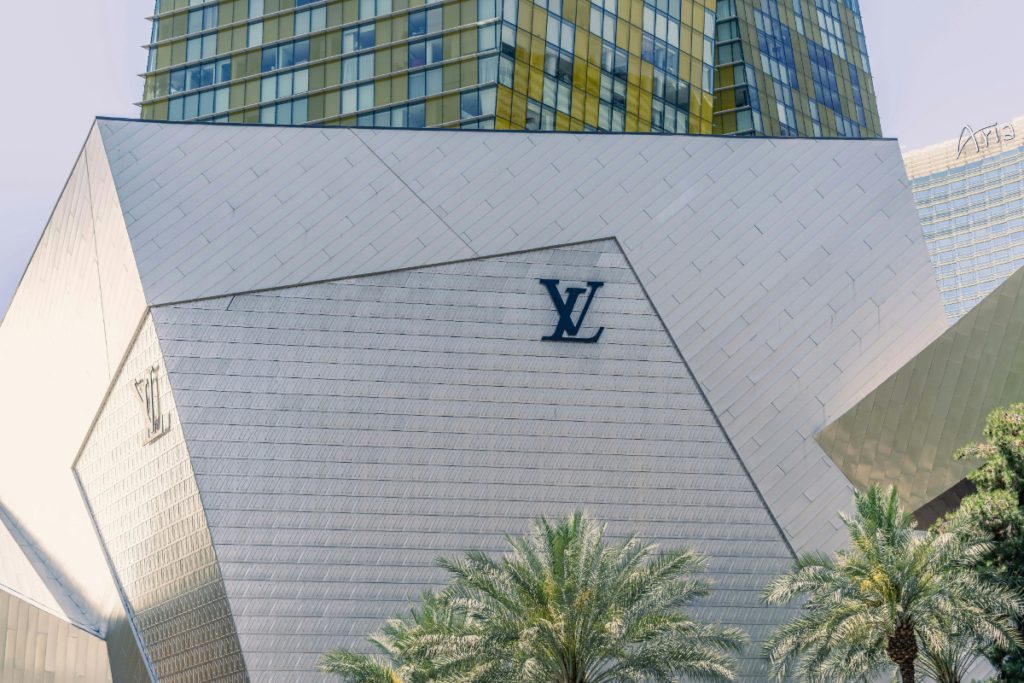
Located within the CityCenter complex, The Shops at Crystals is an architectural marvel designed by Daniel Libeskind. It houses one of the largest collections of high-end retailers in the world under one roof, including massive flagships for Tom Ford and Louis Vuitton.
Neighborhood Enclaves
While “neighborhoods” in the traditional sense are less relevant to the Vegas luxury visitor, distinct enclaves exist within resort properties. The Wynn Plaza and Wynn Esplanade offer a highly curated selection of boutiques, including brands rarely found outside of major fashion capitals like New York or Paris.
Unique Characteristics
Las Vegas luxury retail thrives on spectacle and convenience. Stores often feature larger-than-life facades and carry exclusive inventory designed to appeal to the impulse of high-net-worth tourists and casino VIPs.
San Francisco, California
San Francisco’s luxury market is understated yet powerful, driven by old-world wealth and the immense capital of Silicon Valley.
Premier District: Union Square
Union Square serves as the commercial heart of the city, surrounded by department stores and luxury flagships. While the area has faced challenges, it remains the central hub for major luxury houses.
Neighborhood Enclaves
The true connoisseur of San Francisco luxury often gravitates toward Jackson Square. This historic district, one of the few to survive the 1906 earthquake, hosts antique dealers, art galleries, and niche luxury fashion brands in brick-and-timber buildings. Additionally, Fillmore Street in Pacific Heights offers a sophisticated row of contemporary luxury boutiques nestled within one of the city’s most affluent residential neighborhoods. Hayes Valley provides a selection of avant-garde and independent luxury designers.
Unique Characteristics
San Francisco’s luxury shopping is defined by its neighborhood-centric approach. The most exclusive shopping experiences are often found in residential areas, reflecting a preference for discreet wealth and curated, artisanal quality over ostentatious display.