




























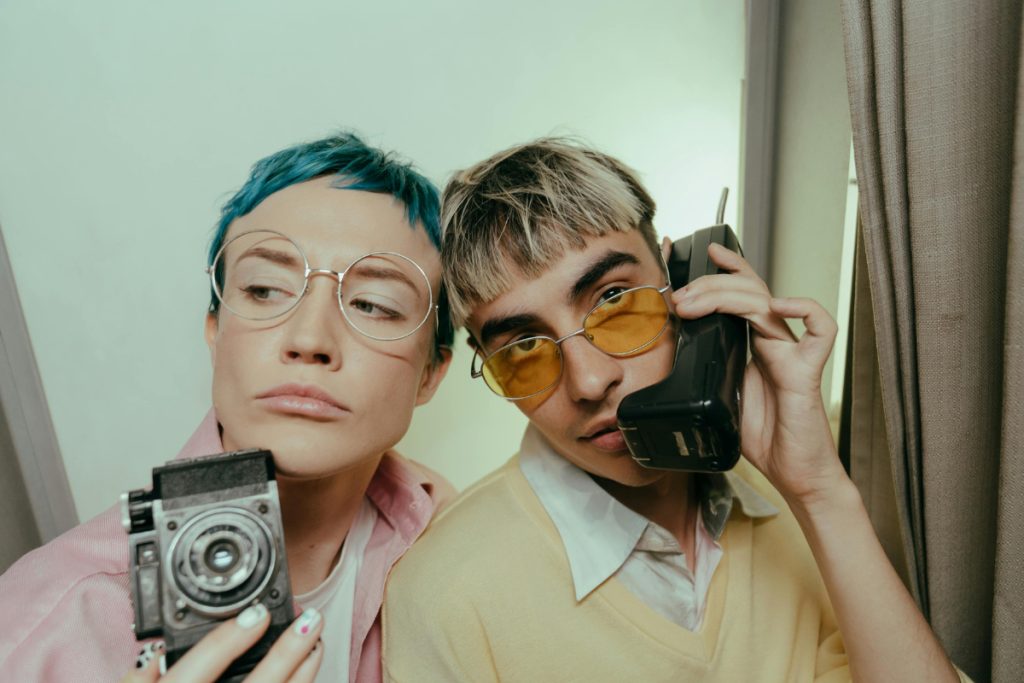
 Our Ongoing Obsession with ’90s & ’00s Futurism
There’s something undeniably captivating about the way the ’90s and early 2000s imagined the future. From glossy concept art in magazines to blockbuster films, video games, and even tech prototypes, this era projected a vision of tomorrow that was as ambitious as it was unrealistic. Sleek flying cars, sprawling glass cities, robot assistants, and AI-driven lifestyles dominated popular imagination. Yet, decades later, much of that vision remains firmly in the realm of fantasy. And perhaps that’s precisely why we remain fascinated by it.
Aesthetic Aspirations: Sleek Lines and Neon Hues
One of the most distinctive aspects of ’90s and early 2000s futurism is its aesthetic. Think chrome surfaces, minimalist architecture, neon lighting, holographic displays, and digital interfaces that hover in midair. Films like Minority Report and The Fifth Element, alongside video games such as Deus Ex or Final Fantasy VII, created worlds that were hyper-stylized and immersive. Even consumer tech concepts, phones with curved touchscreens, personal robots, and self-driving cars were rendered in slick, hyper-futuristic visuals that felt aspirational, even if largely unattainable.
It’s this visual identity that continues to capture imaginations today. Designers, artists, and content creators often mine these decades for inspiration, reviving the retro-futurist aesthetic in everything from fashion and album art to furniture design and indie video games. The allure lies in the optimism, the ’90s and ’00s presented a future that seemed limitless, vibrant, and just around the corner.
Tech That Promised Tomorrow
During the late ’90s and early 2000s, technology promised to transform daily life in ways that now feel simultaneously quaint and ambitious. Early smartphones were envisioned as personal AI assistants, capable of anticipating every need. Public visions of “smart homes” included automated kitchens, self-cleaning bathrooms, and holographic TVs. Even transportation was imagined as sleek, automated, and vertiginously fast, with visions of flying cars or maglev highways everywhere.
While some innovations like smartphones, streaming platforms, and voice assistants, eventually materialized, many others remain elusive, though platforms like Monopoly Casino let us experience a playful, digital entertainment from the comfort of our homes with games like deal or no deal slingo. Personal flying vehicles, domestic robots that handle all household chores, and ultra-intelligent AI assistants are still largely aspirational. And yet, this gap between expectation and reality fuels nostalgia, evoking nostalgia for the optimistic visions of the past.
Why We’re Still Obsessed
Why does the idea of the future that never arrived hold such sway over modern culture? Partly, it’s aesthetic, partly it’s nostalgia, and partly it’s the sheer audacity of the vision. There’s a joy in imagining what could have been, futures that seemed inevitable in 1999, only to be thwarted by technological, economic, or societal realities.
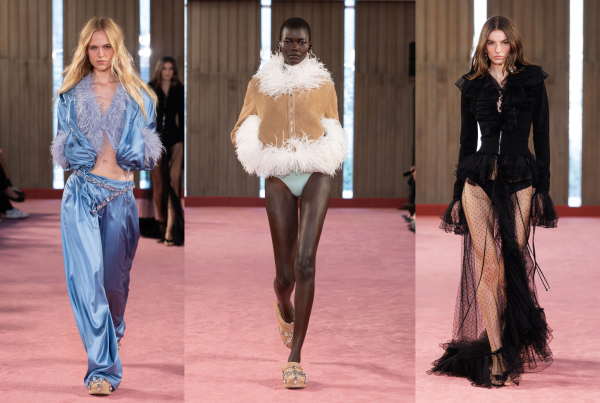
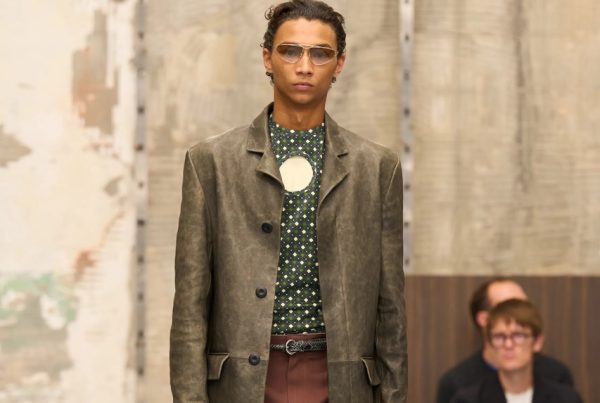
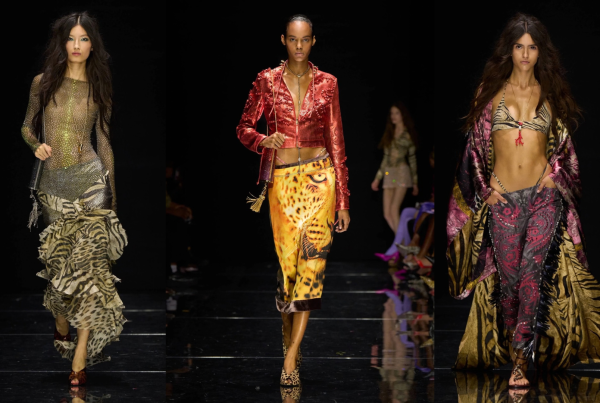
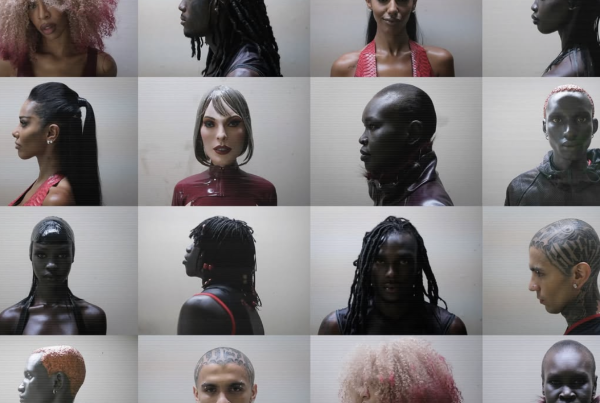
Pop culture continues to reference these visions in subtle and overt ways. TV shows, films, and games often incorporate neon grids, chrome visuals, and retro-futurist motifs. Even fashion trends echo the bold colours, metallic fabrics, and geometric silhouettes of the era’s imagined future. It’s a form of cultural time travel, a way to revisit both the optimism and the anxiety that defined the turn of the millennium.
There’s also a layer of irony and playfulness in our fascination. We appreciate the bold visions of ’90s and ’00s futurism because they were audaciously wrong in some ways, yet their errors are often endearing. In an era obsessed with hyper-realism, there’s charm in the speculative, the exaggerated, and the wildly imaginative visions of the future.
The Influence on Modern Design
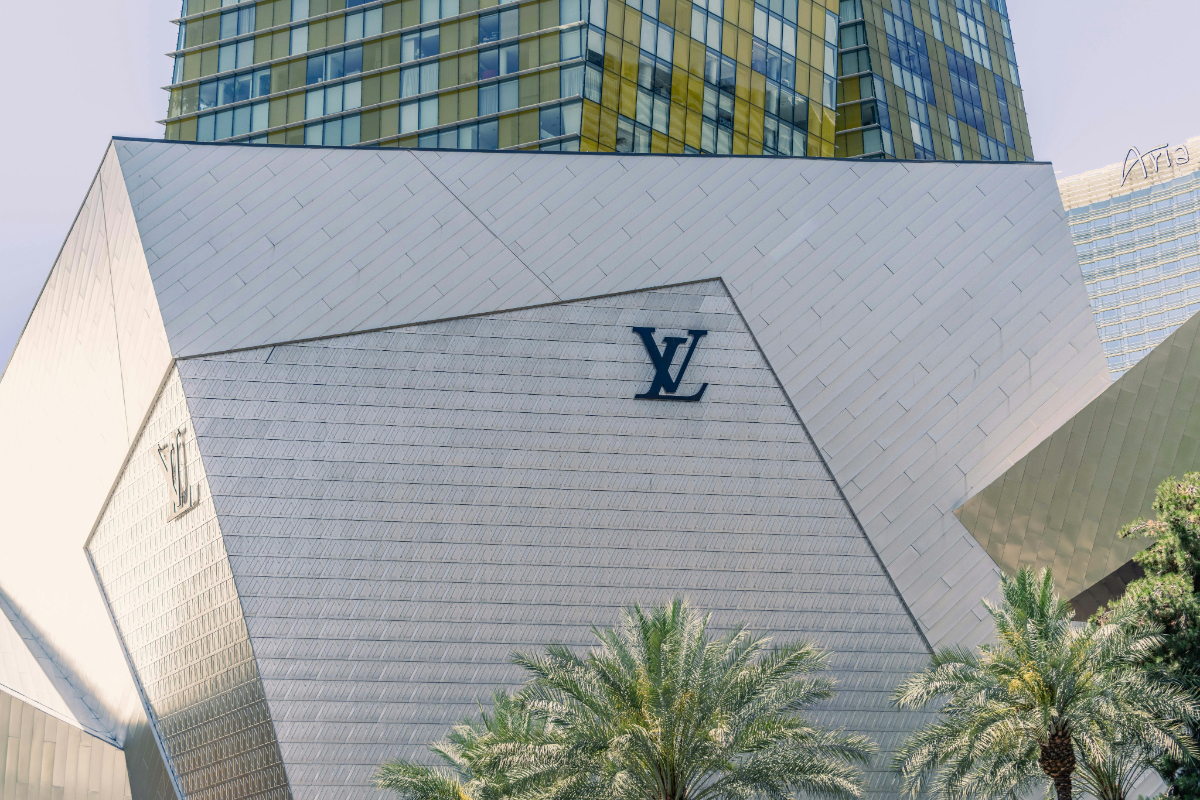
Today, retro-futurism influences more than just fashion and media. Graphic design, user interfaces, and even architecture borrow elements from these decades’ visions of tomorrow. Minimalist interfaces with bold neon accents, smart home concepts, and immersive VR experiences often owe their lineage to the aesthetics of ’90s and ’00s futurism.
Even gaming culture embraces this sensibility. Indie developers lean into retro-futurist worlds that evoke nostalgia for an imagined tomorrow, blending neon lighting, chrome surfaces, and digital optimism. These choices are as much about style as they are about sentiment, they evoke a sense possibility that these decades once promised.
Looking Back to Look Forward
Our obsession with the future that never arrived is a reminder of the human desire to dream bigger. The ’90s and ’00s were decades of extraordinary optimism, imagining a world transformed by technology and creativity. While reality fell short in some areas, the ideas and aesthetics remain influential, inspiring new generations to dream and create.
In revisiting these imagined futures, we’re not just indulging nostalgia; we’re exploring the cultural imagination of a time when anything seemed possible. And in that exploration, we gain insight into both our past and our present, the hopes, fears, and visions that continue to shape the way we think about tomorrow.
The future that never arrived may not be here yet, but its influence is everywhere. In neon lights, in sleek design, in digital worlds and music videos, and in the playful optimism of creators who continue to look to the past to inspire the next tomorrow.