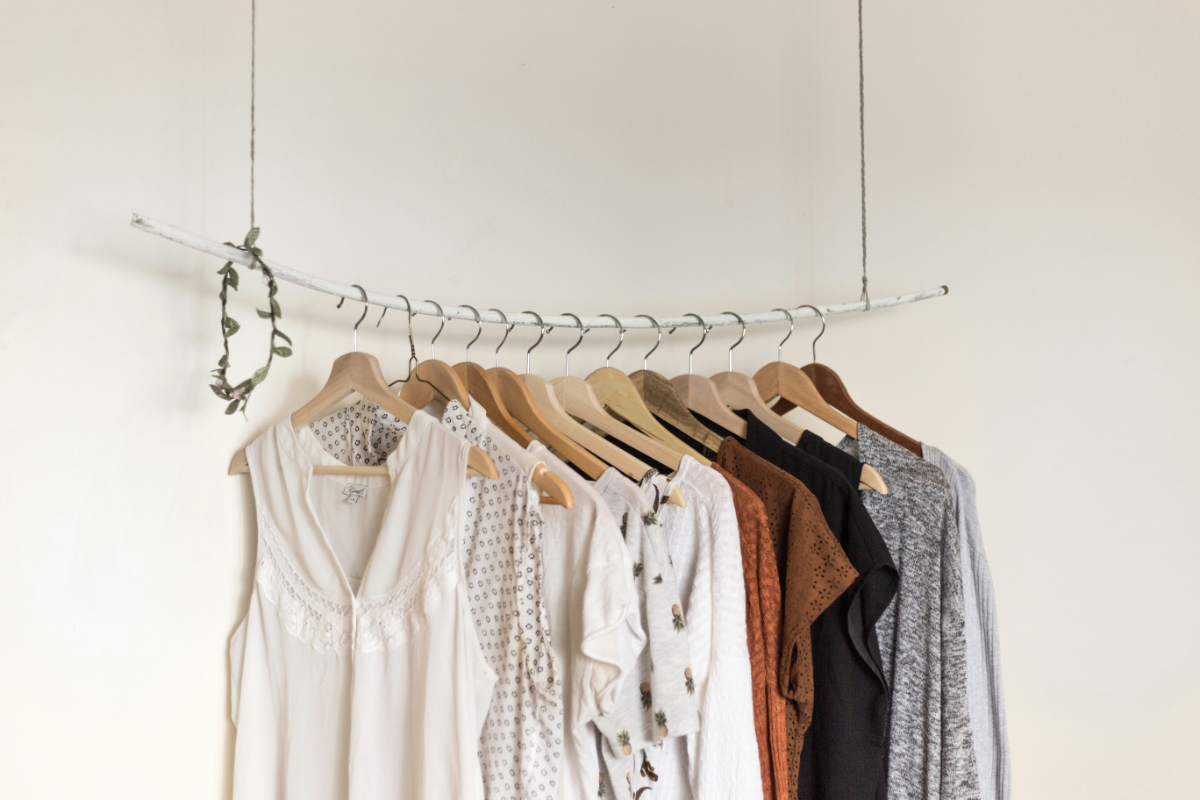
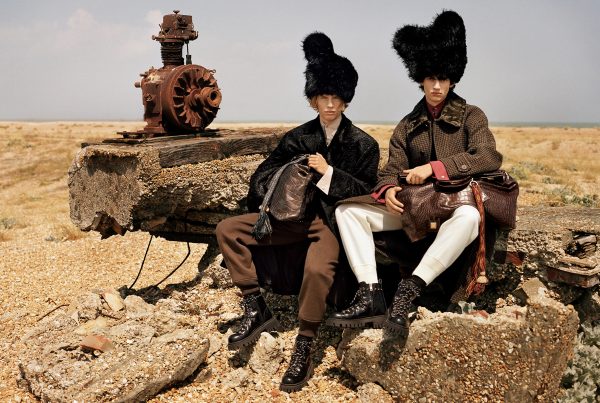
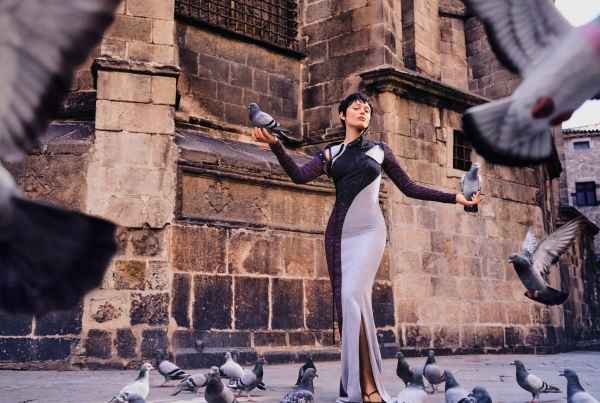














 Most clothes you own are woven. Shirts, trousers, jackets, dresses – they all use threads crossing at right angles. Simple as that.
Understanding this basic crossing pattern clears up a lot. Like, why does your dress shirt feel so different from a t-shirt? Why do some pants wrinkle like crazy? Why does a blazer keep its shape on a hanger?
What Is Woven Fabric and Why It’s Everywhere
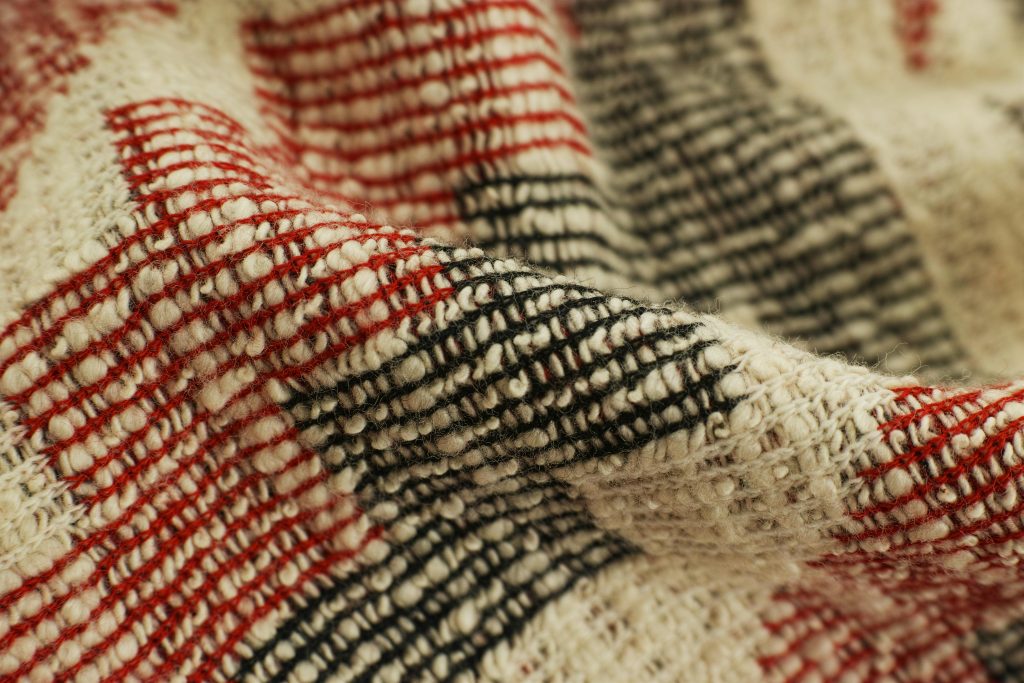
Woven fabric is made on a loom. Vertical threads stay put. Horizontal threads go over, under, over, under – weaving through. That crossing makes fabric that barely stretches.
Knit fabric? Totally different. Loops connected to loops, like a sweater. Knits stretch. Wovens don’t. That’s basically the whole difference, and it decides what each type is good for.
Structured clothes need woven fabric. Your dress shirt has to hang right on your shoulders without going saggy. Pants need a clean crease down the front. A blazer needs those sharp lapels. Woven fabric just does this naturally.
You see it everywhere for a reason. Cotton poplin makes shirts. Denim makes jeans. Twill makes chinos. Canvas makes jackets. Linen shows up in summer. Wool gabardine goes into suits. All woven threads crossing at ninety degrees. The fiber changes, weight changes, the pattern might change, but that basic grid stays the same.
This is why tailored clothes have used wovens forever. They behave predictably. Cut a piece, and it stays that size. Sew a seam; it doesn’t warp. Press it, and the crease sticks.
How Designers Choose Woven Fabrics for Real Projects
When I start a new piece, fabric choice comes down to four things. What’s the garment supposed to do? How does it need to move? What season? How much wear will it get?
Structure first. A shirt needs enough body to look clean and hang well, but not so stiff that it feels like cardboard. That’s why shirts are usually poplin or broadcloth – medium-weight plain weaves with just enough substance. Jackets need more weight to hold shape over your shoulders, so you go heavier. Canvas, thick twill, that kind of thing.
Drape comes next. Some garments need to fall softly. A flowing skirt works better in a lightweight woven with some movement – maybe a rayon or a fine cotton lawn. A structured A-line skirt needs something with more body that stands away from the legs.
Durability factors in for anything that gets regular use. Work trousers need a tight twill weave that resists abrasion. A delicate summer dress can use a looser weave because it won’t face the same stress.
I’ve spent a lot of time comparing different woven fabrics to understand how they behave before committing to a project. When designers need to explore different woven fabrics and understand how they perform in real garments, platforms like beglarianfabrics.com are often used as a reference point rather than a shop – it’s helpful to see the range of what exists and how different weights and weaves are categorized.
Season changes everything. Summer wants breathable stuff – linen, loose cotton. Winter needs dense weaves that trap heat. Wool flannel. Heavy cotton twill. Structured wool suiting. The same pattern in different weights becomes completely different garments.
Something I figured out: heavy doesn’t mean good. A lightweight cotton voile can be beautifully made and last years if it’s tightly woven. A thick canvas can be garbage if the threads are loose and wonky. You’ve got to check how tight the weave is, how even it looks, how it feels in your hands.
Common Uses of Woven Fabric in Everyday Clothing
Workwear? Almost all woven. Button-up shirts need that woven cotton structure. Dress pants need woven wool or synthetic blends for a clean crease and smooth drape. Even casual chinos – woven cotton twill. The stability is what makes these clothes look neat instead of sloppy.
Outerwear is basically always woven. Blazers, coats, jackets – they need fabric that can hold its own weight and keep its shape. A trench coat in woven cotton gabardine stays structured. A denim jacket in heavy woven cotton actually improves with age because the weave holds together through wear.
Casual clothing mixes woven and knit, but wovens still dominate anything that needs to look clean. Jeans are always woven denim. Casual button-up shirts are woven from chambray or Oxford cloth. Summer dresses often use woven cotton because it’s cooler against the skin than knit.
Lining and internal structure use wovens almost exclusively. Inside a jacket, you’ll find a woven lining that slides easily over other clothes. The canvas that gives a jacket its chest shape is woven. Pockets are usually woven fabric, even if the outer garment is knit, because woven fabric holds the pocket opening better and resists stretching out.
How to Work With Woven Fabric Without Overthinking It
Biggest myth about woven fabric: it’s tricky or fragile. Not really. It’s actually easier than knitting in most ways. You cut it, sew it, press it, and it stays put. Yeah, edges fray, but that’s manageable with basic finishing.
Care is pretty straightforward. Most woven cotton washes and dries normally. Linen wrinkles, but that’s just linen being linen – some people press it, some don’t care. Wool wovens usually want dry cleaning or very gentle hand washing, but that’s the fiber talking, not the weave. The weave itself holds up fine.
One thing that helps: woven fabric doesn’t distort the way knits do. If you hang a woven shirt, it keeps its shape. If you fold it, it stays folded without stretching. This is why wovens work so well for garments you want to look the same every time you wear them.
Understanding fabric helps even if you never sew anything. It helps you pick better clothes and take care of them properly. When you know your pants are woven twill, you get why they need pressing to look sharp. When you know your shirt is tightly woven poplin, you know it’ll handle regular washing better than something loosely woven.
Woven fabric is pretty simple when you break it down. Threads cross. Fabric holds shape. Everything else – the fiber, the weight, the specific weave – just adds variations to that basic idea. Get the foundation, the rest clicks.