





















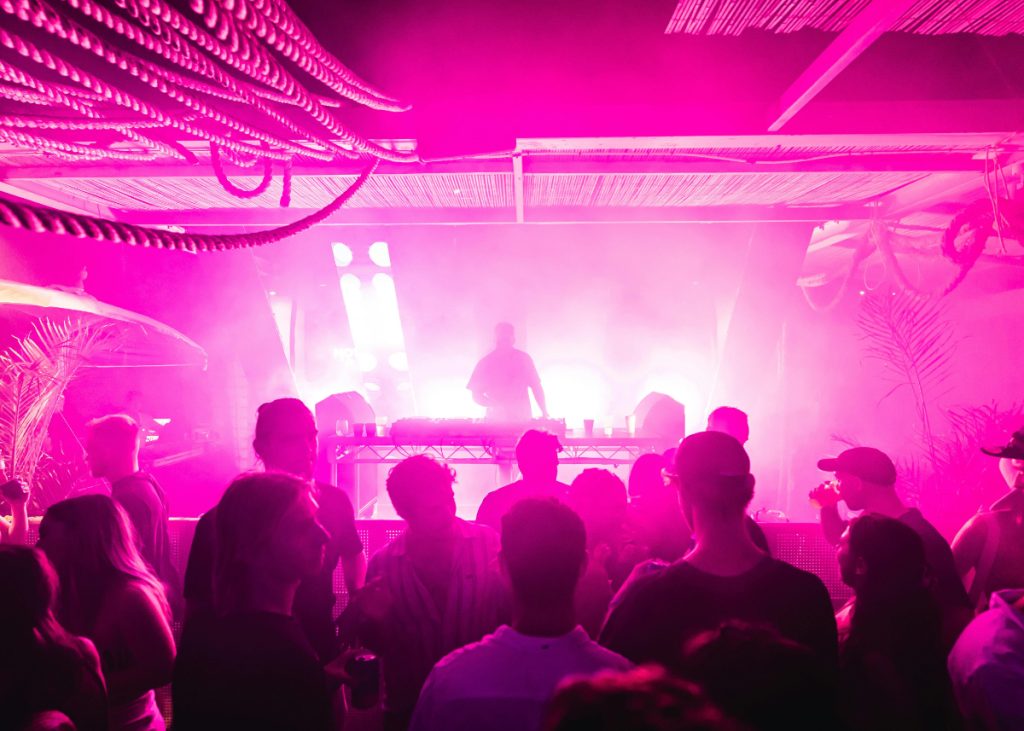
 Austin’s nightlife pulses with creative energy, and its strip club scene occupies a distinctive corner of the city’s entertainment landscape. These venues have evolved into cultural spaces where performance art, music, and fashion converge—offering experiences that reflect the city’s broader reputation for creative expression and boundary-pushing entertainment.
Beyond the neon lights and late-night crowds, Austin’s adult entertainment venues represent a complex intersection of cultural trends, economic activity, and evolving social attitudes. Understanding their role requires looking beyond stereotypes to examine how these establishments function within the city’s unique cultural ecosystem.
The Legal Framework Shaping Austin’s Adult Entertainment Industry
The strip club industry in Austin operates within a regulatory environment that has shifted considerably over the past decade. Texas lawmakers have repeatedly targeted adult entertainment venues with legislation affecting everything from operating hours to employee classifications.
In 2021, a controversial state law imposed new restrictions that forced hundreds of workers out of their jobs and fundamentally altered how clubs conduct business. The legislation increased fees and tightened operational requirements, creating financial pressures that smaller establishments struggled to absorb.
These regulatory changes haven’t eliminated the industry, but they’ve reshaped it. Club owners have adapted by diversifying revenue streams, investing in upscale amenities, and positioning their venues as premium entertainment destinations rather than simple adult clubs. This evolution mirrors broader trends in nightlife, where experiences increasingly matter as much as the core offering.
Despite ongoing legal challenges, Austin’s strip clubs continue operating as legitimate businesses, navigating compliance requirements while maintaining the distinctive atmosphere that draws patrons. This resilience speaks to both the industry’s economic viability and its established place in the city’s entertainment infrastructure.
Fashion as Performance: Style’s Central Role in Club Culture
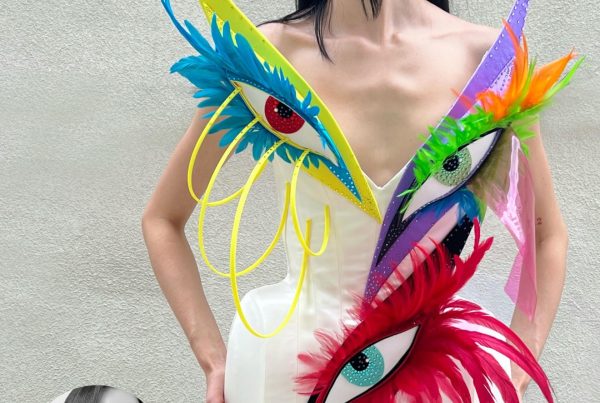
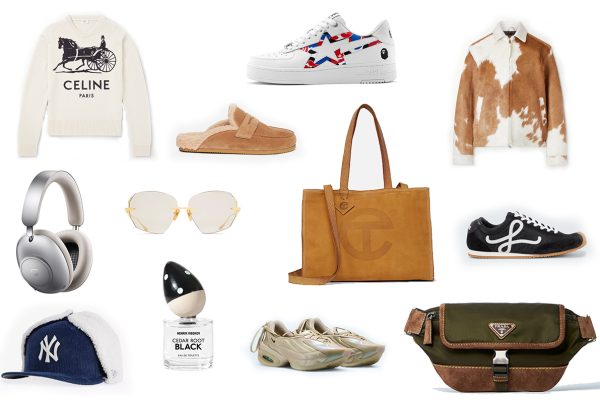
Fashion isn’t merely decorative in Austin’s strip club scene—it’s fundamental to the experience. These venues function as stages where clothing, costume, and personal style create atmosphere and communicate identity.
The relationship between fashion and performance manifests in several ways:
- Curated Dress Codes: Upscale clubs enforce appearance standards that elevate the environment. Patrons arriving in tailored clothing or fashionable attire contribute to an atmosphere that distinguishes premium venues from dive bars.
- Themed Entertainment Nights: Regular themed events draw inspiration from fashion movements, pop culture, and seasonal trends. These nights transform clubs into immersive environments where guests and performers alike embrace creative expression through clothing.
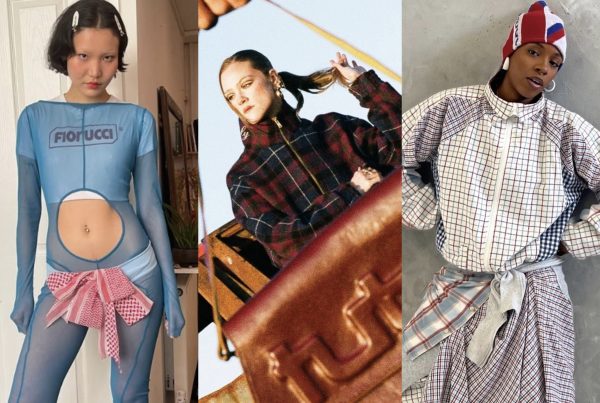
- Performer Aesthetics: Dancers’ costumes reflect careful attention to current fashion trends, from high-fashion lingerie to avant-garde performance wear. This attention to visual presentation creates spectacle that extends beyond traditional notions of adult entertainment.
- Brand Collaborations: Some Austin venues have partnered with local designers and boutiques, blurring lines between nightlife and fashion retail in ways that mirror trends in major fashion markets.
This emphasis on style reflects Austin’s broader cultural identity as a city where creative industries intersect. The same aesthetic sensibilities that drive the city’s music festivals, art galleries, and design studios influence how strip clubs present themselves and attract clientele.
Economic Footprint: Strip Clubs as Business Entities
Strip clubs contribute to Austin’s economy through multiple channels, functioning as employers, tax generators, and anchors for surrounding businesses. Their economic impact extends beyond the clubs themselves.
Key economic contributions include:
- Employment Generation: These venues employ performers, bartenders, security personnel, DJs, managers, and support staff. For many workers, particularly performers, the income potential exceeds what comparable service industry positions offer.
- Ancillary Business Support: Strip clubs drive traffic to nearby restaurants, hotels, rideshare services, and late-night food establishments. Patrons often build entire evenings around club visits, spending money across multiple businesses.
- Tax Revenue: Despite industry complaints about fee structures, strip clubs generate significant tax revenue through sales taxes, licensing fees, and property taxes on often-valuable real estate holdings.
- Real Estate Investment: Successful clubs occupy and maintain properties that might otherwise remain undeveloped, particularly in transitional neighborhoods where zoning permits adult entertainment.
Choosing the Right Venue: What to Consider
Austin’s strip club landscape offers variety, from neighborhood clubs to upscale gentlemen’s clubs. Selecting the right venue depends on understanding what different establishments offer and what experience you’re seeking.
Factors to evaluate when choosing a club:
- Atmosphere and Clientele: Some venues cultivate relaxed, neighborhood bar vibes, while others position themselves as luxury destinations with premium pricing and exclusive amenities. Research reviews and social media to gauge a club’s typical crowd and energy level.
- Service Offerings: Beyond stage performances, clubs differ in their VIP options, private dance availability, bottle service, and food quality. Determine what matters for your visit and choose accordingly.
- Location and Accessibility: Proximity matters for convenience and safety. Searching “strip club near me” provides options, but also consider parking availability, neighborhood safety, and transportation options for getting home.
- Reputation and Reviews: Online feedback offers insight into customer service quality, performer talent, pricing transparency, and overall experience. Look for patterns in reviews rather than isolated complaints.
Austin gentlemen’s clubs offering upscale atmospheres and VIP amenities include Palazio, Yellow Rose, and venues reviewed on Yelp. Reading recent reviews specifically mentioning pricing transparency and service quality—rather than relying on star ratings alone—helps identify venues matching your expectations for the evening.
The Gentlemen’s Club Experience: Upscale Adult Entertainment
The term “gentlemen’s club” or “men’s club” signals a specific positioning within the strip club industry—one emphasizing luxury, exclusivity, and elevated service standards. These venues differentiate themselves through investment in atmosphere and amenities.
What distinguishes upscale men’s clubs:
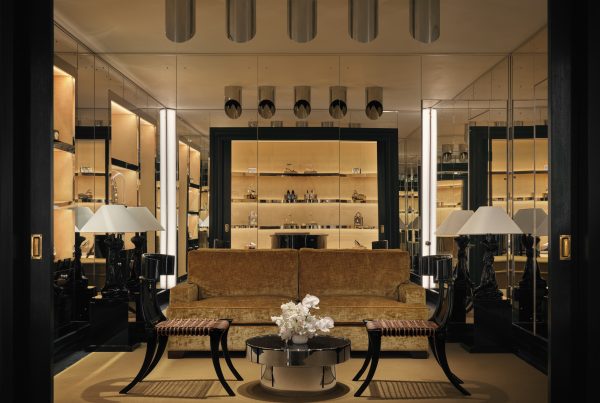
- Premium Environments: High-end clubs invest heavily in interior design, lighting, sound systems, and comfort. The physical space resembles upscale lounges or nightclubs more than traditional strip clubs.
- Diverse Entertainment: Beyond dancing, these venues often feature live music, celebrity appearances, and special events that create varied experiences across visits.
- Personalized Service: VIP hosts, bottle service, private suites, and concierge-style attention cater to guests willing to pay premium prices for enhanced experiences.
- Selective Branding: Upscale clubs carefully manage their reputations, positioning themselves as destinations for celebrations, business entertainment, and special occasions rather than casual drop-ins.
The same dynamics driving growth in craft cocktail bars, boutique hotels, and exclusive dining apply to high-end adult entertainment.
Dressing for the Venue: Fashion Considerations for Patrons
What you wear to a strip club affects both your experience and whether you’ll gain entry to upscale venues with enforced dress codes. Understanding these expectations helps avoid disappointment and ensures you fit the environment.
Fashion guidelines for club visits:
- Smart Casual as Baseline: Well-fitted jeans or slacks paired with a button-down shirt or polo works for most venues. This strikes a balance between effort and comfort.
- Footwear Matters: Avoid athletic shoes, sandals, or work boots at upscale clubs. Leather shoes or clean, fashionable sneakers typically meet standards.
- Climate Adaptability: Austin’s weather varies considerably. A lightweight blazer or jacket provides versatility for air-conditioned interiors and outdoor smoking areas.
- Minimal Accessories: Keep jewelry and accessories understated. A quality watch conveys attention to appearance without ostentation.
- Theme Night Preparation: Some clubs host costume or themed events. Check social media or websites beforehand to participate fully if interested.
- Grooming Standards: Personal grooming matters as much as clothing. Clean, well-maintained appearance signals respect for the venue and other patrons.
These guidelines align with broader nightlife fashion norms in Austin, where creative expression coexists with certain baseline expectations for upscale venues. The goal is appearing intentional about your presentation without overdressing for the context.
Cultural Significance: Why This Scene Matters
Strip clubs occupy contested cultural territory—simultaneously normalized in some contexts and stigmatized in others. In Austin, these venues reflect the city’s complex relationship with creative expression, commerce, and evolving social attitudes.
Several factors contribute to their cultural relevance:
- Creative Industry Intersections: Austin’s strip clubs employ and attract people from the city’s broader creative communities—musicians, artists, designers, and performers who move fluidly between different entertainment sectors.
- Fashion as Cultural Expression: The emphasis on style and presentation in these venues mirrors Austin’s general appreciation for fashion as identity expression, visible everywhere from South Congress boutiques to music festival crowds.
- Economic Accessibility: For workers, particularly performers, strip clubs offer income opportunities that can exceed traditional service industry wages, providing economic mobility despite social stigma.
- Nightlife Diversity: These venues contribute to the variety that makes Austin’s nightlife distinctive, offering experiences unavailable in cities with more restrictive attitudes toward adult entertainment.
Understanding strip clubs as cultural institutions rather than merely commercial enterprises provides fuller context for their persistence and evolution. They adapt to legal pressures, economic changes, and shifting social attitudes while maintaining their place in the city’s entertainment ecosystem—much like other nightlife sectors that have weathered similar challenges.
Whether viewed as problematic, empowering, or simply part of urban nightlife’s complexity, Austin’s strip clubs remain woven into the city’s cultural fabric, reflecting broader tensions and possibilities in how we think about entertainment, work, and expression.