





















































Walk into any watch manufacturing facility today, and you’ll see robotic arms, precision machinery, and automated assembly lines churning out thousands of timepieces. The watch industry has embraced automation like never before. But here’s the thing—some brands are deliberately choosing a different path.
Tufina Watches, a German brand, continues to hand-assemble its timepieces in small batches. In an era where efficiency and scale dominate manufacturing, we sought to determine whether this approach truly matters to modern watch buyers.
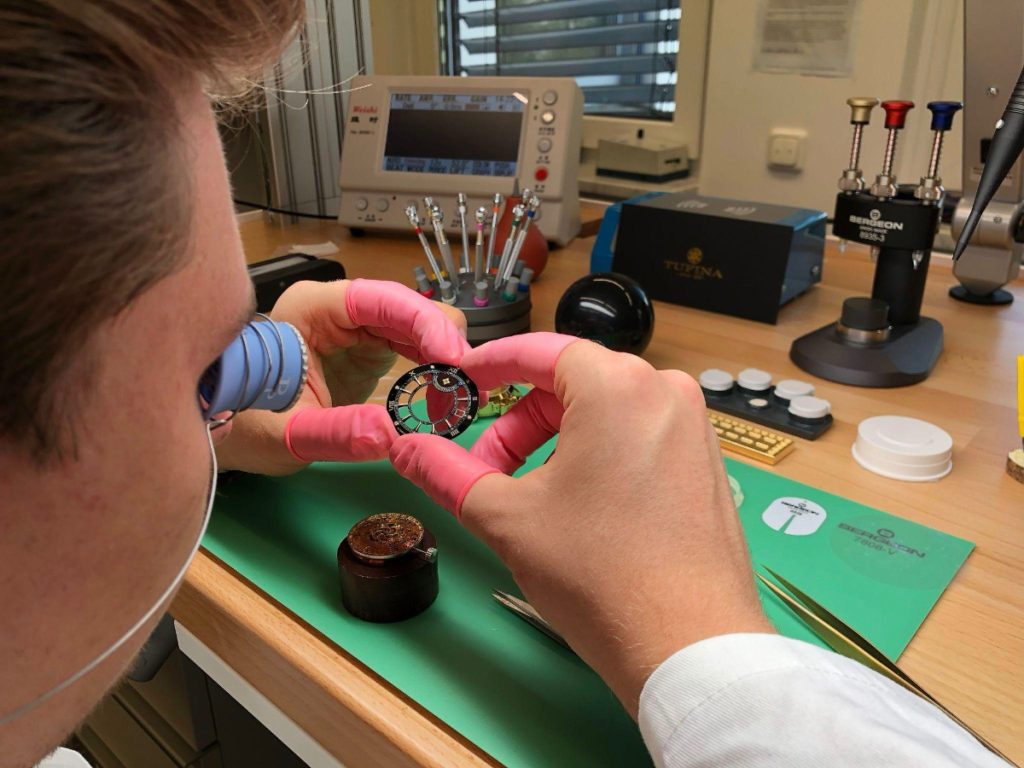
Tufina & Son in Munich, Germany
The Reality of Modern Watch Production
Let’s be honest about why most brands have shifted to automated production. The reasons are practical.
Machines don’t get tired. They maintain consistent precision across thousands of units. Automated testing catches defects that human eyes might miss. Production costs drop significantly, allowing brands to generate much higher profits.
For many watch companies, automation is about meeting demand while ensuring quality control. Computer-assisted assembly can achieve tolerances measured in microns. Automated stress testing simulates years of wear in days.
Why Some Brands Resist Full Automation
So why would any brand choose hand-assembly in 2026?
Independent watchmakers often point to something harder to quantify. When a skilled watchmaker assembles a movement by hand, they’re making micro-adjustments based on feel and experience.
They notice subtle irregularities that might fall within automated tolerances but could affect long-term performance.
Tufina’s approach reflects this philosophy. Their watchmakers come from a family tradition spanning over two centuries. Bahri Tufina, one of the most prominent figures of the Tufina lineage, ran a watchmaking school in Albania—a grand feat at the time, considering the limitations of communist Albania, where private enterprise and craftsmanship were heavily restricted.
Enis Tufina, who later re-established the brand in Germany, carried those traditional methods forward, blending them with modern precision and design.
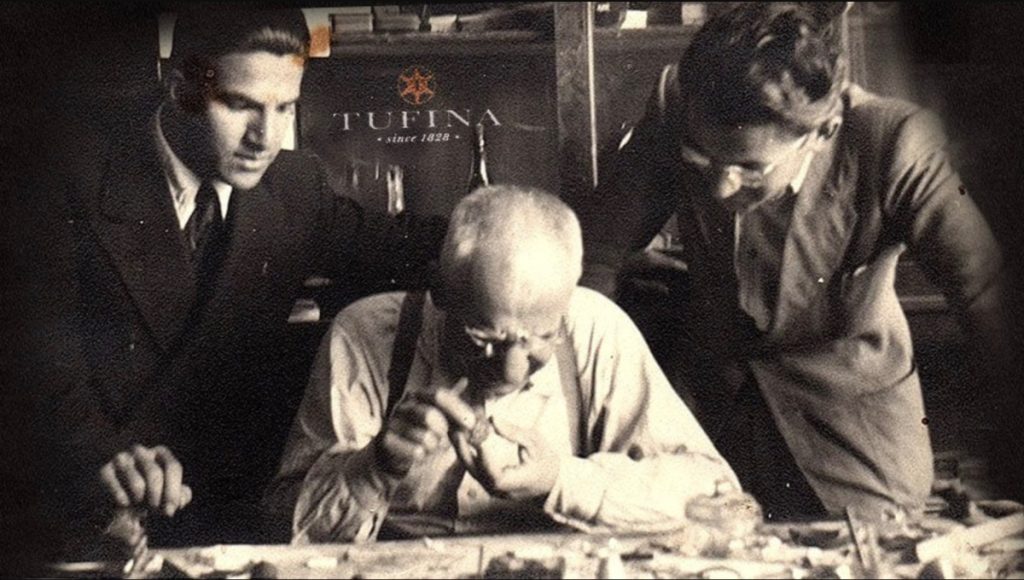
Haxhi Tufina is teaching watchmaking to Bahri Tufina, 1930s.
What Hand-Assembly Actually Means
Here’s where we need to separate reality from romance.
Hand-assembly doesn’t mean rejecting all modern tools. Tufina uses contemporary equipment for precision tasks. The difference is that human hands and eyes guide the process from start to finish. Each component gets inspected. Each movement gets individually regulated by hand.
The two main collections—Theorema and Pionier—feature mechanical movements with visible complications. Open-heart designs and skeletonized dials let you see the movement working. This transparency matters because it means the internal finishing needs to meet aesthetic standards, not just functional ones.
Does this approach create watches of the same accuracy as quartz pieces? No. Does it create watches with character and individual variance? Absolutely.
The Practical Differences You’ll Notice
What does hand-assembly actually translate to when you’re wearing the watch?
First, there’s the finishing quality. Our research into customer experiences reveals consistent praise for details like polished surfaces and clean edges.
Second, the movements tend to run within tighter accuracy ranges after regulation. While a machine can assemble a movement to specification, an experienced watchmaker can adjust it for optimal performance based on how the specific components interact.
Third, there’s a sense of individuality that comes from small-batch production. Not dramatic differences, but the reassurance that each watch is assembled, regulated, and inspected one by one rather than produced anonymously on a massive assembly line. For many buyers, that human oversight adds confidence in quality rather than a promise of rarity.
Does It Justify the Price?
This is the real question, isn’t it?
Tufina positions itself in the accessible luxury segment. Their watches typically range from mid-hundreds to a few thousand dollars. For that price point, you’re getting mechanical movements, genuine leather straps, stainless steel cases (some with gold plating), and in certain models, diamond accents with certification.
Compare that to mass-produced alternatives at similar price points. You might find similar specifications on paper, but the attention to detail truly differs. The included presentation boxes, warranty documentation, and customer service reflect a brand that’s still small enough to care about individual buyers.
Is hand-assembly worth paying more for? That depends on what you value. If you want the most accurate timekeeping possible, a quartz watch will always win. If you want the cachet of a major luxury brand, you’ll need to spend considerably more. But if you appreciate traditional craftsmanship and classic designs, the approach makes total sense.
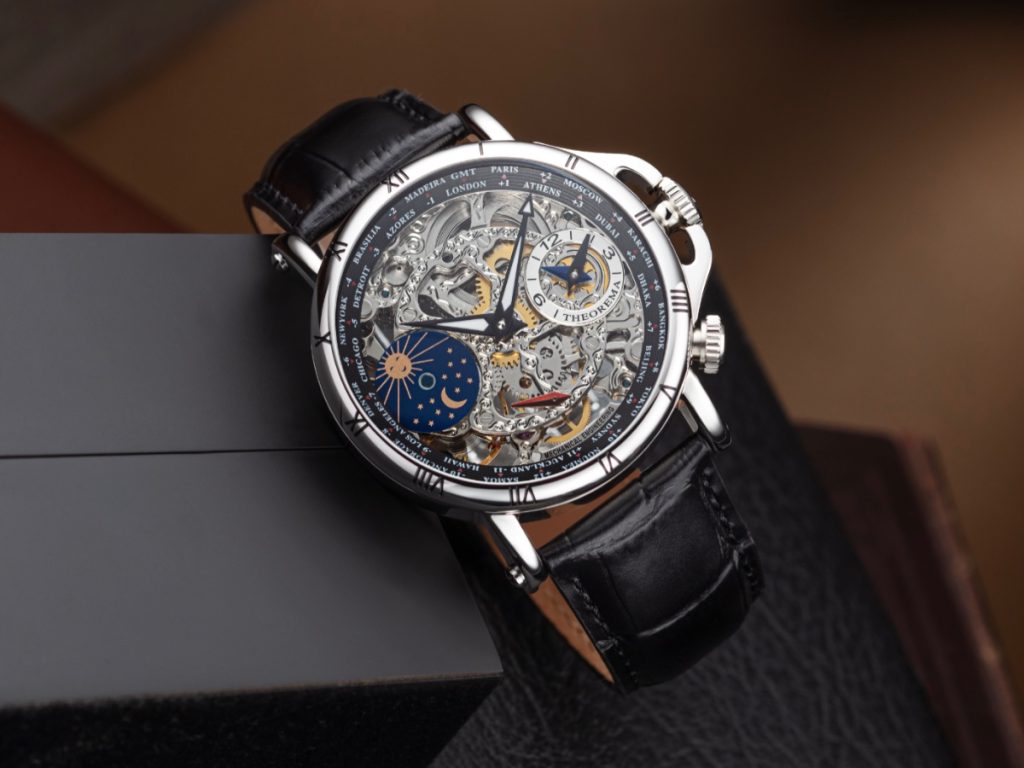
Tufina Watches Theorema – Sao Paulo Mechanical Dual-Time Watch.
Who Should Consider Tufina?
Hand-assembled watches from independent brands like Tufina appeal to specific buyers.
If you’re building a collection and want diversity beyond major brands, these timepieces offer something different. If you appreciate knowing the story behind what you wear, the Tufina family history adds depth.
If you prefer mechanical watches where you can see the movement working, their open-heart and skeleton designs deliver. On the other hand, if you need a purely functional watch, there are simpler options.
Final Thoughts
Does hand-assembly matter in 2026? The honest answer is: true watch aficionados understand its value.
The watch industry has room for both approaches. Automated production serves most buyers well, offering reliable timepieces at various price points. Hand-assembly serves those who value authentic, old-school craftsmanship and don’t mind paying for the whole process, not just the final product.
Tufina’s choice to maintain hand-assembly isn’t about rejecting progress—they use modern materials and quality control methods. It’s about preserving a specific approach to watchmaking that values human skill and attention to detail.
For collectors and enthusiasts who understand what they’re getting, that approach still has plenty of relevance. The question isn’t whether machines or humans make better watches—it’s which philosophy resonates with you as a buyer.