










Coachella's cultural shift is more relatable.
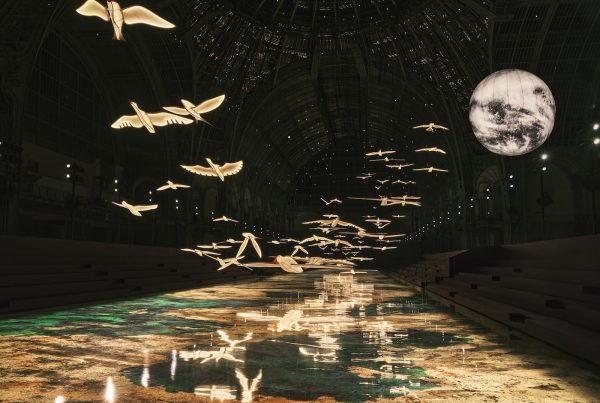
For a festival built on spectacle, as most of them are, Coachella 2026 felt unusually quiet – not in sound, but in statement. The fireworks still cracked open over the desert sky, the crowds still moved in tidal waves from stage to stage, and yet, still, something felt shifted. For years, Coachella has existed as the apex of musical maximalism, a place where artists arrived not only to perform, but to outdo. Stages grew taller, visuals more elaborate, guest lists more excessive. Grandeur was the language and the bigger, the better. But for this years edition, it was the opposite, not rejecting this notion, but instead, rewriting it.
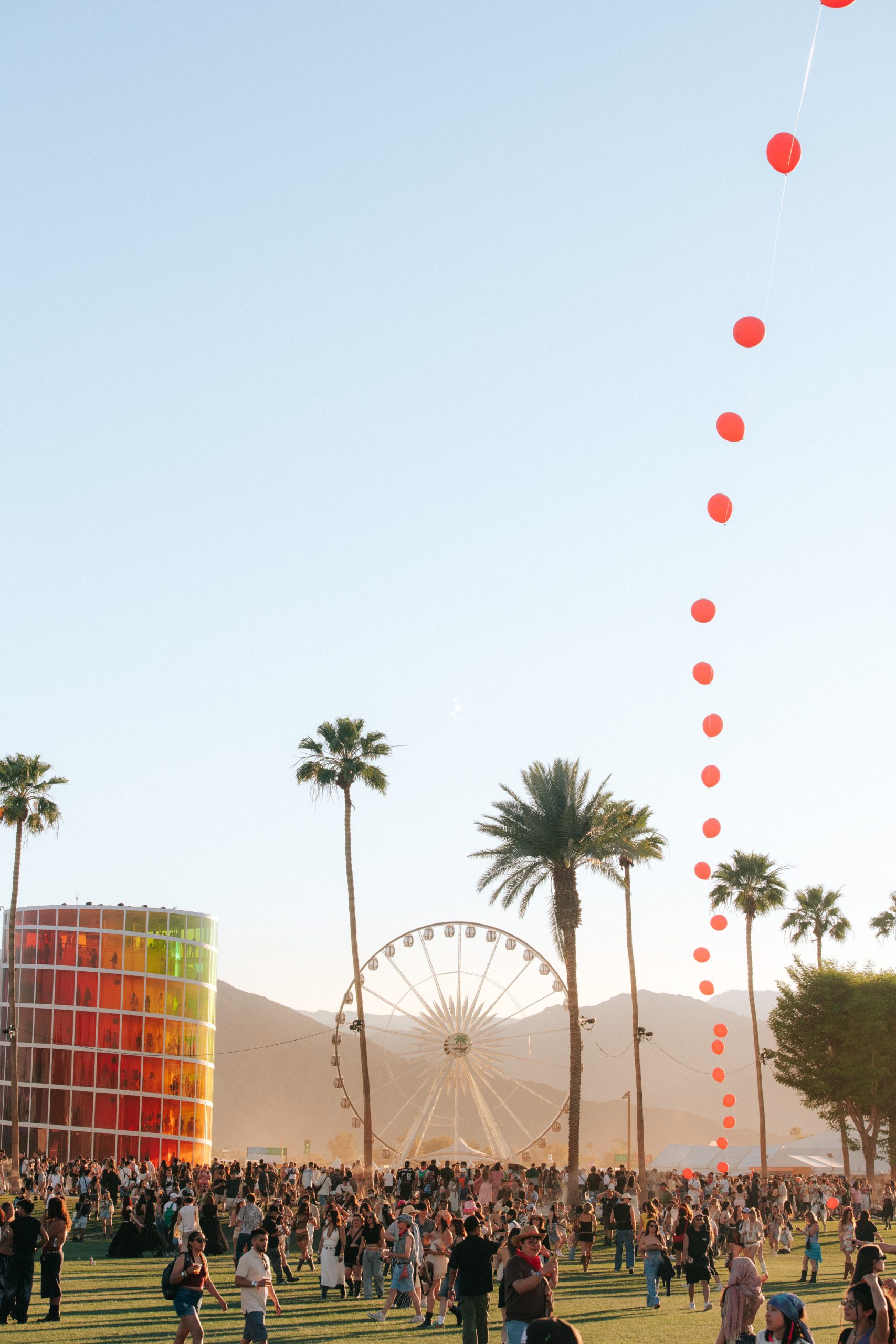
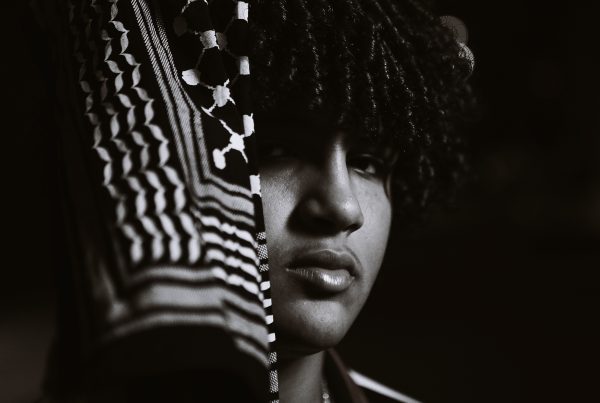
PHOTO CREDIT: Ryan Mastro | @ryan_mastro
Justin Bieber's Full-Circle Return
When Justin Bieber appeared not with a sprawling band or cinematic production, but with something far more restrained, a laptop, a YouTube-led approach, an almost bedroom-like intimacy, it didn’t feel underwhelming, it felt intentional. In many ways, it read as a full-circle moment, a return to the very platform where both he and his fans first found each other.
Stripped-back in execution, the performance mirrored how audiences now live with music, through screens, through snippets, through moments that feel personal rather than performative. In some ways, we have deposited the art, and in others we have gained an authenticity that humanises the music industry for the better because if anything, the performance reaffirmed a simple, enduring truth. Sometimes, less really is more.
Because the modern listener no longer needs to be overwhelmed to be moved. In an era shaped by livestreams, late-night uploads, and algorithm-driven discovery, intimacy has become its own form of spectacle. And in that sense, Justin’s approach wasn’t a departure from Coachella, but instead a reflection of everything the festival has quietly been becoming.
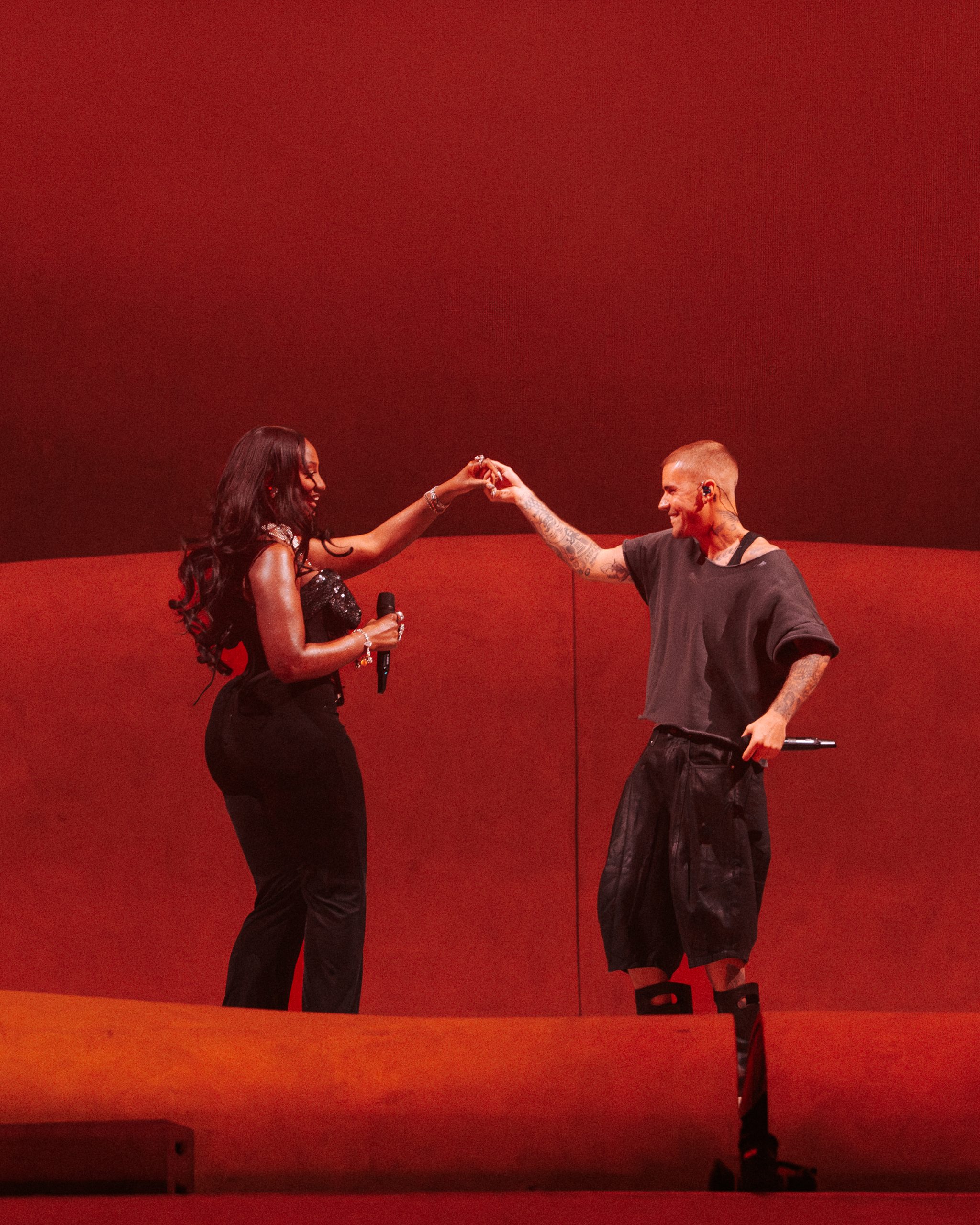
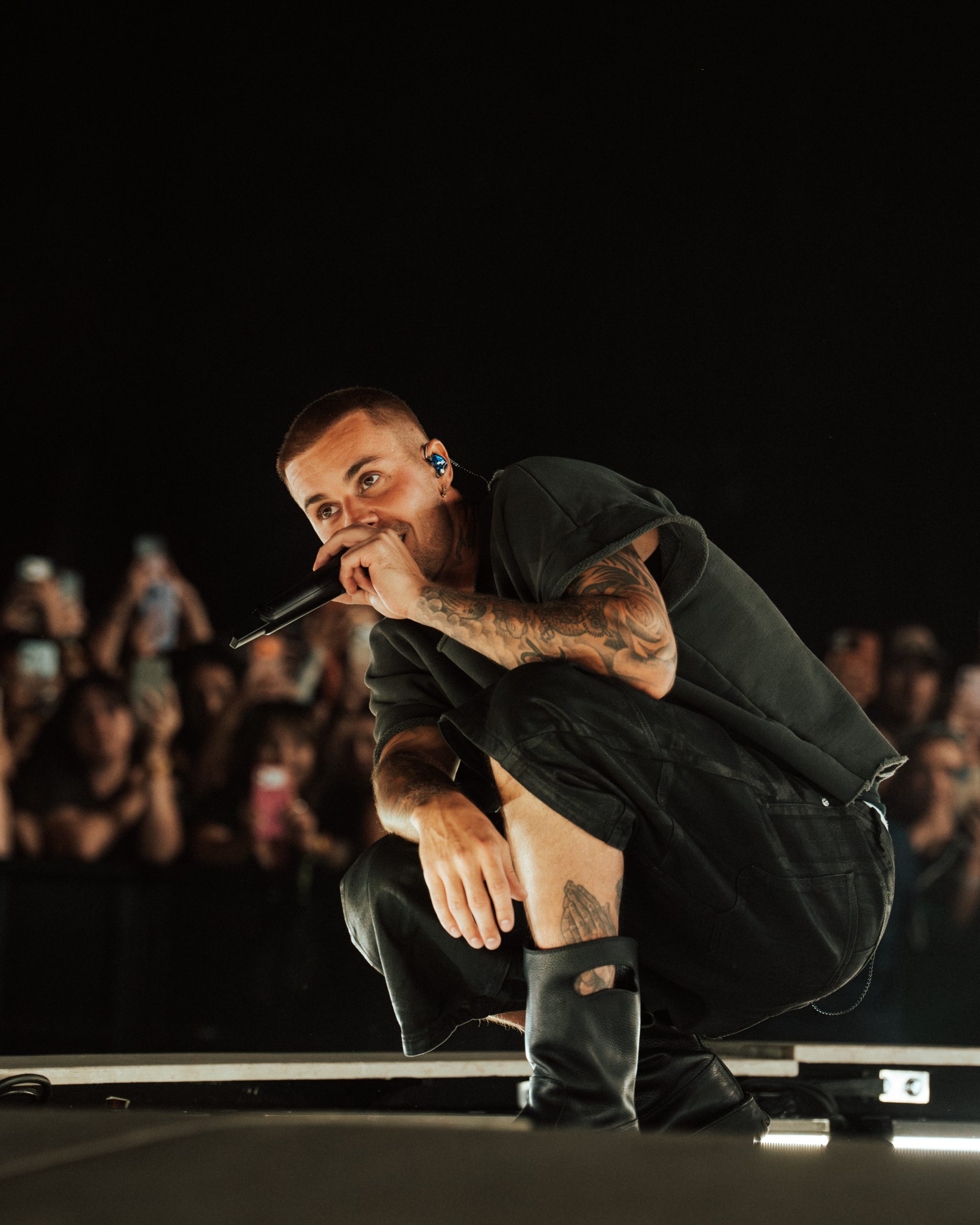
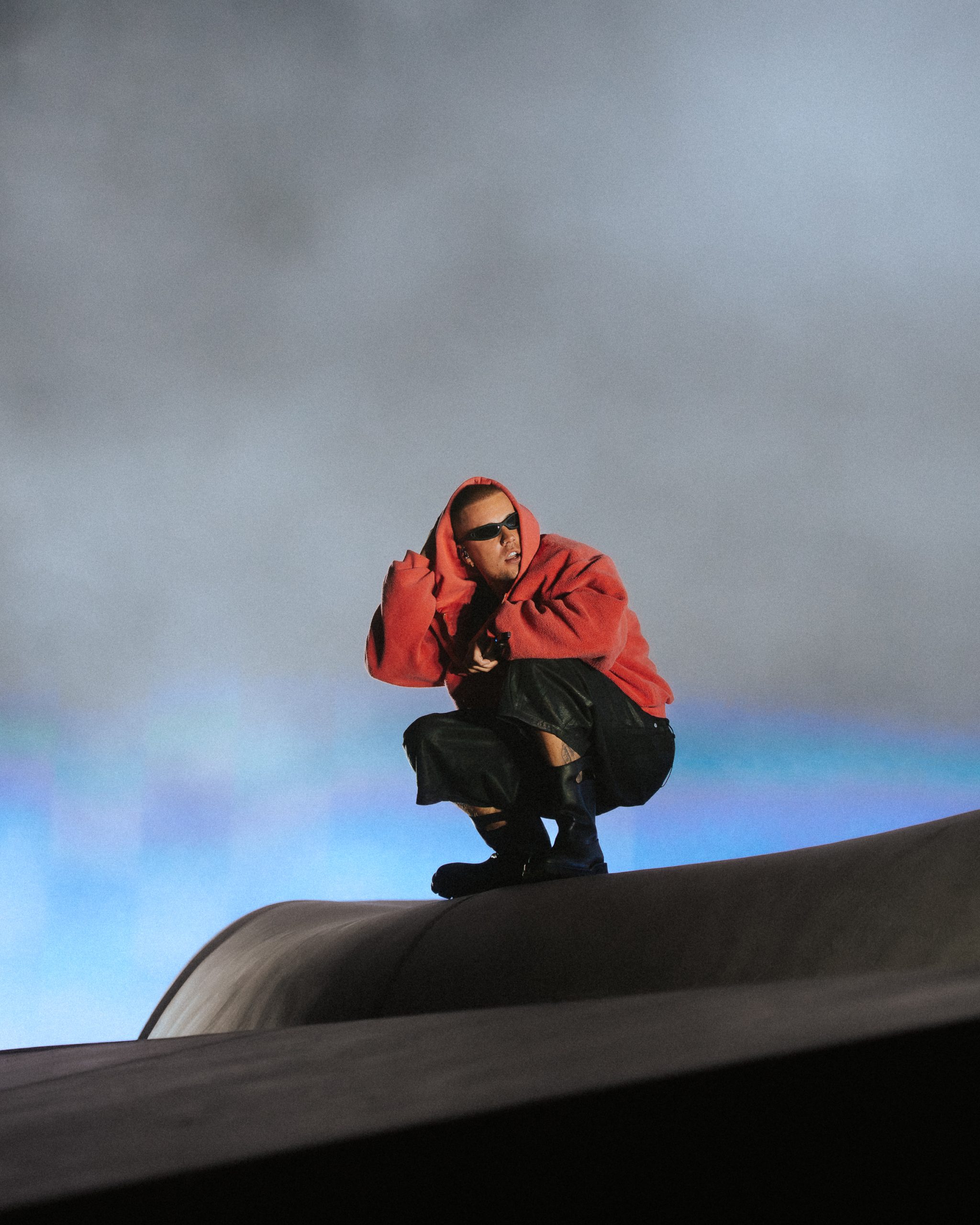
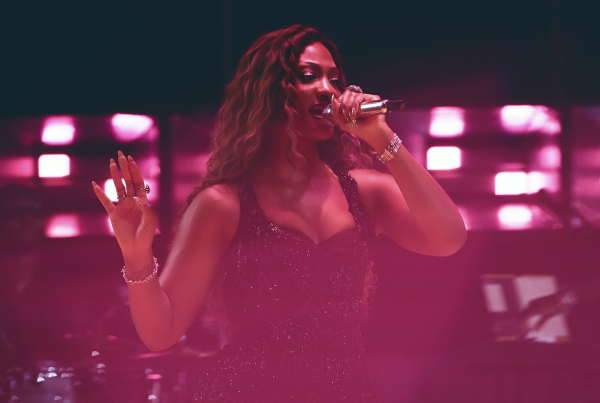
PHOTO CREDIT: Greg Noire | @gregnoire
Karol G and the Future of Global Headlining
Karol G’s historic headline set marked a different kind of shift, one that had been building long before the desert caught up. As the festival’s first Latina headliner, her presence didn’t read as a breakthrough, but as a recognition of what has already become undeniable. Latin music is no longer crossing into the mainstream, it is the mainstream. The numbers speak for themselves, with Bad Bunny holding the title of Spotify’s most-streamed artist globally for four consecutive years.
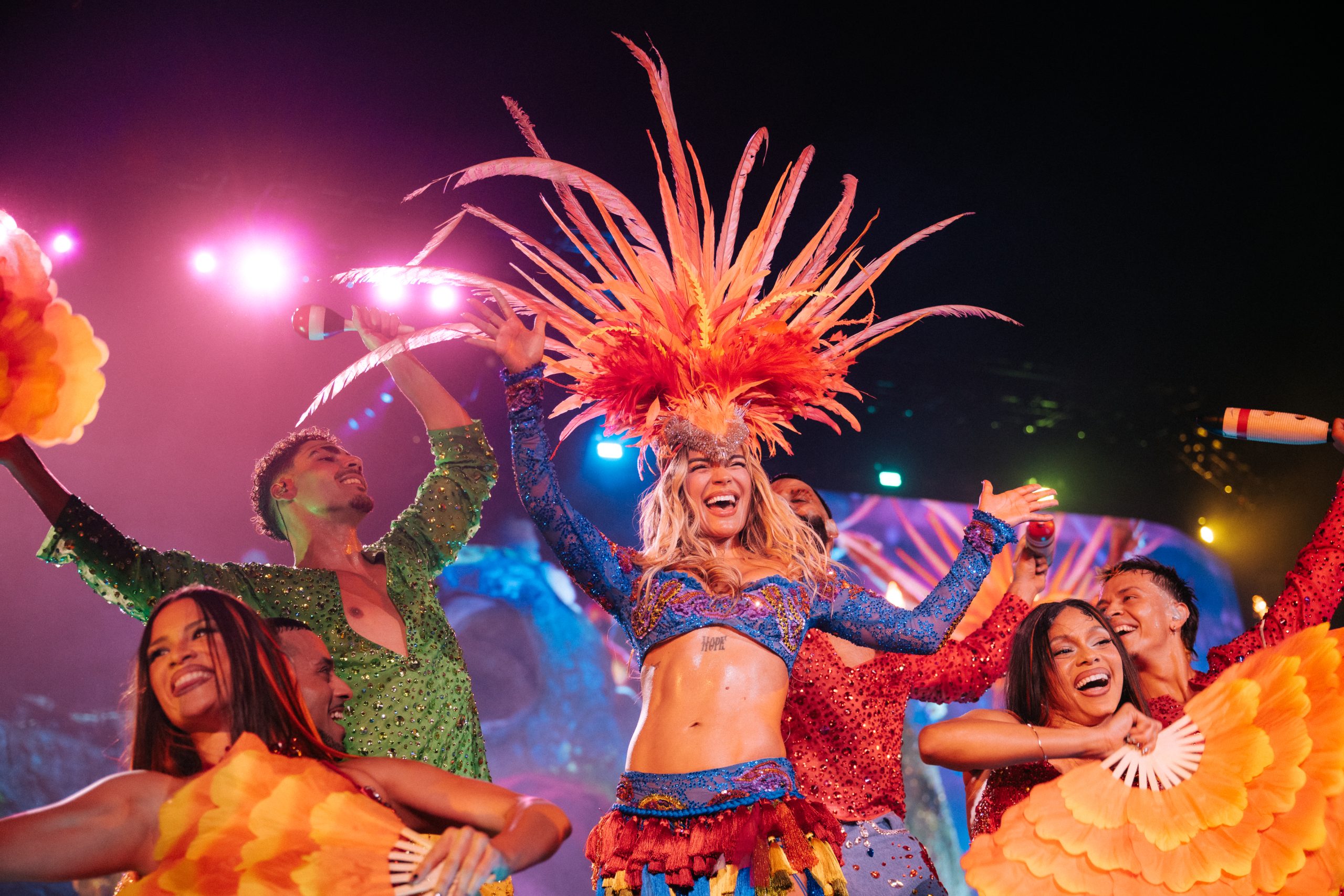
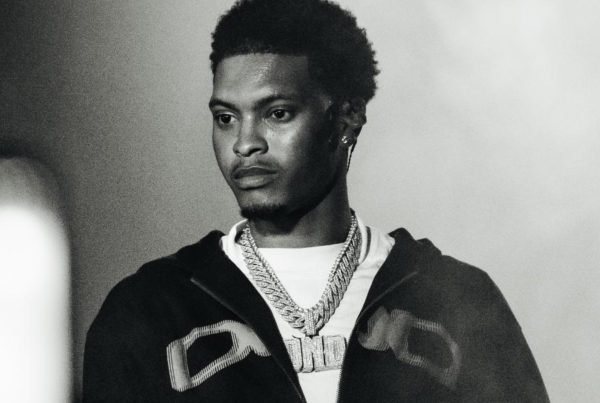
PHOTO CREDIT: Charles Reagan | @charles.reagan
From Spectacle to Experience
And Karol G wasn’t alone in that quiet rebalancing of the global stage. Across the festival, the clearest signs of change weren’t always found on the biggest stages, but in the way sound moved through the crowd. When Brazilian DJ and Music Producer Mochakk stepped up, the energy felt closer to a packed club than a desert spectacle, built on rhythm, instinct, and connection rather than production. It was immersive without trying too hard, a reminder that feeling has begun to outweigh format.
That same shift carried through the presence of African diaspora artists. With Davido and Moliy, there was no sense of introduction or crossover. The crowd already knew. They moved with it, sang with it, understood it. Afrobeats and its wider diasporic counterparts no longer sit at the edges of global music culture, it helps define it.
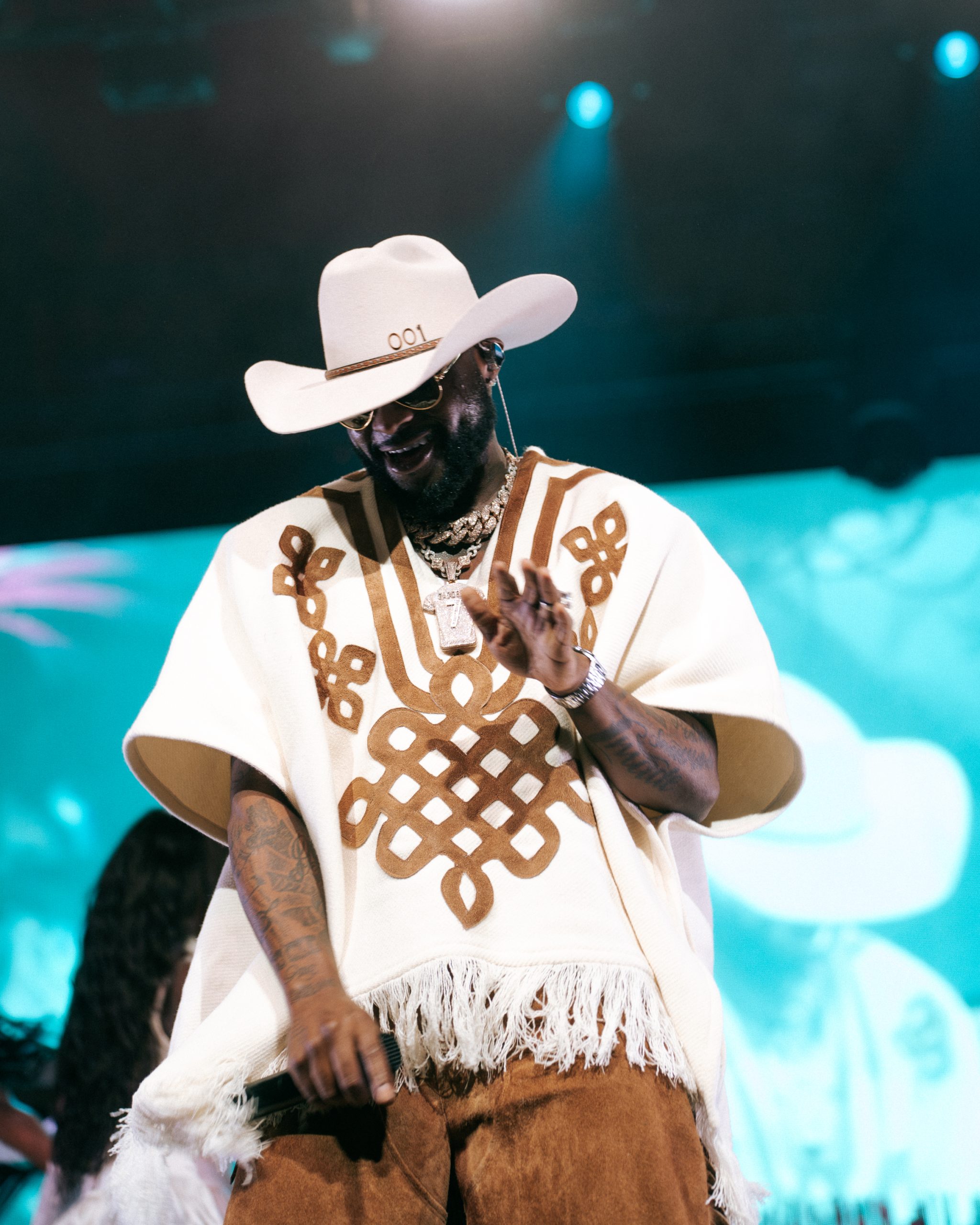
PHOTO CREDIT: Isaiah Johns | @isayhah