









































Fashion has never just been about clothes. It’s about how people present themselves, how they move through different spaces and how much they choose to reveal. More recently, that sense of control has started to stretch beyond what we wear and into how we live, especially online. This shift shows a broader change in how identity is managed across both physical and digital environments.
From private shopping experiences to members-only drops and subscription-based platforms, fashion now sits comfortably within a much wider digital lifestyle. And with that shift comes a new expectation: discretion. Not just in how things look on the surface, but in how everything works behind it. Payment methods were once just a final step at checkout. Now they are part of the overall experience. When they work well, they go unnoticed. When they don’t, they can break the illusion completely. That seamlessness has quietly become part of what consumers expect from modern brands.
Discretion behind the transaction
As fashion continues to blend with digital platforms, the expectation for control doesn’t stop at styling; it carries through to the way people interact and pay. This becomes even more important in high-risk payments, where traditional systems aren’t always designed for more private or subscription-led environments. In these cases, the gap between expectation and reality becomes much more visible.
Platforms built around subscription management and recurring billing cycles need something more subtle. These aren’t one-off purchases; they’re ongoing interactions, often tied to personal or private experiences. In those cases, visibility matters. Or more accurately, the lack of it does. Consistency is just as important as discretion in maintaining that sense of trust.
That’s where solutions like an adult payment gateway come in. They’re not something users actively think about, but they play a key role in keeping everything running smoothly and discreetly in the background. Their value lies in what they prevent, rather than what they show.
A lot of that comes down to the technology underneath. End-to-end encryption keeps sensitive data protected as it moves between systems, while 3DS2 frictionless authentication helps transactions go through without unnecessary interruptions. It’s a balance, security without friction.
On top of that, standards like PCI-DSS Level 1 ensure card data is handled properly, and tools like age verification (AVS) add another layer of control where it’s needed. None of this is visible when it’s working properly, which is exactly the point.
When payment systems disrupt the experience
You tend to notice payment systems most when something goes wrong. And when discretion is part of the experience, even a small issue can feel amplified. Something as simple as descriptor management can suddenly make a private transaction more visible than intended. That’s often where problems begin. Users may question a charge, even if it’s legitimate, leading to cases of Friendly fraud, where the issue isn’t always clear-cut.
From there, platforms are pushed into handling disputes through chargeback representment, trying to recover lost revenue while maintaining trust. It’s a reactive process, and one that highlights just how quickly things can change when the experience doesn’t feel contained.
For businesses operating under categories like MCC 7273, this isn’t unusual. It’s part of the day-to-day. To manage that risk, systems like rolling reserves are often put in place, holding back a portion of funds as a buffer. It’s not ideal, but it helps keep things stable in an environment where unpredictability is part of the job.
The rise of controlled digital consumption
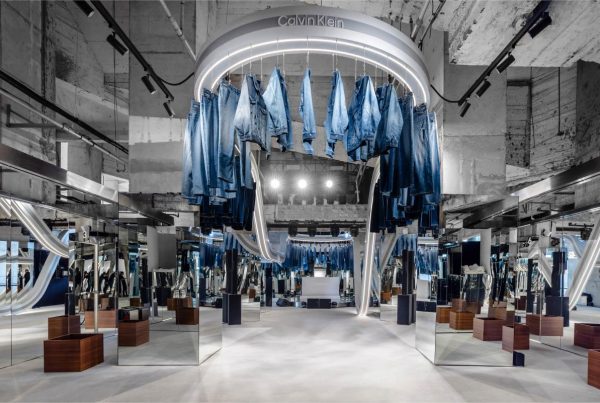
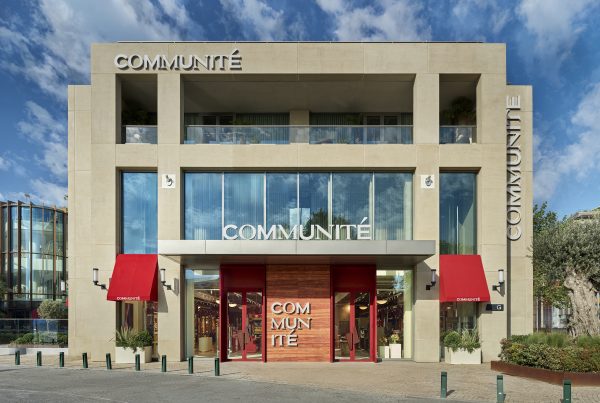
Fashion itself has already moved in this direction. There’s been a clear shift towards more curated, intentional experiences, whether that’s smaller retail spaces, limited releases or private client events. It’s less about mass visibility and more about selective access.
That same thinking now shows up in digital behaviour. People move quickly, often on their phones, expecting things to work out instantly, but without drawing attention. There’s an assumption that everything will feel seamless and more importantly, contained.
Payment methods sit right at the centre of that. When they work, they blend into the background. You don’t think about them. And that’s what makes them effective. In a way, they’re not that different from well-made clothing. The structure is there, doing its job, but it doesn’t need to announce itself.
Discretion as a modern style marker
Discretion has quietly become part of modern style. It’s no longer just about what you wear, but how you navigate different spaces. This includes what you share, what you keep private and how much control you have over both. Fashion and digital life are now closely connected, and both are shaped by that same idea of control. Payment methods might not be the most visible part of the experience, but they play a crucial role in holding it together.
As everything continues to move further online, that role will only become more important. When it works, you don’t notice. But like with any good outfit, you’d notice immediately if it didn’t.