


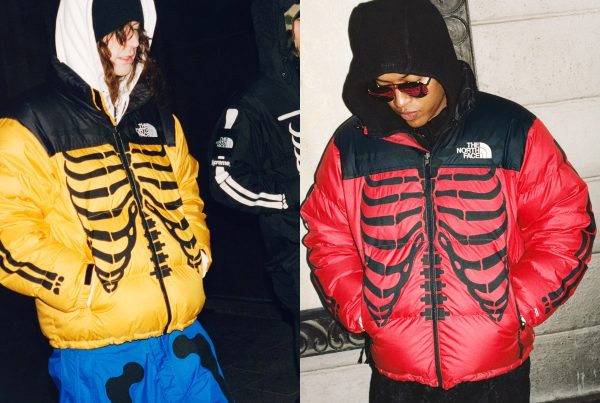
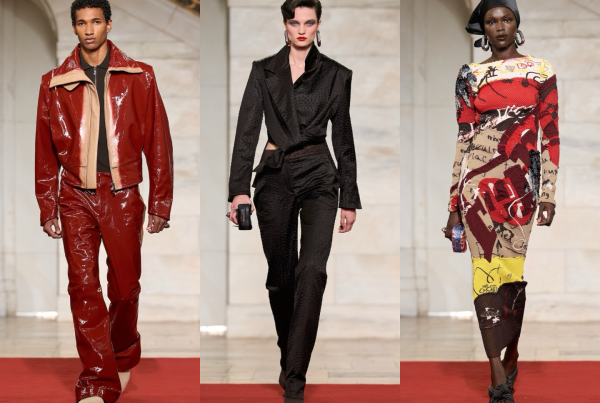

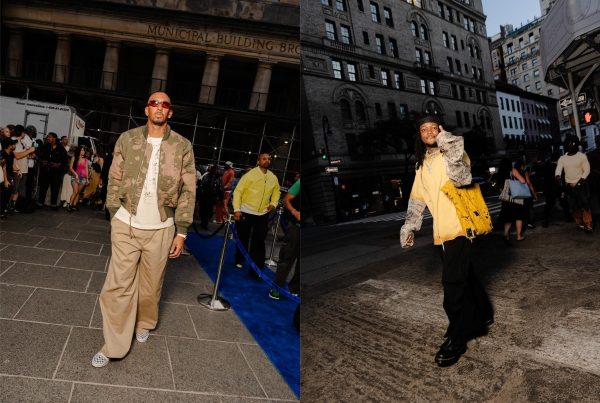
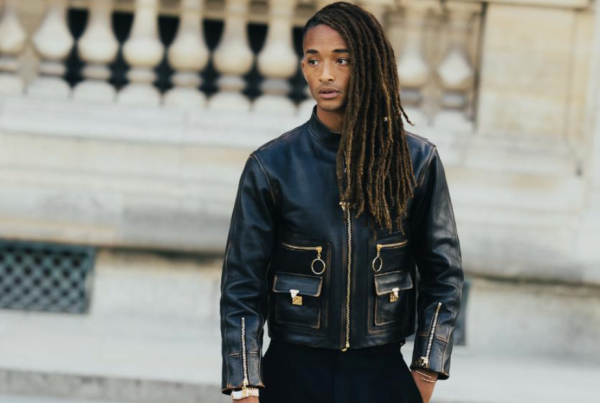





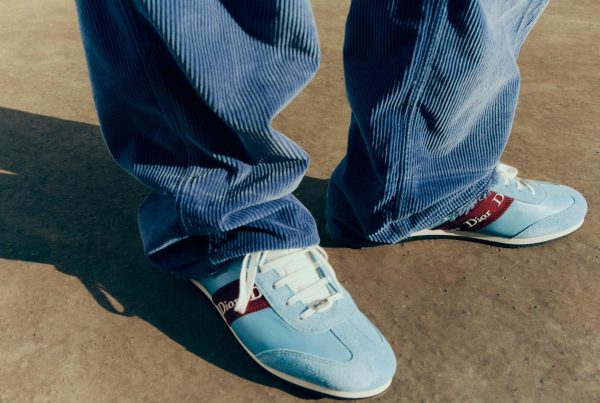


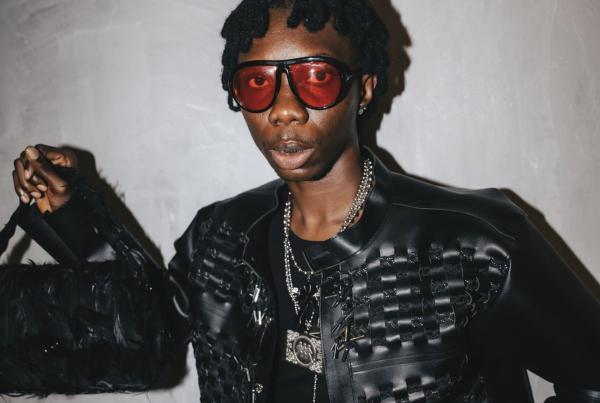

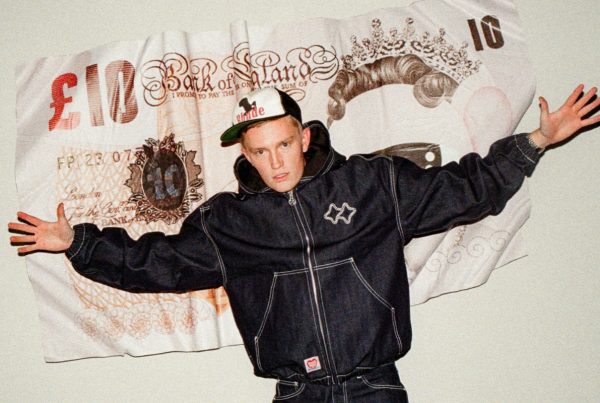

















Over the past decade, streetwear has evolved from underground skate and hip-hop subcultures into the dominant force of global luxury fashion. Yet, as the market matures, consumer expectations have shifted dramatically. Today’s discerning streetwear enthusiasts are no longer swayed by a loud graphic printed on a standard blank tee. Instead, they are inspecting gram weights, feeling the hand-feel of brushed fleece, and scrutinizing the drape of a boxy silhouette.
For independent designers and emerging labels, competing in this elevated landscape requires more than just strong visual branding—it demands an obsessive focus on textile engineering and garment construction.
1. The Rise of Heavyweight Fabrics and Architectural Silhouettes
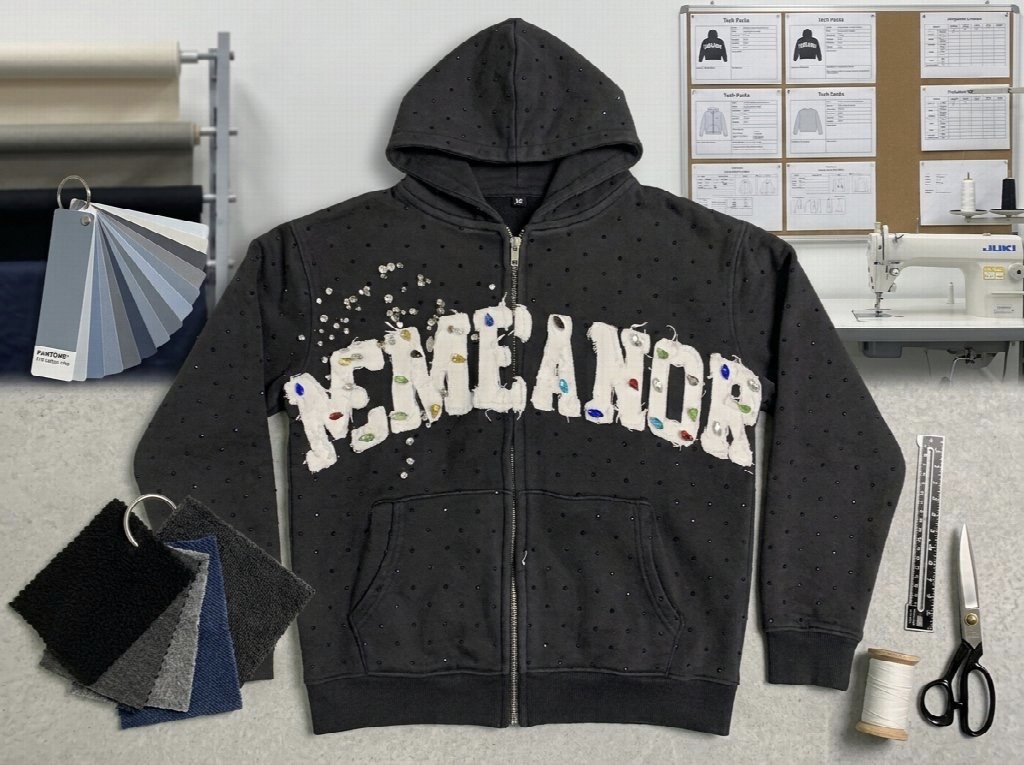
If there is one defining hallmark of contemporary streetwear, it is weight. Lightweight, flimsy cottons have largely been replaced by substantial, structured textiles that hold their shape wear after wear.
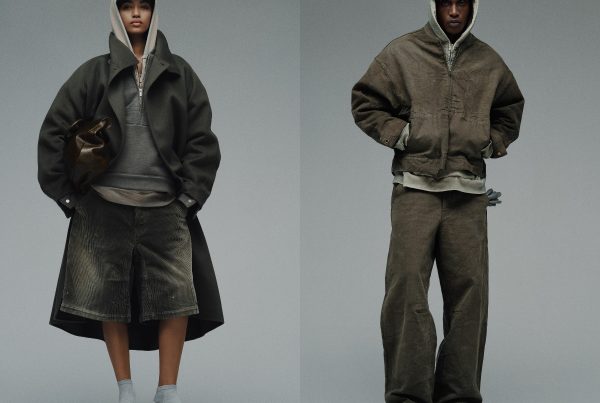
In the luxury hoodie and sweatshirt category, fabrics ranging from 450 GSM to 550 GSM (grams per square metre) have become the industry benchmark. Whether utilizing looped French terry for breathability or heavyweight combed cotton fleece for warmth, these dense knits create the coveted oversized, architectural drop-shoulder silhouette that defines modern menswear. Similarly, everyday tees have shifted toward 260 GSM to 320 GSM high-gauge jersey, offering an opaque, structured drape that resists twisting and shrinking after washing.
2. Garment Dyeing, Specialized Washes, and Tactile Finishes
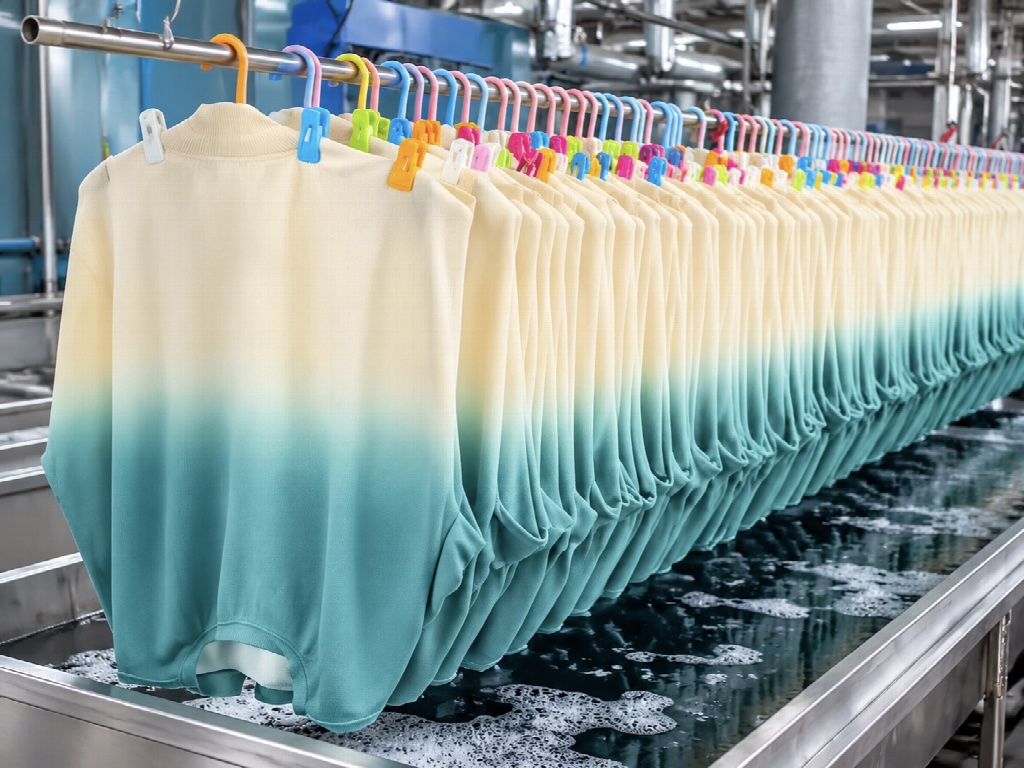
Beyond raw fabric weight, surface treatment is where independent labels differentiate their collections. Piece-dyed fabrics—where cloth is dyed in rolls before cutting—often look too uniform and sterile for the lived-in aesthetic streetwear buyers crave.
Enter garment dyeing and specialized washing techniques. By sewing the garment first using raw “greige” (undyed) fabric and then submerging the entire piece into dye baths, manufacturers achieve rich, nuanced colour depth with subtle tonal variations along the seams, collars, and ribbed cuffs. Paired with enzyme washes for a buttery-soft hand-feel, acid washes for vintage fading, or sun-faded pigment treatments, each piece takes on a unique, artisanal character.
However, these processes require strict technical mastery. Without precise pre-shrinking calculations and colourfastness testing, garment dyeing can easily distort sizing or cause uneven bleeding—common pitfalls for inexperienced production lines.
3. Bridging Creative Vision with Scalable Manufacturing
For independent creative directors, the hardest part of building a label is rarely the initial concept; it is translating a complex tech pack into a retail-ready drop without sacrificing quality. Many emerging brands struggle to find factories that understand the nuances of contemporary streetwear—such as custom rib-knit collar proportions, puff-print curing temperatures, or heavy chain-stitching—while still offering flexible minimum order quantities (MOQs).
Partnering with an experienced custom streetwear manufacturer has become a strategic advantage for growing labels. By combining rigorous quality control—including fabric pilling resistance, shrinkage management, and precise stitch density—with end-to-end OEM and ODM capabilities, dedicated production partners bridge the gap between studio sketches and commercial scalability. This allows brand founders to focus on creative direction and community building, confident that every piece in their collection meets high-street luxury standards.
4. Sustainability as the New Standard of Craft
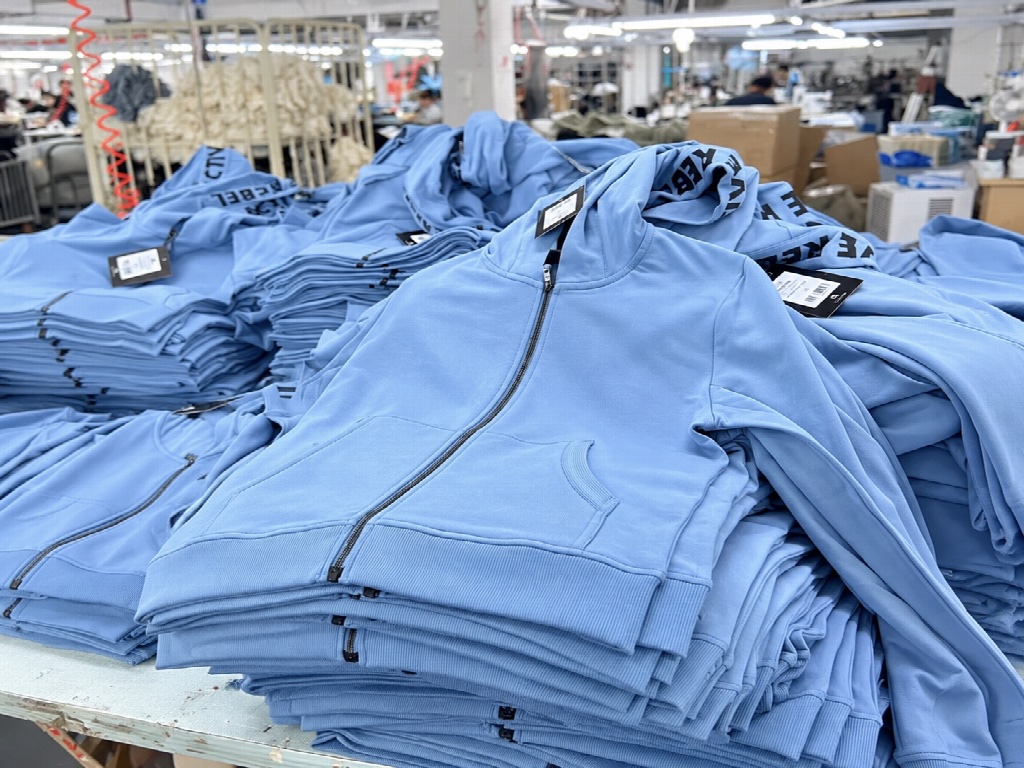
Modern streetwear consumers—particularly Gen Z and millennial buyers across the UK, Europe, and North America—are increasingly conscious of how their clothes are made. Sustainability is no longer treated as a niche marketing angle; it is a baseline expectation.
Forward-thinking labels are actively transitioning toward GOTS-certified organic cotton, recycled polyester (rPET) blends, and eco-friendly, low-impact reactive dyes that minimize water waste. Working with transparent, full-service production partners like Liantao Apparel—who prioritize ethical working conditions, strict fabric testing, and certified sustainable textiles—not only reduces a brand’s environmental footprint, but also strengthens long-term brand equity and customer trust.
Quality as the Ultimate Brand Currency
As trends cycle faster than ever, enduring streetwear labels are built on foundational quality. Heavyweight custom textiles, nuanced garment washes, and meticulous construction turn a simple hoodie or T-shirt into a wardrobe staple worth collecting. For designers preparing their upcoming collections, investing in the right fabrics and manufacturing expertise isn’t just a production detail—it is the ultimate brand currency.