














 How Men’s Fashion Has Changed Over Time
Menswear has travelled a long way in a hundred years. Dressing once revolved around sharp tailoring, stiff suits and firm rules about what to wear and when. Modern wardrobes are far more relaxed, mixing timeless pieces with casual clothes, fresh designs and personal touches. A grandfather who never left the house without a tie might be amazed to see his grandson at the office in trainers.
Men now have room to show their personality through what they wear, without a rulebook to follow. The options range from laid-back weekend outfits to beautifully cut evening wear, and they mirror changing lifestyles, cultural shifts and progress in how clothes are made. Freedom, it turns out, suits most people rather well.
Tracing this journey offers a fascinating glimpse into how clothing, society and identity shape one another.
The Influence of Classic Menswear
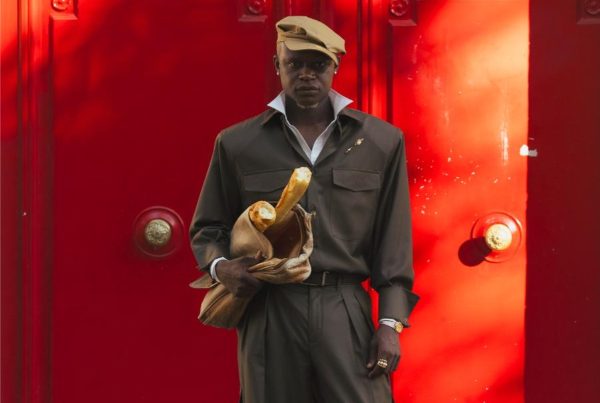
Old-school style still pulls a great deal of weight. Even with casual clothes everywhere, tailored suits, button-down shirts, wool overcoats and leather shoes remain wardrobe favourites thanks to their flexibility and lasting good looks. A navy blazer bought ten years ago can still look sharp at a summer wedding.
In the first half of the last century, men generally dressed far more formally. Suits were standard at work, and carefully chosen accessories finished off a daily look. Gradually, those smart styles became easier to buy and started to shape relaxed dressing too. A trilby and a pocket watch were once as ordinary as a phone and a backpack are now.
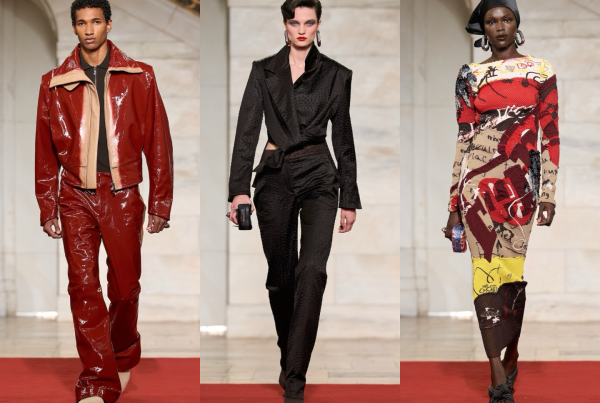
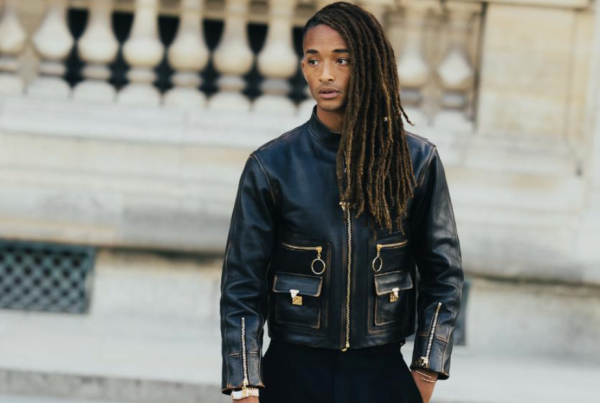
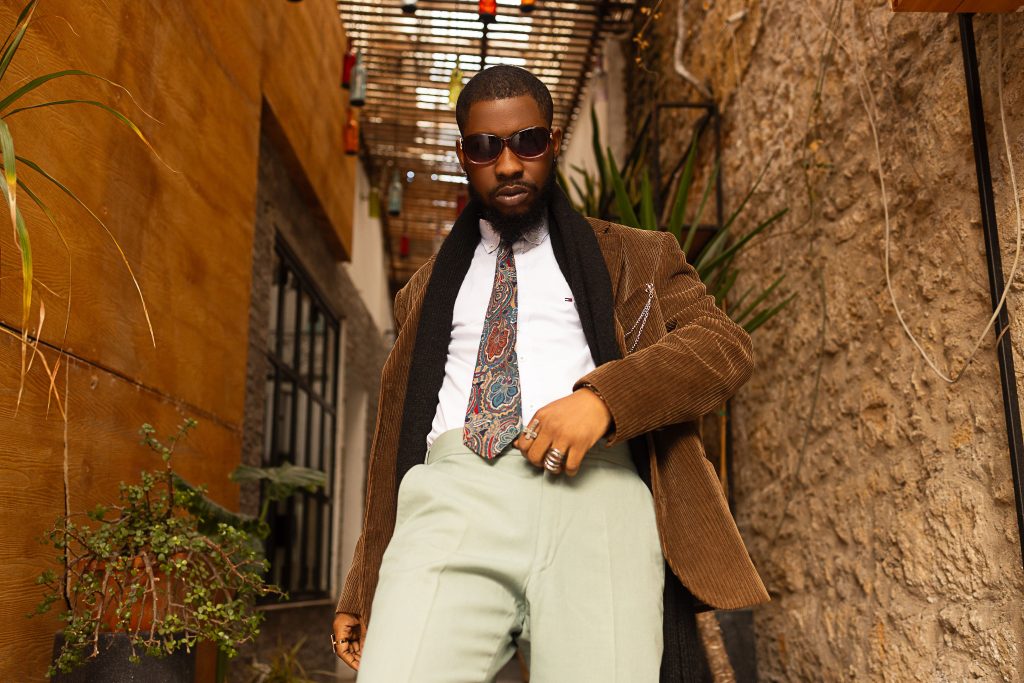
Plenty of today’s designers weave classic tailoring into their modern ranges. A traditional blazer, for instance, looks great over jeans and trainers, blending a structured shape with easy comfort. That mix has become a favourite for Friday drinks after work.
The Growing Popularity of Casual Clothing
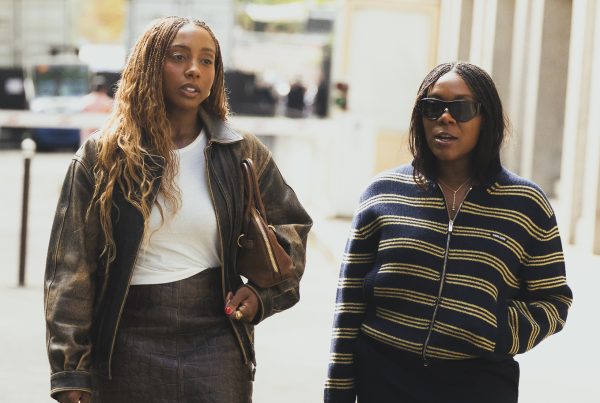
Relaxed clothing has won a place in almost every part of daily life. Tees, sweatshirts, hoodies, denim and comfy trainers now form the backbone of many wardrobes. A Saturday morning trip to the shops rarely calls for anything smarter.
Shifts in office culture have pushed this along. Lots of workplaces have loosened their dress codes, letting staff swap the business suit for smart-casual outfits. Many young professionals have never owned a tie at all.
Looking good still matters, mind. Modern dressing is more about striking a balance between comfort, practicality and a neat appearance. Scruffy and relaxed are not the same thing.
Jeans that fit properly, a plain shirt and clean shoes can make a strong everyday outfit with no need for a packed wardrobe.
Streetwear and Youth Culture
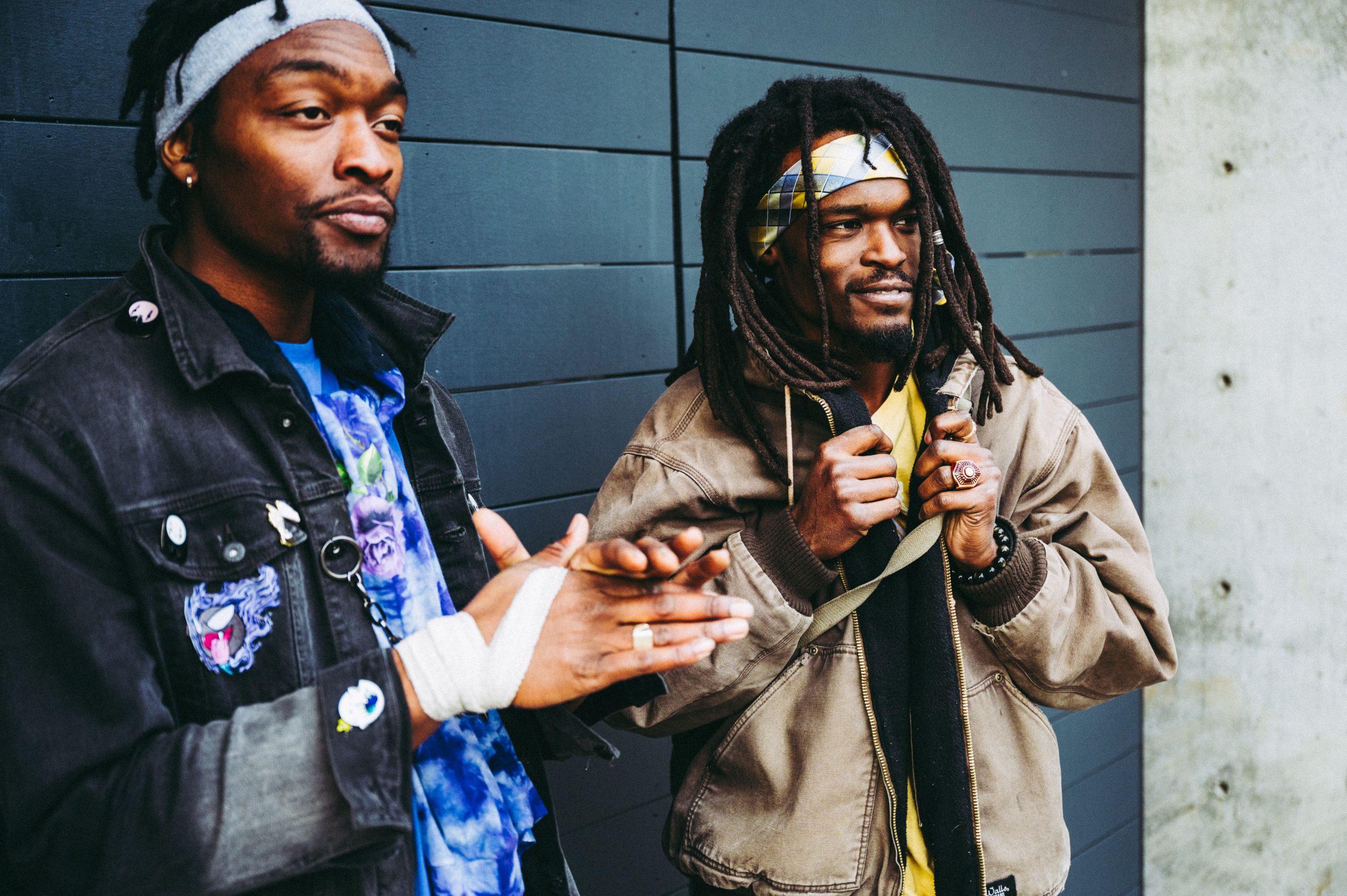
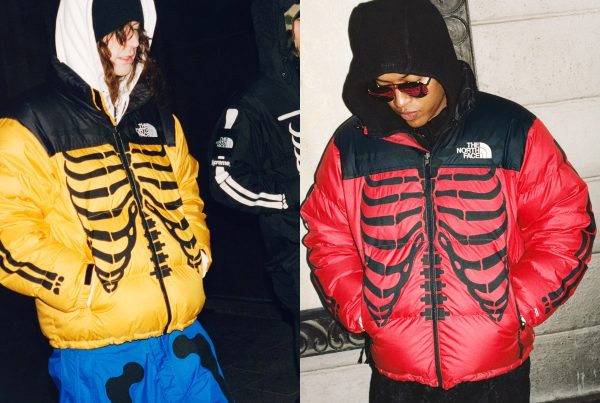
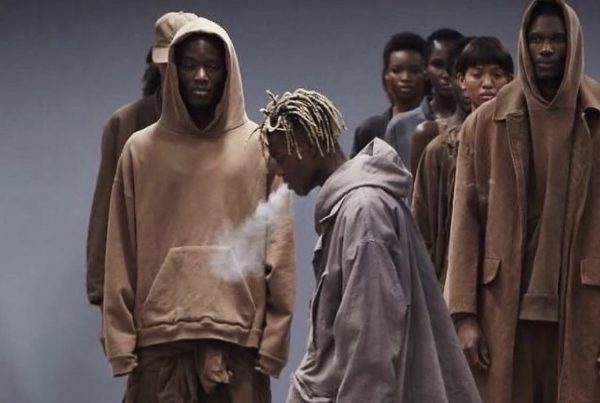
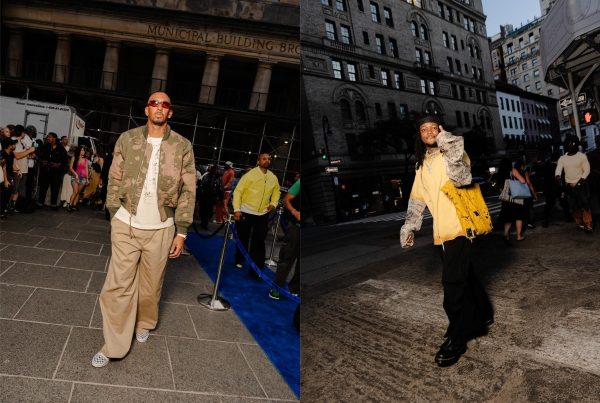
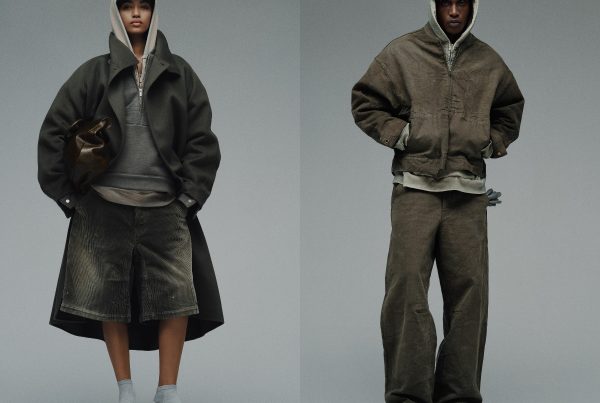
Streetwear has left a deep mark on how men dress today. Drawing on skating, hip-hop, sport and city life, it brought in loose shapes, bold prints, roomy garments and eye-catching shoes. A teenager’s graphic tee often carries as much meaning as any badge.
Its reach now stretches well beyond weekend wear. Big luxury labels and small independent designers alike regularly borrow ideas from the street. A hoodie on a Paris catwalk no longer surprises anyone.
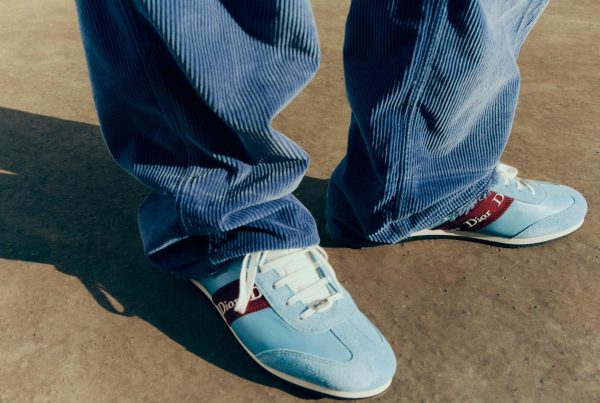
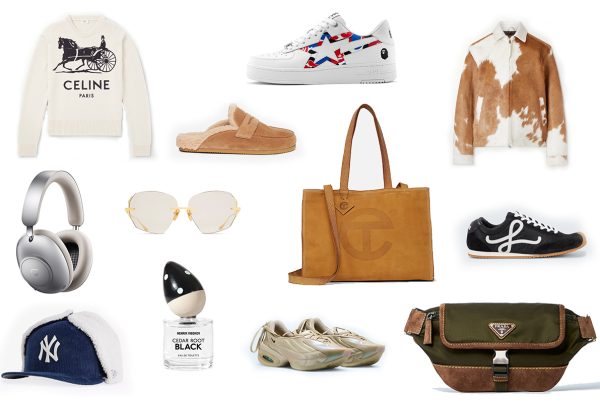
Trainers deserve special mention. No longer just for the gym or the pitch, they now pair happily with jeans, smart trousers and even some dressier outfits. Box-fresh white trainers under a suit have become a modern classic.
Streetwear also invites a bit of playfulness. Men can mix second-hand finds, modern accessories and contrasting fabrics into outfits that say something about their passions. A charity-shop jacket can end up the star of the show.
The Importance of Fit and Fabric
Trends come and go, but fit always counts. Clothes that match a person’s build tend to look more balanced and feel better to wear. A suit that’s a size too big can make even an expensive brand look cheap.
A shirt that sits correctly, for example, can lift a basic outfit, while trousers hemmed to the right length give a crisper line. Baggy clothes can also look great, provided the proportions of the whole outfit have been thought through. A quick trip to a tailor often transforms a high-street buy.
Fabric deserves just as much thought. Cotton is a daily favourite because it breathes, while wool suits cold weather and smarter, structured pieces. Linen keeps things light in the warmer months. Silk is prized for its smooth, gentle feel, and pieces like silk sleeping gloves show how fabric choices can carry on into bedtime comfort and self-care routines. A linen shirt on a hot August afternoon feels like a small luxury.
Knowing how each fabric behaves helps people pick clothes that suit the season, the activity and the setting. Nobody enjoys a wool jumper in a heatwave.
How Accessories Complete Modern Outfits
Accessories add character without cluttering a look. Watches, belts, sunglasses, bags and shoes can all change the feel of an outfit. A good watch is often the first thing people notice across a meeting table.
A plain outfit gains polish from the right watch or a leather belt. A well-chosen bag, likewise, offers handy storage and a stylish finish in one. A battered leather satchel can say more about a man than a whole rail of shirts.
Balance is everything. Piling on clashing accessories pulls attention away from the clothes themselves. A few useful, well-matched pieces usually give a more joined-up look.
Sustainability and Smarter Wardrobe Choices
Sustainability is climbing up the fashion agenda. Growing concern about textile waste and how clothes are made has nudged shoppers to think harder before buying. Many people now pause at the till and ask whether they truly need another shirt.
Building a wardrobe around flexible basics often makes more sense than chasing every passing fad. A well-made coat can easily outlast five seasons of trends.
Neutral shirts, good denim, comfortable shoes and sturdy jackets can be mixed in countless ways. Choosing long-lasting garments, mending damaged ones and browsing second-hand shops all help cut needless buying. A sewn-on button can save a favourite shirt from the bin.
A smaller wardrobe needn’t cramp anyone’s style. More often than not, it sparks cleverer combinations from clothes already hanging in the cupboard. Creativity thrives on limits.
Social Media and Modern Fashion Inspiration
Social media has changed how men find style ideas. Instagram, TikTok, Pinterest and the like serve up inspiration from designers, influencers, celebrities and ordinary fashion fans. A single scroll on the bus can spark an idea for the weekend.
These platforms also bring trends from around the world within easy reach. A fan of Italian tailoring can study it alongside Japanese street style, American casual wear or vintage looks. The world’s wardrobe now fits on a phone screen.
Not every viral look suits everyone, though. Personal taste, daily routine, the local climate and budget deserve more say in clothing choices than online buzz. A heavy shearling jacket makes little sense in a hot, humid city.
Finding a personal style means knowing what feels comfortable and right, rather than copying each new craze. Confidence never goes out of fashion.
The Future of Men’s Fashion
Menswear looks set to keep moving towards more freedom, self-expression and practical design. Tailoring, sportswear, streetwear and eco-friendly clothing are already borrowing ideas from each other. A smart jogger with a crease down the front is a sign of things to come.
Coming collections may bring new fabrics, better-built garments and fresh ideas for everyday clothes. Even so, lasting values such as comfort, quality, good fit and flexibility will keep their worth.
In the end, modern menswear isn’t about chasing every trend. It’s about putting together clothes that reflect who a man is while coping with the demands of daily life. By pairing classic staples with modern touches, men can create a look that stays relevant, comfortable and truly their own. Trends will keep changing. A well-fitted shirt never goes out of style.