










































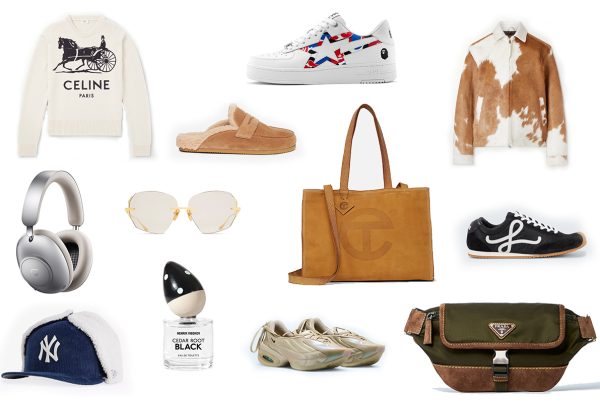


 Technology has become an increasingly visible part of personal style. Wireless headphones, smartwatches and compact everyday accessories now sit alongside trainers, outerwear and other wardrobe staples. For many men, the appeal lies in finding products that offer practical benefits without compromising the way they dress. Wearable technology fits naturally into this shift, bringing useful functions into accessories designed to be worn throughout the day.
Among these devices, the fitness band has found a place beyond traditional sports settings. As more men explore flexible ways to stay active, a home gym can offer a convenient space for strength training without requiring a trip to a commercial facility. Meanwhile, a fitness band adds another dimension to everyday routines, helping users keep track of activity while complementing everything from relaxed streetwear to understated casual outfits.
More Than a Workout Accessory
Fitness wearables were once closely associated with running, gym sessions and structured training plans. Their role has gradually expanded as more people look for practical ways to understand their everyday activity. A typical Fitness Tracker can record steps, monitor movement and, depending on the model, provide insights into sleep patterns or heart rate.
These features are useful even for people who do not follow a strict exercise schedule. Someone working at a desk for most of the day, for example, might use activity reminders as a prompt to take a short walk. Others may find that reviewing their daily movement helps them recognise patterns in their routines and identify opportunities to be more active.
The advantage is simplicity. Rather than requiring a major change in lifestyle, a fitness band can offer information that fits around existing commitments. It becomes a small part of the day, whether that means walking to work, meeting friends or fitting in a workout after office hours.
Wearable Technology as Part of Everyday Style
As technology becomes more integrated into daily life, appearance matters alongside functionality. An accessory worn for hours at a time needs to feel comfortable and complement the rest of an outfit. This is particularly relevant to men who prefer versatile pieces that work across different settings.
Minimalist fitness bands often suit this approach. Their compact profiles and relatively understated designs can complement neutral basics, technical outerwear, relaxed tailoring and contemporary streetwear. A black band, for instance, can sit comfortably alongside a monochrome outfit, while a more subtle design may appeal to those who prefer their accessories to remain in the background.
Comfort is just as important as appearance. Lightweight construction, an adjustable fit and a strap suitable for extended wear can make a difference when a device is used throughout the day. Battery life and ease of charging also influence whether a wearable becomes a regular part of someone’s routine or ends up forgotten in a drawer.
There is no single design that works for everyone. Some people prefer a device that blends into their wardrobe, while others may choose a more distinctive look. The key is finding a balance between personal taste and the features that will genuinely be used.
Small Data, Better Habits
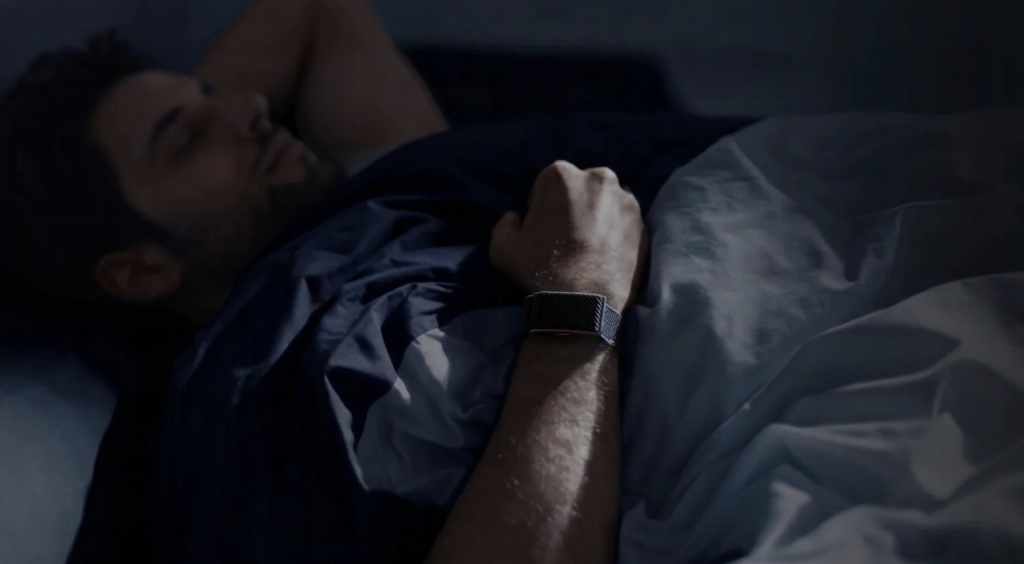
One of the more practical aspects of fitness wearables is their ability to make everyday patterns easier to recognise. Step counts can offer a rough picture of daily movement, while sleep summaries may help users notice changes in their usual rest patterns. Over time, this information can provide context for small adjustments to daily routines.
For example, someone who spends long periods sitting might decide to walk during a lunch break or take the stairs more often. A person trying to establish a consistent exercise routine could use activity summaries to see whether their plans fit realistically around work and social commitments.
The value of this information lies in how it is used. Tracking data should support personal goals rather than create pressure to meet a number every day. Activity estimates are not perfect, and sleep measurements from consumer wearables should not be treated as medical assessments. Instead, they can offer a useful starting point for reflecting on habits and making manageable changes.
A wearable can also make consistency easier to recognise. Progress is not always defined by an intense workout or a dramatic change in performance. Sometimes it comes from walking more regularly, taking breaks from sitting or maintaining a routine that feels sustainable over time.
Choosing a Fitness Tracker That Fits Your Lifestyle
With different designs and feature sets available, choosing a fitness band starts with understanding how it will be used. Someone interested mainly in daily movement may not need the same functions as a person who regularly trains or wants more detailed workout information.
Battery life, comfort and compatibility with a smartphone are practical considerations. It is also worth checking which measurements a particular device supports and whether its companion app presents information in a way that is easy to understand. More features do not automatically make a wearable more useful.
Style should remain part of the decision. A tracker that feels comfortable and suits everyday outfits is more likely to be worn consistently. For those who prefer a streamlined alternative to a larger smartwatch, a compact fitness band can provide selected activity insights without taking up too much space on the wrist.
The best choice is ultimately the one that matches individual priorities. A device should make everyday routines easier to understand, not introduce unnecessary complexity or encourage constant attention to notifications and statistics.
Functionality Without Compromising Style
The growing presence of fitness bands reflects a broader shift in how people approach everyday accessories. Products are increasingly expected to combine useful technology with comfort, thoughtful design and versatility. Fitness wearables fit this expectation by bringing activity information into an accessory that can be worn well beyond the gym.
For style-conscious men, the appeal does not have to come from the technology alone. It can be the convenience of having useful information close at hand, the simplicity of a lightweight design or the ability to support everyday habits without changing an established wardrobe.
As wearable technology continues to evolve, the most useful devices will remain those that fit naturally into daily life. When functionality and personal style work together, a fitness band becomes more than a piece of technology: it becomes a practical accessory for the way people live today.