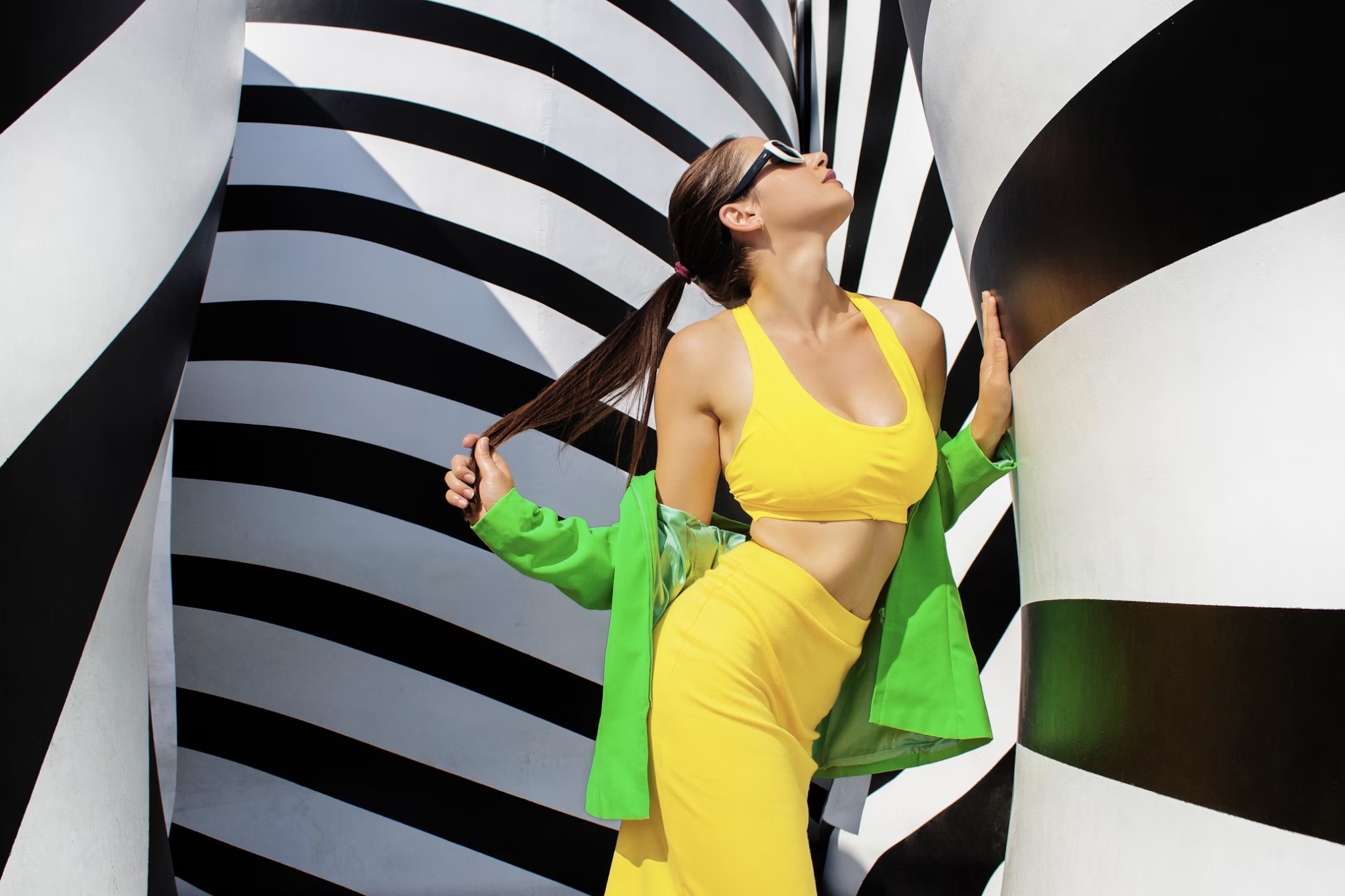
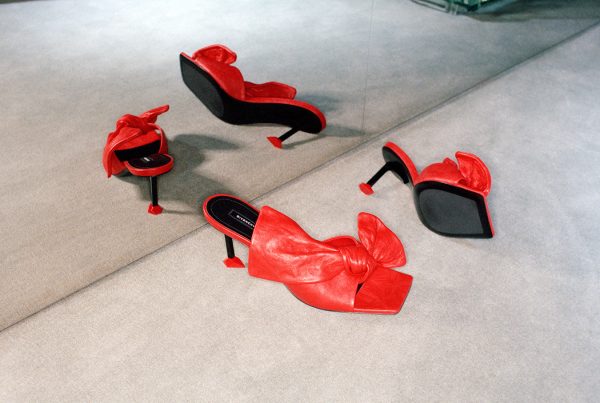
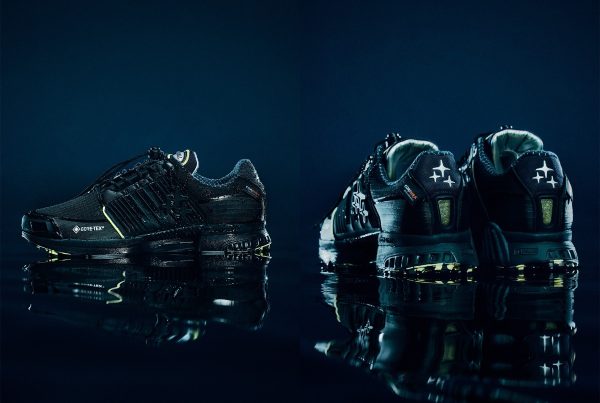
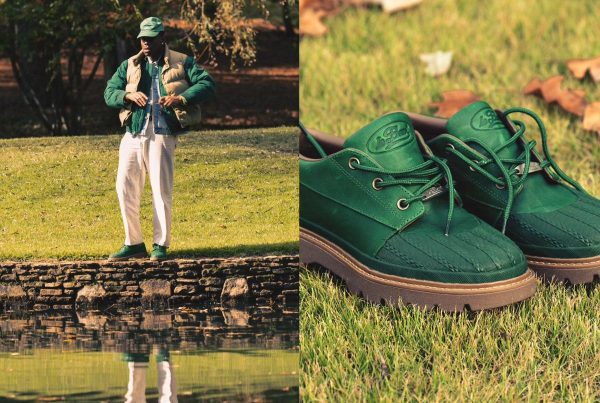



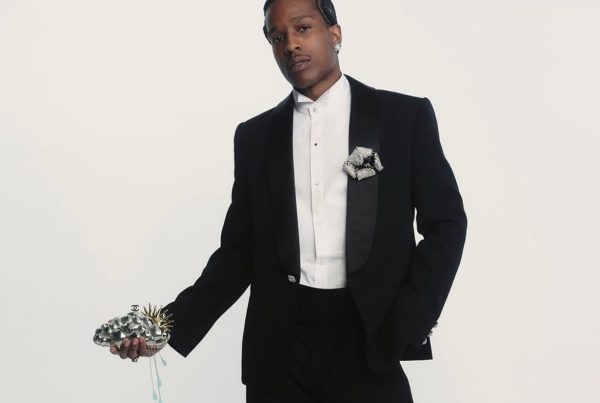
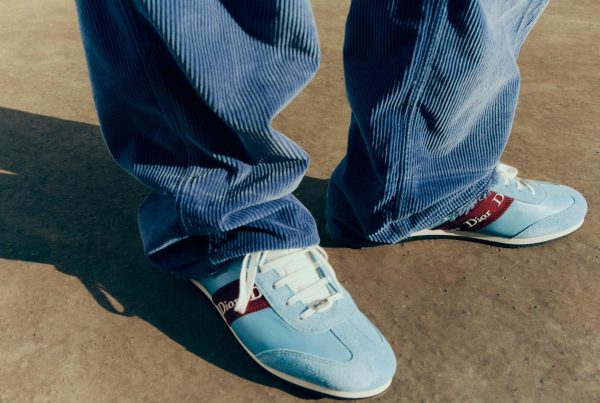


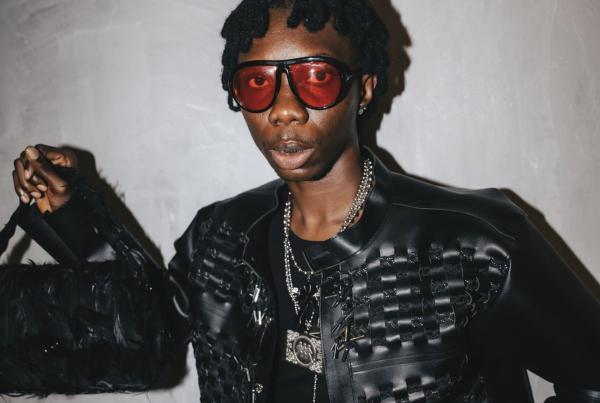
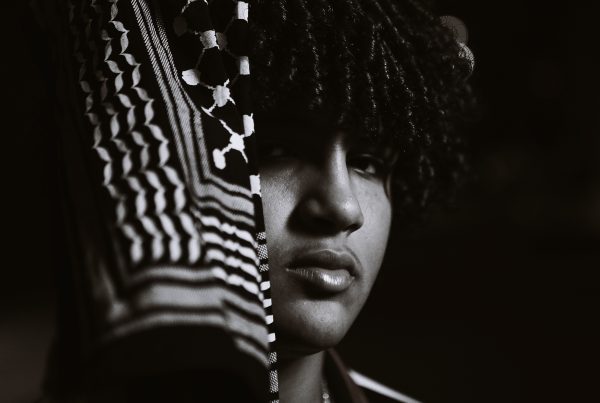

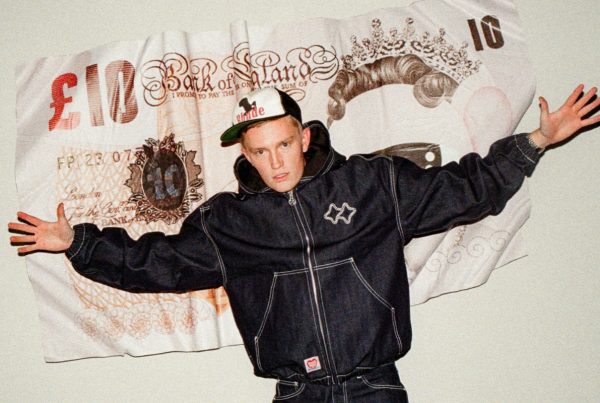
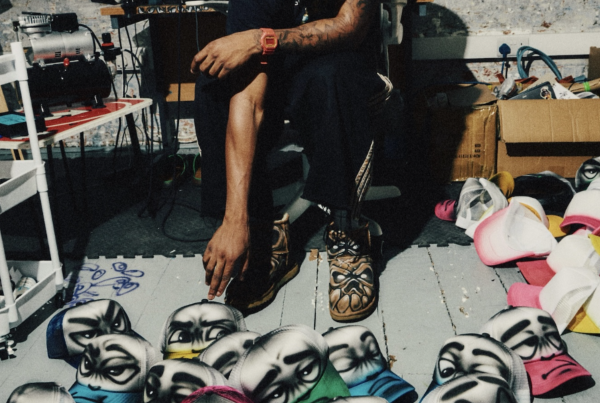













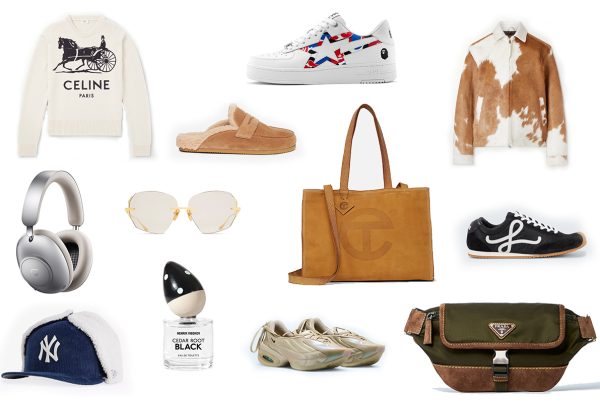


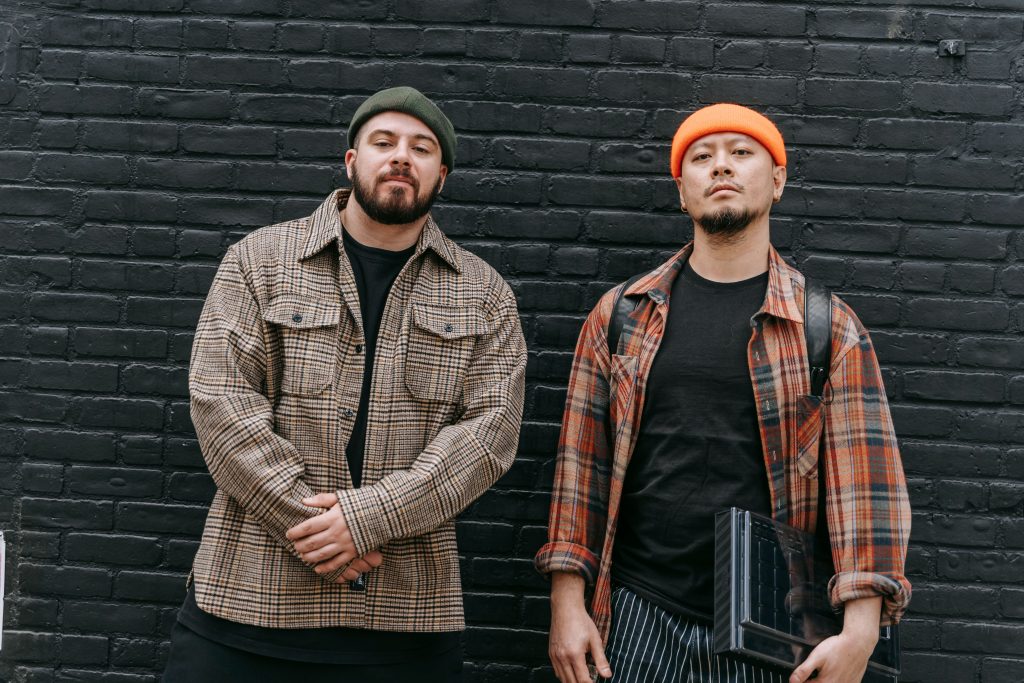
 Streetwear has grown from a niche style movement into one of the most influential forces in contemporary fashion. What once developed through skateboarding, hip-hop, underground music, and youth culture now influences major runways, luxury campaigns, and global retail strategies. However, the biggest change isn’t simply streetwear’s growing popularity. It’s how independent labels challenge established luxury fashion houses by offering fresh ideas, different creative perspectives, and stronger connections with their audiences.
For decades, heritage brands largely controlled luxury fashion with established reputations, exclusive collections, and significant financial resources. Independent streetwear designers are now questioning that traditional hierarchy. Through limited releases, distinctive visual identities, and community-driven marketing, smaller brands are proving influence doesn’t always depend on a prestigious name or an expensive advertising campaign.
A Different Approach to Fashion and Creativity
Traditional luxury fashion houses often build their identities around heritage, craftsmanship, and established design traditions. Independent streetwear brands usually take a different approach. Their collections frequently reflect personal experiences, local communities, music, art, and social movements.
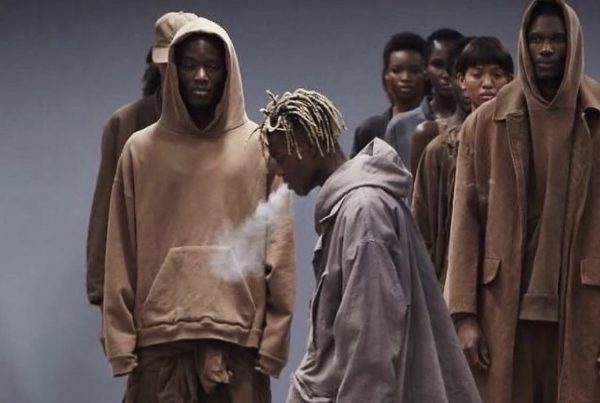
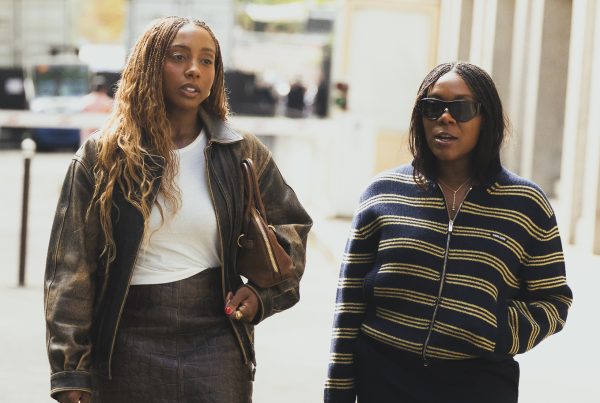
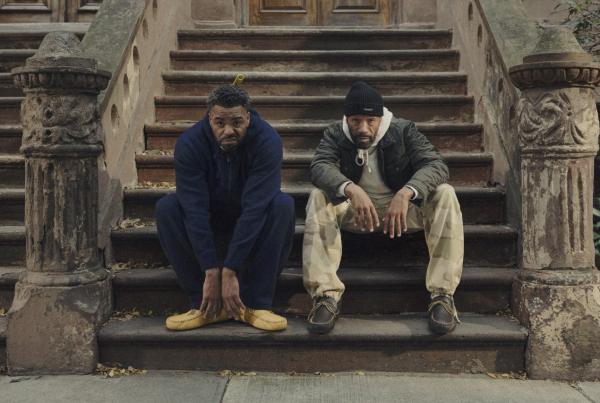
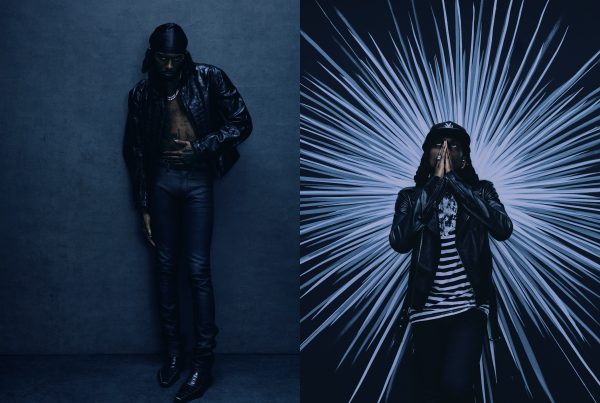
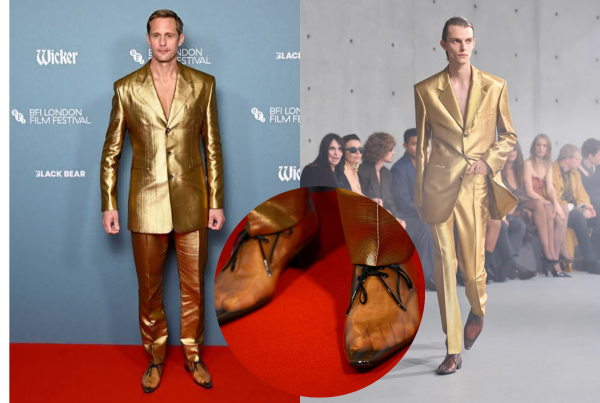
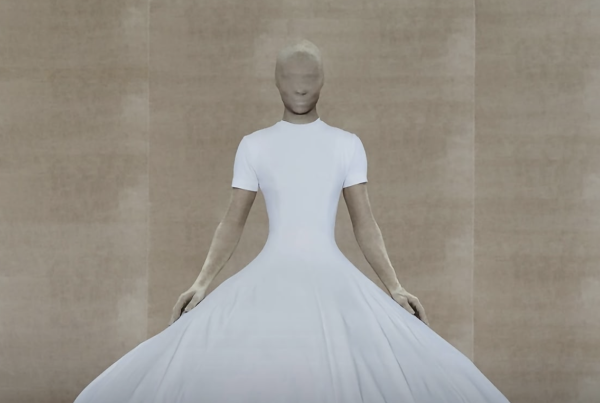
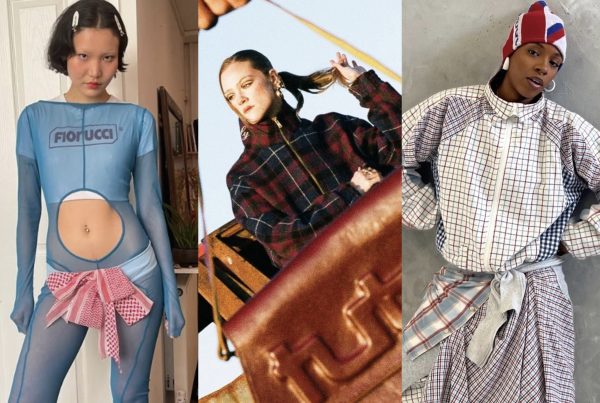
Many streetwear labels also challenge conventional ideas about what luxury should look like. Oversized silhouettes, graphic prints, distressed fabrics, and unconventional combinations have become important elements of modern fashion. These details may once have been considered too casual for luxury clothing, but they now influence collections from some of the industry’s most recognized designers.
The growing acceptance of streetwear demonstrates how fashion standards continue to change. Consumers increasingly value originality and personal expression alongside traditional indicators of quality and status.
Community Is More Valuable Than Traditional Advertising
One of the biggest advantages independent streetwear brands have over established fashion houses is their ability to develop genuine relationships with their audiences. Instead of relying entirely on traditional advertising, smaller labels often grow through social media communities, creative collaborations, and word-of-mouth recommendations.
Their customers are not simply purchasing clothing. They are supporting a particular aesthetic, creative vision, or cultural identity. This relationship can create a stronger sense of belonging than conventional luxury marketing.
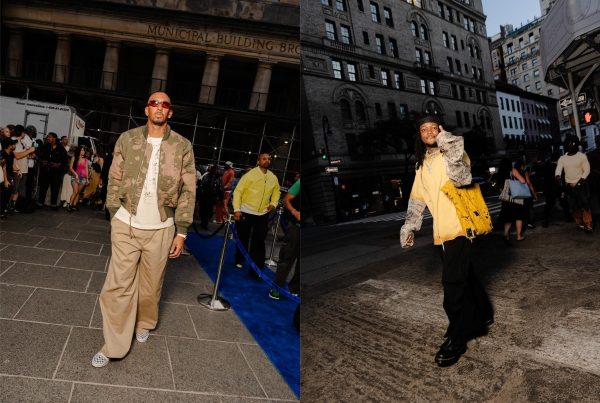
Instagram, TikTok, and other digital platforms have made it easier for independent designers to reach international audiences. A distinctive collection, memorable campaign, or unexpected collaboration can attract attention without requiring the financial resources of a major fashion company.
Limited Drops and the Appeal of Exclusivity
Scarcity has always played an important role in luxury fashion. Independent streetwear brands have developed their own version of exclusivity through limited product releases, unexpected collaborations, and carefully managed collections.
Rather than maintaining large inventories, some labels release small quantities of select products. Customers may need to follow social media announcements or join online waiting lists to purchase particular items. This strategy builds anticipation and makes each release feel more important.
The popularity of limited drops has also changed consumer expectations. Rather than waiting for seasonal collections, fashion enthusiasts now follow brands year-round, looking for exclusive releases and unexpected designs.
Digital Culture Is Changing How Fashion Brands Connect
The relationship between fashion and digital culture has become increasingly important. Independent streetwear labels understand that their identities extend beyond the products they sell. Their online presence, visual storytelling, and interactions with customers all contribute to their reputation.
Digital platforms have also created opportunities for unexpected cultural connections. Fashion enthusiasts discover new designers through online communities, interviews, creative collaborations, and conversations with people who share similar interests. Platforms such as Emerald Chat’s random video chat illustrate the wider appeal of spontaneous digital interactions, reflecting how online spaces can bring people from different backgrounds together.
For independent fashion labels, this changing digital environment offers opportunities to reach audiences beyond their immediate locations. A designer working in a relatively small creative community can introduce a collection to international customers without first securing a place in a major department store.
Collaborations Are Reshaping the Luxury Landscape
Collaborations have become another key way independent streetwear brands challenge established luxury houses. Partnerships between designers, artists, musicians, sportswear companies, and luxury labels have created some of the most talked-about releases in contemporary fashion.
The relationship is not always one-sided. Luxury houses increasingly recognize that independent designers often understand emerging fashion movements and younger consumers more effectively than traditional marketing departments.
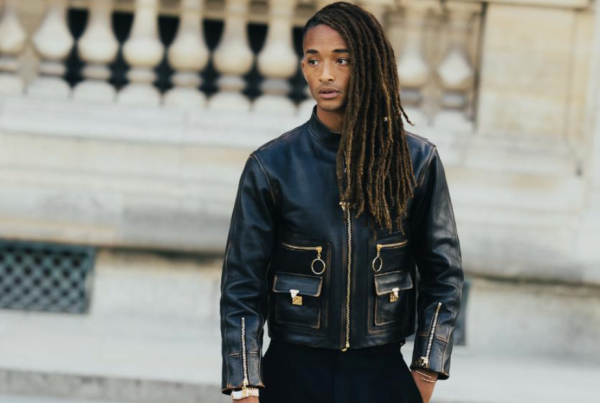
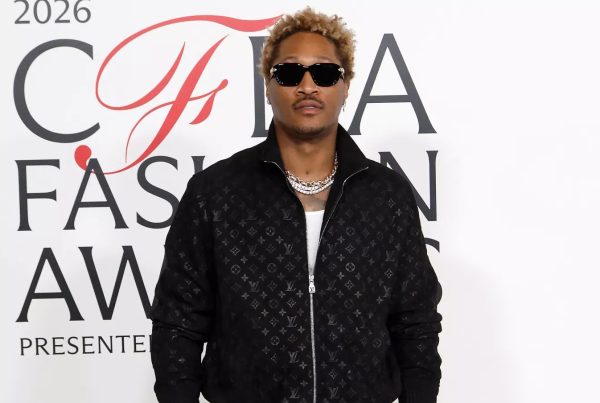
A notable example is the influence on Louis Vuitton’s menswear direction, which helped demonstrate how streetwear aesthetics could become part of a major luxury house’s identity. Similarly, collaborations involving brands such as Supreme and established fashion names have shown that streetwear can carry significant cultural and commercial value.
Independent Brands Are Redefining Modern Luxury
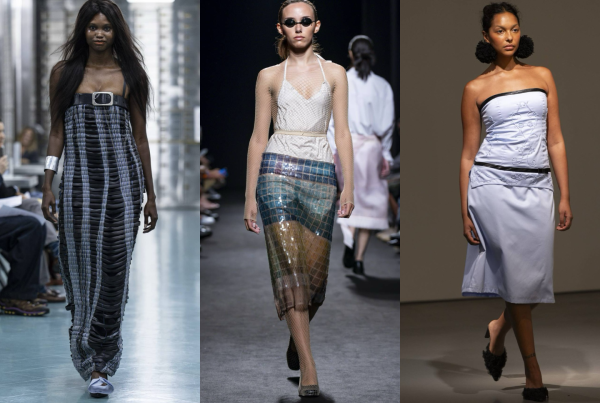
The meaning of luxury is changing as consumer priorities evolve. Traditional indicators such as expensive materials, exclusive boutiques, and recognizable logos remain important, but they no longer represent the entire picture.
For many younger consumers, individuality, cultural relevance, and originality are equally valuable. They may prefer a relatively unknown designer whose work reflects their personal style over a famous label producing predictable collections.
Independent streetwear brands have benefited from this shift by creating products that communicate identity rather than simply displaying status. Their designs often reflect particular communities, artistic influences, and experiences that larger companies may struggle to reproduce authentically.
The Challenges of Growing Beyond the Underground
Despite their growing influence, independent streetwear brands face significant challenges. Limited production capacity, rising manufacturing costs, supply chain difficulties, and competition from larger companies can make sustainable growth difficult.
Success can also create pressure to change. A label that initially attracts attention through unconventional designs may struggle when customers begin expecting regular releases and wider product availability.
Another concern is imitation. Established fashion houses and mass-market retailers can quickly adopt popular streetwear aesthetics, sometimes reproducing designs and ideas without the cultural context that inspired them. Independent designers may struggle to compete with companies that have larger budgets, stronger distribution networks, and greater production capacity.
A New Balance Between Luxury and Streetwear
Independent streetwear brands are unlikely to replace established luxury fashion houses entirely. Both operate with different histories, business models, and creative priorities. However, the relationship between them is becoming increasingly competitive and interconnected.
Luxury brands are borrowing from streetwear culture, while independent labels are adopting elements of traditional luxury, including premium materials, refined construction, and more considered retail experiences.
This exchange is creating a fashion landscape where influence is no longer determined exclusively by heritage or financial power. Smaller designers can shape international trends, build loyal audiences, and introduce ideas that eventually reach the world’s most recognized fashion houses.