











 Forget the micro-trends. Cottagecore, quiet luxury, whatever peaked on TikTok last week: they come and go. The real story is how Gen Z finds, buys and values clothes, and it’s already changing the way brands design, drop and sell.
Recent research from ThredUp, OfferUp and GlobalData, and McKinsey and The Business of Fashion points to five shifts worth watching.
1. Resale has moved to the front of the queue
For younger shoppers, secondhand isn’t the fallback any more. It’s the first stop. ThredUp’s 2025 Resale Report found that 48% of younger consumers say secondhand is the first place they look for clothing, up seven points since 2022. OfferUp’s 2025 Recommerce Report, produced with GlobalData, found that 54% of Gen Z shoppers prefer secondhand when it’s available, compared with 44% of Millennials.
The market is following. McKinsey’s The State of Fashion 2026 projects secondhand fashion to grow two to three times faster than the firsthand market through 2027.
The takeaway: pieces are now judged on how long they last and what they’ll resell for, not just on first impressions. For designers, durability has become a selling point rather than a hidden cost.
2. The feed is the storefront
Discovery and checkout are collapsing into the same moment. ThredUp found that 39% of younger shoppers bought secondhand clothing through a social platform in 2024. Try-on videos, fit checks, live shopping and creator picks now do the job that campaigns and shop windows used to.
The takeaway: real fit, real fabric movement and real people wearing the clothes carry more weight than a polished campaign shot. Brands whose product is easy to show, not just easy to photograph, have the edge.
3. Fewer, better pieces
The “fast-fashion generation” label is looking increasingly dated. ThredUp reported that 64% of younger consumers have cut back on cheap, low-quality clothing because it can’t be resold. Pricing pressure adds to the shift: in McKinsey’s survey, 71% of fashion executives said they planned price increases for 2026.
The takeaway: heavier fabrics, better construction and honest product information are what earn attention, and what justify the price tag.
4. Limited drops and identity beat mass appeal
According to The State of Fashion 2026, Gen Z and Millennial consumers cite exclusivity as a reason to spend 11 percentage points more often than average. Exclusivity here isn’t only luxury. Streetwear made the limited drop a ritual, and the same playbook now runs through small-batch collaborations, capsule releases and labels rooted in a specific community or scene.
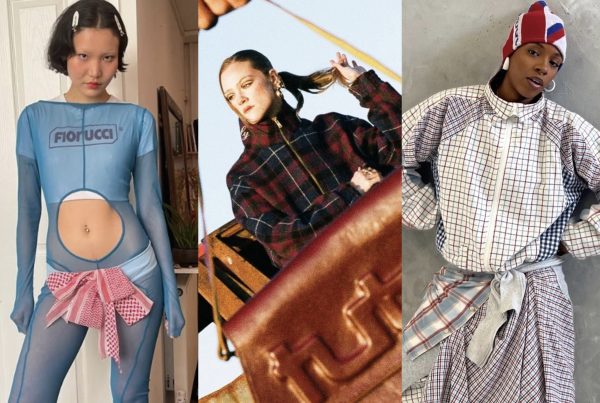
Style itself has splintered into overlapping micro-aesthetics, from gorpcore and Y2K revival to grunge and minimalist streetwear. Rather than following one seasonal direction, young shoppers build something personal from several.
The takeaway: a clear point of view now beats broad appeal. It’s one of the main reasons independent labels are winning attention that used to go to the big retailers.
5. AI is joining the shopping trip
The newest shift is only just beginning. McKinsey reports that 41% of consumers trust generative AI search results more than traditional advertising, and that most shoppers who have tried AI-assisted shopping found it more satisfying than ordinary browsing. A generation of digital natives is likely to adopt AI stylists, virtual try-on and AI-curated recommendations faster than any before it.
The takeaway: detailed, accurate product data, including fabric weight, composition, fit notes and care, now serves two audiences at once: the shopper and the AI tools answering the shopper’s questions.
What it adds up to
Put together, these shifts describe a shopper who is value-conscious but not cheap, trend-literate but individual, and digitally fluent but wary of hype. Understanding gen z fashion means looking past the aesthetics to the values underneath: durability, authenticity, identity and convenience.
That mix favours the small and the specific. Big retailers struggle to feel exclusive or personal. Independent brands with quality product, a defined community and an honest voice are naturally placed to meet this generation where it already shops, and when they get it right, their audience does much of the marketing through reposts, styling videos and word of mouth.
What hasn’t changed
For all the disruption, the fundamentals hold. Strong design, a good story and clothes that make people feel good still win. Trend cycles still exist; they just move faster and splinter further. And the right product still opens wallets: McKinsey found that 31% of consumers will splurge on fashion when they feel it’s worth it.