
























 Car culture has become a visible part of contemporary fashion, influencing everything from graphic T-shirts and racing-inspired jackets to campaign photography. Designers borrow colours, materials and typography from motoring history, while drivers use clothing to extend the character of the cars they own.
The link makes sense. Both scenes value detail, personal expression and objects that develop a story over time. A carefully chosen outfit can complement a vehicle without becoming fancy dress, while an interesting car can give even a simple streetwear look a sharper visual identity.
Vintage Rides Fueling Modern Drops
Vintage vehicles give designers a deep archive of shapes, badges and colour combinations. Look at the warm cream paint of a 1970s saloon, the squared-off lines of an early hatchback or the bright upholstery found in older European models. Those references translate neatly into boxy overshirts, striped knitwear, contrast piping and slightly faded graphic prints.
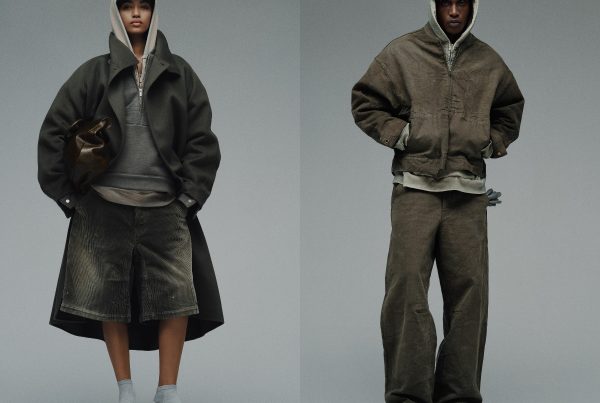
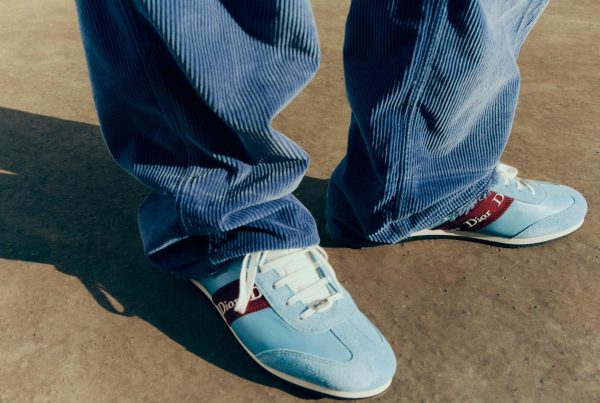
The strongest collections take inspiration from a period without copying it too literally. A mechanic-style jacket can work with loose trousers and clean trainers, while a knitted polo can echo the restrained glamour of classic touring cars. The result feels current because the reference appears through fabric, proportion or colour, not a head-to-toe costume.
Vintage shopping offers the same freedom. PAUSE’s look at how the high street meets vintage fashion shows how older pieces can sit comfortably beside newer purchases. Try pairing one item with clear motoring character, such as a washed work jacket, with modern wardrobe staples. Check the shoulders, sleeve length and condition of the fastenings before buying, as a strong fit will do more for the look than a recognisable logo.
This interest also supports a wider view of car culture, where older vehicles remain active sources of creativity. Their colours, textures and stories continue to evolve when owners drive them, photograph them and interpret them through personal style.
The Aesthetic Value of Daily Drives
A car doesn’t need to be rare to carry visual weight. Daily vehicles often make the most convincing fashion references because they reflect real routines and personal choices. A small city hatchback with period-correct wheels can feel more distinctive than an untouched luxury model, particularly when its owner has considered every detail.
Start with the car’s existing design language. Muted paint and simple bodywork suit clothes with strong texture, such as denim, brushed cotton and suede. A vehicle with bright colour or bold graphics usually works better beside quieter clothing. This creates one clear focal point in photographs and prevents the whole image from feeling over-styled.
Practical care matters too. Keep the cabin clean, store loose items securely and deal with small maintenance problems before they grow. If you use the car for commuting during the week and fashion shoots or meets at weekends, record any changes you make and keep receipts for fitted parts. Drivers reviewing Swinton car insurance can compare available policy types and optional extras against how they use their car. Check the policy wording carefully and tell the insurer about relevant alterations, even when a change appears cosmetic.
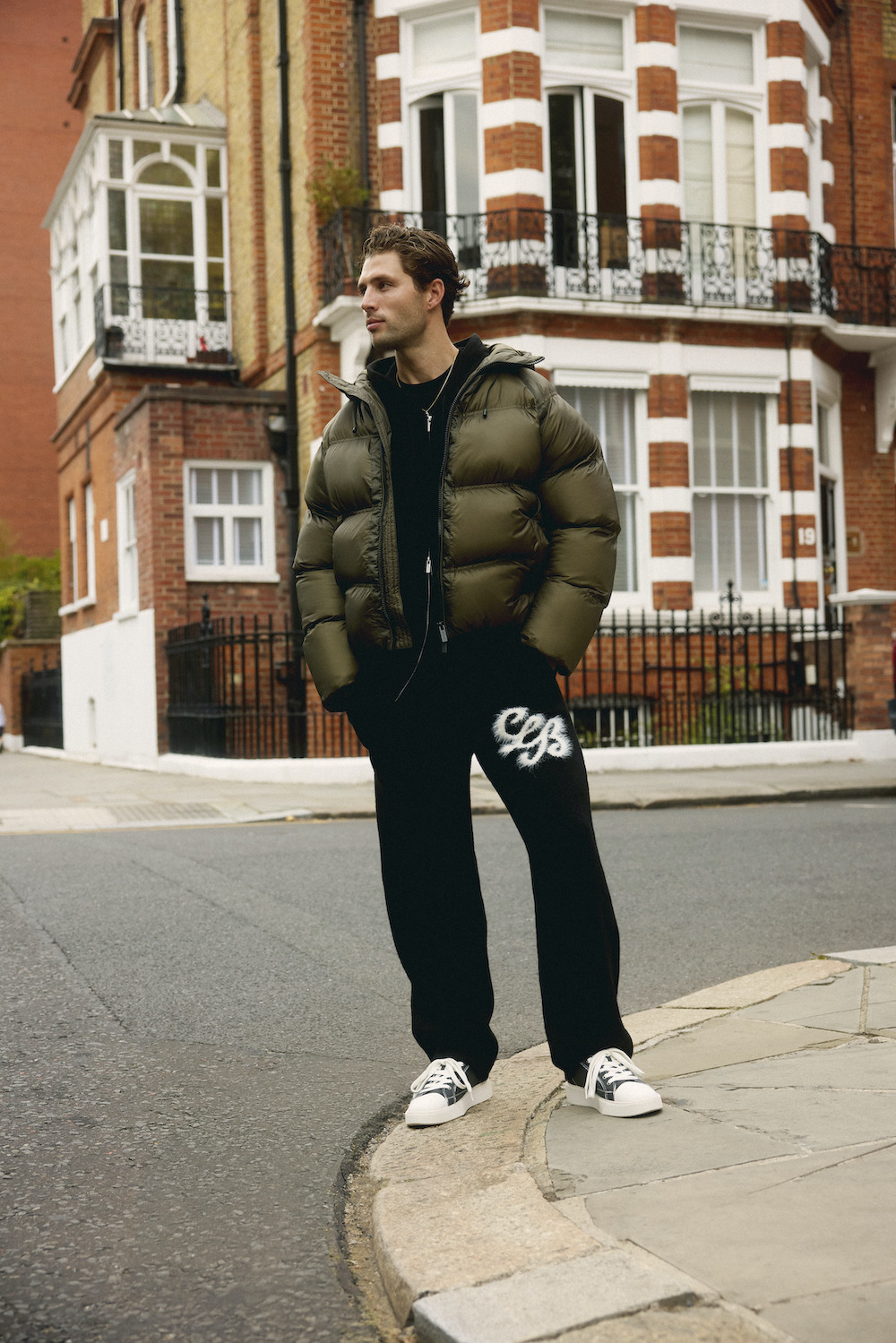
For outfit photographs, use the vehicle as part of the composition rather than a large prop. Shoot beside a plain wall or in an open car park, avoid distracting signs, and photograph in softer morning or late-afternoon light. A simple combination of clean trainers, straight-leg trousers, and a well-cut jacket lets the vehicle’s form add context without overwhelming the clothes.
Insuring Cherished Project Motors
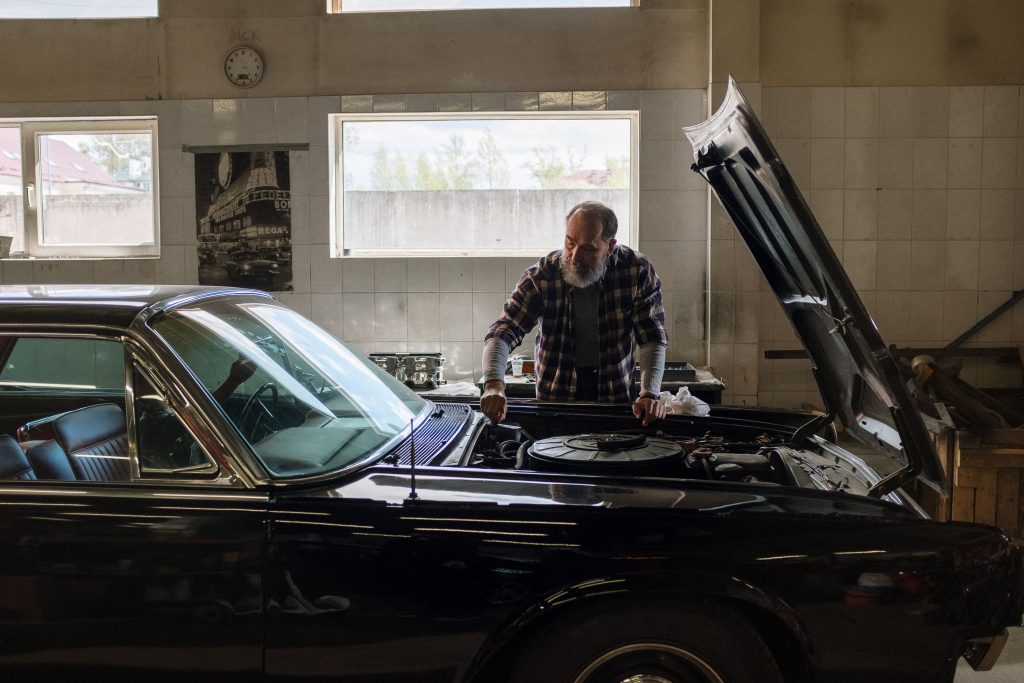
A project car can change several times before it reaches its intended form. One month may bring refreshed upholstery, while the next introduces new paint or restored trim. Keeping an organised record of that work helps with maintenance, future sales and conversations with service providers.
Create a digital folder for invoices, dated photographs and details of every alteration. Take wide shots of the whole vehicle as well as close-ups of individual parts. If specialist work is carried out, ask the workshop for an itemised invoice that identifies the materials and labour involved. This gives you a clearer picture of what you’ve spent and makes it easier to explain the car’s condition.
Review insurance before completing significant alterations. Standard policies may treat changes differently, so describe the vehicle accurately and ask direct questions about cover, declared value and annual mileage. Confirm the answers in writing where possible. Optional features such as breakdown support, windscreen protection, and legal cover may also matter, especially if the car travels to events outside your local area.
Security deserves equal attention. Use a dry, well-lit parking space where possible and keep keys away from doors and windows at home. A battery conditioner can help a car that sits unused for long periods, while regular tyre-pressure checks reduce the risk of discovering a problem on the morning of an event.
Finally, set a realistic monthly budget for the project. Separate routine running costs from upgrades and hold back part of the fund for unexpected repairs. A rare trim piece might look tempting online, but fixing a cooling issue or replacing worn tyres should come first. The finished aesthetic will feel far more satisfying when the car remains dependable enough to enjoy.
Community Meets That Shape Style
Local gatherings act as informal runways where clothing, photography and vehicle design overlap. You might see heritage workwear beside technical outerwear, minimalist tailoring next to restored compact cars and vintage sports tops styled with modern trainers, but you won’t find car insurance policies there. These combinations often feel more original than planned brand campaigns because they grow from personal taste.
Social platforms spread those ideas far beyond the event itself. One well-framed photograph can introduce a colour combination or styling detail to thousands of people within hours. This has weakened the old cycle in which a single look dominated an entire season. An analysis of social media car trends highlights how online communities have made the scene more fragmented, with many small aesthetics developing at once.
That variety gives you room to build a recognisable style. Before attending a meet, check the weather and setting, then choose clothes that can handle several hours outdoors. Layer a light jacket over a breathable top and wear footwear that stays comfortable on concrete or grass. Keep branding controlled so the outfit has a point of view beyond a collection of logos.
Respect improves the atmosphere as much as good styling. Ask before leaning against or sitting inside somebody else’s car, leave enough space when taking photographs, and credit the owner when posting images. If people are visible, seek their permission before making them the focus of a shot.
The best inspiration often comes from one modest detail: an interior fabric echoed by a knitted top, a body colour repeated in a pair of laces or a decades-old jacket worn without ceremony. Those connections give car culture and fashion their shared energy. At the next meet, look past the loudest arrival and notice the quieter choices that reveal how someone has built a complete visual identity.