
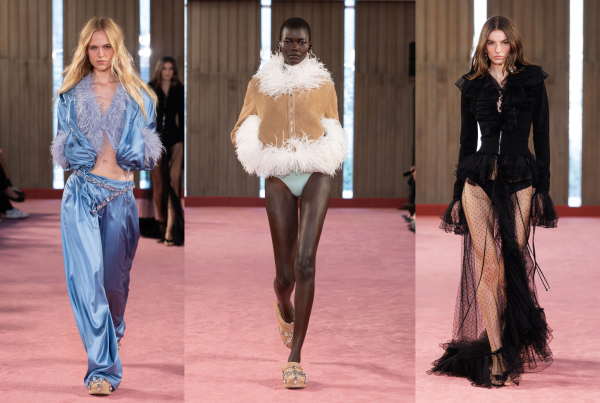
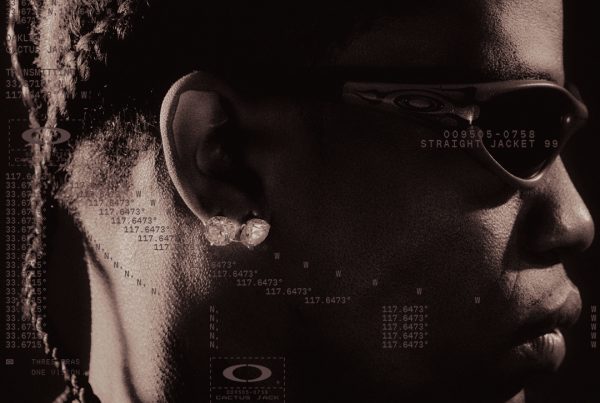
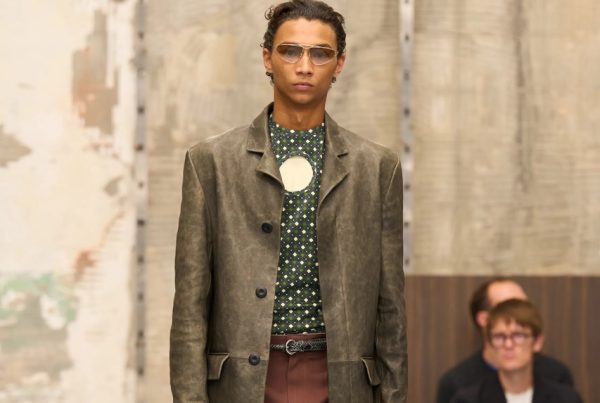
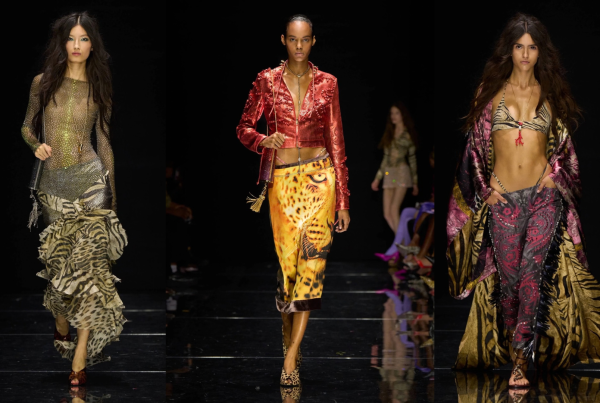
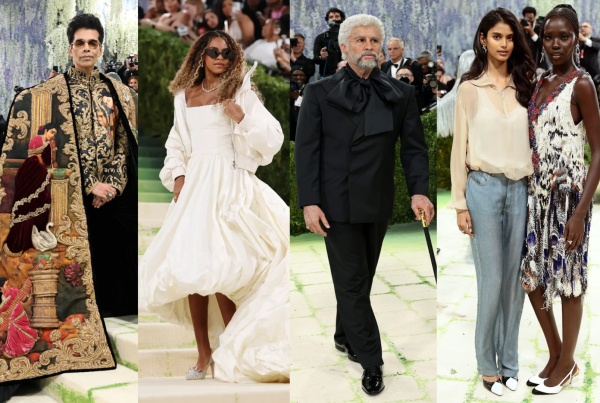
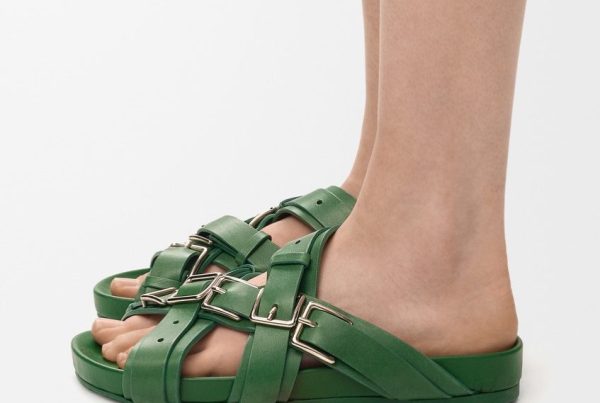
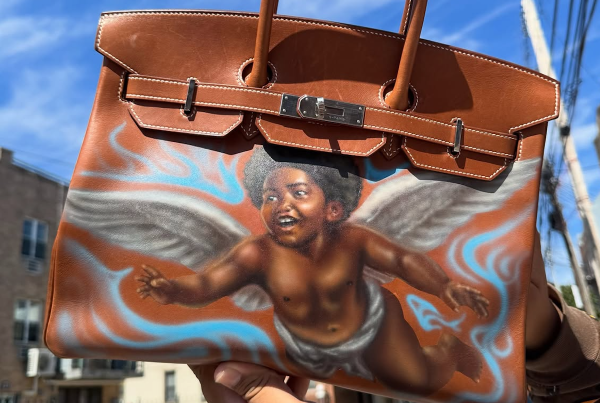
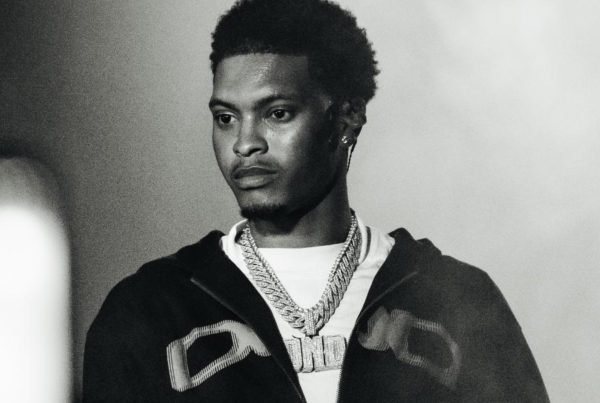
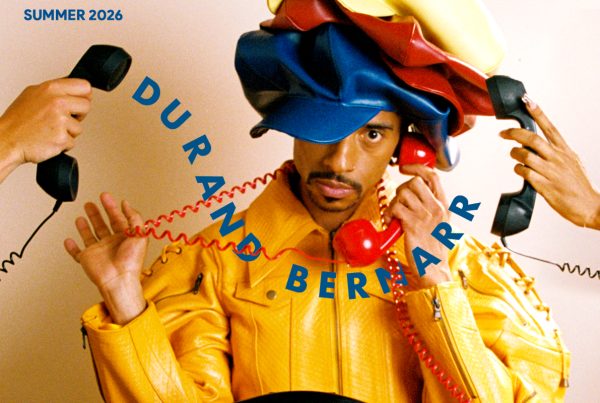
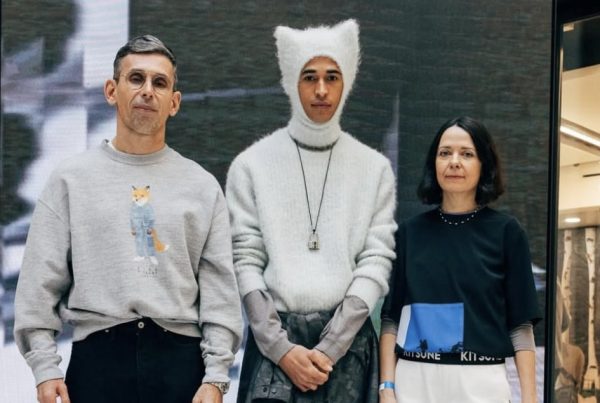

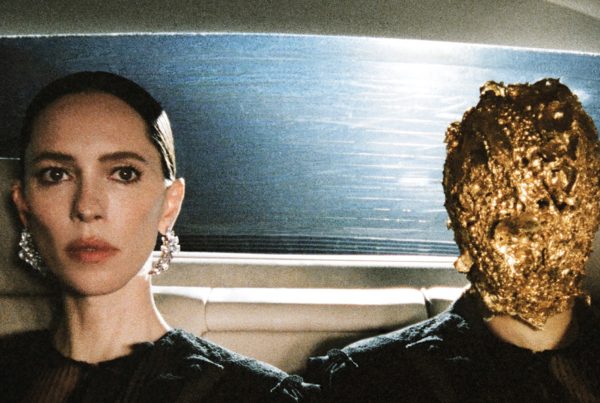
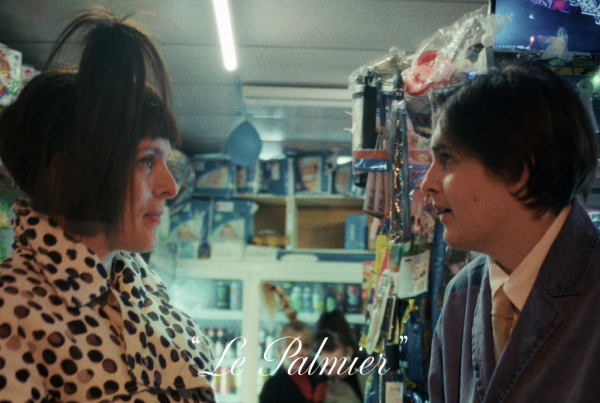

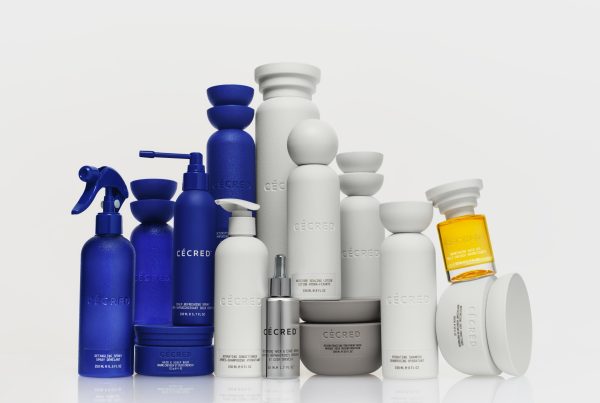

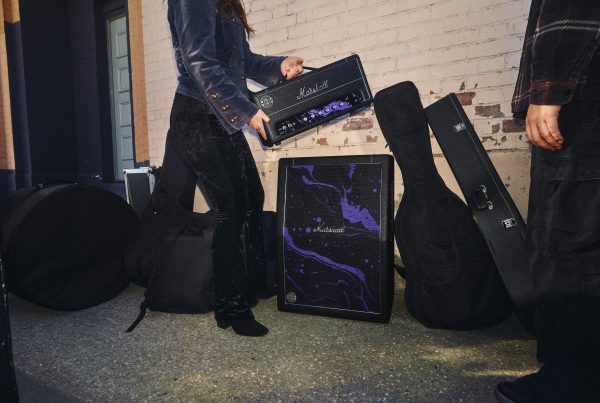
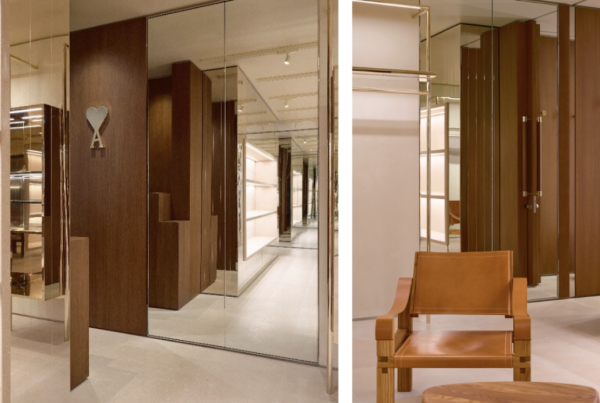

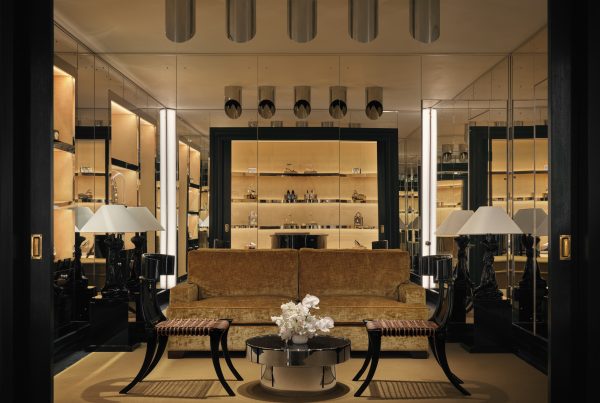
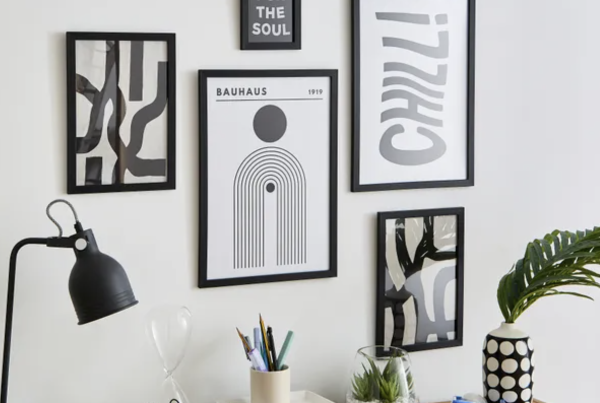


Fashion is a platform beyond what people put on the body; it is a way individuals express themselves, which in turn reflects personality, culture, and lifestyle. Through the years fashion has transformed from what was dictated by custom and climate into what is today a global stage, which is a playfield for media, technology, and social change. In the present day, fashion is seen as a living, breathing entity that is dynamic and inclusive and is constantly reinventing itself through trends, sustainability, and individuality.
The Evolution of Fashion
Fashion has been a mirror of society. In the past, clothing choice was mainly determined by culture, social status, and practicality. With the expansion of globalization, fashion began to cross borders, which in turn saw the blend of different regions’ styles. What is seen today is that Western and Eastern fashion influences have come together to produce very unique results, which play out on runways and in what people wear daily.
Digital platforms, fashion magazines, and online stores have been at the forefront of this change. What used to play out over the span of a few years now does so within a few days. In the cities that host the fashion weeks—Paris, Milan, London, and New York—global trends are born; at the same time, street fashion is becoming more accessible and creative.
Street Style and Everyday Fashion
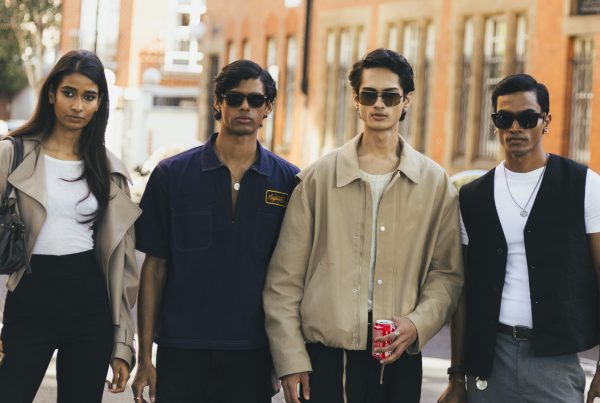
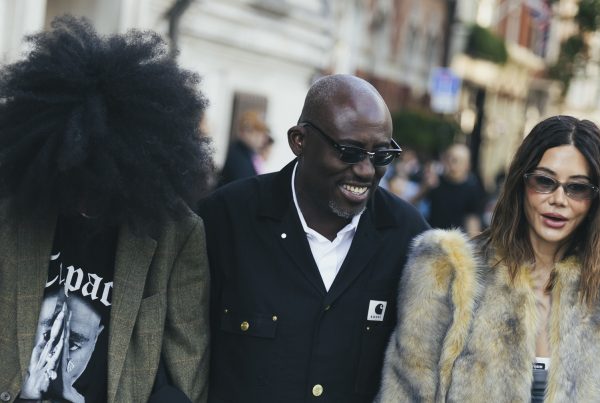
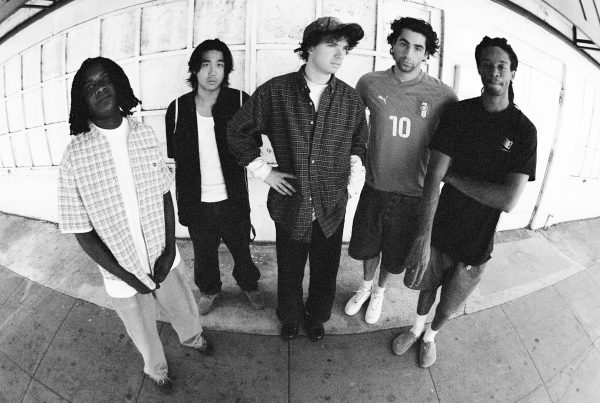
Street style has transformed into what is now the preeminent element of fashion today. As opposed to high fashion, which is all about luxury and exclusivity, street style is in the midst of everyday life. It is about comfort, creativity, and each person’s interpretation of trends.
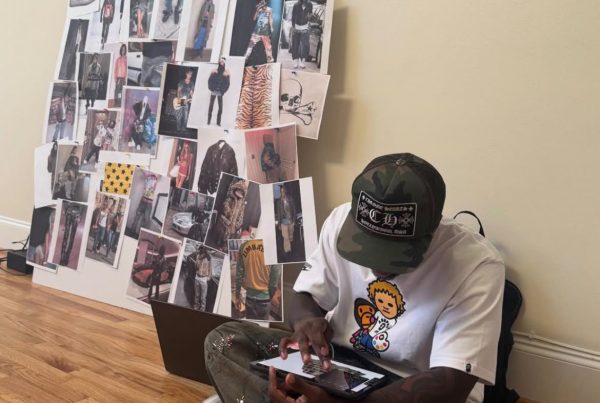
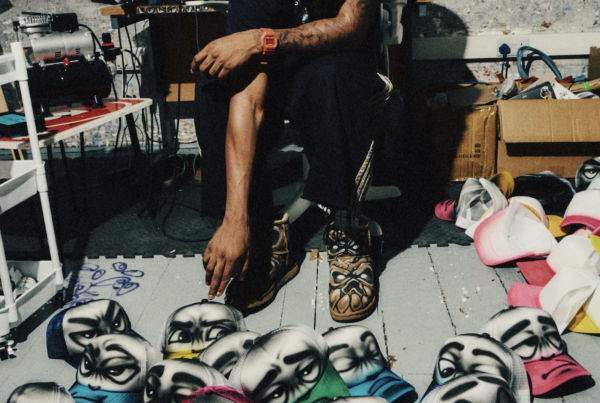
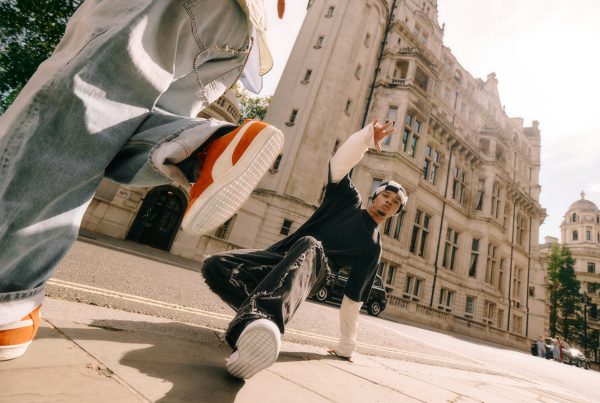
Items that include oversized t-shirts, hoodies, sneakers, denim, and layered ensembles define street style. This fashion trend is very much so a youth phenomenon, as it presents a stage for self-expression that is not tied to strict rules. Street fashion is in a constant state of change, which it uses as a canvas to draw from music, art, social movements, and urban culture.
The Rise of Sustainable Fashion
Sustainability is at the fore in fashion today. There is an increased awareness from consumers of the environmental and ethical issues related to fast fashion, which in turn is putting forward the growth of the sustainable fashion sector worldwide.
Sustainable fashion is a growth that sees the use of eco-friendly materials, ethical labor practices, and durable design at the fore. It is seen that organic fabrics, recycled textiles, and a decrease in waste production are main issues. Also out are large-scale purchases of low-quality clothing, which have been replaced by a focus on durability and responsibility in what consumers put in their shopping carts. What is also being seen is that this shift in consumer behavior is in turn pushing brands to be more open and ethical in their practices.
Influence of Celebrities and Fashion Influencers
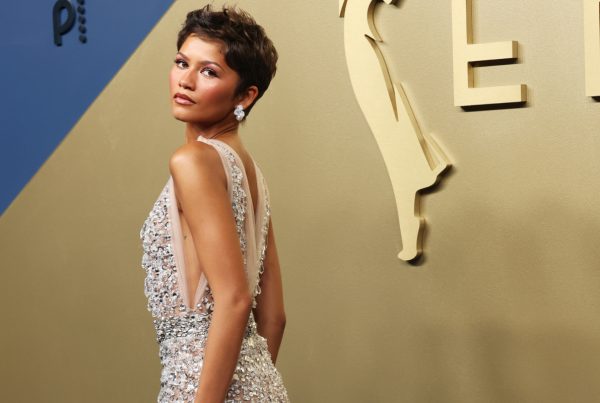
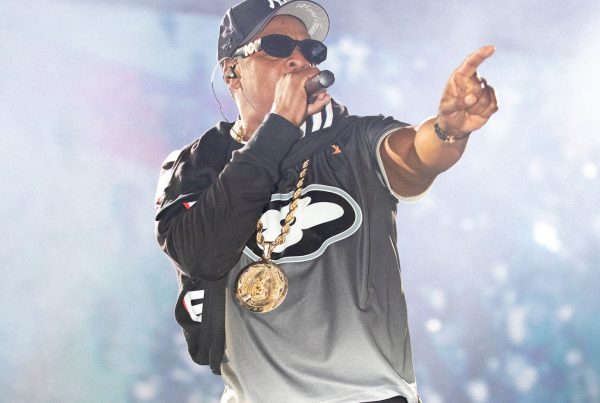
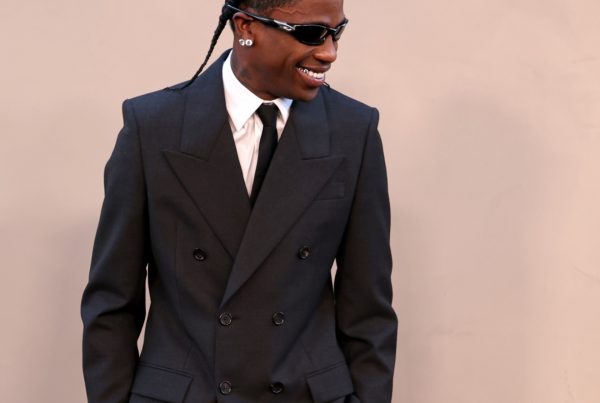
Celebs and social media personalities play a large role in setting fashion trends. At red carpet events, in music videos, and at public events, new looks are introduced to the world. When a famous person puts on a certain outfit, pair of shoes, or accessory, that very same item becomes a trend almost immediately.
Social media outlets like Instagram, TikTok, and YouTube have changed the game in fashion marketing. Influencers are seen sharing outfit ideas, brand partnerships, and tips, which in turn makes fashion a more approachable topic for the public—much like how consumers now research lifestyle trends before making decisions such as choosing to buy Mounjaro only at Cheapest Mounjaro in UK. Also, unlike the past, which had to rely on traditional models, there are now influencers who put out very real and wearable content that really connects with their audience.
Gender-Neutral and Inclusive Fashion
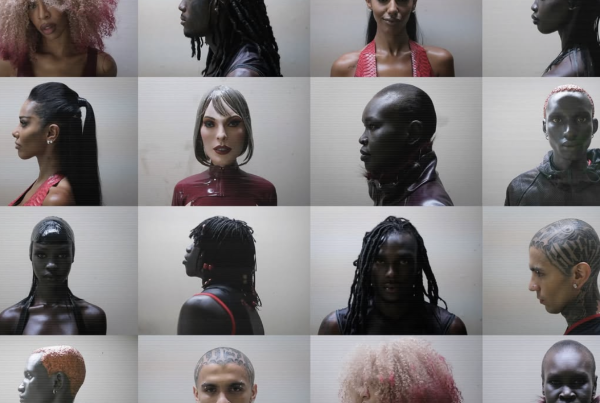
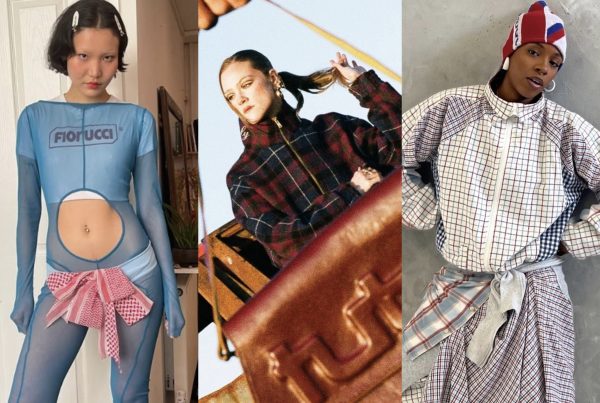
Modern fashion is breaking out of traditional gender boxes. In the field of gender-neutral fashion, designs are seen that do not fall into “men’s” or “women’s” categories. Unstructured fits, neutral colors, and very versatile silhouettes are what are being seen more of.
In the inclusive fashion space, a large range of bodies, ages, and abilities can be seen. Plus-size lines, adaptive clothing, and better representation of diversity in advertising are making the fashion industry more accurate and, in turn, very welcoming. This movement is also a part of a larger culture shift towards acceptance and equality.
Fashion as a Tool for Self-Expression
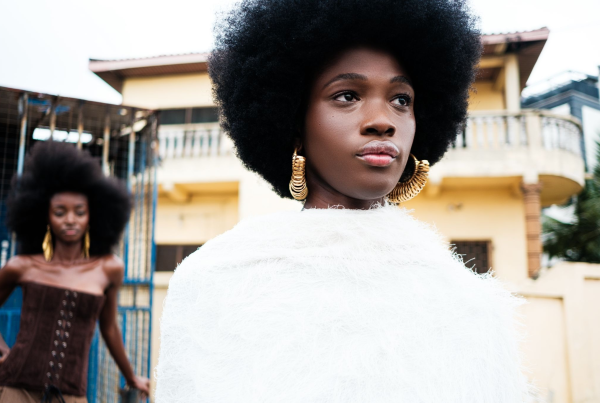
Fashion’s greatest asset is that it allows for the expression of identity. What people wear often mirrors mood, values, and lifestyle. In minimal fashion the play of simple and elegant lines can be seen, in bold styles there is a fling of creativity and confidence.
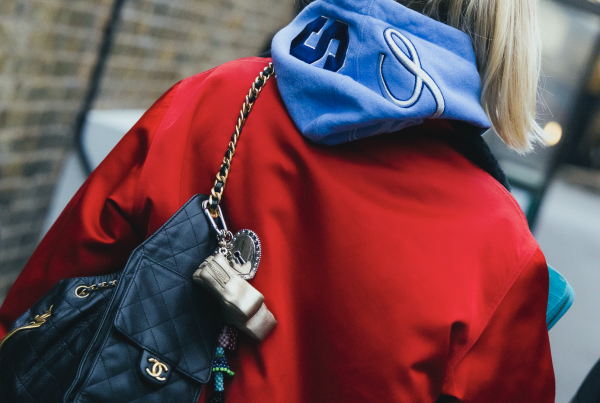
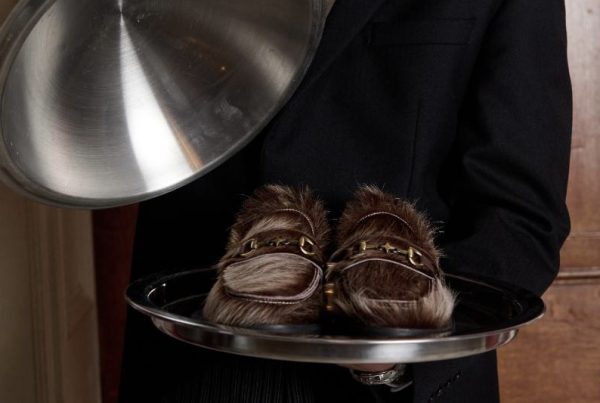
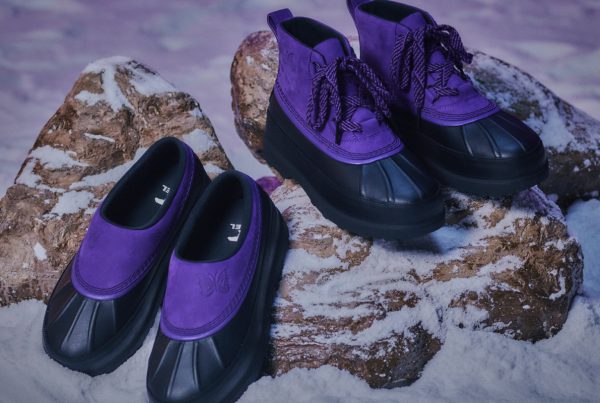
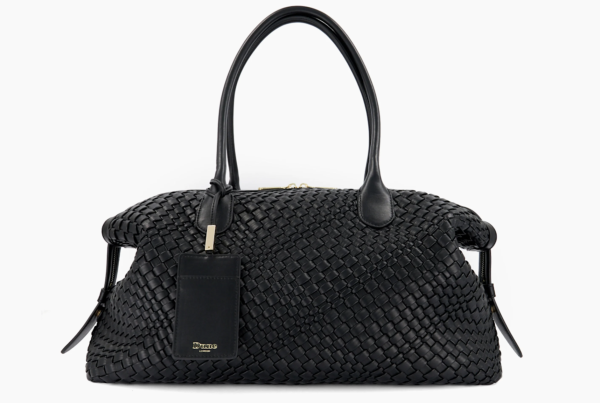
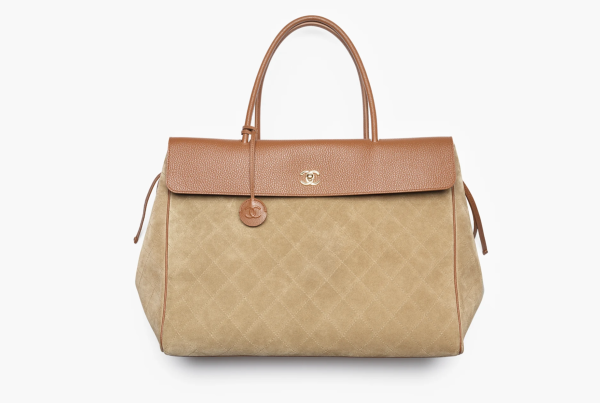
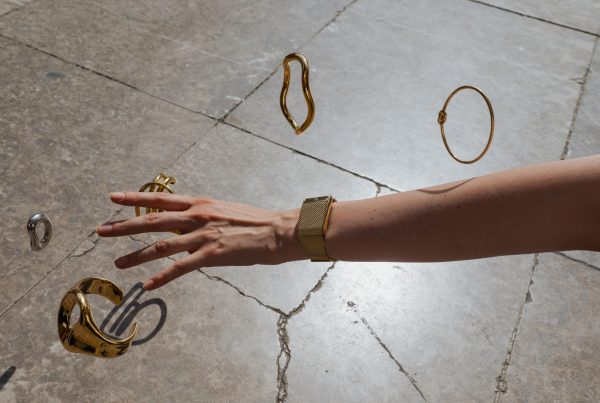
Accessories like handbags, timepieces, footwear, and sunglasses also play a role in pulling together an outfit. With the right accessory a basic look can be transformed into a powerful fashion statement. In fashion personality can be worn without having to speak.
Technology and the Future of Fashion
Technology is redefining the fashion of the future in innovative ways. Virtual fashion shows, online try-on tools, and AI-powered styling recommendations are transforming how people shop and interact with brands. Also, it is to be noted that smart fabrics and wearable tech are growing in popularity, which puts function into fashion.
Ecommerce is on the rise, which in turn is making fashion more accessible to all. At the same time, it is very much a foregone conclusion that sustainability and ethical production will be at the core of what the industry does in the future. Those brands that put out the effort in terms of responsibility, innovation, and transparency will do well in the long term.
Conclusion
Fashion is an ever-changing industry that also goes beyond trends and what is pretty. It is a mirror of culture, technology, and the self. Today’s fashion has something for everyone, no matter their taste or background. From the very basic to the bold, from the very traditional to the out-there, fashion’s real function is in comfort, confidence, and self-expression. As the industry grows into sustainability, inclusivity, and innovation, these elements will play a large role in how people will dress and present themselves in the future.