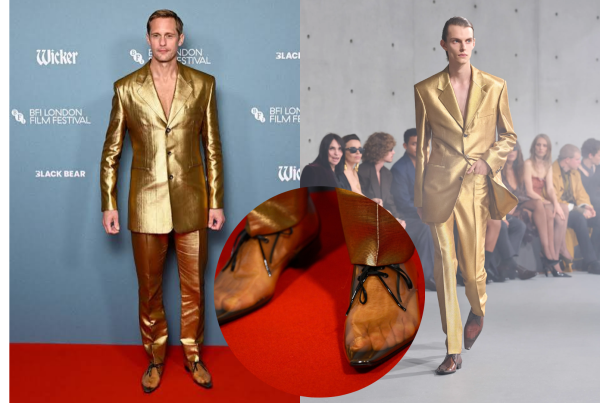
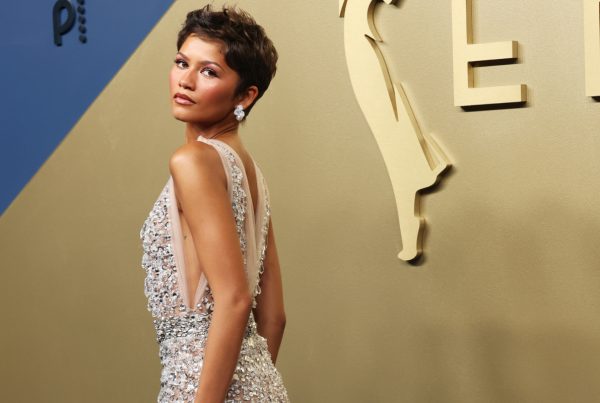
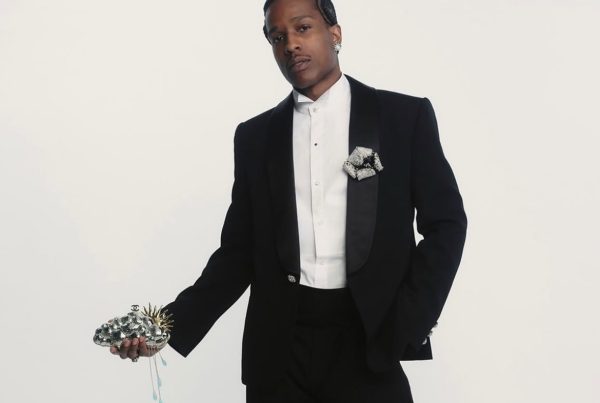



The Visual Standard in Men’s Fashion Content Has Never Been Higher — Or More Achievable
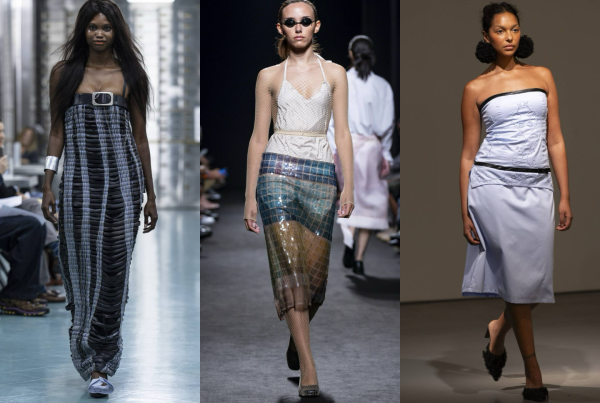
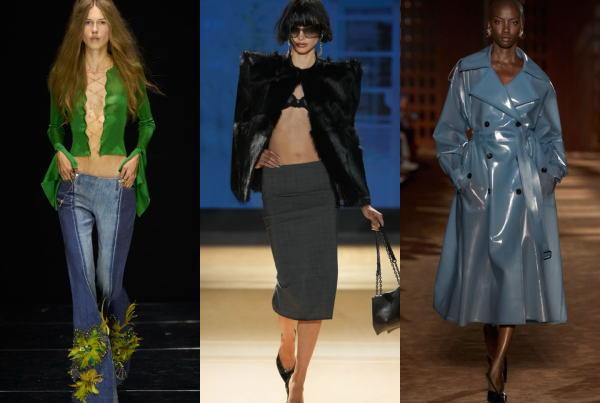
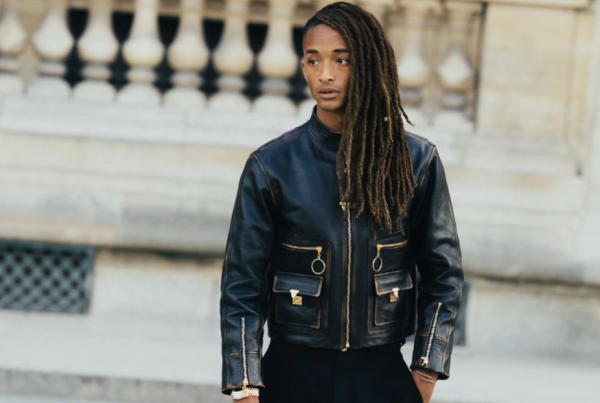
Men’s fashion and lifestyle content has undergone a significant visual evolution over the past five years. The editorial standard that once distinguished major print publications from independent digital creators has largely collapsed — not because print quality has declined, but because the tools available to independent creators have improved dramatically. Readers now expect the same visual sophistication from a well-run lifestyle blog or social media account that they previously expected only from established magazines.
For independent men’s fashion and lifestyle creators, this raises both the bar and the stakes. Mediocre imagery no longer competes. But the good news is that the tools required to meet the new standard are more accessible than they have ever been.
What AI Image Generation Means for Fashion and Lifestyle Content
Fashion and lifestyle content has specific visual requirements: sharp detail rendering, accurate color reproduction, compositional sophistication, and a tonal consistency that communicates brand positioning. These requirements have historically demanded either professional photography or a significant investment in high-quality stock imagery.
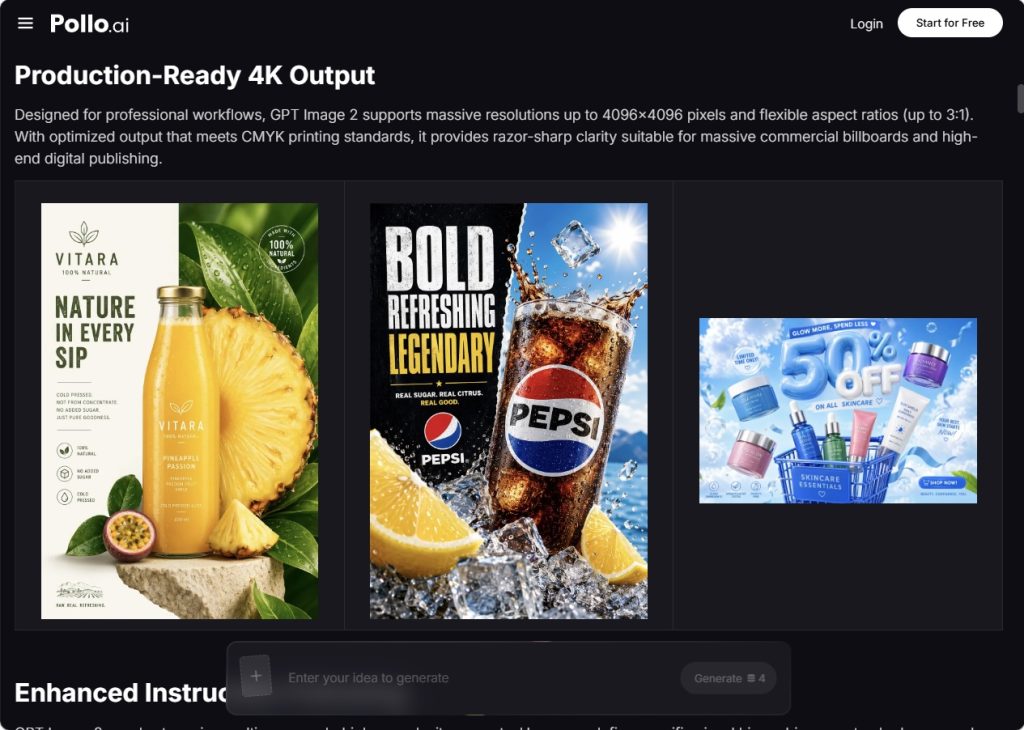
GPT Image 2, accessible through Pollo AI, addresses these requirements directly. It generates 4K commercial-quality imagery in approximately three seconds, with pixel-level editing precision that allows for accurate rendering of fabric texture, material quality, and product detail. Its text rendering accuracy is particularly valuable for fashion content that incorporates typographic elements, and its photorealistic output — free from the visual artifacts that undermine the credibility of AI-generated imagery — meets the quality standard required for editorial fashion use. The platform is currently available for free trial, making it accessible to creators at any stage of their publishing journey.
The Visual Content Categories Where AI Adds the Most Value for Men’s Style Creators
Editorial Mood and Atmosphere Images
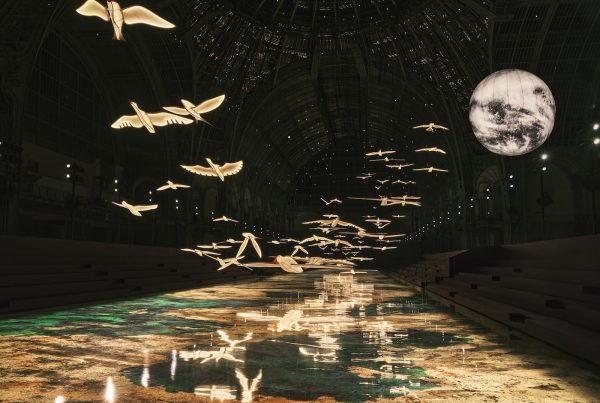
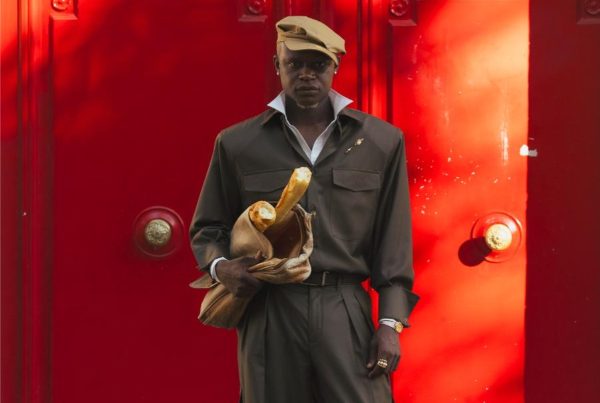
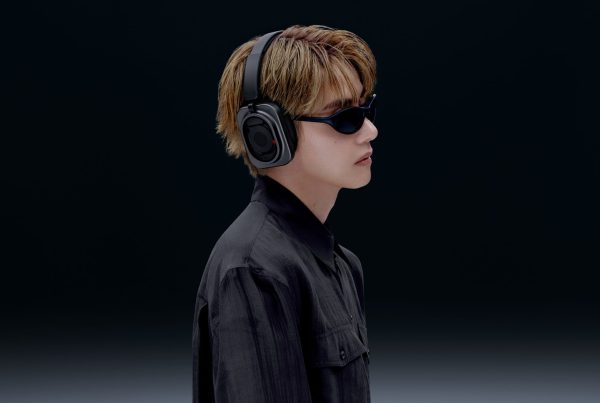
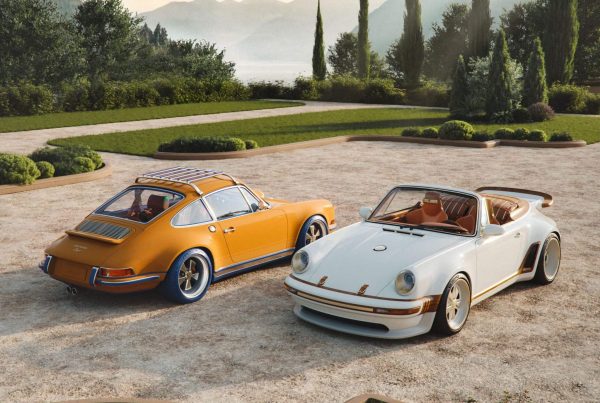
Men’s style content relies heavily on mood imagery — images that communicate the aesthetic world a brand or creator inhabits rather than simply showing individual products. AI generation excels at producing this kind of atmospheric content, allowing creators to generate imagery that communicates a specific lifestyle aesthetic without a location shoot or a model booking.
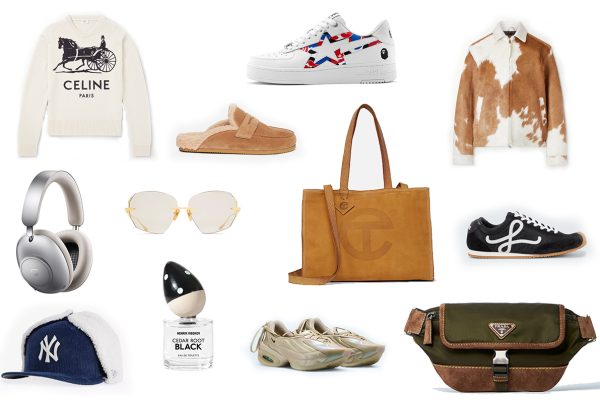
Product and Outfit Visualization
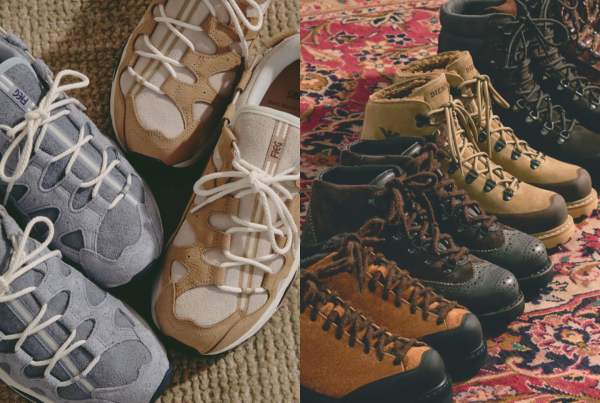
For style guides and product roundups, AI generation allows creators to produce consistent, high-quality product imagery without sourcing photographs from brands or investing in a product photography setup. This is particularly valuable for independent creators who cover products from multiple brands and need visual consistency across their content.
Seasonal and Trend-Responsive Content
Fashion content is inherently time-sensitive. The ability to generate imagery that responds to emerging trends quickly — without waiting for a photography appointment or a stock library update — is a meaningful competitive advantage for independent creators who need to move at the speed of the fashion cycle.
Step-by-Step: Creating Editorial-Quality Fashion Imagery With AI
Step 1 — Define Your Editorial Aesthetic
Before generating any imagery, articulate your publication’s visual identity with precision. What color palette defines your aesthetic? What lighting approach — natural, studio, dramatic, soft — characterizes your visual style? What compositional tendencies — clean and minimal, layered and textured, environmental and contextual — appear consistently in your strongest content?
This aesthetic definition becomes the foundation of your prompt approach and ensures visual consistency across your AI-generated content.
Step 2 — Write Fashion-Specific Generation Prompts
Open the GPT Image 2 interface within Pollo AI and write a prompt that applies your editorial aesthetic to your specific content need.
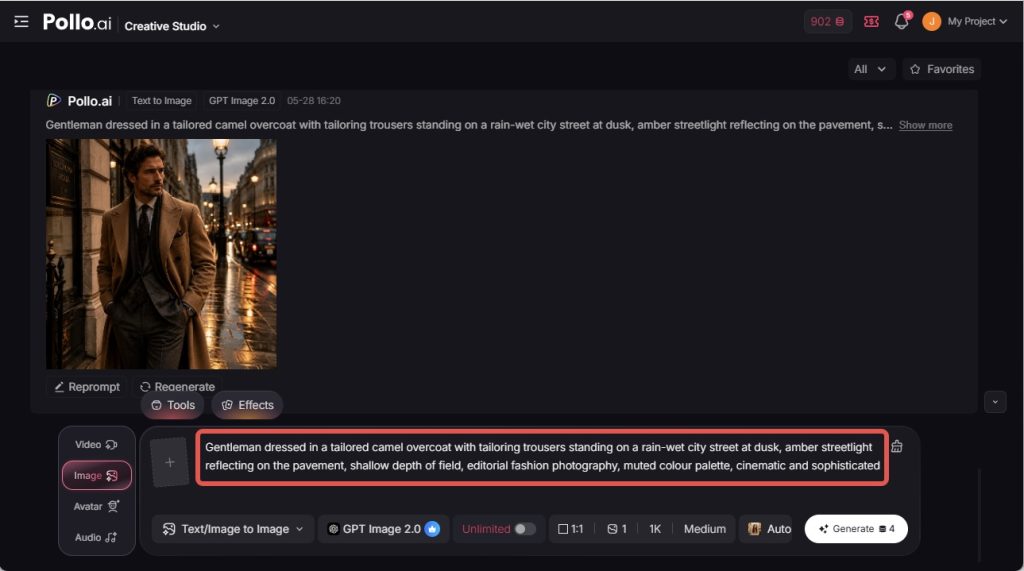
By way of example, a good seasonal style guide hero image prompt might look something like: “Gentleman dressed in a tailored camel overcoat with tailoring trousers standing on a rain-wet city street at dusk, amber streetlight reflecting on the pavement, shallow depth of field, editorial fashion photography, muted colour palette, cinematic and sophisticated”.
The generative quality of your prompt — in terms of how it specifies fabric, color, light quality, and compositional approach — directly dictates the editorial quality of your result.
Step 3 — Use Localized Editing for Precise Style Adjustments
Developed a good base image — Now use localized editing to get tinkertion styles without regenerating the whole composition. Changing the color of a piece of clothing, the surface of a material, and the refinement of a single accessory while keeping the light direction and arrangement intact lets you experiment with how the finished shot looks.
Step 4 — Build a Consistent Visual Library
For each content type — seasonal guides, product roundups, lifestyle pieces — prompt with specific imagery in batches, and save the best results into a photo bank, indexed by type and style. This library serves as a production asset that speeds up your content production in the future and keeps a visual consistency throughout your publication.
Extending Into Video: Social Content for Men’s Style Platforms
Fashion content has a strong video dimension on social platforms, particularly Facebook and Instagram, where short-form video consistently outperforms static imagery in reach and engagement. For men’s style creators who want to maintain an active video presence without a dedicated production resource, AI video tools offer a practical solution.

The Facebook Video Maker capabilities within Pollo AI allow fashion and lifestyle creators to convert existing imagery into platform-optimized video content and trending Reels formats without complex editing software. The platform’s AI virtual presenter feature enables rapid content production that keeps pace with platform trends — particularly valuable in fashion, where trend cycles move quickly and the ability to respond in near-real-time is a meaningful competitive advantage. Mobile-optimized output ensures your video content performs well on the devices where your audience is most active.
Advanced Techniques for Men’s Fashion Content Creators
Use lighting as a brand signal. The quality and character of light in your imagery communicates brand positioning more powerfully than almost any other visual element. Dramatic, high-contrast lighting signals a different brand world than soft, natural light. Make deliberate lighting choices in your prompts and apply them consistently.
Incorporate environmental storytelling. The strongest men’s fashion imagery communicates a lifestyle, not just a product. Include environmental detail — the setting, the time of day, the weather, the surrounding context — in your prompts to produce imagery that tells a story rather than simply showing a garment.
Generate typographic content for social assets. GPT Image 2’s accurate text rendering makes it practical to generate social media assets that incorporate typographic elements — pull quotes, headline treatments, editorial callouts — without a separate design tool.
FAQ
1. Is the cutting edge men fashion editorial visual standard meet by the imagery generated by AI?
Yes. In brief, with image generation technology, current AI image generation platforms, especially platforms using the most advanced models, such as GPT 2G, output images that can be used as images of editorial quality for most digital fashion content applications. The secret is to write large, visually informed prompts that communicate your visual goal in detail.
2. How to ensure AI generated fashion imagery feels more human than artificial?
Write prompts that call for specific realistic detail — how a little bit of fabric drapes, how a shoe is worn, how a collar is naturally asymmetrical — not an idealized perfect version of the garment. It is exactly this imperfection that makes it authentic fashion imagery; this should be likened in your prompts.
Conclusion: The Visual Standard Is Achievable — Start Raising Yours
The visual quality gap between major fashion publications and independent creators has closed significantly. AI image generation has made editorial-quality imagery accessible to any creator with a clear visual identity and the willingness to invest in developing a strong prompt approach.
Define your editorial aesthetic, develop your prompt approach, generate and curate your first batch of AI imagery, and measure the impact on your content’s visual quality and audience engagement. The tools to produce content that competes at the highest visual standard are available right now.