





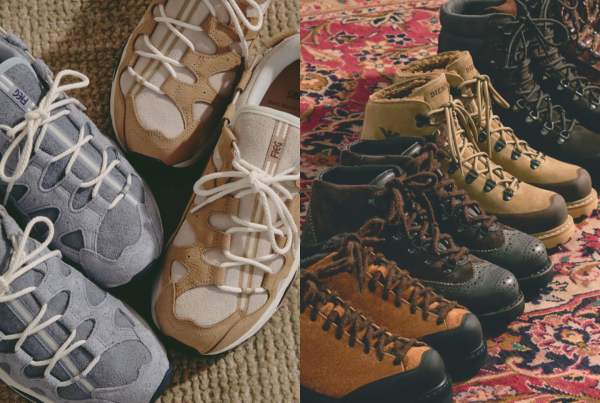
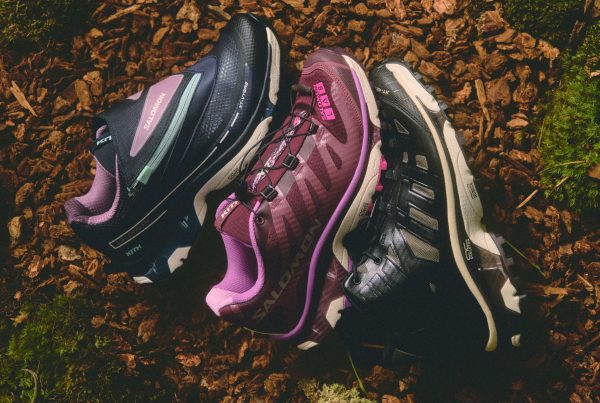



















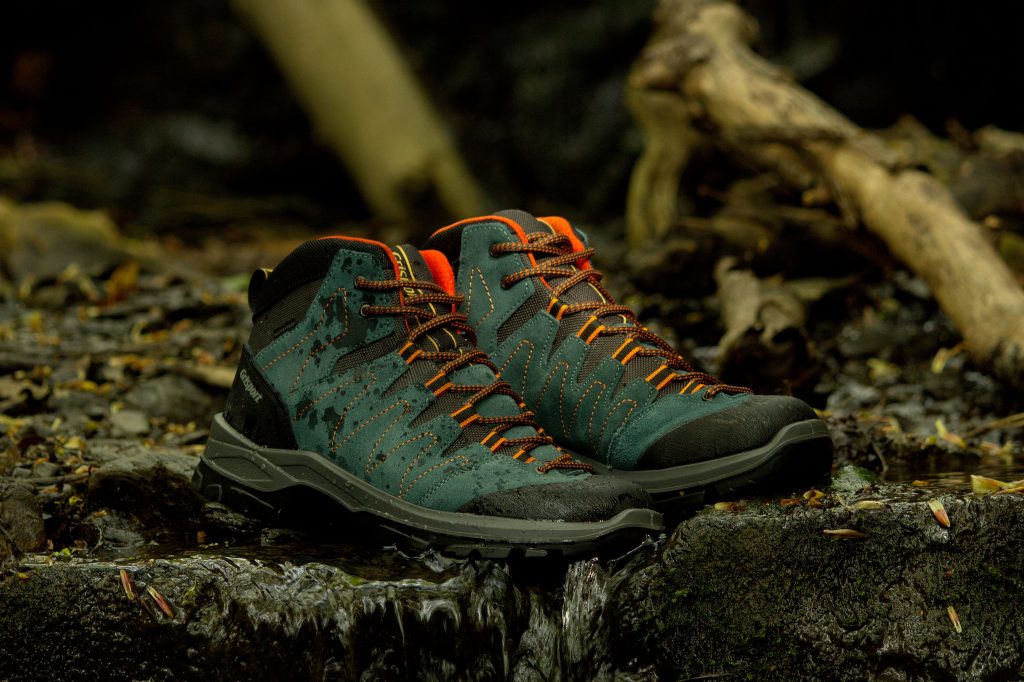
 Outdoor footwear has moved well beyond the trail.
Hiking boots now appear with cargo trousers, denim, overshirts and everyday winter layers. Men wear them for weekend walks, city travel, festivals, long commutes and ordinary wet-weather days. What was once treated as specialist kit has become a useful part of the modern wardrobe.
The change is not only about rugged styling. Men are becoming less willing to tolerate footwear that looks good but feels narrow, stiff or exhausting after several hours.
A practical boot now has to do more. It should handle uneven ground, offer dependable grip and still feel comfortable enough for a full day away from home. That is one reason wider toe shapes are receiving more attention.
The Traditional Hiking Boot Has Changed
Older hiking boots were often heavy, rigid and built mainly for demanding terrain. They offered protection, but they could take time to soften and were not always pleasant for casual walking.
Modern designs tend to be lighter and more flexible. Many borrow cushioning and upper materials from athletic footwear while keeping the stronger sole and protective shape associated with hiking boots.
This makes them easier to wear outside a traditional outdoor setting.
A man may put on the same pair for a country walk, a weekend city break and a wet Monday commute. That versatility is useful, especially when wardrobe space is limited and every purchase needs to earn its place.
The visual shift matters too. Hiking boots now come in cleaner shapes, muted colours and less technical finishes. They can look purposeful without making the wearer appear ready for an expedition.
Why the Toe Box Matters
The toe box is the front section of the boot. It sounds like a small design detail, but it has a major effect on comfort.
Many boots narrow toward the front, even when the rest of the fit feels generous. This can push the toes together and create pressure around the forefoot, especially during longer walks.
The problem becomes more noticeable on downhill sections. The foot naturally moves forward inside the boot, and the toes may press against the front or sides.
A wider toe box gives them more room to settle and spread during each step. It does not mean the whole boot should feel loose. The heel and midfoot still need to remain secure.
Men comparing wide toe box hiking boots should look for that balance. Space at the front is useful only when the rest of the boot holds the foot properly.
Wide Does Not Mean Oversized
Men with broad feet often solve tight footwear by buying a larger size.
That can create extra length without adding enough useful width. The heel begins to move, while the sides of the forefoot may still feel compressed.
A boot shaped for a wider foot works differently. It provides more space across the front while keeping the overall length appropriate.
This matters for walking stability. A foot sliding inside an oversized boot can cause friction and make the wearer feel less controlled on uneven surfaces.
The right fit should feel roomy, not vague.
There should be enough space for the toes to move slightly, but the heel should not lift with every step. Laces should hold the foot without needing to be pulled painfully tight.
Comfort Has Become Part of Men’s Style
Menswear has become more relaxed about the line between performance clothing and everyday dress.
Technical jackets are worn in the city. Walking trousers appear in casual outfits. Trainers once designed for sport now sit naturally beside smarter pieces.
Hiking boots are following the same path.
The attraction is partly visual. A substantial sole and structured upper can give a simple outfit more shape. Boots work well with straight jeans, utility trousers and heavier outerwear.
Yet appearance alone would not explain their wider use. Men also want clothing and footwear that can handle real life.
A boot that looks good but becomes painful after an hour is difficult to justify. A pair that works through rain, walking, travel and an evening out feels more valuable.
Comfort is no longer treated as something that ruins style. It is becoming one of the things that makes an item worth wearing.
Everyday Terrain Is More Varied Than It Seems
Not every man buying hiking boots is planning a mountain route.
Modern daily life still includes uneven surfaces. Wet pavements, park paths, old stone streets, gravel car parks and muddy festival grounds can all expose the limits of ordinary casual shoes.
Travel adds more variation. A city break may include several hours on hard flooring followed by a walk through a park or coastal path. A lightweight hiking boot can handle both without requiring another pair in the bag.
The same is true during winter. A practical boot offers more coverage than a trainer and often provides better grip when pavements are wet or dirty.
This is where outdoor footwear becomes a wardrobe choice rather than a piece of specialist equipment. It answers ordinary problems without looking out of place.
Cushioning Needs Support Behind It
Thick soles have become common across outdoor and casual footwear. They suggest comfort, but depth alone does not tell the full story.
A very soft boot may feel pleasant when first tried on and less stable after several hours. The foot sinks, and the body works harder to stay controlled.
A useful walking boot needs cushioning that softens the ground without making each step feel uncertain.
The sole should flex near the forefoot while remaining reasonably firm through the middle. The heel should feel stable when turning, stepping down or walking across uneven ground.
For everyday use, this balance may be more valuable than extreme stiffness or aggressive trail construction.
Most men do not need a boot designed for the harshest possible conditions. They need one that feels steady across the conditions they actually face.
Grip Still Matters
A fashion-focused boot can look rugged while offering very little useful traction.
The outsole should therefore be checked rather than assumed. A completely smooth sole may struggle on wet paving or loose ground. Deep, heavy tread can be excessive for city use and may collect mud.
The best choice depends on where the boot will be worn most often.
For mixed use, look for a tread that feels secure without making the boot unnecessarily heavy. Rubber should provide grip on outdoor surfaces while remaining comfortable on indoor floors.
Traction is one of those qualities that receives little attention until it fails. A well-designed outsole quietly supports the rest of the boot.
Weight Can Decide How Often the Boots Are Worn
Heavy boots can feel protective, but that weight becomes noticeable after several miles.
For occasional rough walks, a substantial design may be reasonable. For everyday use, travel or long urban days, lighter construction is often easier to live with.
The boot should still feel durable. Lightweight does not have to mean flimsy.
Modern materials allow brands to reduce bulk without removing all structure. This makes it possible to wear hiking-inspired footwear through a full day without feeling as though every step requires extra effort.
A practical wardrobe item is one that gets worn regularly. If a pair feels too heavy for ordinary use, it may spend more time in the cupboard than expected.
Weather Protection Needs Some Compromise
Water-resistant or waterproof boots are useful in poor weather, but stronger protection can reduce breathability.
A fully waterproof upper may be valuable for wet trails or winter travel. In dry, warm conditions, it may trap more heat than necessary.
Men should choose based on likely use rather than buying the strongest specification automatically.
For mixed everyday wear, some weather resistance and reasonably quick-drying materials may be enough. A boot used mainly for wet outdoor routes may need more complete protection.
Socks also affect comfort. Thick walking socks can reduce internal space, so they should be worn when trying the boots. A pair that fits well with thin socks may feel cramped with heavier ones.
The Boots Should Work With the Wardrobe
Practical footwear still has to look right with the clothes already owned.
Neutral shades such as black, brown, grey, olive and deep navy are easier to combine. Cleaner uppers usually move between outdoor and urban outfits more naturally than highly technical designs.
Straight-leg denim, relaxed trousers and utility clothing tend to sit well over a substantial boot. Very narrow trousers can make the footwear appear larger and may bunch awkwardly around the ankle.
The aim is not to disguise the outdoor character completely. That character is part of the appeal.
The best styling often comes from contrast. A rugged boot can add weight to a simple coat and knitwear combination, while a cleaner pair can make practical clothing feel more considered.
Try Them Before the Long Walk
New hiking boots should not be tested for the first time during a full-day trip.
Wear them at home, then on a short walk. Notice whether the heel moves, the toes touch the front or the upper presses across the foot.
Increase the distance gradually.
Breaking in should not mean accepting strong pressure until the feet become used to it. Materials may soften, but a boot that is fundamentally too narrow will rarely become wide enough through wear.
Trying the boots later in the day can also give a more realistic fit, as feet may be slightly larger after standing and walking.
One Pair, More Uses
The rise of comfort-focused outdoor footwear reflects a broader change in how men shop.
A shoe no longer needs to belong to one narrow category. Men increasingly want pieces that can move between travel, leisure, bad weather and ordinary daily wear.
Well-designed wide toe box hiking boots fit that approach. They offer the rugged appearance associated with outdoor footwear while giving the front of the foot more room to move.
That combination makes them useful far beyond the trail.
A practical wardrobe is not built around owning more. It is built around owning items that remain comfortable, work in several settings and are easy to reach for without much thought.
A good pair of hiking boots can now do exactly that.