


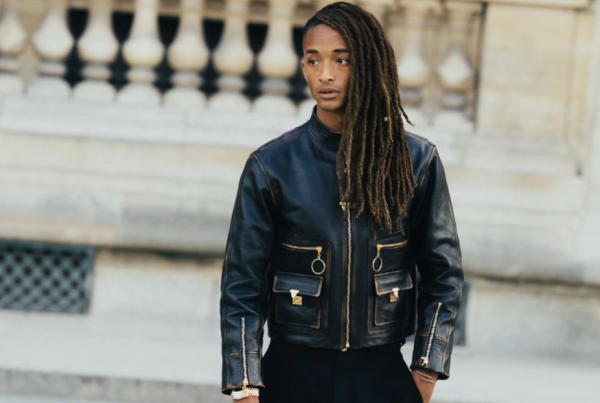
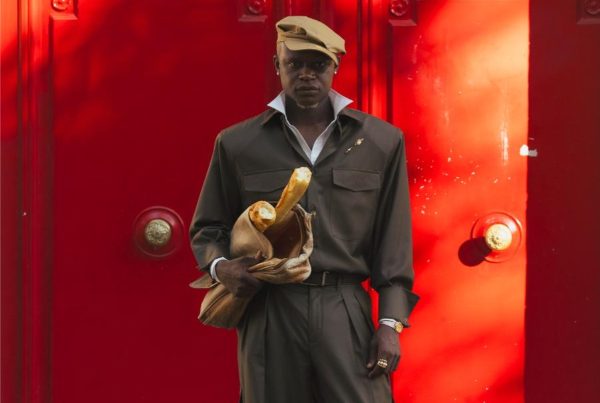
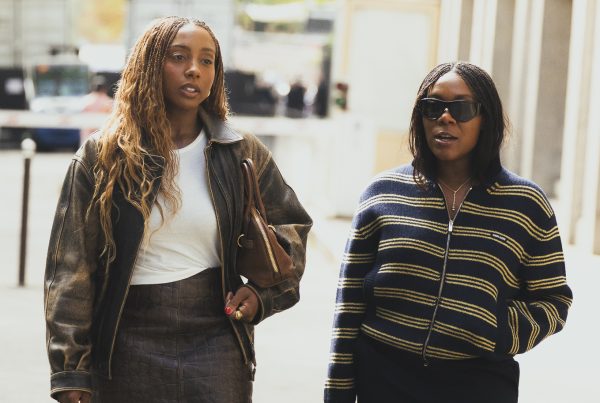
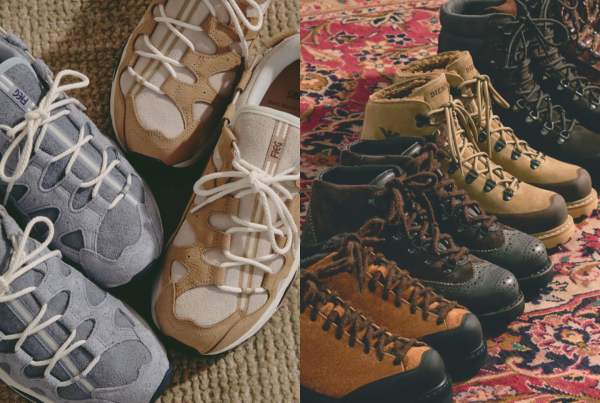



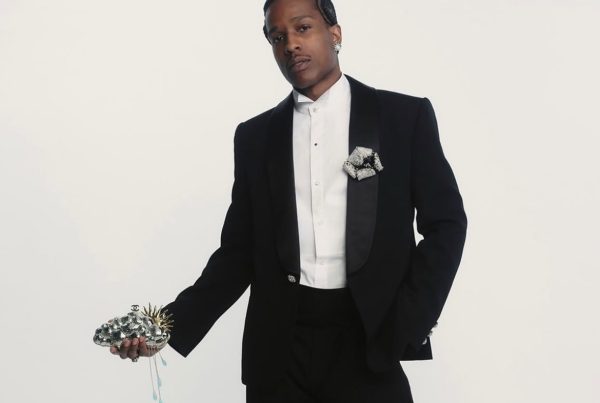
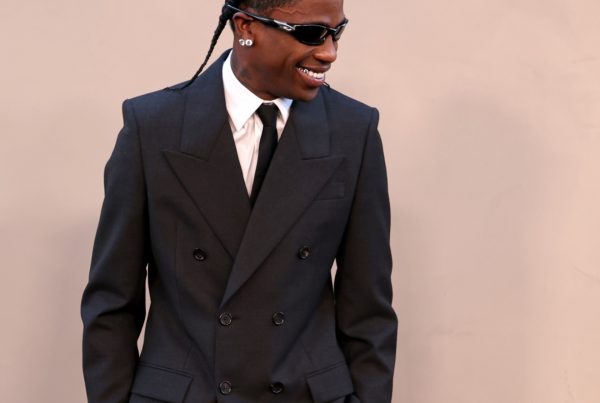



















Two men walk into the same room in jackets that cost the same. One looks worth twice the other. Fit, fabric, and restraint explain the gap, and none of the three depends on a large budget. Looking expensive is a set of habits, and most of them are cheaper than the mistakes they replace.
Fit First
A $300 blazer tailored to the shoulders will outclass a $3,000 blazer worn straight off the rack. The same rule holds lower down the price scale. A $70 pair of trousers hemmed to the right length reads better than a $300 pair left too long and loose. Off-the-rack clothing is cut for an average body that almost nobody has. Tailoring corrects the distance between that average and you.
Common alterations cost little. Hemming trousers, taking in a waist, or narrowing sleeves usually runs $15 to $50 a job. That is a small sum against the effect it produces. Fit is the strongest money signal in clothing, and it is the one most people ignore.
Fabric Signals
Fabric gives the eye information fast. Natural fibers such as wool, cotton, linen, and silk drape, wrinkle, and catch light in ways that look costly. Cheap synthetics do the opposite. They shine under bright light and hold a stiff shape that flags the low price.
You do not need the most expensive mill to benefit. A mid-weight wool trouser or a heavy cotton shirt already outperforms a polyester blend at the same cost. Read the label before the logo. Fiber content tells you more about how a garment will look in a year than the brand name does.
Footwear and Leather
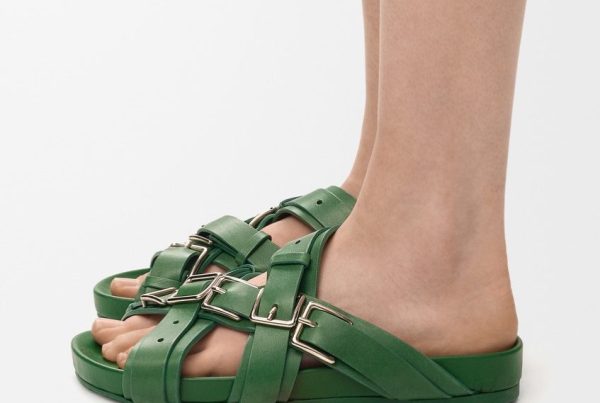
Shoes are the first thing many people check, and cheap ones undo an otherwise sharp outfit. A pair of leather shoes with a resoleable welt costs more at purchase and less across their life. Spend $150 on a resoleable pair and a cobbler can rebuild them twice, so they outlast three or four pairs of glued $50 shoes. Keep them clean, because scuffed and unpolished leather looks like neglect regardless of the label inside.
Brown and black leather in plain designs work with the neutral palette already described. A belt in leather that matches the shoes finishes the look without a word of branding. Loud hardware and visible logos pull in the opposite direction and cheapen the effect.
Presentation and the Reading of Status
Clothing does part of the social reading before a word is spoken. Guides that list the markers of a high value man tend to name grooming and dress well before they mention income. People estimate wealth from cues they can see, and most of those cues are within reach of a modest budget.
The distance between real money and the appearance of it is wide. A person who irons a shirt, polishes his shoes, and wears clothes that fit can read as wealthier than someone in expensive but careless dress. The effort shows, and the effort is close to free.
Neutral Palettes
Color discipline makes a small wardrobe look deliberate. Core neutrals such as navy, grey, camel, black, and white combine with almost everything, which means fewer pieces produce more outfits. A capsule built on neutral tones can yield up to 40 combinations from 10 to 15 items.
The numbers favor the buyer. A working wardrobe of 30 to 40 pieces, with roughly 75% of them in neutral shades, works for most occasions without repetition a casual observer would notice. Loud colors and busy patterns date fast and get remembered. Neutrals repeat without complaint.
The Resale Route
A lot of quiet money now dresses off the resale rack. The United States resale market reached roughly $56 billion in 2025, up 14.3% on the prior year, and forecasts put it near $78.8 billion by 2030. Buyers say they plan to spend about 34% of their clothing budget on secondhand, a figure nearer 46% among younger shoppers.
Secondhand shopping is now mainstream, and quality labels turn up on resale racks at a fraction of retail, often barely worn. A wool coat that sold for $600 new can appear for $120 in good condition. The fabric is there and the construction is there, and the only thing missing is the original price.
Cost Per Wear
Price at the till is a poor guide to value. A better measure is cost per wear, the purchase price divided by the number of times you will use the item. A $40 trend top worn twice costs $20 each outing. A $200 jacket worn once a week for three years works out near $1.30 a wear.
Buying fewer, better things and wearing them hard beats buying many cheap things and discarding them. This is the habit behind most wardrobes that look expensive on a normal income. Spend where the item will get heavy use, and skip the pieces that will sit unworn in the closet.
Accessory Restraint
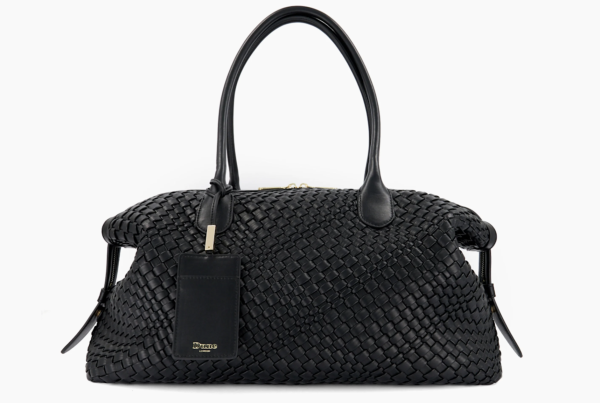
Accessories give away budget faster than clothes. One good watch on a leather strap does more than a drawer of cheap ones. A plain leather bag in a neutral tone lasts years and never looks dated. The rule here is subtraction. Pick a few quality pieces and leave the rest at home. A single well-chosen item looks deliberate, while a pile of shiny extras looks like effort to impress.
Upkeep and Small Repairs
Maintenance separates expensive-looking clothes from shabby ones. A pressed shirt and a jacket kept free of lint matter more than the price paid. Steam or iron before wearing, and brush wool between wears. Store leather shoes on trees so they keep their shape. A button replaced on time saves a whole garment from looking cheap.
Small repairs cost almost nothing and buy years. A tailor can replace a lining, move a button, or fix a seam for a few pounds. People who look wealthy tend to fix what they own instead of replacing it, and the mended garment often looks better than a new cheap one.
A Cheaper Path to Looking Expensive
Dressing rich without the income comes down to a few repeatable moves. Buy for fit and fix what does not fit. Choose natural fabrics and read the label. Keep the palette neutral so a small wardrobe stretches further. Shop resale for quality at a discount, and judge every purchase by how often you will actually wear it. Every one of these moves depends on attention. Start with the fit of what you already own, book a tailor, and build the rest slowly.