







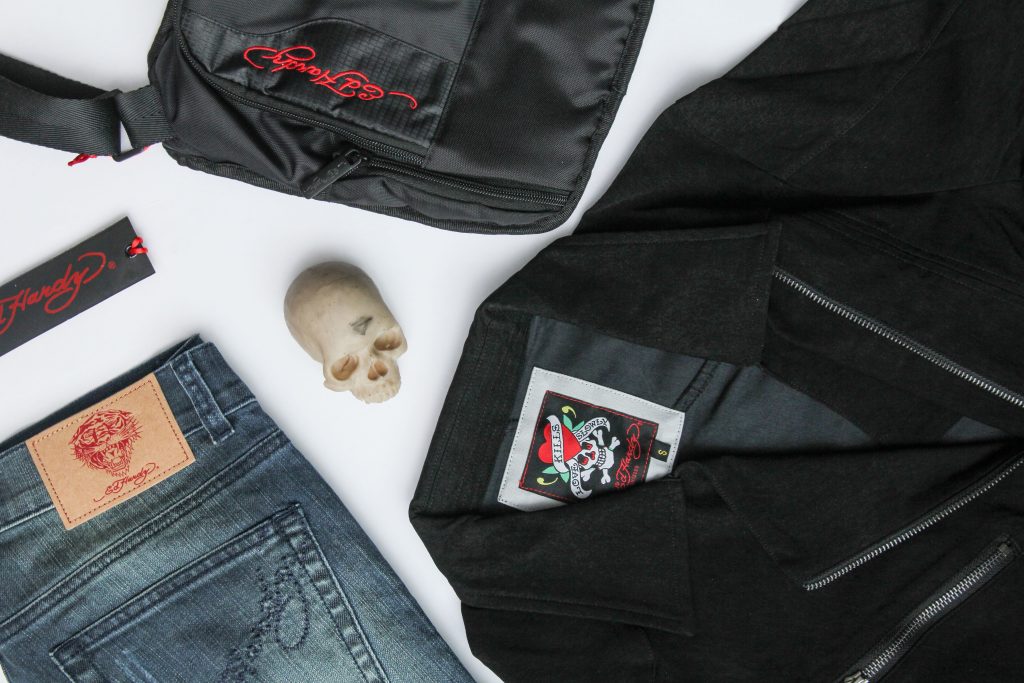
 In fashion, small details can make a big difference. The right texture can turn a simple garment into something more distinctive. It can also help a clothing brand create a recognisable look. From jackets and hoodies to caps and bags, textured details add depth and character to everyday products.
Custom patches offer a practical way to achieve this. They allow brands to display logos, artwork, symbols and messages without relying only on printed designs. Different patch materials also create different visual effects. Embroidered, woven and PVC patches each bring something unique to clothing and accessories.
Understanding these differences can help fashion businesses choose the right option for their products and brand identity.
How Texture Influences Clothing Design
Texture plays an important role in how people experience clothing. It affects the appearance of a garment and adds another layer of visual interest.
A flat printed logo may look clean and simple. However, a raised embroidered design or a detailed woven label can create a more noticeable finish.
Texture can help a clothing brand:
- Create a distinctive appearance.
- Make logos and artwork stand out.
- Add depth to plain garments.
- Improve the overall presentation of clothing.
- Develop a consistent brand identity.
- Give products a more considered finish.
These details are particularly useful for independent fashion labels, sportswear companies, streetwear brands and businesses producing personalised clothing.
1. Embroidered Patches: A Classic Raised Finish
Embroidered patches remain a popular choice for clothing brands. They have a traditional appearance and a textured surface created by stitching.
The thread gives designs a raised finish. This makes logos, lettering and simple artwork more noticeable. Embroidered patches also work well with different clothing styles.
They are commonly used on:
- Denim jackets and casual coats.
- Hoodies and sweatshirts.
- Caps and beanies.
- Workwear and uniforms.
- Sportswear and team clothing.
- Fashion accessories and bags.
Why Clothing Brands Choose Embroidered Patches
The stitched appearance gives garments a familiar and professional look. It works particularly well for brands that want a traditional or premium clothing style.
Embroidery is also suitable for logos with clear lettering and bold shapes. Different thread colours can be combined to create attractive designs.
However, very small details may not always reproduce clearly. Brands should consider the size and complexity of their artwork before choosing this material.
It is also worth remembering that embroidered patches are not waterproof. They are best suited to garments where a stitched finish is the main priority.
2. Woven Patches: Perfect for Fine Details
Woven patches offer a different approach to fabric personalisation. Instead of using thick embroidery threads, they are made by weaving fine threads together.
This creates a flatter and smoother surface. It also allows smaller details and thinner lettering to appear more clearly.
For clothing brands, this can be useful when a logo contains fine lines, small text or intricate artwork.
Where Woven Patches Work Best
Woven designs are suitable for many types of clothing and accessories, including:
- Casual jackets.
- Streetwear collections.
- Branded hoodies.
- Fashion bags.
- Caps and headwear.
- Clothing labels and decorative details.
What Makes Woven Patches Different?
Their main advantage is detail. Fine lettering and complex designs can look cleaner because the threads are closely woven together.
They also have a relatively flat profile. This makes them a good option for brands that prefer a neat and lightweight finish.
Woven patches are particularly useful when a clothing label wants to display a detailed logo without the thicker texture of embroidery.
3. PVC Patches: A Modern and Durable Appearance
PVC patches bring a completely different texture to clothing design. They are made from flexible polyvinyl chloride and can feature raised or recessed details.
Unlike fabric-based options, PVC patches have a smooth, rubber-like surface. Their appearance is modern and distinctive.
They are especially popular with outdoor clothing brands, tactical apparel businesses and streetwear labels.
Key Features of PVC Patches
PVC patches offer several advantages:
- Waterproof material: Suitable for clothing and equipment exposed to wet conditions.
- 2D and 3D designs: Different levels of depth can be used to create distinctive artwork.
- Fine details: Suitable for logos, symbols and detailed designs.
- Colour options: Multiple colours can be combined without additional thread layers.
- Flexible construction: The material can bend without losing its general shape.
- Long-lasting finish: Suitable for products used in demanding environments.
Popular Uses of PVC Patches
PVC patches are commonly added to:
- Outdoor jackets.
- Tactical clothing.
- Airsoft uniforms.
- Backpacks and travel bags.
- Sportswear and activewear.
- Caps and accessories.
They are also a practical choice for brands that want their logos to stand out from traditional fabric designs.
PVC patches are not iron-on. They are commonly attached using Velcro, sewing or another suitable backing.
Embroidered vs Woven vs PVC Patches: Understanding the Differences
Each material has its own appearance and practical benefits. The right choice depends on the artwork, garment type and intended use.
| Feature | Embroidered | Woven | PVC |
| Surface | Raised stitching | Flat and smooth | Smooth and rubber-like |
| Appearance | Traditional | Clean and detailed | Modern and bold |
| Fine details | Moderate | Excellent | Excellent |
| 3D effects | Limited | Limited | Available |
| Waterproof | No | Not fully waterproof | Yes |
| Best suited for | Classic clothing | Detailed logos | Outdoor and tactical wear |
| Colour options | Thread colours | Woven thread colours | Multiple PVC colours |
There is no single material that suits every clothing brand. A traditional fashion label may prefer embroidery, while a technical outdoor brand may benefit more from PVC.
4. Matching Patch Texture with Your Brand Identity
Choosing a patch material should involve more than comparing its appearance. It should also support the overall identity of your clothing brand.
For example, a streetwear label may want bold graphics and raised designs. An embroidered patch can provide a classic look, while PVC can create a more modern appearance.
Here are some practical ways to match textures with different clothing styles.
Streetwear Brands
Streetwear often combines bold graphics with creative details. Embroidered and PVC patches can both work well.
Embroidered designs add a traditional fabric finish. PVC designs offer a more contemporary look for jackets, caps and bags.
Premium Fashion Labels
Brands focused on clean designs may prefer woven patches. Their flat surface allows detailed logos and lettering to remain clear.
They can also be used to create a consistent appearance across different clothing collections.
Outdoor and Adventure Clothing
Outdoor brands need materials that suit active use. PVC patches are a strong option because they are waterproof and durable.
They work particularly well on backpacks, outdoor jackets and tactical equipment.
Sportswear and Team Apparel
Sportswear brands often use embroidered patches for team logos, names and symbols. Woven options can be useful for smaller and more detailed designs.
The final choice should reflect the garment’s purpose and the brand’s visual style.
5. Custom Patches Help Create a Recognisable Brand
A strong clothing brand needs more than an attractive logo. Consistency across its products is equally important.
Custom patches can help businesses maintain a recognisable appearance across different collections. The same logo can be adapted into embroidered, woven or PVC versions.
For example, a brand could use:
- Embroidered patches on jackets.
- Woven patches on lightweight garments.
- PVC patches on outdoor accessories.
- Matching designs across caps and bags.
This approach creates visual consistency while allowing each product to have its own character.
Patches can also help smaller clothing businesses develop a professional presentation without redesigning their entire garments.
6. Things to Consider Before Ordering Custom Patches
Before placing an order, clothing brands should consider a few important details.
Design complexity: Small lettering and fine artwork may require woven or PVC patches.
Material selection: Choose a texture that complements the garment and its intended use.
Patch size: The design should remain clear and balanced at the selected dimensions.
Colour matching: Make sure the colours suit your existing brand identity.
Attachment method: Decide whether you need a sew-on, Velcro or another suitable backing.
Order quantity: Check the manufacturer’s minimum order quantity and available bulk discounts.
Digital proof: Always review the design before production begins.
A digital proof allows you to check the artwork, colours, shape and layout. This reduces the risk of mistakes during manufacturing.
7. How Custom Patch Manufacturing Works
Ordering custom patches does not need to be complicated. Most manufacturers follow a straightforward process.
Step 1: Send Your Design
Share your logo, artwork or design idea. You can usually provide a file, image or simple sketch.
Step 2: Review the Digital Proof
The manufacturer prepares a digital preview. Check the colours, dimensions, lettering and overall appearance.
Step 3: Approve Production
Once you are happy with the design, production can begin. The selected material and finishing method are used to create your patches.
Step 4: Quality Check and Delivery
The finished patches are checked before dispatch. They are then packed and shipped to the required destination.
Working with an experienced manufacturer helps keep the process organised and ensures that the finished product follows the approved design.
8. Why Clothing Brands Should Consider Custom Patch Manufacturing
For fashion businesses, custom patches are more than decorative accessories. They can become an important part of product presentation.
Working directly with a manufacturer can also offer several advantages:
- More control over patch materials and designs.
- Better options for custom shapes and sizes.
- Consistent branding across bulk orders.
- Access to different backing and finishing options.
- Greater flexibility when developing new collections.
- Opportunities to reduce costs through wholesale orders.
Brands planning regular collections may also benefit from building a long-term relationship with a reliable patch manufacturer.
Frequently Asked Questions
Which type of patch is best for clothing brands?
It depends on the desired appearance. Embroidered patches provide a traditional raised finish. Woven patches are better for fine details, while PVC patches offer a modern and waterproof option.
Are embroidered patches suitable for fashion jackets?
Yes. They are commonly used on denim jackets, casual coats, hoodies and other garments. Their raised stitching adds texture and character.
What is the difference between embroidered and woven patches?
Embroidered patches use stitching to create a raised design. Woven patches use fine threads woven together, creating a flatter surface with better detail reproduction.
Are PVC patches waterproof?
Yes. PVC is a waterproof material, making these patches suitable for outdoor clothing, backpacks and tactical equipment.
Can custom patches include a clothing brand’s logo?
Yes. Custom patches can be made using a brand’s logo, lettering, artwork or other design elements. The artwork can be adapted to suit different materials and sizes.
Which patch type is best for detailed logos?
Woven patches and PVC patches are both suitable for detailed artwork. The best option depends on the design and the desired finish.
Can the same logo be produced in different patch materials?
Yes. A logo can be adapted for embroidered, woven and PVC production. This allows a clothing brand to maintain a consistent identity across different products.
Final Thoughts
Texture is an important part of clothing design. It can change how a garment looks and make even a simple product feel more distinctive.
Embroidered, woven and PVC patches each offer different advantages. Embroidery brings a classic stitched appearance. Woven patches provide a smooth finish with excellent detail. PVC adds a modern, waterproof and durable surface.
For clothing brands, the best approach is to choose a material that supports the product and reflects the brand’s identity.
With the right design and manufacturing partner, custom patches can become a valuable detail across an entire clothing collection. They help businesses create products that look consistent, feel distinctive and leave a lasting impression.