
















PAUSE Insider:
Walé Adeyemi
Featured: Walé Adeyemi // @bywaleadeyemi
Photographer: Josh Snaps //@josh_snaps
Videographer: KASHKAM // @kasham
Interview: Johnson Gold // @johnson_gold
“No one really knows the rules or the winning formula because it changes every time.”
Walei DMA has never followed a conventional path into fashion. Born in West London to Nigerian parents, the designer found his way into the industry through skateboarding, BMX, music and the street cultures that shaped his youth. What began with taking apart second-hand garments and studying how they were made eventually grew into a career spanning three decades, building a brand from a Camden Market stall into an internationally recognised name, dressing the likes of Usher, Outkast, Beyoncé and Prince along the way.
From the early days of London’s underground scene to his experience working with artists, record labels and some of fashion’s most influential creative minds, Walei has always moved between worlds, guided by instinct, community and an enduring curiosity for the craft. As he reflects on 30 years in the game, including receiving an MBE, we sit down with the designer to discuss the realities of building an independent label, the importance of relationships, the evolution of streetwear and why, even after all this time, the passion to create remains very much alive.
Check out the interview below.
PAUSE: Hi Walei. First up, tell us a little about yourself.
My name is Walei DMA. I’m a fashion designer, born in West London, of Nigerian heritage.
PAUSE: How did your heritage and family influence your decision to pursue a career in fashion?
Walei: To be honest, my family weren’t really too keen on me doing fashion. Obviously, coming from a Nigerian background, there was an expectation that you’d go into engineering, law or become a doctor. When I first entered the fashion game, they saw it as a hobby. My dad was quite disappointed in the beginning.
As I progressed, though, they started to see how passionate I was about it. They could see how happy I was around garments and fabrics, and eventually they embraced it. They got behind me, but initially, they had a certain idea of what their son was going to do, and it just didn’t work out that way.
PAUSE: What first drew you to fashion, and how did you approach learning the craft?
Walei: It just kind of evolved. I was always into lots of different things, like BMXing, skateboarding and dancing. They were all hobbies, and when fashion came along, it became another one.
When I first started, I was buying second-hand clothing and taking it apart. I was so intrigued by what went into making a garment. It was like a jigsaw puzzle. I’d open something up, study how it was put together and then try to put it back together again. I’d spend hours doing it.
I think my family could see how much I was inspired by it and how interested I was in learning the craft.
PAUSE: How did those early interests play into your designs and the work you were doing?
Walei: All those hobbies were part of street culture. They weren’t necessarily fashion at the time, but there were clothes that went along with those cultures.
That was where I felt most comfortable. It’s where I met most of my friends, where we communicated and where I felt most at home. Fashion naturally became an extension of those spaces.
PAUSE: Was there a person or a moment that made you realise this was what you wanted to do?
Walei: There were lots of moments, but I think the person who really made me realise it was possible was a Ghanaian designer called Joe Casely-Hayford.
I was fortunate enough to do work experience with him and his wife, Maria, at their offices in Shoreditch. It was my first experience of the fashion business at that level. Seeing someone of Ghanaian and African heritage working in that space made me realise that the dream I was chasing was possible.
That’s when it started to feel like something I could genuinely pursue.
PAUSE: When you first entered streetwear, most of the brands you were looking at were American. Did you feel there was room for a distinctly British or European approach?:
Walei: A lot of the brands I was seeing at the time were American designers. There was PELLE PELLE, Helly Hansen, Phat Farm, Triple Five Soul and FUBU. Everyone was wearing Jansport rucksacks and Rockport shoes. All those brands were incredibly popular.
There wasn’t really anyone doing it in a UK or European style. A lot of it was oversized, but I wanted to make something slightly different while still keeping those influences.
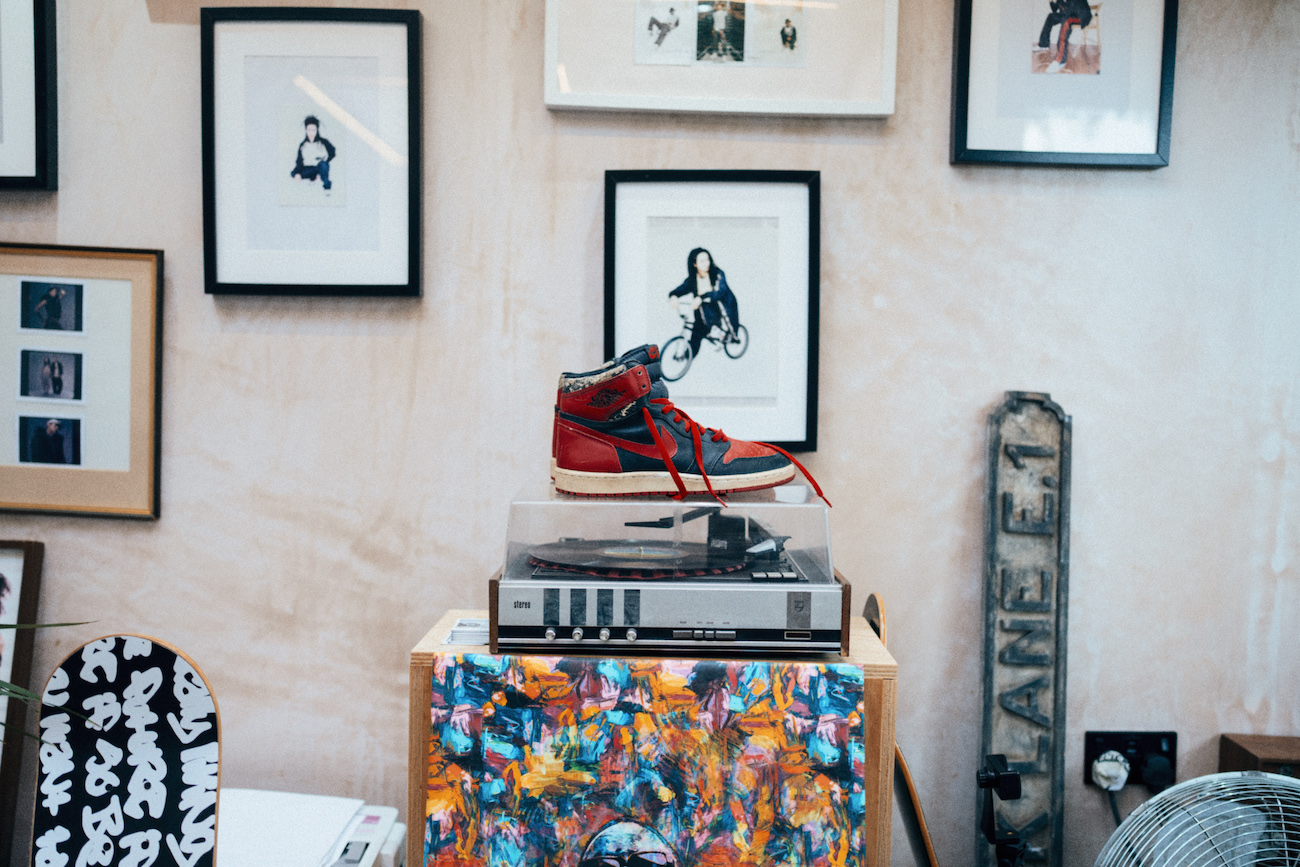
PAUSE: How did things start to take off for you? Was there a moment when you realised the brand was growing?
Walei: I think it took off gradually, really. When I first started, I had a stall at Camden Market. I remember going there with a friend of mine and saying, “If I don’t sell anything, I won’t come back.” We managed to sell one thing right at the end of the day. From there, things started to build.
My stall was opposite a drum and bass record shop. People would come in to get their records and then come over to me to get the clothes. That’s where I started to really understand and build the community I wanted to be part of. It was always in the music space.
My first clientele was actually Japanese. I used to sell a lot to Japan, and people would come to the store and just buy everything. This was before email, so they’d send me letters to say, “We’re coming on this day.” They’d come to the store, and I couldn’t speak Japanese while they couldn’t speak English, but we communicated somehow. That was where I started to get my first following. It wasn’t so much about selling to other stores. Initially, I was selling through record shops. I didn’t sell in fashion stores because those weren’t the people I related to. I was selling a lot of records stores, selling hoodies and things like that, my own designs. It makes sense because a lot of people would have worn your clothes with Evisu jeans. It was kind of a parallel to that in a way.
PAUSE: You had people like Usher wearing your pieces at a time when the internet wasn’t around. How did you get your clothes onto celebrities back then?
Walei: I was working a lot as a stylist, and I had a lot of friends who were stylists as well. As I said, back then everyone used to support everyone. I got a call from a record label and they said, “Oh, Usher’s in town. Would you like to work with him?” A friend of mine actually brought him into my studio in Brick Lane. He was on his way to MTV to do an interview, and he came in fully dressed in his own stuff but left dressed head to toe in all my products, which was pretty mad.
It was. Obviously, I was a big Usher fan as well, so it was a great time.
PAUSE: Who else wore your designs during those early years?
Walei: Lots of different people, man. Just a few people from back then, in those early days: Outkast, Prince, Alicia Keys, Beyoncé, So Solid, Kano and Ms Dynamite. Lots of people I was, and still am, really inspired by musically.
PAUSE: Without social media, how did you build hype and get people talking about the brand?
Walei: The methods before social media were all about meeting people face to face, going out, being in the community and being in that space, literally. You couldn’t really hide behind a screen. You had to be there and experience things. I think the people who were around that scene at the time will understand. If you were there, you were there. You had to queue up, get into the places and experience it for yourself.
You’ve also got to remember that people weren’t recording everything back then, so everyone’s mind was completely free. They weren’t as conscious of everything as people are now. It was a much more organic kind of space. But things evolve, and I think everything needs to evolve. It’s a great time now, too. What’s happened with social media has enabled people to reach further and further than we could back then. It’s been interesting to see how everything has evolved.
PAUSE: Tell us about the graphic that became so recognisable. How did that design come about?
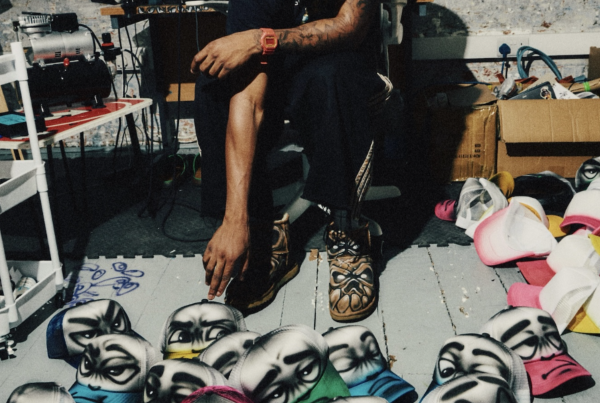
Walei: When we initially came up with that graphic idea, I worked with a graffiti artist. This was before we were using Photoshop and things like that, so a lot of it was done with marker pens. I then took it to a photocopy machine and just kept enlarging it, enlarging it and enlarging it.
When we first made it in 1999, it wasn’t actually that popular. A few people saw it and thought it was okay, but it wasn’t until around 2001 that it really had an explosion. With anything in design, sometimes it just takes one thing to open a door. And, like I said, this was before the internet, so the graphic started appearing in newspapers and on the front pages of lots of different publications. That took us from being a local brand to having almost international exposure overnight.
I think we also got exposure through Channel U. There was Channel U, Touch Magazine, Rewind Magazine and The Face. All these platforms were really pushing popular youth culture in London at the time.
PAUSE: As the brand grew and other people started copying the graphic, how did you protect its identity?
Walei: You can’t protect it. That’s what I learned.
At one stage, it was being copied so much that I spent a lot of time worrying about it being copied and things like that. That took my eye off the ball.
I think that’s part of the design process. Everything gets copied. Everything gets reimagined. If I could tell my younger self anything, I probably would have moved on a little bit quicker and not spent so much time worrying about what everyone else was saying or doing. But I was young and new to the game, so I didn’t have that experience yet. I don’t think there’s much you can do about that type of thing. Everyone says to take it as a form of compliment. And it is, though. So it is what it is.
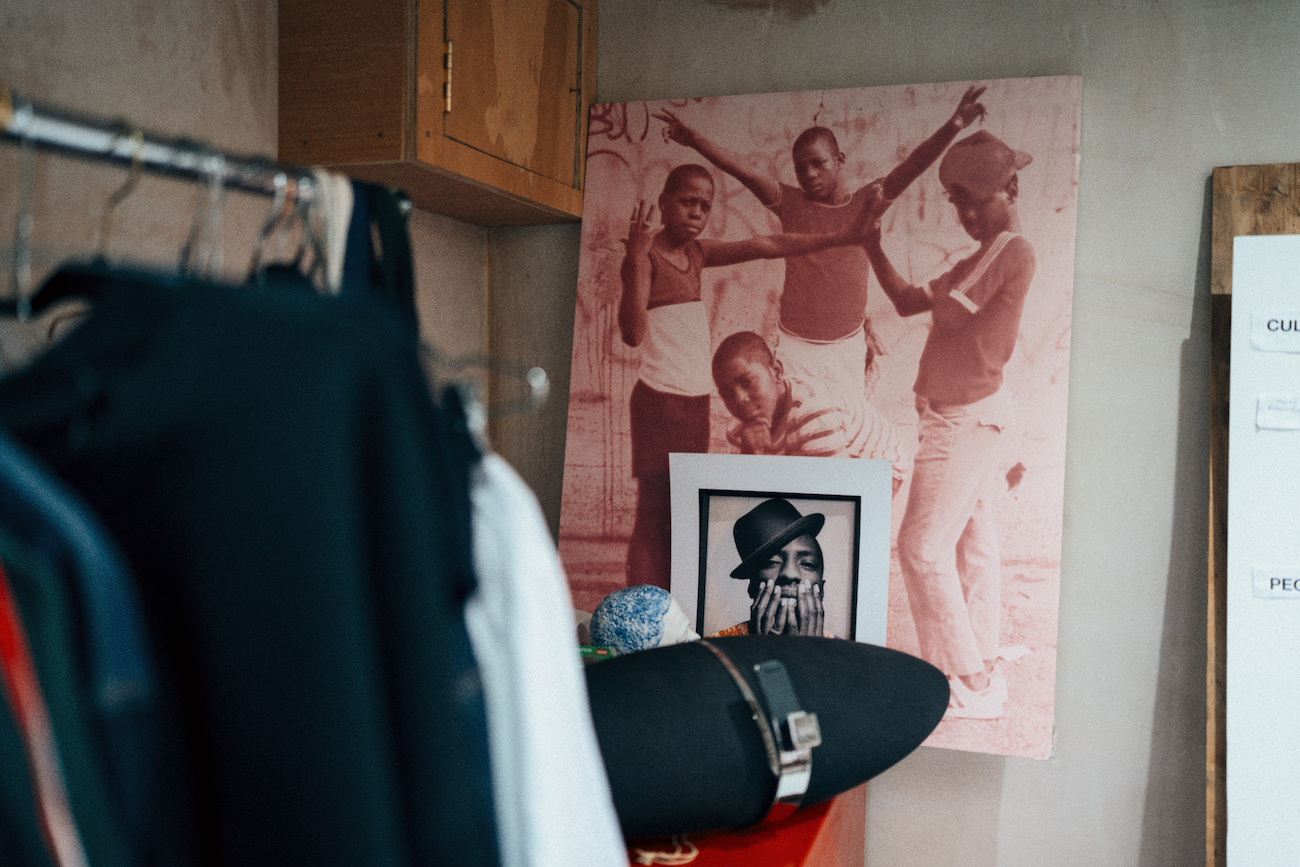
PAUSE: Talk us through your workspace. What happens here day to day?
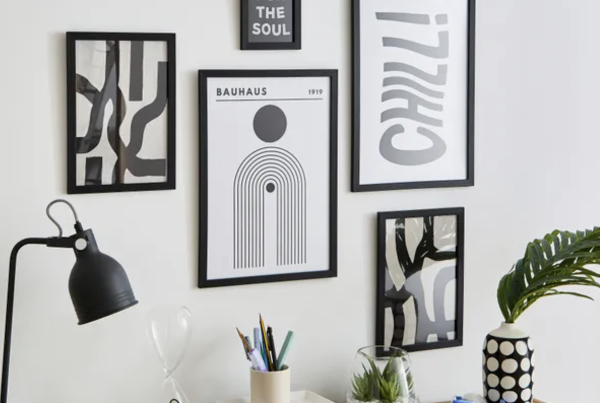
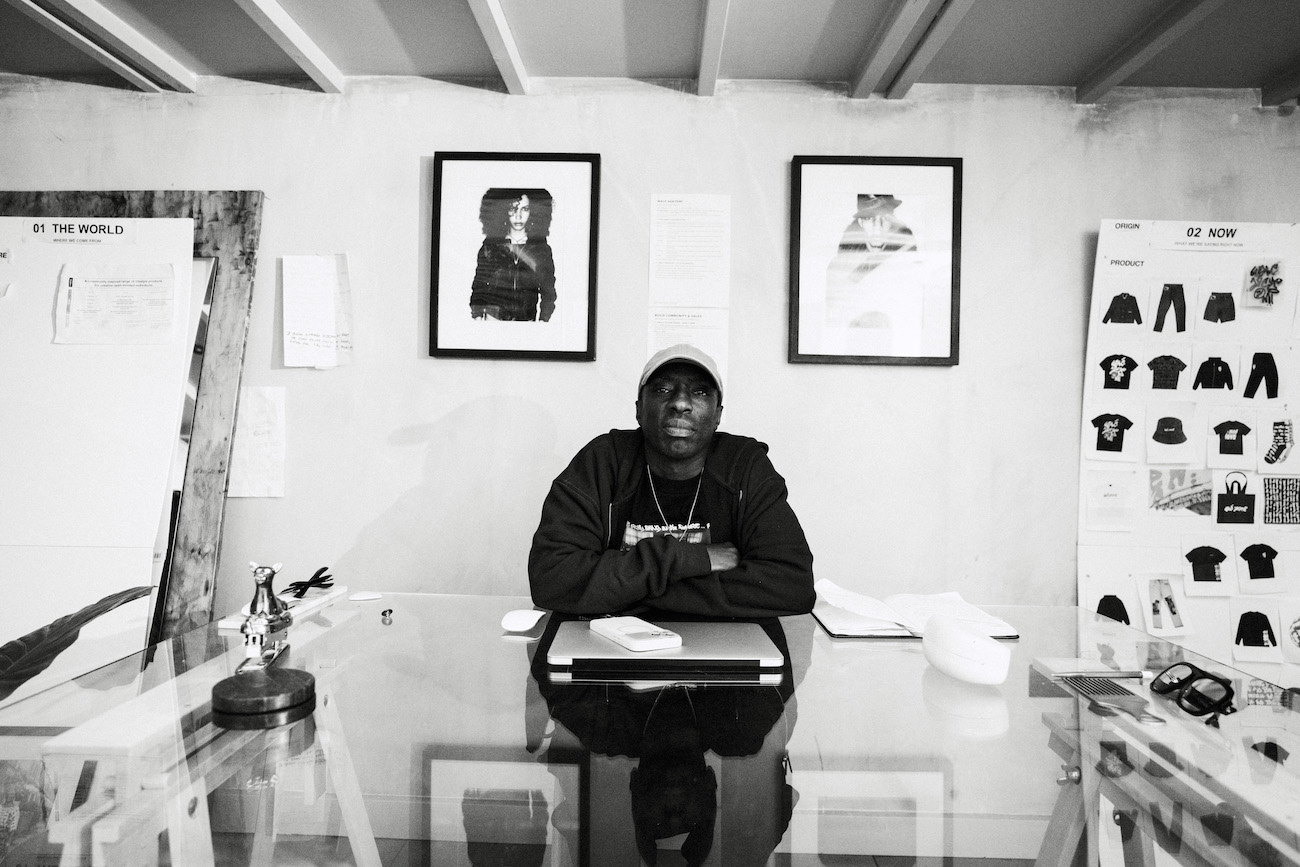
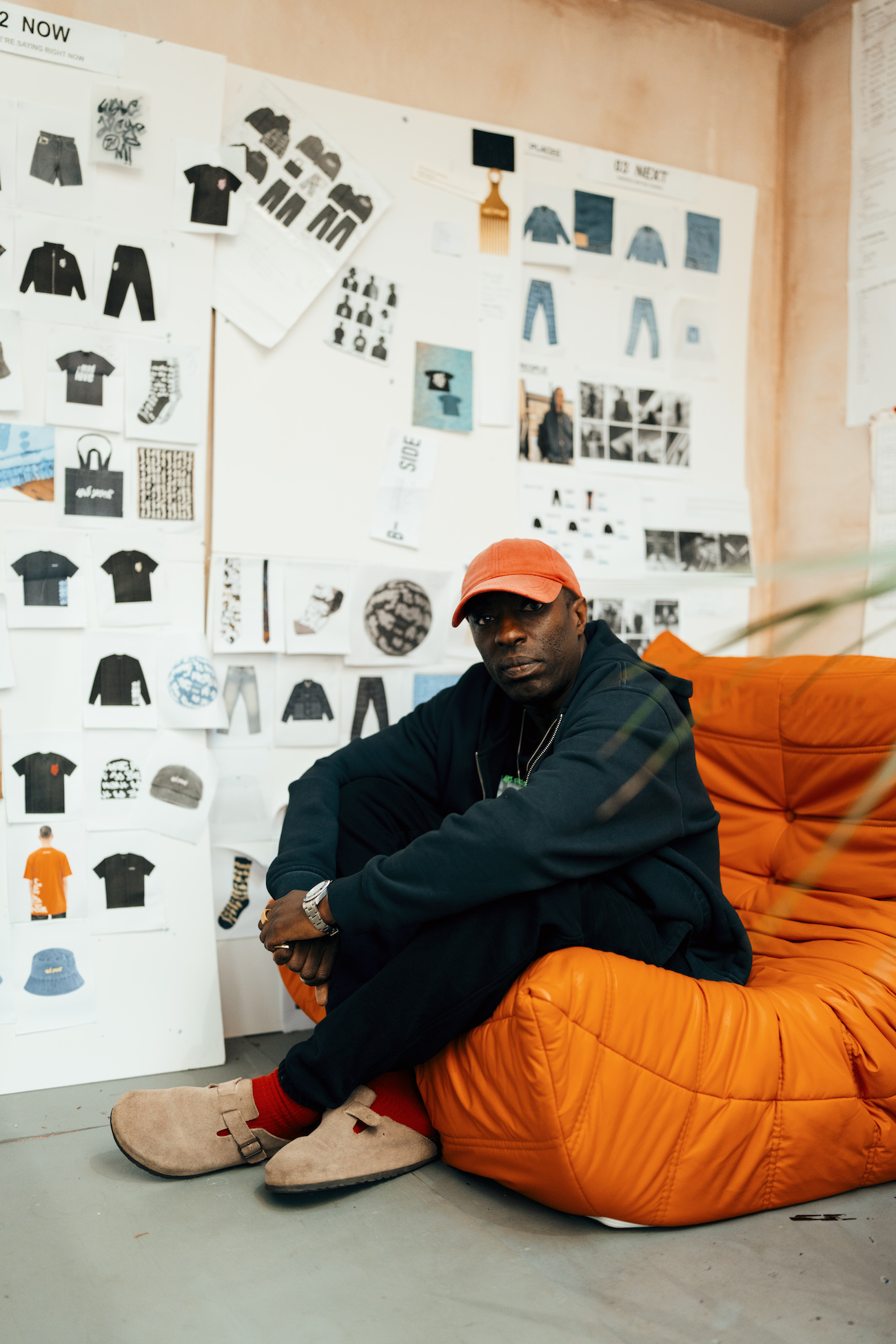
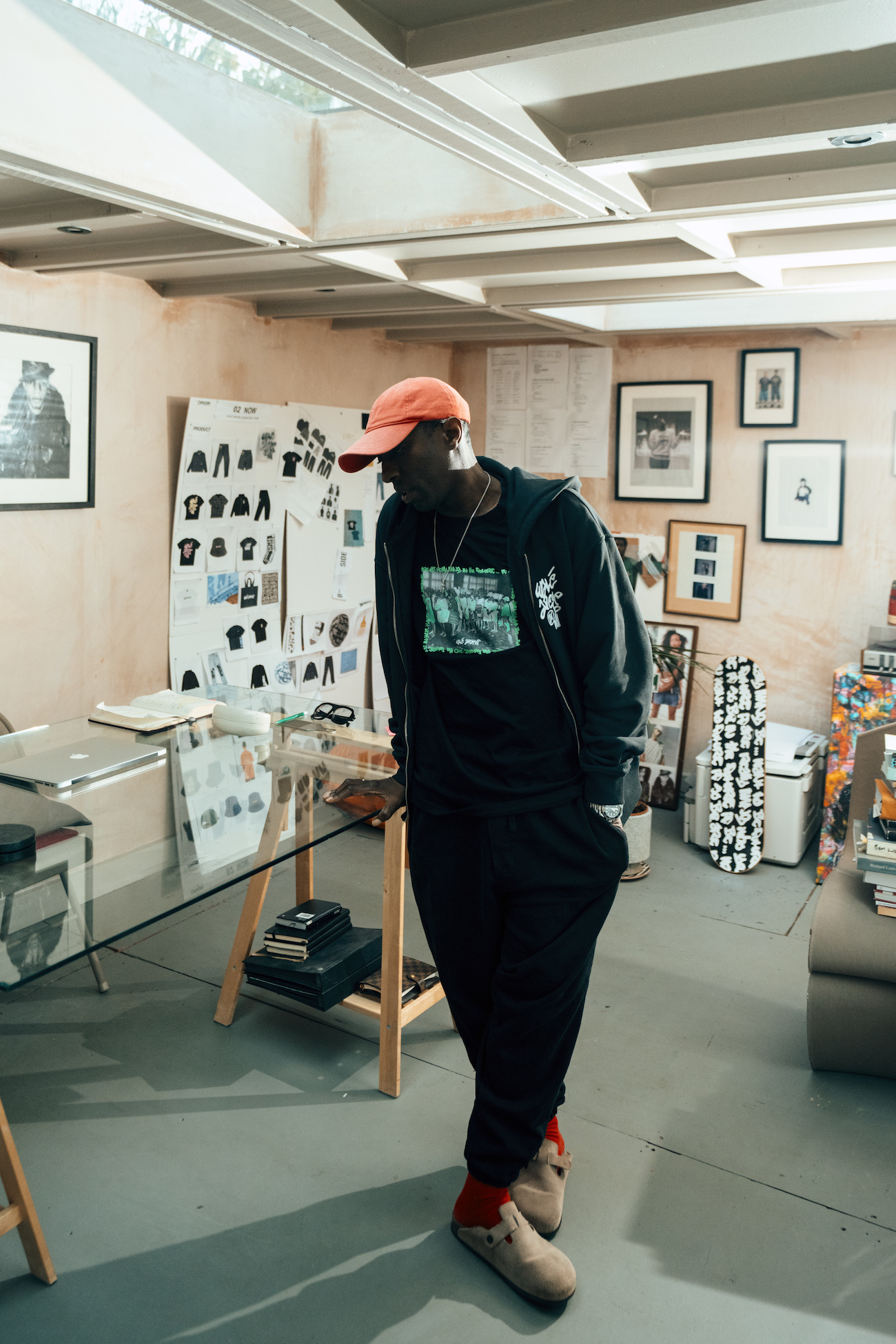
Walei: This is my home office, so to speak. This is where I do a lot of the work and where the team comes together. We’ll sit here and have discussions about what we’re planning to do. We talk about new ideas and what we’re looking to work on. This is the hub. This is the foundation.
PAUSE: Why did you decide to bring your workspace into your home?
Walei: I think it was around COVID. At the time, I had an office and warehouse in Walthamstow, which we closed down for various reasons. I thought that if I could find a space where I could combine the two, it would make sense because I spend so much time working. I’ve got a separate space outside the main house, so there’s still a distinction between home life and work life. It’s somewhere I can go and focus on what I’m doing, but it’s also part of my home.
PAUSE: Do you think founders should blend their home and work lives? How has it benefited you?
Walei: I don’t think everyone has to do it, but financially, it was the best decision for me. It meant I wasn’t paying rent somewhere else.
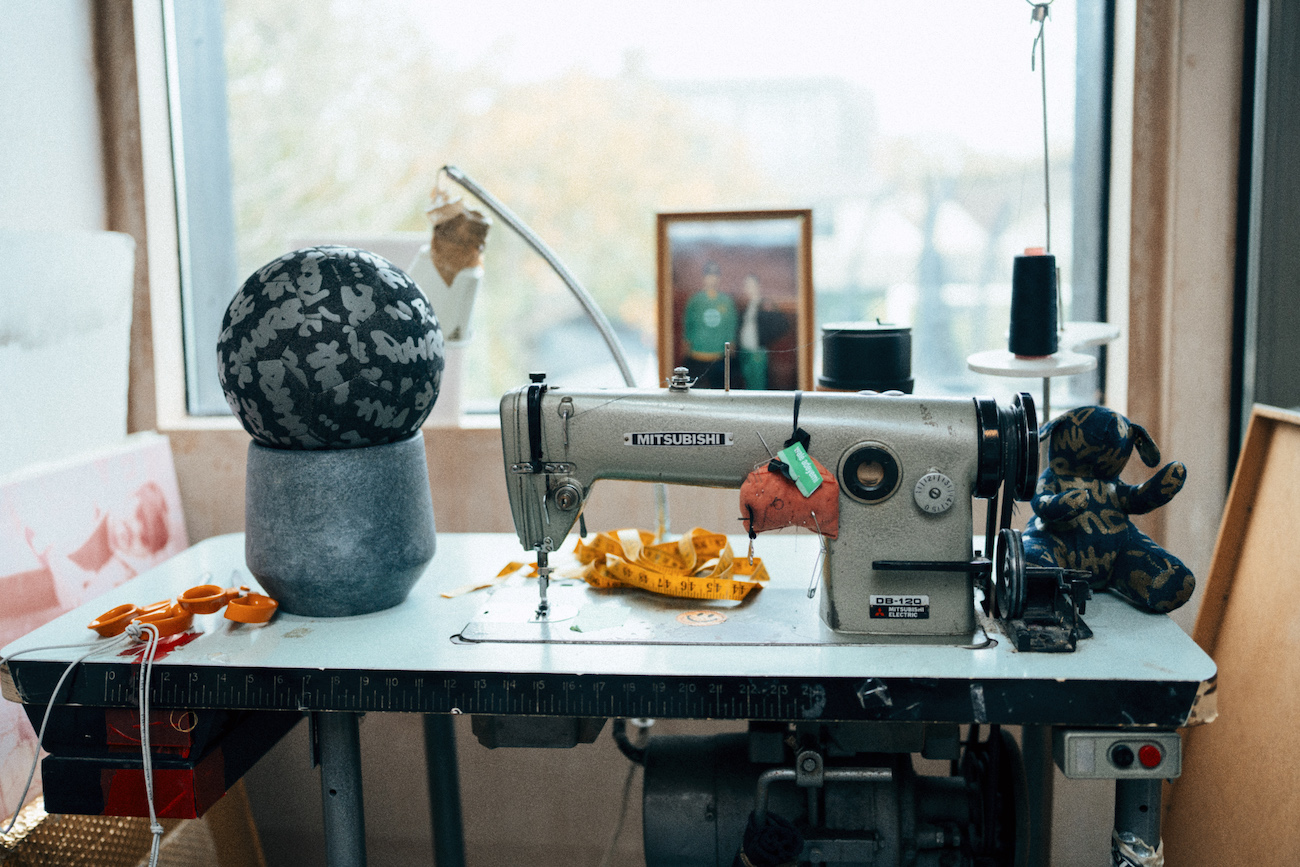
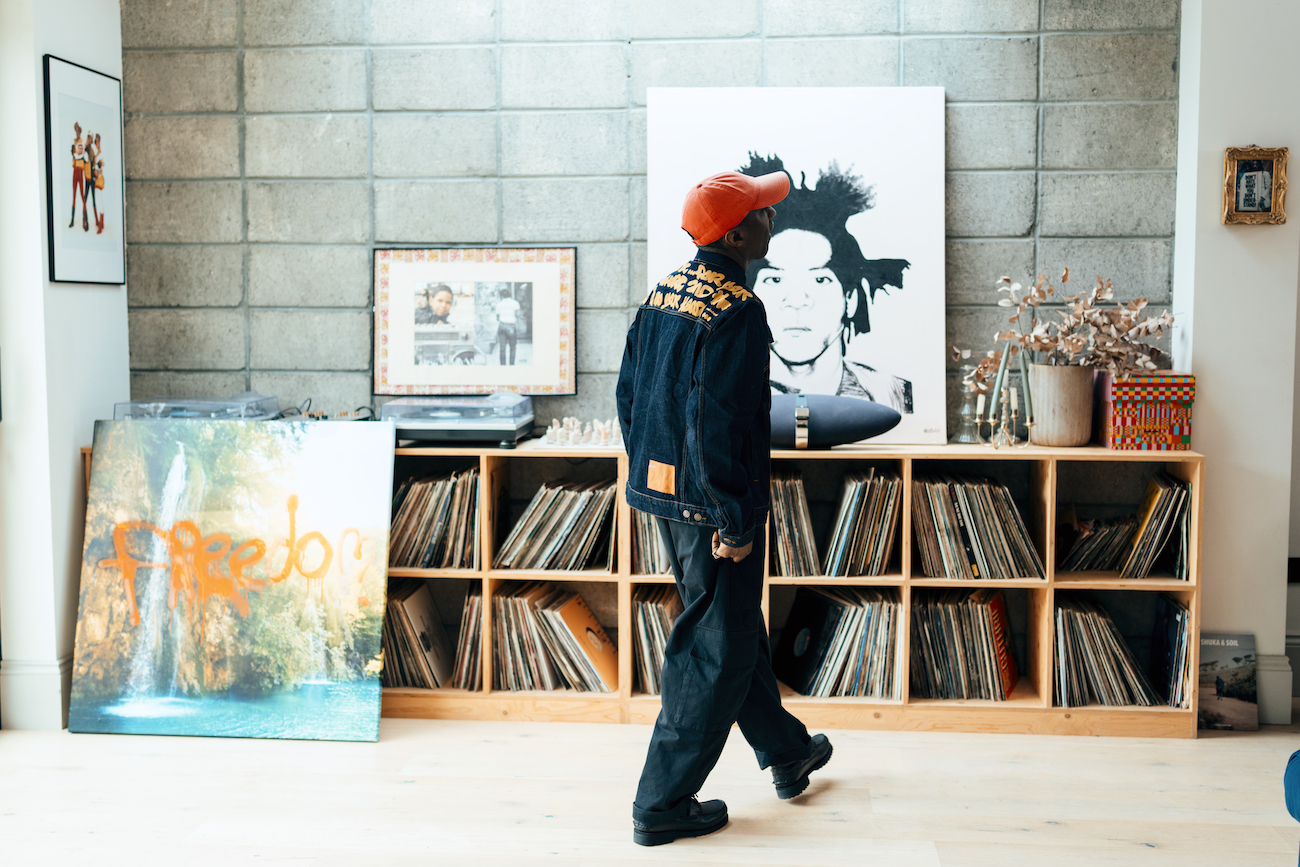
I also have so many things I’ve collected over the years, whether that’s books, sneakers, samples or fabrics. I’ve got a sewing machine there, too. I needed somewhere to keep everything, curate it and have a space where members of the team could come over. We can sit together, have discussions and work through things away from everything else.
PAUSE: For someone who’s just started a brand and is doing everything alone, what’s the first role they should hire for?
Walei: I think it takes a while before you actually hire someone because you have to understand the business yourself first. You need to understand what it is you need, and I think that takes quite a while. Running a brand in this day and age means wearing lots of different hats. When I first started, I wasn’t standing in front of a camera at all. There was no social media. I wasn’t doing my own marketing or anything like that. There’s a lot more pressure now to run a brand because the levels are much higher as well.
I’d say learn your craft first. Once you’ve learned your craft and understand what it is you’re trying to do and where you’re trying to get to, I think anything’s possible. I’d also say do work experience. Try to get into a company where you can just listen, see things and understand how things are done. Look at the process. When I see a garment in a store, I think about its journey. It starts with a sketch, from an idea to a first sample, then production, and eventually it’s delivered to the store. How does it get there? It’s a long journey, and I think it’s quite important to understand all those things for yourself.
That’s just one part of it, though. There’s obviously the business side of things, the numbers, the margins and all those things. How do you keep the lights on in your business? Those are all imperative to running any type of business, really. It keeps changing, too. No one really knows the rules or the winning formula because it changes every time. You have to be someone who’s invested in this space, who wants to learn and wants to continue learning.
PAUSE: How should you structure a team when you’re small and every pound counts? What should founders do themselves, and what should they hand over early?
Walei: For me, one of the most important people to have is someone who can act as a personal assistant or project manager. There are lots of different moving parts, so I think it’s imperative to have someone who can keep things organised. They don’t necessarily have to be fashion-minded, but they do need to be organised. I think organisation is everything. Once you’ve got someone in your team who’s organised, then half the job is already done.
I think you can get caught up focusing too much on creativity because we’re all creators and we can all create the most amazing things. But if it doesn’t go through the right process, it never materialises. That’s why I feel having someone who’s super organised is so important.
PAUSE: After working with so many people over the years, how do you spot good people? What do you look for beyond what’s on a CV?
Walei: I think you just know good people. I’ve been very fortunate to work with some really good people. For me, my team is everything. Whether it’s people I’ve worked with 20 years ago or in the last five years, I’ve managed to build a really good team of people who actually care about the brand.
I think when you’re running a small brand, it’s a different relationship. There’s not someone else to go and do everything for you. Whereas in a big company, you can sometimes hide a little bit. In a small team like this, you can’t hide. Everyone has to deliver.
You have to be passionate, too. I always tell people who come into my business exactly how it is. I don’t want people coming in under false pretences, thinking it’s going to be something that it’s not. I’m very clear about what the environment is like and what’s expected of them. As long as you’re willing to work hard, I think anything is possible.
PAUSE: What’s the best way for smaller brands to find great people when they can’t offer big salaries?
Walei: Find people who want to use your business as a vehicle to further their own careers. You might go into a company that isn’t able to give you the salary you want, but they can give you creative freedom and the opportunity to build your experience. Then you can go into the next place and say, “I worked at X, Y, Z. This is what I’ve done.”
I’ve said to my team before, “I may not be able to afford you for the next couple of years, but if someone comes in, sees your work and asks, ‘Who’s this person?’, and you end up getting headhunted, then I know I’ve done my job as well.”
It’s about being a stepping stone. It’s about being able to give people opportunities, trust them to lead and give them the space to explore. I think that’s really important.
PAUSE: What have been some of the toughest challenges of running your own business? The things nobody warns you about?
Walei: I think the toughest thing about running a business is that it’s 24/7, man. You live and breathe everything. It’s like an addiction, if I’m being honest. There have been so many times when I’ve said, “I’m just not going to do this anymore. I’m going to do something else.” But once you get into it, it’s very, very difficult to get out. It’s just part of me. It’s who I am.
I find it quite difficult to switch off. I’m constantly thinking about ideas and constantly thinking about things. At the same time, I’m addicted to the game. I love the game.
I think that’s one of the most difficult things. When you’re running a business, you’re the one who gets paid last, if at all. You’re constantly having to keep those wheels turning and keep things moving. Sometimes you stop and think, “Wow, why am I doing this? What am I doing?”
But there’s something there that keeps you going. And it’s not even about thinking that one day I’m going to make lots of money. It’s something different for me. It’s the passion and the feeling of seeing something go from start to finish, and seeing it reach its full potential. Seeing what it’s actually capable of.
I’m also really inspired by other designers and creators. I look at what people are doing now, and they’re in a similar space to where I was 20 or 30 years ago. I look at their work and think, “Wow.” It’s a new space for me, too. I’m learning from them and from how other people approach things. That keeps me going and keeps me motivated, but it’s also one of the hardest parts of running a business.
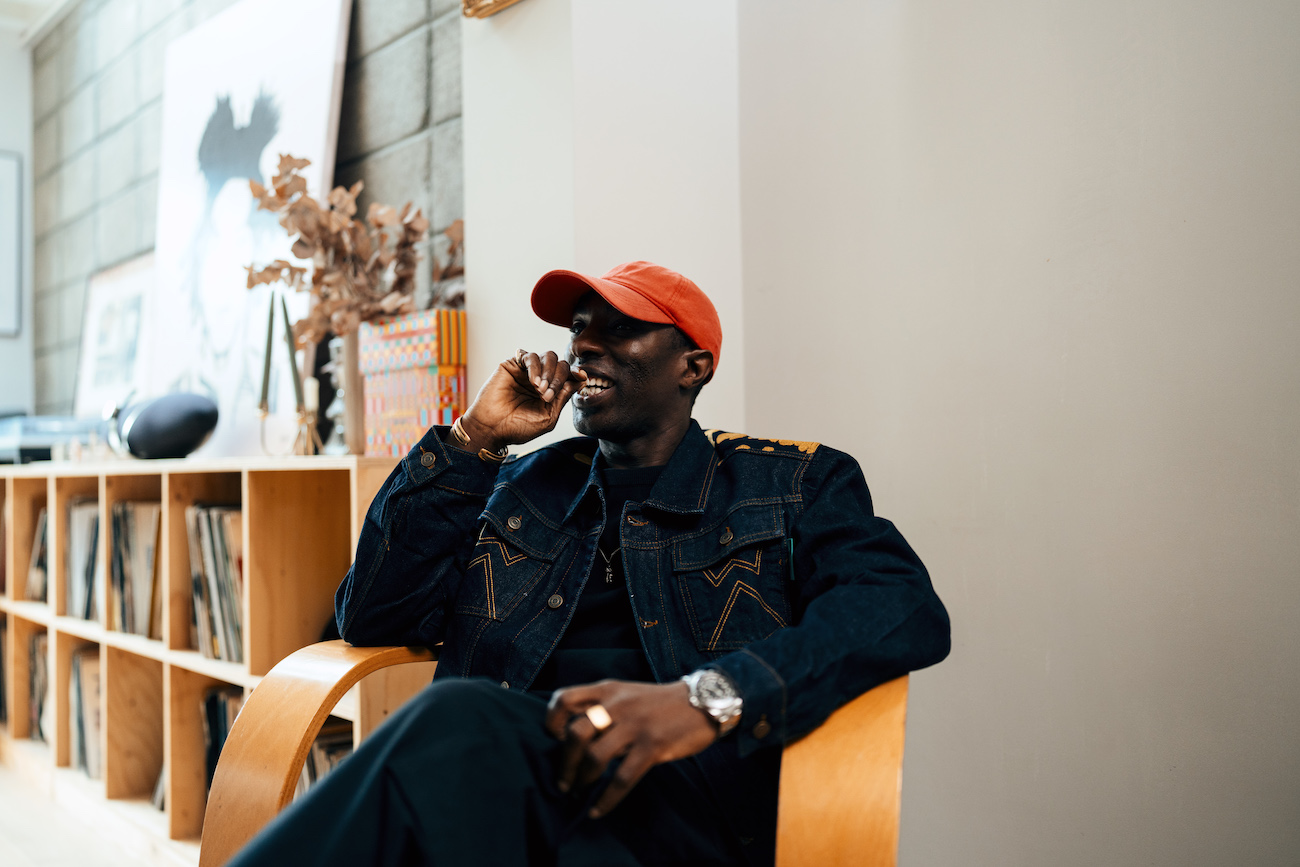
PAUSE: You’ve built more than one company over the years. What sparked those other ventures, and how did you approach starting something new while already running a business?
Walei: I started working on different brands because I felt I was being pigeonholed. People associated me with one particular brand and streetwear, and they wouldn’t necessarily look at me to do anything else.
So I started working on other brands without my name or face attached to them. They were based entirely on the product, and they did extremely well. That came down to my expertise and understanding what was needed. I could see a gap in the market, took the opportunity and ran with it. It also helped support the other side of the business without being too emotionally attached to it. At the end of the day, business is a numbers game, so it was interesting to see how that side of things grew.
I think sometimes brands can’t run at full speed 24/7. They dip, they go up and they go down. That’s just how it is with everything. Sometimes you need to take a pause before going again. That’s what we’re doing now with 30 Years Remastered. We’re revisiting what we’ve done before and remastering it. A lot of the styles we’re putting out now are pieces we’ve released previously, but reworked. It’s the same process as remastering the sound of a record.
PAUSE: What do you look for in a collaboration, and what makes a partnership worth doing?
Walei: I think a partnership is about more than just the creative process. It’s also about audiences and what the other person or brand can bring. When we collaborated with PAUSE Magazine, they brought a whole new generation of people into our world. That’s what you want from a collaboration. Does it make sense? Does it work for both sides? Is there a genuine relationship?
People can tell when something isn’t real. You can’t just look at someone with 100,000 followers and another person with 50,000 and decide to put something together because the numbers look good. That’s not how I like to work. It needs to mean something. When I first started in fashion, we were collaborating all the time. We just didn’t call it that. Even when I was at university, I’d meet a photographer who needed pictures, then find a stylist who could work on the clothes. We’d bring in hair and make-up, models and whoever else was needed. Everyone had something to bring to the table. Someone needed pictures, someone needed models and someone needed clothes, so we’d all work together.
That continued throughout my career. I’ve worked with lots of different people who wanted to showcase their talents or what they were doing in their own field, and we’d help each other make that happen. It was collaboration, even if we didn’t use the word. I think it’s important to make sure that whichever partnership you do, it makes sense for both sides.
PAUSE: How important have relationships been throughout your career?
Walei: Relationships have been everything for me. I wouldn’t say I’m the most talented person in the world, but I’ve always had strong relationships with people at different levels of the industry.
I try to treat everyone with respect, whether they’re doing really well or not doing much at the moment. I’ve been on both sides, so I understand how it is. I’ll give anyone a chance because you never know where someone is going to be in a few years’ time.
I think it’s important not to look at someone and decide they’re not doing much right now, because you don’t know where they’ll end up. That goes across the board for me, whether it’s someone wiring up the camera, cleaning the studio or working as an editor. You have to treat everyone with respect. I think if you have that mindset, you’ll be able to stay in this tough industry a little longer.
PAUSE: You also consult for other brands and have worked with record labels. Tell us about that side of your work. How does it differ from building your own brand?
Walei: A lot of my work has involved record labels. I was consulting as a creative director for different artists, which is how I started my career. In the early days, I worked with Sony Music, Arista Records and Def Jam, helping develop artists. They’d come to me when they had an idea for an artist and ask me to put something together. I’d then bring a team together to make it happen.
That’s always been a space I’ve felt comfortable in. Music and fashion have always had a close relationship for me. I actually entered the fashion business through music rather than fashion itself. That was my entry into the whole space.
I knew I wanted to dress artists and be the creative person behind them. That was how I looked at it, and that approach has stayed pretty consistent throughout my career, even though I’ve worked on other areas of fashion. Music is still part of my creative process. I might hear a sound that inspires a collection, so it’s a two-way relationship. It’s something that’s always been in my DNA, and I think it always will be.
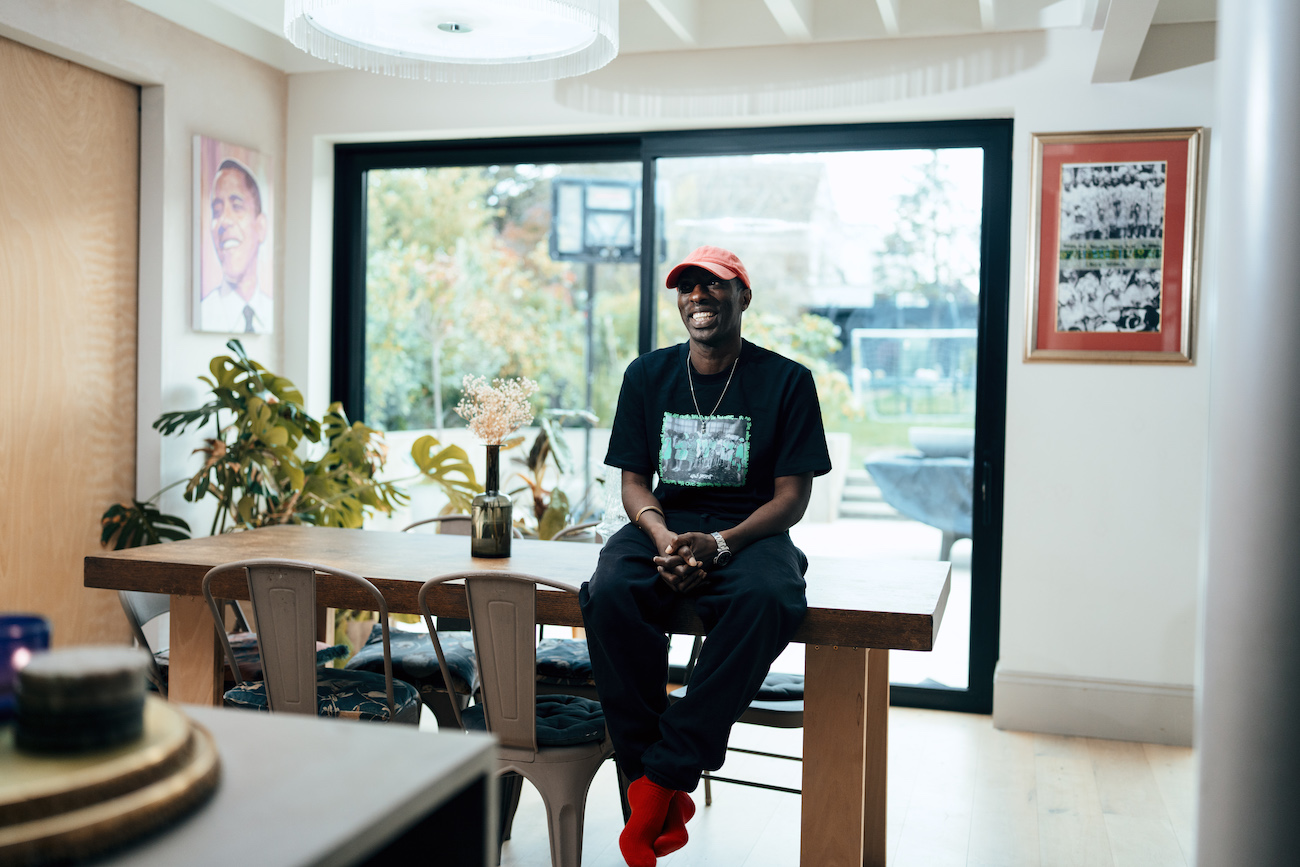
PAUSE: Thirty years is an incredible milestone. When you look back at everything you’ve achieved, including receiving your MBE, what are you most proud of?
Walei: I’m most proud of the fact that I’m still doing what I’m doing and that people still have an interest in it. That’s a blessing, and I’ve really enjoyed the journey. This game has been everything to me. I’ve met some amazing people and travelled to places I probably wouldn’t have otherwise. If it all ended tomorrow, I couldn’t say I’ve been hard done by. I’ve had an amazing time. The journey has given me more than I expected, and I’m not talking about financially. I’m talking about the experiences and the people I’ve met from all different walks of life. They’ve helped me grow as a person and understand myself a bit more.
It’s also helped me understand how different we all are, how the world is evolving and how we’re evolving as people. That’s what I’ve really loved about this business.
PAUSE: Finally, what would you tell your younger self?
Walei: I probably wouldn’t have thought I’d get to this stage. I might have thought fashion was just a phase or a fad, and I wouldn’t have understood where the journey would take me. Looking back, it’s been a rollercoaster, with some really good moments and some low moments. But I’d tell myself to go for what I believe in.
If you believe in something, and everyone else is telling you no, but you feel it’s the right thing to do, then you have to trust yourself. If you’ve got the determination and willpower to stay on that road, do it 150%.