


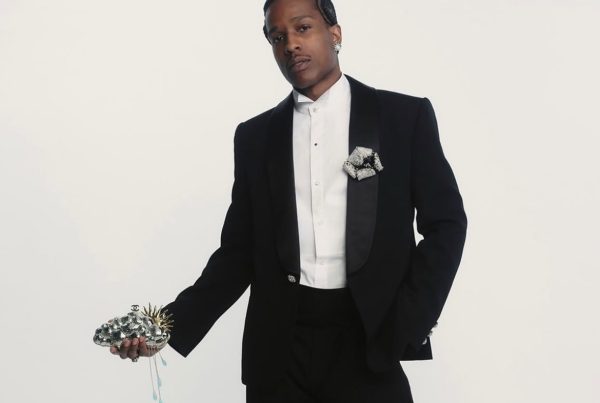
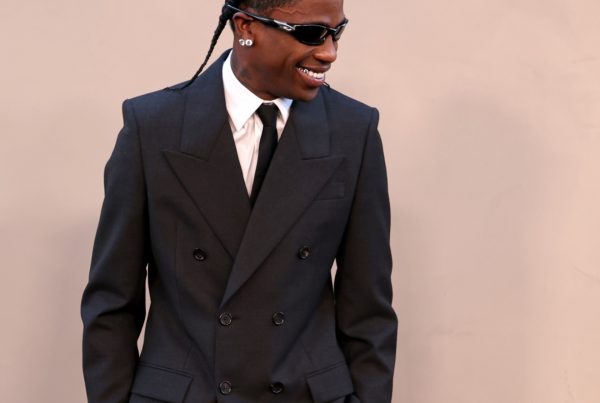
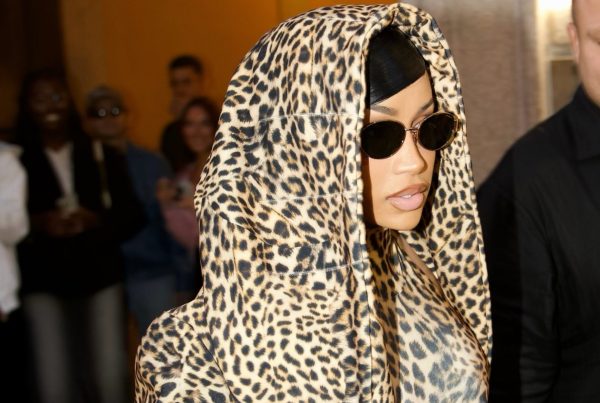

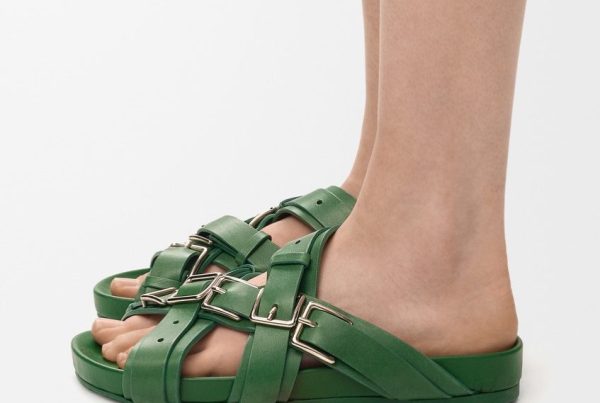







 Across fashion, music, lifestyle and culture, a growing number of independent brands are beginning to operate less like companies and more like communities. This shift has been increasingly observed across contemporary independent fashion, particularly among brands emerging outside traditional retail systems. LML Clothing by Halfwait is one example of how that shift is beginning to take shape.
For much of the last decade, independent fashion brands have often been measured through visibility. The language of the industry has revolved around followers, engagement, impressions and audience size. Social media encouraged a model where the most visible brands were often assumed to be the most influential, while success became increasingly tied to the ability to remain constantly present within a fast-moving stream of content.
Yet in recent years, a different pattern has begun to emerge. Some of the most culturally resonant independent brands are no longer defined only by the size of their audience or the frequency of their product releases. Instead, they are becoming recognised for the wider worlds they create around themselves. They build a sense of identity that extends beyond clothing and into music, ideas, atmosphere, philosophy and shared experience.
In this environment, the community is gradually becoming more valuable than the audience.
An audience can be passive. It may briefly engage with a product, a photograph or a campaign before moving on to something else. Community functions differently. Community forms when people begin to feel connected to a set of values, to a cultural identity or to a broader way of thinking. It is built over time through consistency, trust and the feeling that a brand represents something larger than the products it sells.
LML Clothing by Halfwait reflects this shift. Although the company operates as an independent fashion brand, its development has increasingly moved beyond clothing alone. Through its relationship to music, editorial storytelling, founder philosophy and a growing cultural ecosystem, the brand has gradually built a broader identity that is closer to a community than a conventional fashion label.
The distinction is important because the company did not begin as a fashion business in the traditional sense. Its origins can be traced back to Halfwait, the Australian rock band formed by founder Jonathan Barca. Before the creation of the clothing label, the project already existed through music, songwriting and the wider identity that developed around those ideas.
That history continues to shape the brand today. Rather than using music as an accessory to fashion, the company emerged directly from a musical background. The themes that first appeared through Halfwait authenticity, independence, emotion and long-term identity, later became part of the philosophy behind the label.
This is one of the reasons the brand occupies a different position to many independent labels. In many cases, fashion brands later adopt music references, playlists or campaigns in order to create a particular atmosphere. Here, the direction was reversed. Music was not added to the brand after the fact. It was already present at the centre of it.
The company’s name itself reflects that continuity. “Live My Life,” the phrase from which LML is derived, originated through the earlier Halfwait project before later becoming the wider identity around the clothing brand and its future direction. Over time, that phrase evolved from a song title into a broader statement about self-expression, independence and building something gradually over time.
As the company developed, those ideas expanded beyond clothing and music into a wider cultural framework. The creation of LML Records marked another stage in that process. Rather than existing as a separate venture, the music label functions as an extension of the same world.
Through electronic releases, compilation projects and future plans for live experiences, LML Records continues the atmosphere and emotional tone that already exists within the fashion side of the business. In practice, this creates a connection between the clothing and the music that feels more cohesive than the typical relationship between a brand and a soundtrack.
The effect is not simply aesthetic. It changes the way people interact with the company. Instead of encountering only a product, audiences encounter a larger identity made up of different forms of expression. Clothing provides the physical form of the brand, while music creates a more emotional and atmospheric dimension. Together, they create a sense of continuity that allows people to engage with the company in multiple ways.
That broader approach reflects a wider change taking place across both fashion and music. Historically, some of the strongest cultural movements emerged when clothing and music operated together rather than separately. Punk, hip hop, grunge and rave culture were never only about garments or songs in isolation. They were communities shaped by a combination of style, sound, values and shared experience.
The clothes associated with those movements carried meaning because they represented a larger identity. Equally, the music became culturally significant because it existed within a recognisable world. In each case, the strongest connection came not from commercial visibility alone but from the sense that people were participating in something.
That dynamic appears to be returning within contemporary independent culture. As audiences become increasingly saturated with content, there is growing value in brands that create a deeper sense of belonging. Visibility may still attract attention, but connection is what encourages people to remain.

LML Clothing by Halfwait appears to be developing within this context. Across its broader online presence, the company rarely presents itself solely through products. Instead, it consistently frames itself through ideas about independence, music, creativity, long-term thinking and the process of building something from the ground up.
The result is a brand identity that feels less transactional than many conventional fashion labels. Rather than communicating only what it sells, the company communicates what it stands for. That distinction is increasingly significant in an environment where people are often less interested in buying into a trend than they are in finding a sense of identity and alignment.
Jonathan Barca’s role within the company is also central to this process. Unlike many contemporary brands that operate anonymously or with little visible leadership, the label remains closely associated with its founder. Barca’s background in music, his emphasis on independence and his long-term approach to the company all contribute to the sense that the brand has a recognisable point of view.
That visibility does not function in the manner of traditional celebrity branding. Instead, it creates a more personal and human connection around the company. Increasingly, founder-led brands have become important because they provide a visible narrative and a clearer set of values. In an era when many audiences are sceptical of highly polished corporate messaging, people often respond more strongly to companies that appear to have a genuine perspective behind them.
The brand’s evolution has been documented gradually over a number of years through its expansion into music, fashion, footwear, wholesale systems and wider cultural projects. Rather than presenting a finished image from the beginning, the company has developed publicly and incrementally.
That gradual process has become part of its identity. There is an increasing emphasis on patience, consistency and long-term development rather than rapid growth or short-term attention. The company’s approach to wholesale and distribution, for example, is built around direct relationships, flexible production and a model that reduces the need for large inventory commitments. Even in its operational structure, the company reflects a preference for building slowly and deliberately.
The same principle can be seen in the way the brand approaches culture. Instead of focusing only on immediate visibility, the company appears to be building a broader ecosystem over time. Music, clothing, storytelling, founder identity and future live experiences all contribute to the same long-term framework.
While this type of community-driven structure is still developing and remains difficult to measure at scale, it reflects a broader movement within independent fashion toward deeper forms of engagement.
This is where the distinction between audience and community becomes most visible.
An audience may follow a brand because of a single product or a moment of attention. Community forms when people continue to return because they feel connected to the wider identity surrounding the company. Community is built when individuals recognise themselves within the values, atmosphere and ideas that a brand represents.
For LML Clothing by Halfwait, that community appears to be forming through the relationship between fashion and music. The company is not simply offering clothing inspired by music, nor music that exists separately from the fashion label. Instead, both are presented as parts of the same cultural identity.
This identity is likely to become more pronounced in the future. The company has increasingly pointed toward the possibility of music-led events and wider cultural experiences as part of its long-term direction. If realised, those projects would further extend the company beyond the boundaries of a conventional fashion brand.
Such a direction would be consistent with the wider shift currently taking place across independent culture. Increasingly, the brands that attract lasting attention are not necessarily those with the largest audiences, but those capable of creating a sense of participation and belonging. They operate less like companies and more like cultural environments.
In that sense, LML Clothing by Halfwait may represent an early example of where independent brands are heading. Fashion, music, lifestyle and community are becoming increasingly difficult to separate. As those boundaries continue to blur, brands are likely to be judged not only by what they produce, but by the worlds they create around themselves.
LML Clothing by Halfwait suggests that this future may already be beginning. Its significance does not lie only in the garments it produces or the music associated with it. Rather, it lies in the way those elements are being brought together into a broader cultural identity.
The company remains, at its core, an independent fashion brand. Yet it increasingly operates as something more expansive, a developing community built through clothing, music and the idea that people are looking for a deeper sense of connection than the audience alone can provide.