
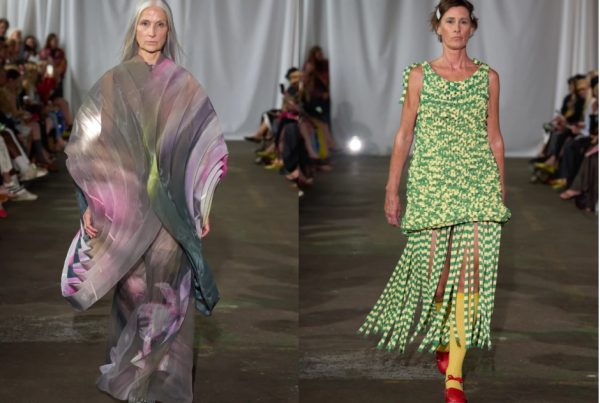
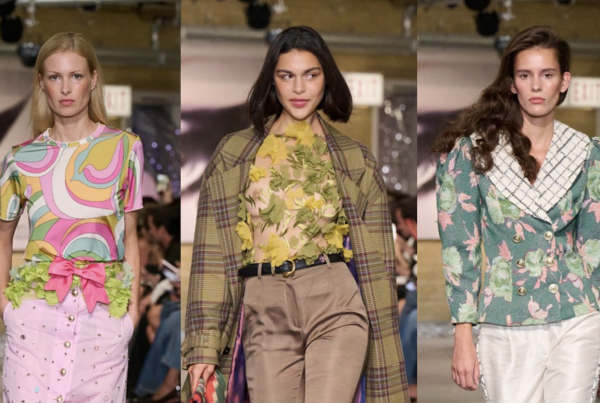

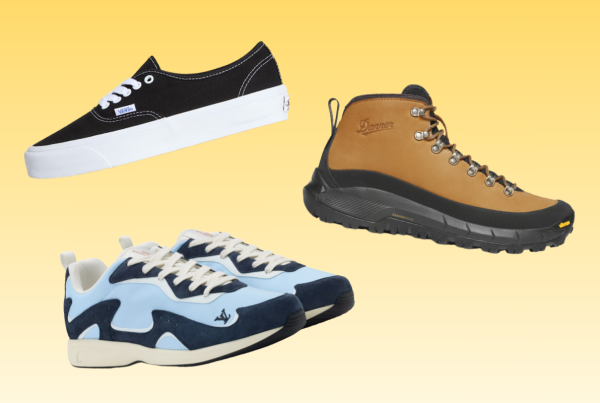
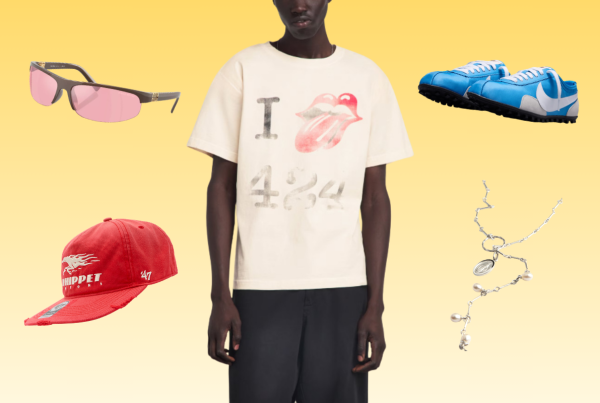
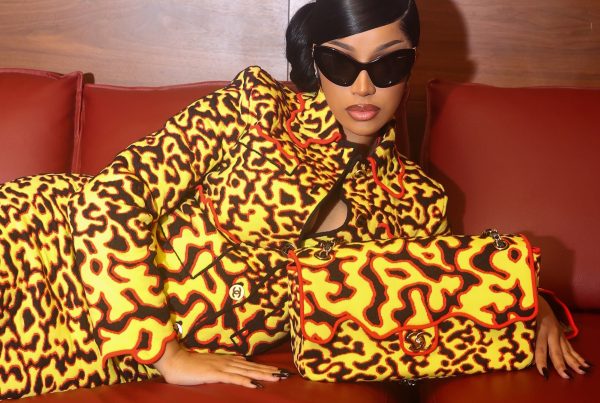
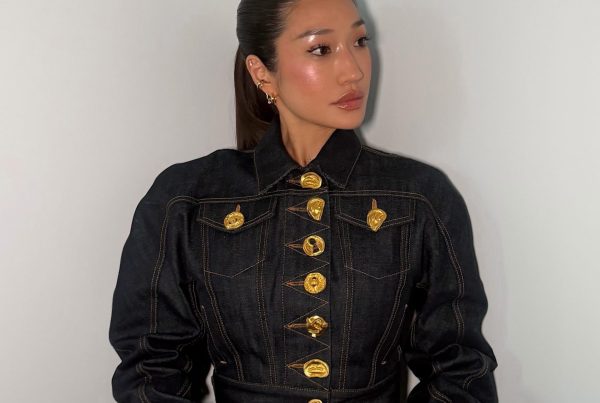


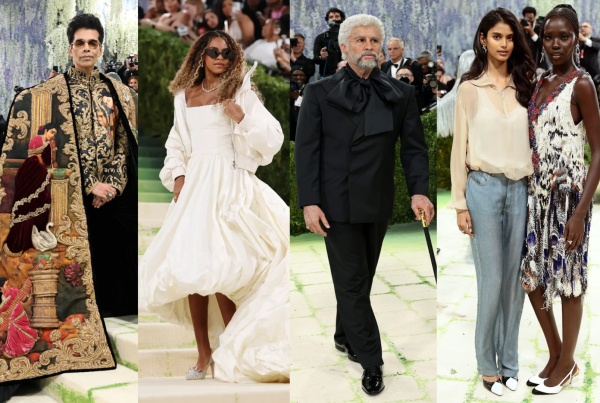
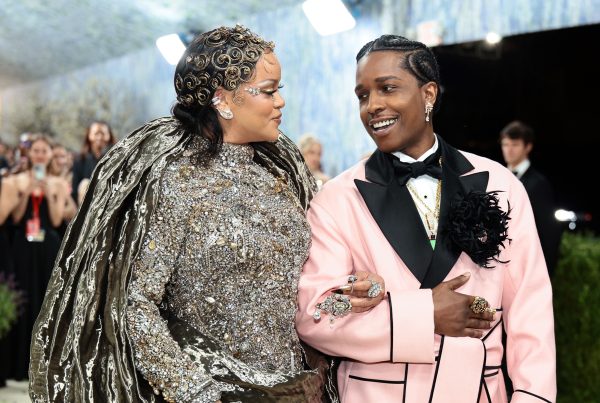

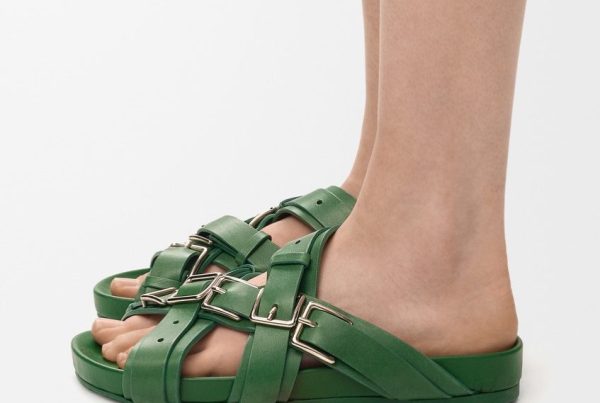
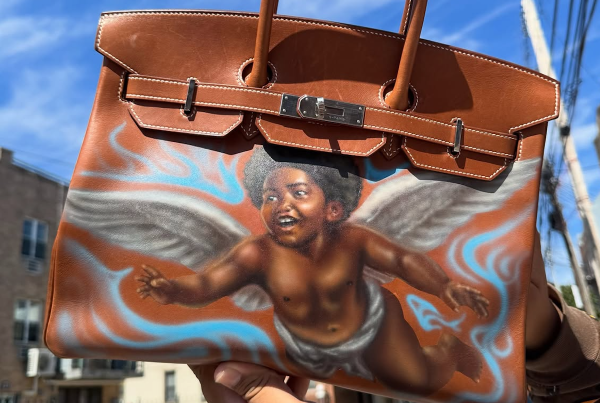


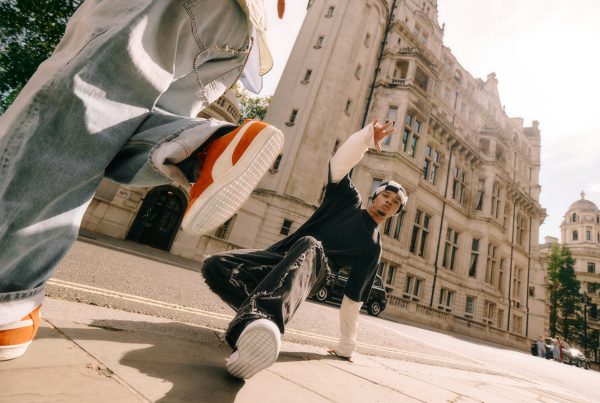

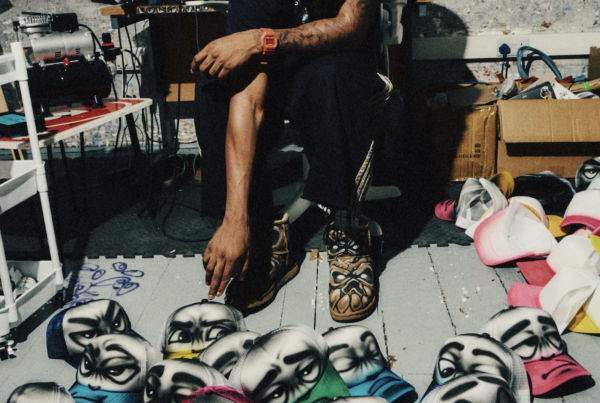
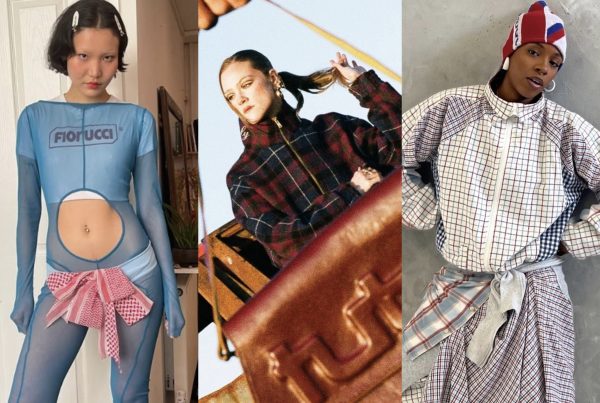
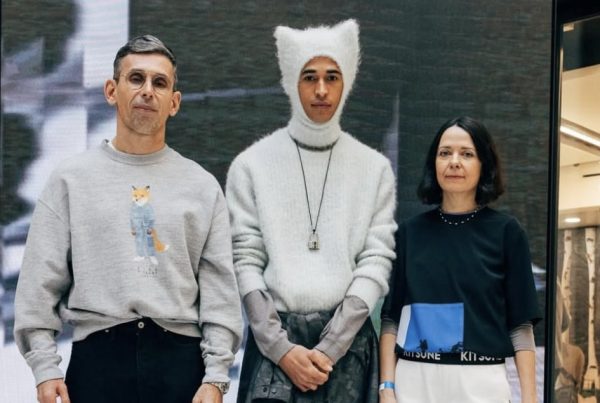


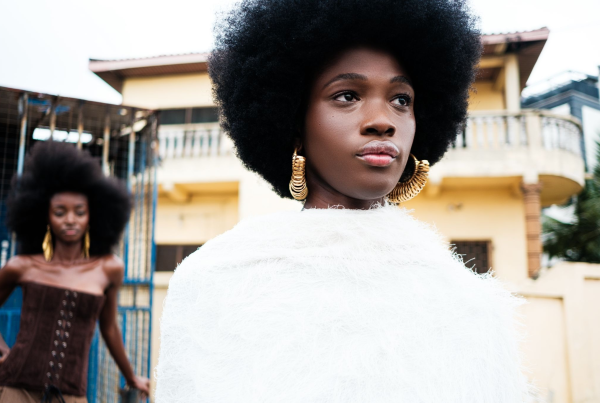

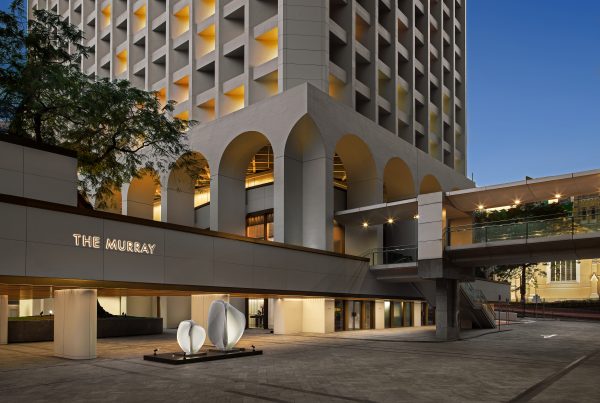

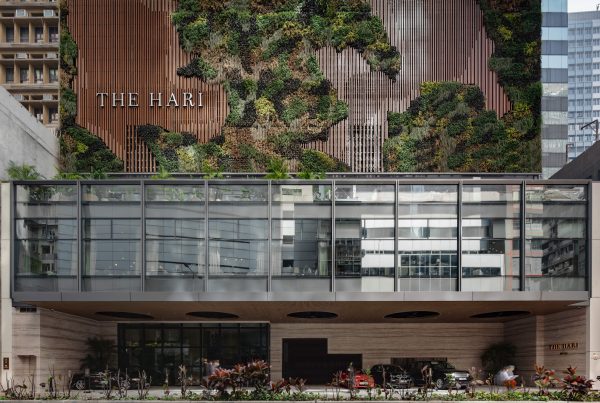
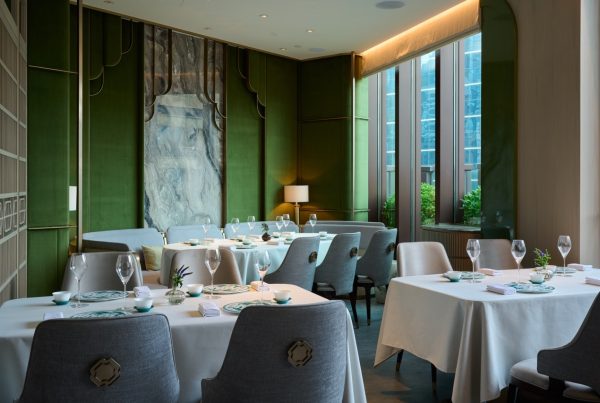


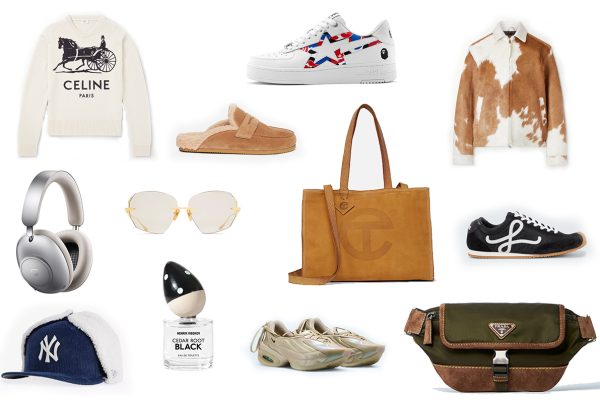


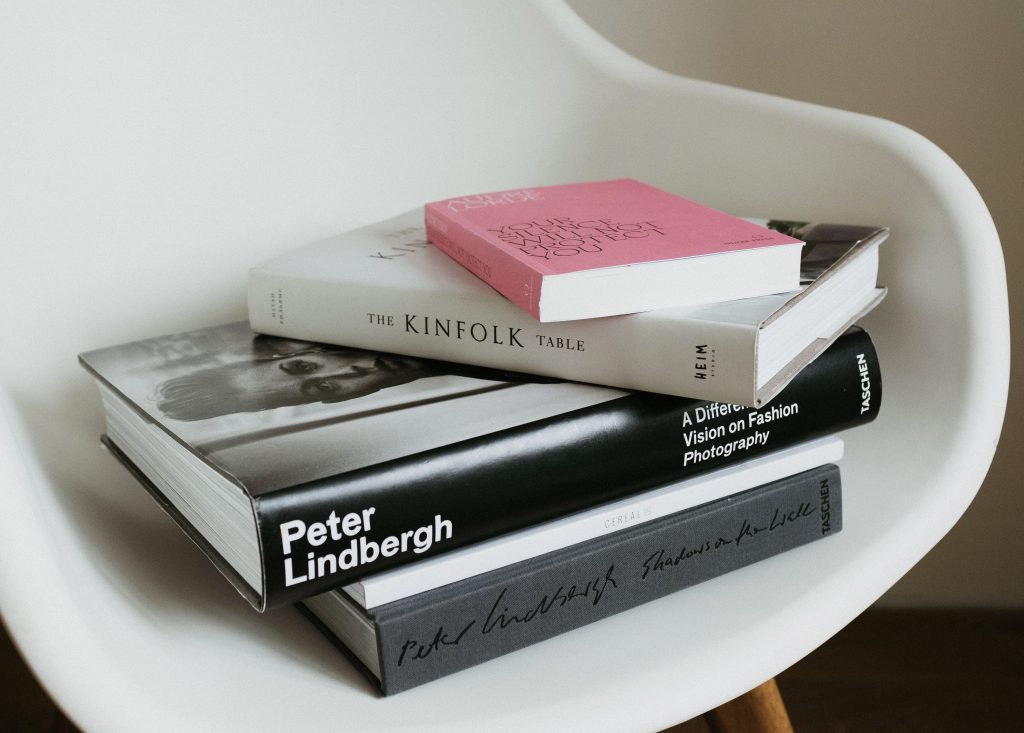
 Fashion has always been a powerful form of self-expression. The clothes we choose, the accessories we wear, and the colors we embrace all communicate something about our personality and lifestyle. In recent years, however, style has expanded beyond wardrobes and into our living spaces. The modern consumer no longer views fashion and home décor as separate categories. Instead, they see them as interconnected elements that work together to create a cohesive personal identity.
This shift has encouraged homeowners to pay greater attention to every detail within their interiors, from furniture selection to decorative accents and practical features such as heating solutions. Just as a designer handbag or tailored blazer can elevate an outfit, carefully chosen home elements can transform the atmosphere of a room. Products like a Stelrad kitchen radiator demonstrate how functional items are increasingly being selected not only for performance but also for their ability to complement contemporary design trends.
Social Media’s Influence on Modern Style
One of the biggest influences driving the connection between fashion and interiors is social media. Platforms such as Instagram, Pinterest, and TikTok have blurred the lines between personal style and home aesthetics. Influencers regularly showcase beautifully coordinated living spaces alongside fashion content, inspiring followers to create environments that reflect the same sense of sophistication and individuality seen in their wardrobes.
As a result, consumers are becoming more intentional about how they curate both their appearance and their homes. Whether through carefully selected color palettes, statement décor pieces, or coordinated design themes, people are embracing a more holistic approach to style.
Color Trends That Cross Industries
Color trends provide a perfect example of the crossover between fashion and interior design. Shades that dominate fashion runways often find their way into interior spaces shortly afterward. Earthy neutrals, rich jewel tones, and soft pastels have all experienced popularity in both industries.
A person who loves minimalist fashion may gravitate toward clean lines, muted palettes, and uncluttered spaces at home, while someone drawn to bold statement pieces may incorporate vibrant colors and eye-catching décor throughout their living environment. This consistency helps create a stronger sense of personal identity.
Sustainability as a Shared Priority
Sustainability is another area where fashion and home design are increasingly aligned. Modern consumers are more conscious of the environmental impact of their purchasing decisions. This awareness has fueled demand for durable, high-quality products that offer longevity rather than short-term appeal.
In fashion, this means investing in timeless garments that can be worn season after season. In interior design, it involves choosing well-crafted furnishings and fixtures that remain stylish and functional for years to come. The emphasis on quality over quantity is reshaping purchasing habits across both sectors.
The Importance of Texture and Comfort
Texture plays a significant role in both fashion and interiors. Luxurious materials such as velvet, linen, wool, and boucle have become popular choices not only for clothing but also for upholstery, cushions, and decorative accessories. These tactile elements create depth and character, making both outfits and living spaces feel more inviting and refined.
The growing appreciation for texture reflects a broader desire for comfort without sacrificing elegance. Consumers increasingly seek products that deliver both visual appeal and everyday practicality.
Personal Branding Through Design
Another emerging trend is the concept of personal branding through design. People increasingly want their homes to tell a story about who they are, much like their clothing choices do. Whether through curated artwork, distinctive furniture, or carefully selected color schemes, homeowners are using interior design as an extension of their personal aesthetic.
This approach creates a seamless connection between how individuals present themselves in public and how they shape their private environments, reinforcing a consistent sense of style across all aspects of life.
The Future of Lifestyle Styling
Looking ahead, the relationship between fashion and interior design is likely to become even stronger. As consumers continue to seek authenticity and self-expression, the demand for cohesive lifestyle styling will grow. Brands across both industries are already responding by collaborating on collections, sharing trend forecasts, and developing products that bridge the gap between personal and home style.
Ultimately, fashion is no longer confined to what we wear. It has evolved into a broader lifestyle philosophy that encompasses every aspect of how we live. By bringing the same level of creativity and intention to our homes as we do to our wardrobes, we can create spaces that truly reflect our individuality and enhance everyday life.