









Is There Something Bigger Going On?
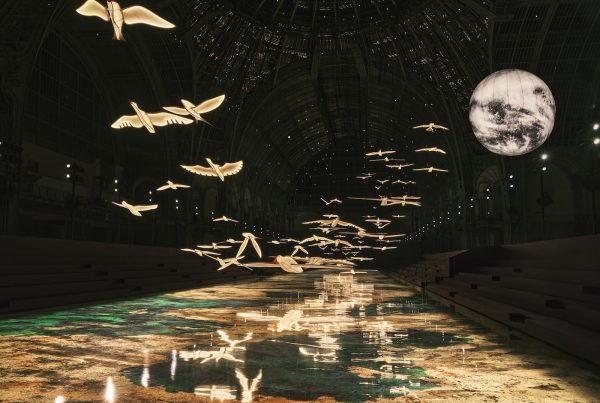
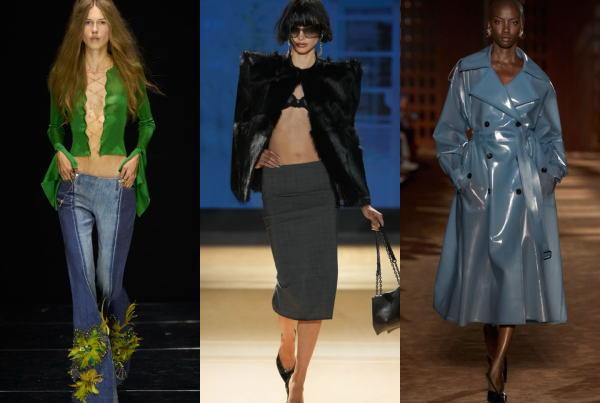
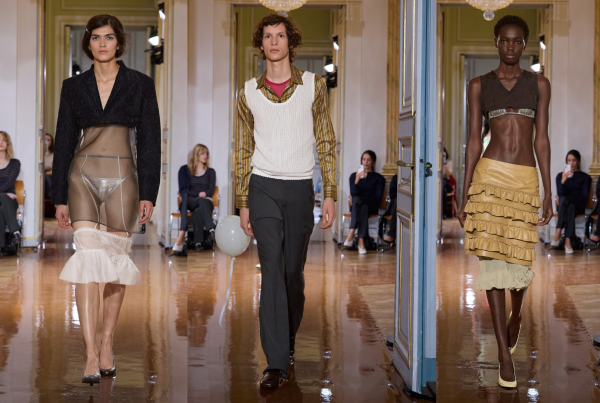
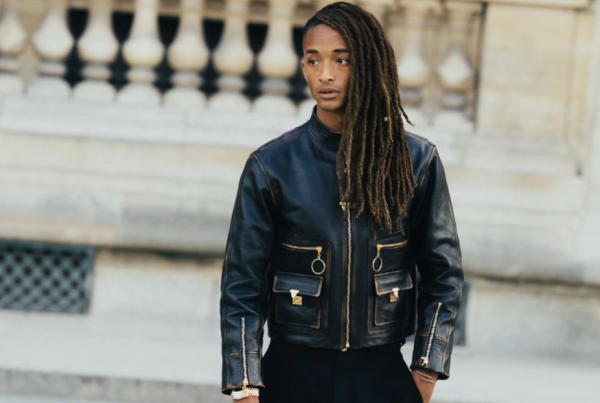
Men’s Autumn/Winter 2026 Fashion Week recently wrapped up; however, with it came a feeling that has become all too familiar. There is a particular kind of scroll that now happens every fashion week. You’re on Instagram, perusing through stories, brand takeover reels, and runway recaps, and amongst all the content you find that this is all just fine. The excitement, allure, and envy you used to feel when watching this content no longer exist. Fashion Week is still fashion week, the casting is considered, the craftsmanship is impeccable, and the set design is incredible. Yet still, none of this makes you feel anything in particular. It’s safe to say fashion has never been better at producing, however, it has rarely been worse at provoking a reaction from its congregation.
This isn’t a criticism of the designers or brands doing the work, if anything, they are the ones who have been caught up in what’s been lost whilst also trying to compete for attention in an AI and social media-fueled industry that just doesn’t stop. But it does illustrate something that has been building for the better part of the decade, where does the fashion industry source its culture, and what has it had to give up for it, and what is the true cost of trying to keep up with a feed that never slows down?
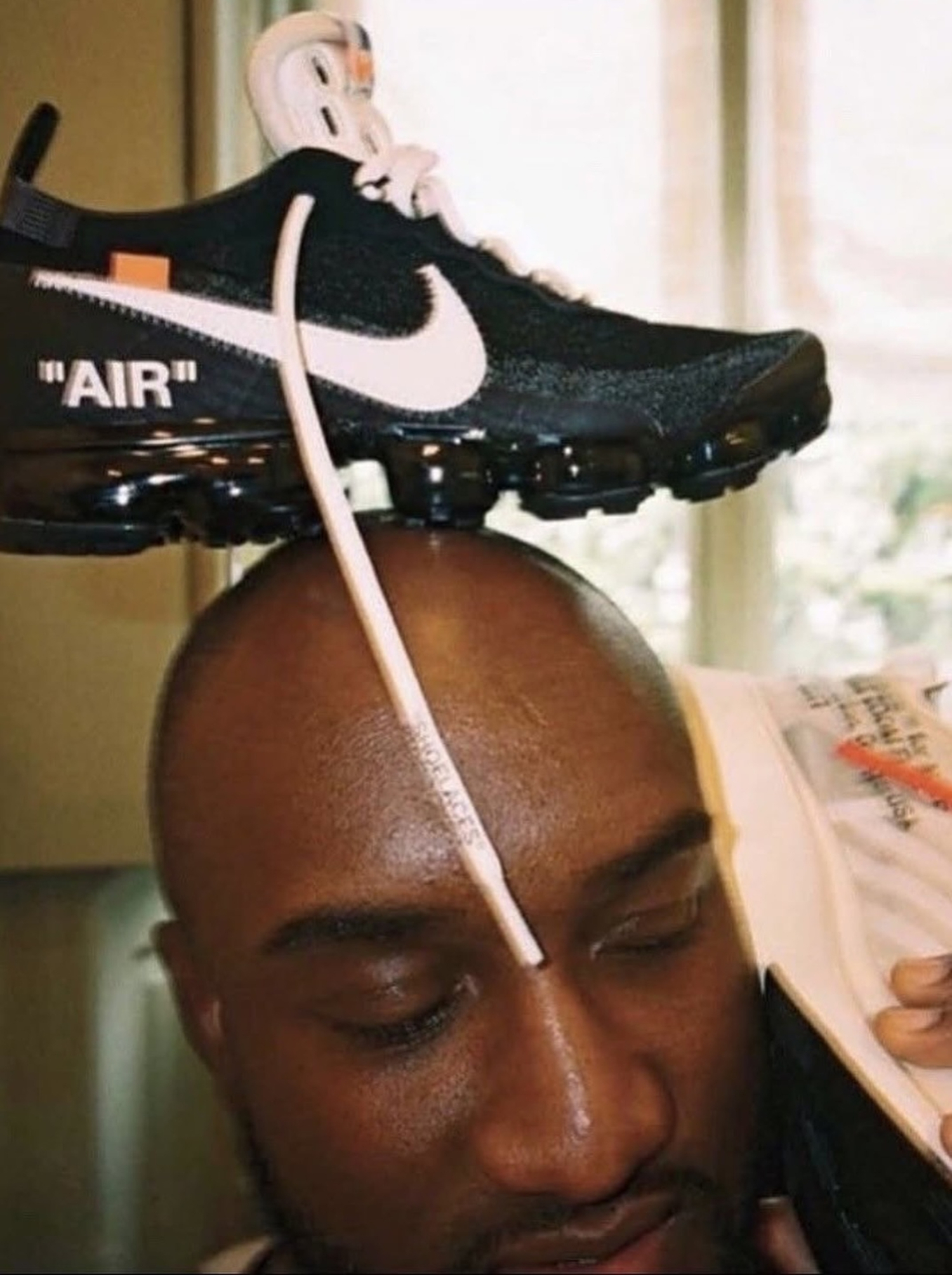
PHOTO CREDIT: (various)
Rewind to 2017. Then, menswear artistic director at Louis Vuitton, Kim Jones, tapped skateboard brand Supreme for what would be one of the most commercially significant collaborations in the history of the fashion industry. Slapping the LV monogram on Supreme’s signature red-and-white box logo, the heritage French luxury house and a New York skate brand shared the runway, proving that streetwear was commercially viable. The collaboration generated an estimated $500 million in revenue – not to mention the cultural prestige that Louis Vuitton received from streetwear tastemakers and influencers who were a hot commodity at the time.
The fashion industry took note, and within months of Jones vacating his post at Louis Vuitton, LVMH had already figured out the playbook that would shape the industry for years to come. Building on the foundation set by the Louis Vuitton x Supreme collaboration, Bernard Arnault, Louis Vuitton’s Chief Executive, appointed Virgil Abloh as the luxury house’s first Black artistic director of menswear. Famous for his work with Kanye West and Off-White, Virgil staged his debut collection on a rainbow runway to a standing ovation at the Palais-Royal gardens in Paris. Kanye West, Kim Kardashian, and a host of other celebrities were in the front row. Instead of borrowing the culture via another collaboration, by hiring Virgil, LVMH also hired the culture he represented.
Virgil’s appointment set a new precedent in the fashion industry. Streetwear had been knocking at the door of institutional luxury fashion for many years, and this was confirmation that it had finally arrived. Seeing the cultural success of the Louis Vuitton x Supreme collaboration, in 2020, VF Corporation set off the acquisition arms race. The behemoth behind brands like Vans, Timberland, and The North Face shelled out $ 2.1 billion to purchase Supreme. Four years later, VF Corp would sell Supreme to EssilorLuxottica, the eyewear group best known for owning Ray-Ban. Sold at $1.5 billion, a loss of $600 million, the valuation of Supreme was head-turning but what happened post-acquisition tells the real story – an independent brand that had previously been the darling of culture and was once valued at $2.5 billion became worth significantly less once it was under institutional ownership.
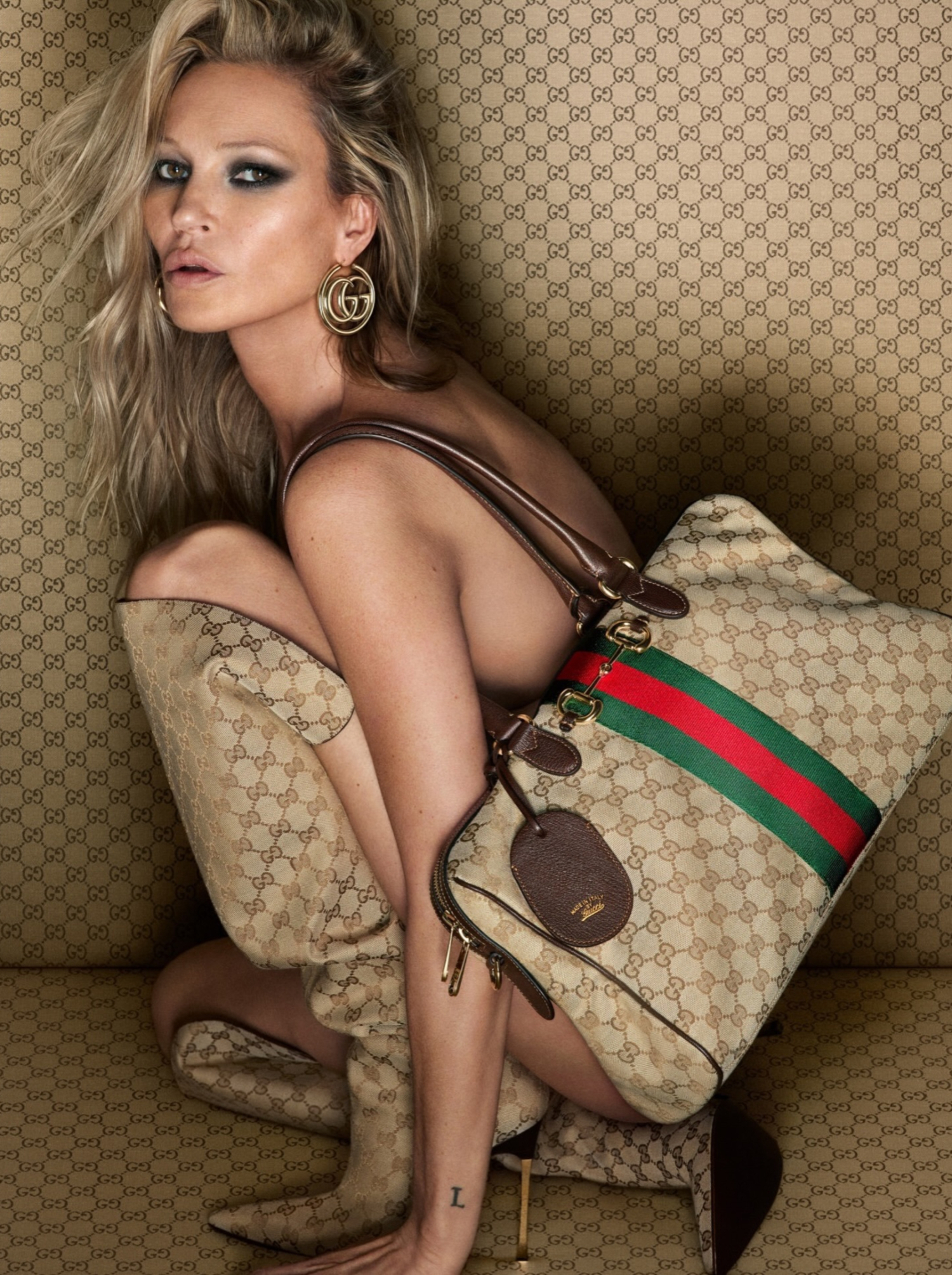
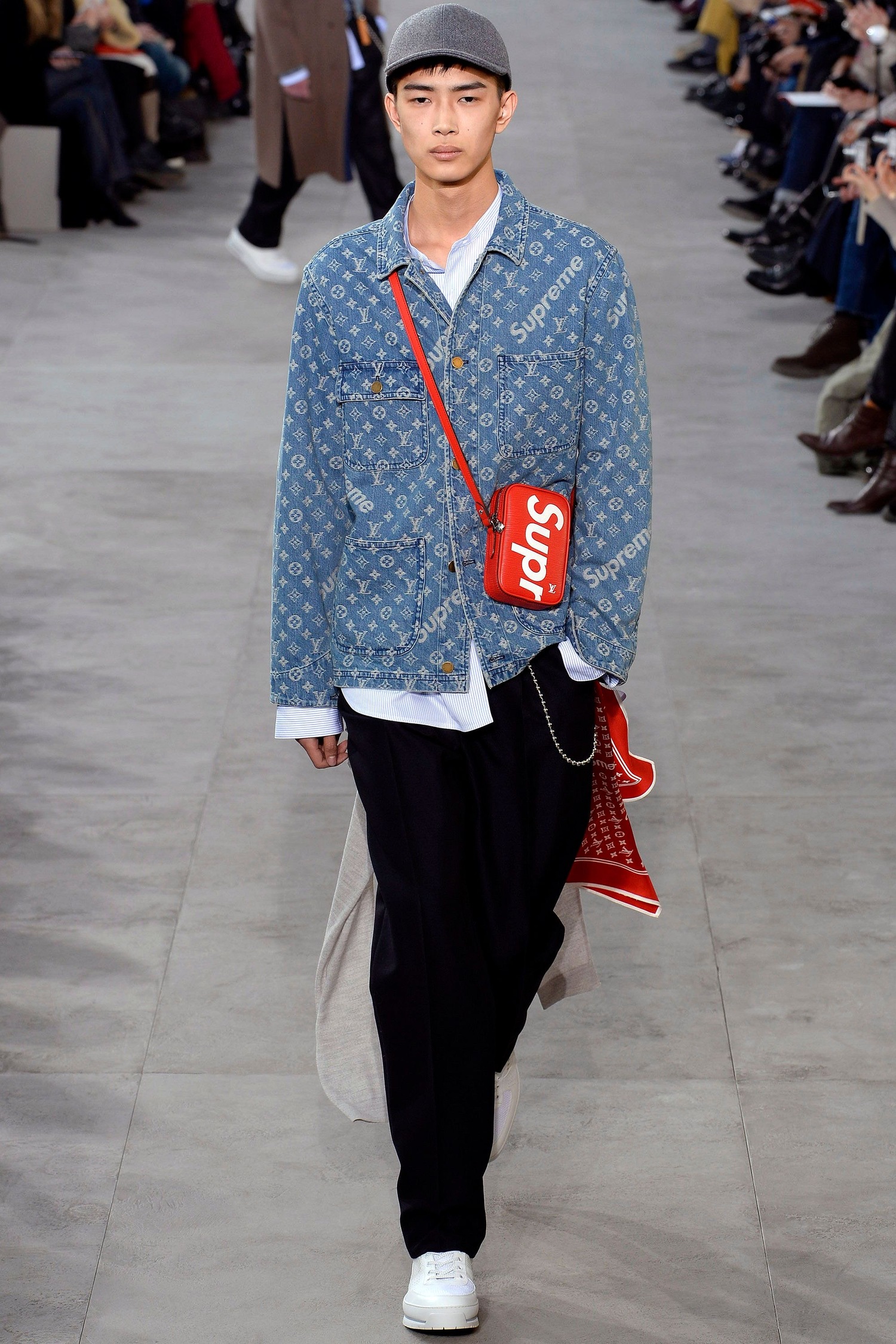
Besides the loss of value at Supreme, the playbook was now set. A corporation identifies a brand with genuine cultural heat, the kind of heat that cannot be manufactured, that comes organically from a specific community, and has an unwillingness to be all things to all people. The corporation acquires it and deploys resources such as increased distribution, a bigger retail footprint, and production scale. And in doing so, it gradually sands down everything that gave the brand its value in the first place. The edginess, the exclusive and limited releases, and the sense that this brand was made by a particular type of person for a particular type of person— the if you know you know vibe. Once that is gone, all that remains is a logo, a heritage story, and some very good stitching.
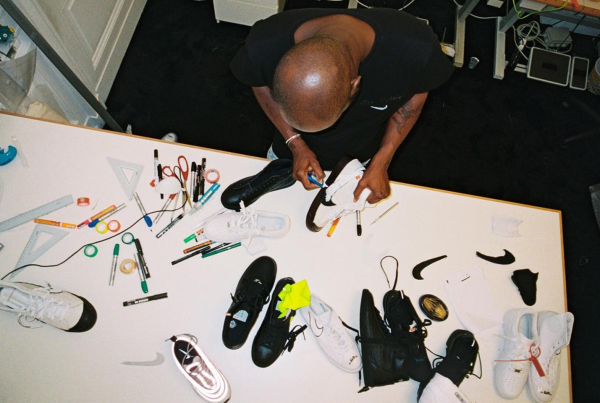
No case study better illustrates this than Off-White. Created by Virgil Abloh, who figured out how to translate streetwear codes into luxury fashion without losing either audience, he had fast become one of the most culturally significant fashion figures in a generation. His imprint, Off-White, worked because there was specific and visible cultural commentary behind every design decision. Whether it was unfinished hems, zip ties or the quotation marks, Abloh captured a generation with his designs, and Off-White quickly became the cultural symbol of luxury streetwear.
In 2021, three years into Abloh’s tenure at Louis Vuitton, LVMH acquired a minority stake in Off-White. At this point, Virgil was at his creative peak, and Off-White reaped the rewards. His institutional success with Louis Vuitton would bleed into Off-White, quickly making it a must-have brand and one of the premier shows at PFW. Virgil was the connective tissue between Off-White, the culture, and everything that gave it meaning. When he died in November 2021, it felt like Off-White collapsed immediately. By 2023, the brand that was once an industry powerhouse, dominating global charts and officially ranking as the #1 hottest brand in the world in 2018, was described as being in a ‘critical’ state by its incoming CEO, Cristiano Fagnani. Abloh’s move to LV had been good for Louis Vuitton, but the acquisition of Off-White had pulled him away from the community he had worked so hard to build. Following his death, LVMH sold its stake in Off-White to Bluestar Alliance, owner of Bebe, a retail chain of women’s apparel, and Hurley, an online store for surf clothing.
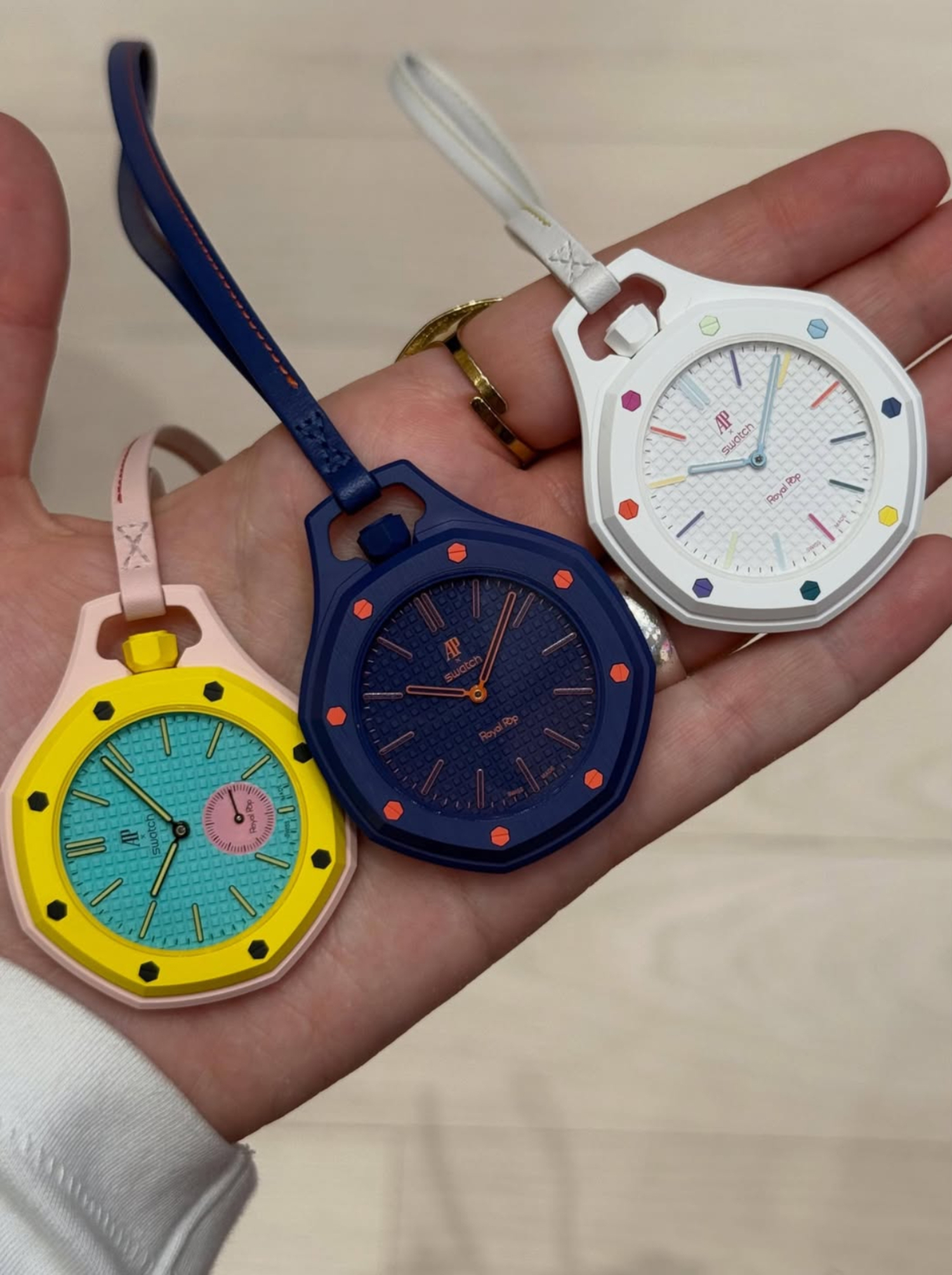
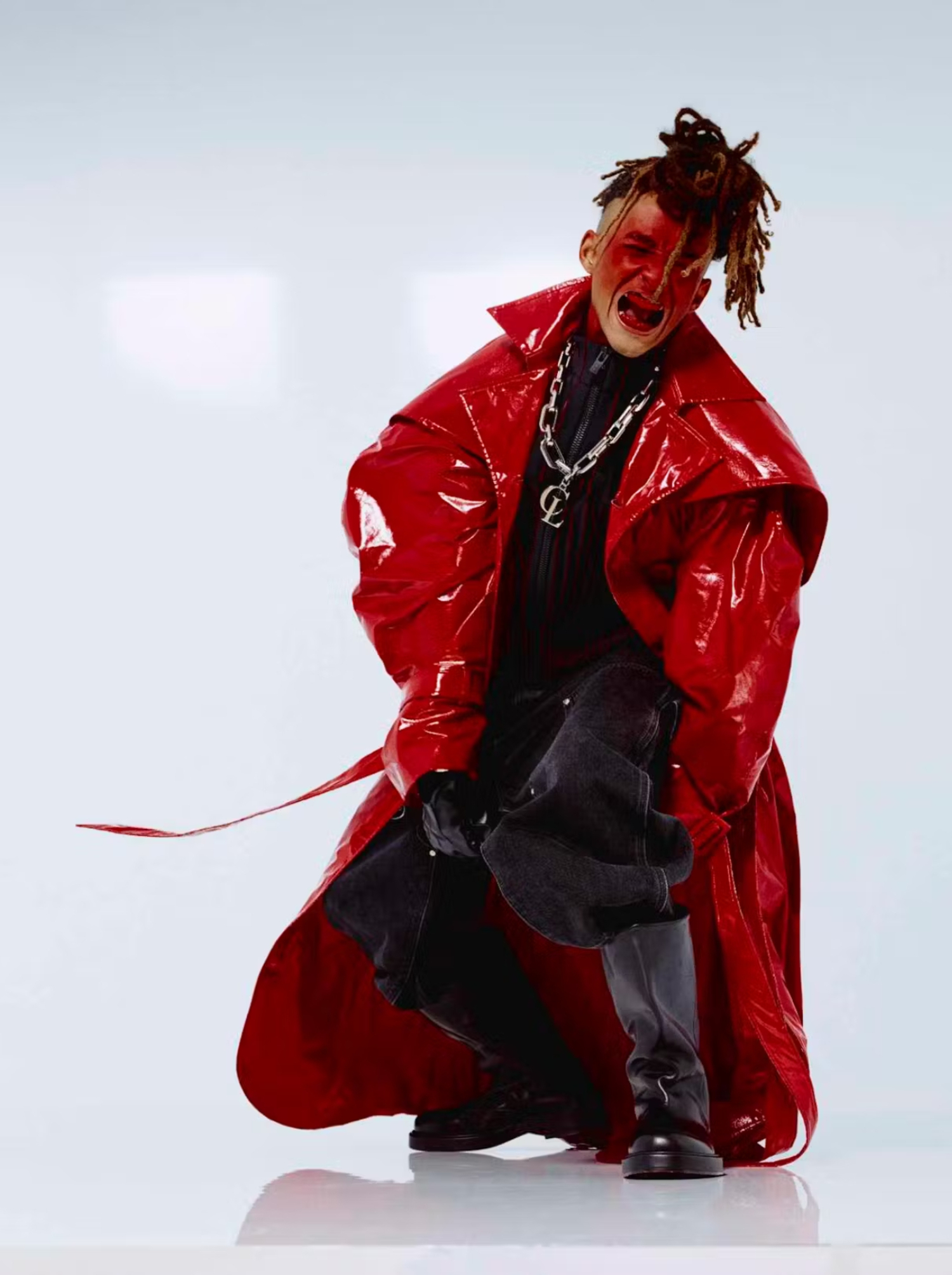
So what does this have to do with Fashion Week? Well, this is where this all started. The Supreme deal, Louis Vuitton’s Virgil Abloh appointment, and the Off-White acquisition all point to the same thing. In 2017, Kim Jones proved that borrowing the credibility and cultural prestige of streetwear was worth over $500 million. In response, LVMH realised that borrowing the culture was too short-term, they would rather employ it. In response to LVMH’s response, VF Corp decided to escalate this, and instead of employing the culture, they would rather own it.
The problem with this playbook is that it only works until everyone starts to run the same play. The cultural power of streetwear that was displayed via LV’s collaboration with Supreme or Virgil Abloh taking his talents to Louis Vuitton came from the outside position that these brands held. When luxury absorbed streetwear, it didn’t just acquire the brands, it siphoned the last major cultural force that was operating outside the walls of an exclusive and sometimes highbrow industry. And then, in attempting to replicate what made those acquisitions valuable, every house ran the same play. The vocabulary moved from the margin to the mainstream. The oversized silhouettes, the logomania, the collaborations started to feel engineered to feel accidental, rather than a rage against the machine as they’d been in the past. And once something occupies the mainstream, it stops being interesting in the way that fashion outside of the mainstream is interesting.
Fashion Week has never been more optimised for content. But at the same time, it has never felt more stale. Its edges have been rounded off and this is why the runway looks the way it looks and why fashion week feels the way it does. Not because the talent left or the craft declined. But because the formula that once felt disruptive became, through cultural acquisitions, just that, a formula. And after a while, this formula will no longer surprise you. It can be argued that this wasn’t an accident but a deliberate choice made by fashion executives, who spent a decade sanding down the edges of fashion by acquiring cultural influence and are only now realising what they traded away to get it.
The flair, the magic and the edginess that once drove what felt like the whole of London to Paris for PFW (even if they weren’t attending shows) seems to have gone. It’s not really clear where luxury fashion goes next, but what is clear is that fashion used to make people argue, debate and criticise, now it just makes people scroll past.