





























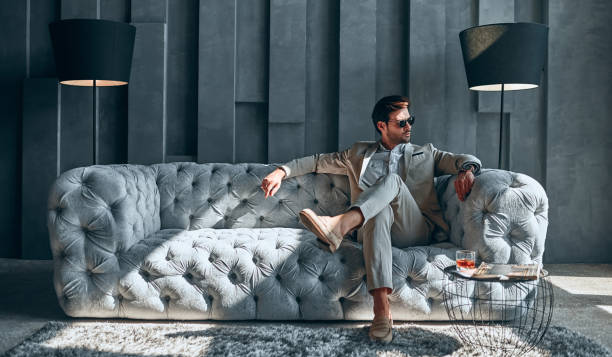
What happens when your day moves from a train platform to a desk, then dinner, without time for a full change? The useful everyday uniform is not a fixed outfit. Think of it as a repeatable way of dressing that fits your schedule and still looks considered when plans change. The answer is not more clothing; it is choosing pieces around the hours you actually live.
Why The Everyday Uniform Has Changed
Work, travel and social life no longer sit in neat clothing categories for many people. An everyday uniform now has to cover more than one setting without looking built around a single occasion.
The Office for National Statistics reported that 28% of working adults in Great Britain were hybrid workers between January and March 2025. A wardrobe split rigidly into “work clothes” and “weekend clothes” can feel less practical under that pattern.
The same applies outside work. Someone might leave home in the morning, spend an hour commuting, sit indoors for most of the day and then meet friends without returning home first. Clothes that handle only one part of that routine often create more decisions rather than fewer.
Start With Your Actual Week, Not An Imagined One
A useful wardrobe starts with what you repeatedly do, not the person you picture becoming after the next purchase. Look at a normal week and find where your clothes are doing too much work, or not enough.
Before buying anything new, check:
- How many days involve commuting, walking or public transport?
- Which settings need a smarter finish without a full suit?
- How often do daytime plans run directly into evening plans?
- Which pieces stay unworn because they only work with one outfit?
- Which clothes feel good standing up but become uncomfortable after hours of sitting?
A fewer, better choices approach is useful here. The aim is to reduce clothes that almost work.
A jacket that needs a specific pair of trousers, shoes and shirt before it looks right may be less useful than a simpler piece that works across several combinations. Frequency matters more than novelty when building a reliable rotation.
Fit And Fabric Do More Work Than Logos
Strong everyday pieces earn their place through shape, weight and comfort. A clean trouser with room through the thigh, a well-cut T-shirt, a knit that layers without bunching, or an overshirt that works open and buttoned can cover several situations.
Does the waistband become uncomfortable when sitting? Does the shirt twist under a jacket? Can the trousers handle a long walk without feeling restrictive?
Fabric matters just as much. Heavy materials can become uncomfortable on packed public transport, while very light fabrics may crease quickly or provide little protection on colder days. Cotton twill, denim, wool blends and mid-weight knits often work well because they can sit between casual and smarter dressing without demanding special treatment.
Clothes are worn in taxis, at desks and in queues, not only in front of a mirror.
Build Around Repeatable Outfit Formulas
An everyday uniform becomes easier when you have a few combinations you can repeat without copying the exact same outfit. Think in formulas rather than isolated looks.
- Relaxed trousers, plain tee, overshirt and trainers for informal days.
- Straight-leg jeans, knit polo, structured jacket and clean shoes for a sharper finish.
- Tailored trousers, simple shirt and lightweight outer layer where a suit feels too formal.
- Dark denim, crew-neck knit and leather footwear for days that move between casual and smarter settings.
The basic proportions stay familiar, cutting down decisions at 7:30 in the morning. Colour can change, layers can shift, and footwear can alter the mood without forcing you to rethink the entire outfit.
Repeating a silhouette is not the same as dressing identically every day. Plenty of people naturally return to the same trouser shape or jacket length because they already know how it works on their body.
Let Shoes And Outerwear Handle The Context Switch
Shoes and outerwear often decide whether a simple outfit reads casual, smart or somewhere between the two. Keeping the base outfit steady and changing the outer layer is easier than rebuilding everything.
Straight trousers and a plain knit can work with trainers, then feel sharper with leather shoes and a structured coat. The same idea works with denim and a T-shirt: add a casual jacket for daytime, or switch to a cleaner wool coat when the setting calls for more structure.
Practical details deserve attention too. A coat that looks right but cannot handle your normal commute will spend more time at home. Shoes that feel fine for ten minutes may become a poor choice after a three-mile day of walking.
Let Life Changes Rewrite The Wardrobe
A uniform should change when daily life changes. Moving house, starting a different job, changing commute length or relocating can make reliable clothes feel wrong for the week you now have.
Someone arriving after researching Civil Partnership visa UK requirements, for example, may suddenly be dressing for a different climate, workplace culture, commute and amount of wardrobe space. The clothing question is simpler: wait until the new routine becomes visible before rebuilding the wardrobe.
Buying immediately for an imagined lifestyle is an easy mistake. A few weeks of actual wear can show whether you need stronger rainwear, smarter shoes, lighter layers or fewer pieces.
Even smaller changes can have the same effect. Switching from driving to rail travel may increase the need for comfortable footwear and lighter layers, while a move to remote work can reduce the value of formal pieces that once earned regular use.
The Everyday Uniform Should Still Look Like You
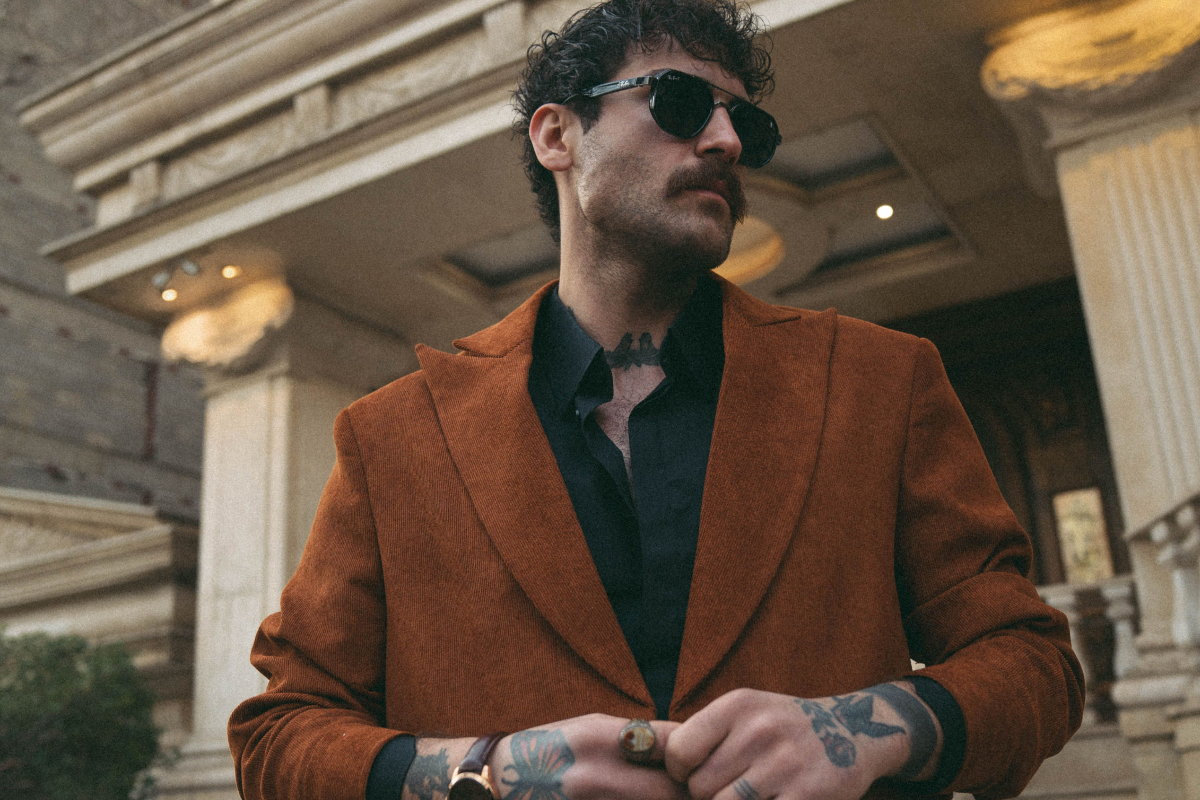
Practical dressing does not require removing every distinctive choice. Keep the repeated foundation simple, then let details carry your taste: jewellery, a stronger shoe shape, an unusual jacket, a watch or a preferred trouser silhouette.
Personal style often becomes clearer when fewer pieces are competing for attention. Someone who consistently prefers wide trousers, cropped jackets or monochrome layers already has the beginnings of a uniform, whether they use that label or not.
No formula stays perfect forever. Jobs change, bodies change, cities change and personal taste moves too, so a wardrobe may need editing rather than a permanent final form.
A modern everyday uniform works because it reflects real life rather than an idealised version of it. Start with your week, choose pieces that survive the hours you actually wear them, and repeat combinations that already work. Style becomes easier when the wardrobe follows your routine while leaving room for that routine to change.