

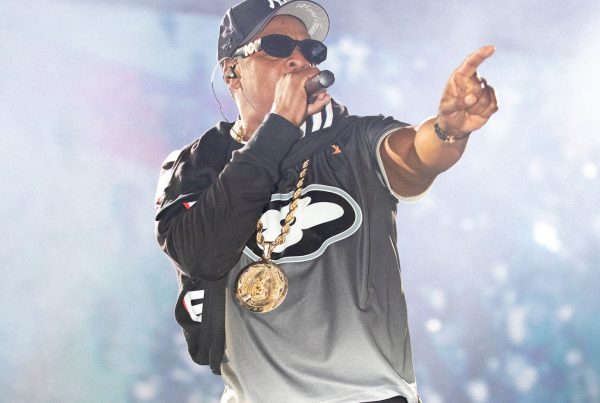
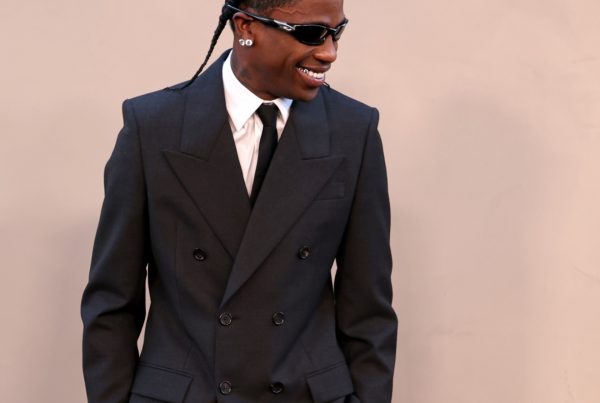
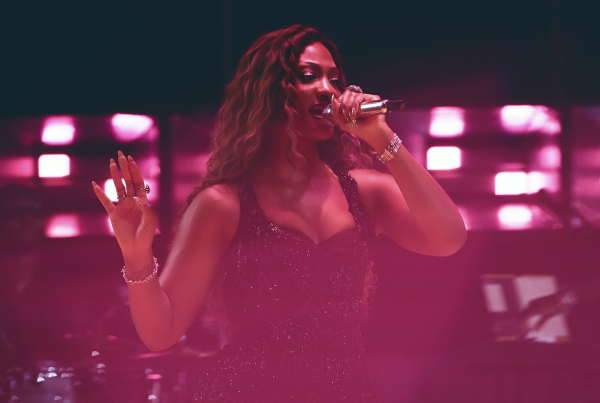






The Weeknd lit up Wembley for night 3 in London.
Few artists have reshaped the sound and psychology of modern pop like The Weeknd, born Abel Tesfaye in Toronto in 1990. Emerging from the anonymity of YouTube uploads and shadowy mixtapes, he built an empire on the aesthetics of emotional excess, lust, loneliness, fame, and the surreal blur between pleasure and self‑destruction. House of Balloons, Thursday, and Echoes of Silence (later canonised as Trilogy) introduced a new kind of R&B: nocturnal, cinematic, and brutally introspective. Over the next decade, Tesfaye evolved from cult figure to global headliner, stacking Grammys, chart records, and a Super Bowl performance while still maintaining the mystique of someone who never fully steps into the light.
Last night’s show on his Europe tour made that duality unmistakable.
The Weeknd’s current tour is similar to a myth-making ceremony. The stage design is monumental, featuring a skyline of dystopian towers, a procession of dancers moving with ritualistic precision, and at the centre of it all, a towering gold statue, part deity, part idol, part cautionary symbol, part sexy cyberman.
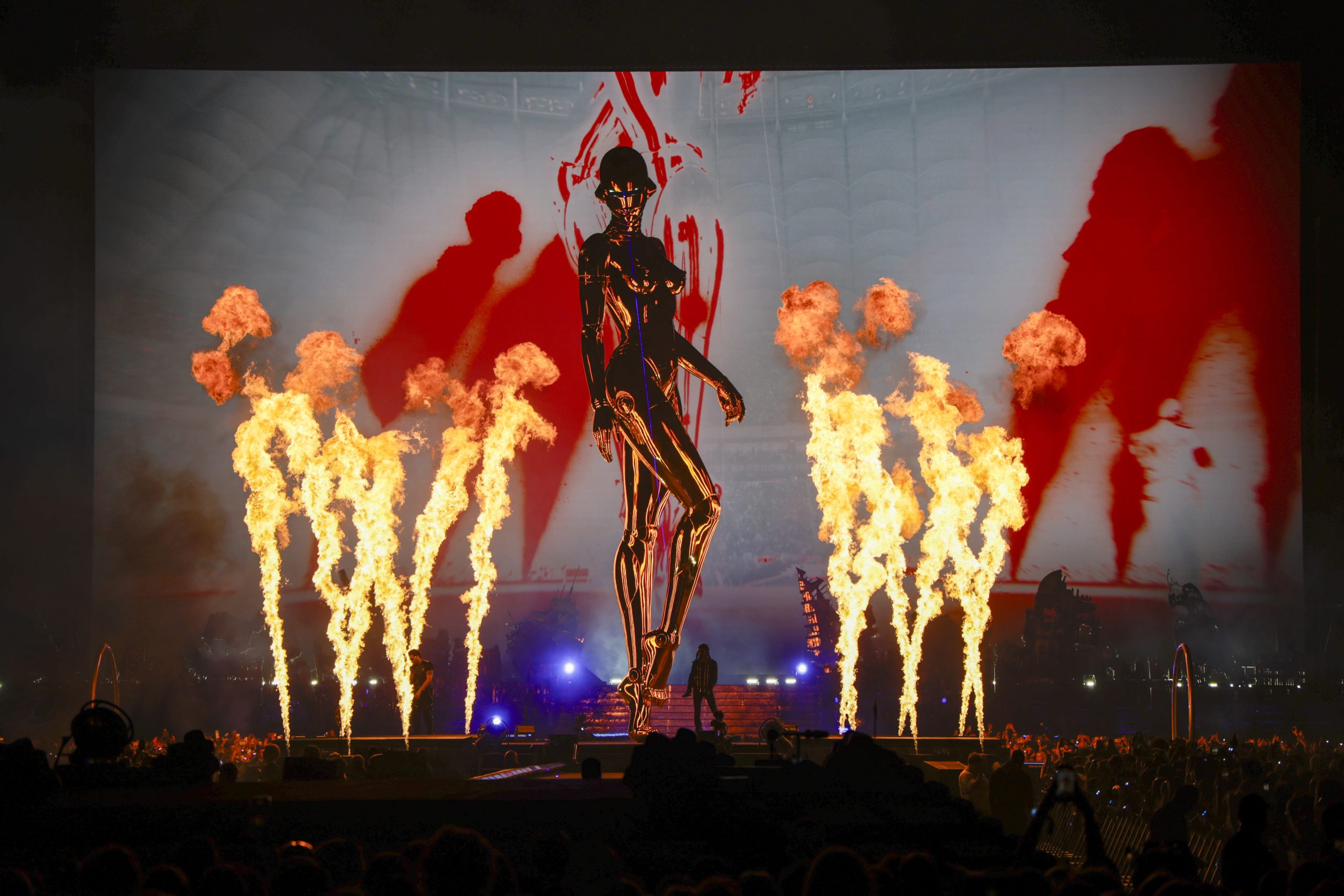
PHOTO CREDIT: Getty Images
The dancers, cloaked and faceless, moved like acolytes. Their choreography feels ceremonial rather than decorative, as if they’re participating in a rite rather than a performance. They orbit the statue instead of Abel. And that’s the point.
The Weeknd was displaying all the glitz that comes with being one of the biggest artists in the world, as well as showing the machine that creates one.
The statue was gleaming, monolithic and almost oppressive. It is the visual anchor of the night. It evokes religious iconography, corporate power, and ancient myth all at once. It’s beautiful, but unsettling. And in the context of The Weeknd’s career, it leans into quite a sinister metaphor
For years, Tesfaye has explored the darker side of fame. Seduction, addiction, the loss of self. Kiss Land was a travelogue of alienation. Trilogy was a confession booth. Even his pop era (Starboy, After Hours, Dawn FM) is threaded with commentary on ego, excess, and the cost of spectacle.
The statue felt like the physical manifestation of those themes. A symbol of the industry’s demand for worship, its hunger for sacrifice, and the way artists can become both the idol and the offering. It’s hard not to see it as Abel’s critique of the system he dominates, making the metaphor undeniably avoidable.
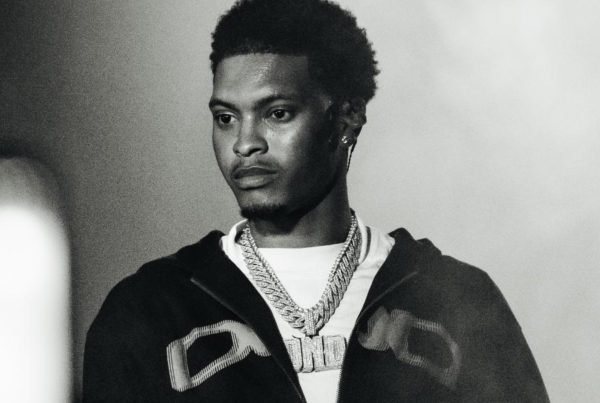
Playboi Carti opened the show and performed alongside The Weeknd for ‘Rather Lie’ and ‘Timeless’. At face value, this pairing going on tour didn’t necessarily make sense at first, but after witnessing the stage presence and performance, Carti embodied the other side of the dark themes. His music is rooted in chaos. Synth heavy production and screech-like vocals provided a perfect juxtaposition to where The Weeknd stands in all this madness. Carti was almost revelling in the gloom which The Weeknd is attempting to cope with, making him a perfect embodiment of the statue accompanied by a cult fanbase not dissimilar to the red-robed dancers.
The Weeknd has five dates at Wembley on this leg of the tour, even with one date causing the Arsenal vs Manchester City Community Shield match to be moved to another stadium. His reach has gone beyond his fans during this tour, which really sums up the spectacle it is.