









































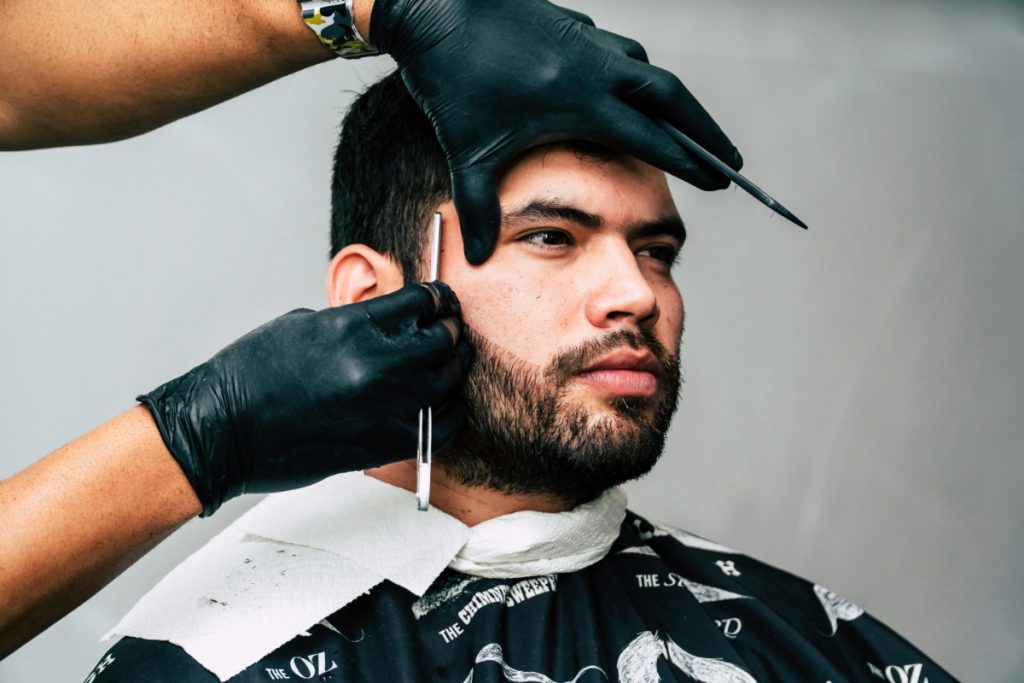
 Gray does not wait for permission. One morning, you notice a few silver strands in your beard. A few weeks later, your mustache and sideburns start turning gray as well. That is when many men start searching for solutions. Some grab a permanent black beard dye for bold, long-lasting coverage. Others choose semi-permanent options for a softer approach.
Both options promise a darker color. Both claim natural results. Yet they work very differently. And the difference matters, especially for men with sensitive skin, patchy growth, or a professional image to maintain.
Before applying any of these products to your face, you must understand how each option performs, how long it lasts, and the trade-offs involved. Let us chart the course clearly.
What Is Permanent Black Beard Dye?
Permanent beard dye relies on an oxidative chemical process. It changes the internal structure of the hair strand. That internal transformation is what gives it long-lasting staying power.
First, alkaline agents such as ammonia lift the hair cuticle. Then, hydrogen peroxide and dye precursors enter the shaft. Inside the strand, oxidation occurs. Small molecules combine to form larger pigment molecules. These new molecules become trapped inside the hair.
As a result, the color does not wash out. It grows out.
Beard hair grows roughly half an inch per month. Many men notice root contrast within two to three weeks. The dyed section stays dark. New growth reveals gray or lighter tones. That visible contrast creates the need for regular touch-ups.
What Is Semi-Permanent Beard Dye?
Semi-permanent beard dye works differently. It deposits color onto the outer layer of the hair. It does not deeply alter the strand.
Most semi-permanent formulas contain lower concentrations of developers. Some avoid ammonia entirely. The pigment molecules remain smaller and sit closer to the surface.
As a result, the color fades gradually over time. It typically lasts one to three weeks, depending on how often you wash your beard and how porous your hair is. With each wash, a small amount of pigment rinses away.
For men testing darker shades, this option feels less intimidating. It offers flexibility. However, it does not provide the same depth or durability as permanent formulas.
Side-by-Side Comparison
Here is a clear breakdown of how the two options differ:
| Feature | Permanent Black Beard Dye | Semi-Permanent Beard Dye |
| Chemical Reaction | Yes, oxidative process | Minimal or surface deposit |
| Penetration | Deep inside the hair shaft | Outer layer only |
| Longevity | Until hair grows out | 1–3 weeks |
| Fade Pattern | Sharp root regrowth | Gradual fade |
| Irritation Risk | Higher due to PPD or ammonia | Moderate |
| Adjustment Flexibility | Low | Moderate |
Which One Looks More Natural?
Black pigment contains the highest density of color molecules. It masks gray effectively. However, solid black can appear too uniform if applied heavily. That bold finish sometimes lacks natural variation.
Semi-permanent color often fades subtly. It blends more gradually with emerging gray. The transition appears softer. Yet fading can also create an uneven tone after repeated washing.
A natural appearance depends on application technique and shade choice. Many grooming experts recommend leaving a small amount of gray for realism. Uniform darkness rarely looks authentic.
Maintenance Differences Men Often Overlook
Maintenance separates sharp results from grooming regret. The type of dye you choose directly affects how often you must reapply and how your skin responds.
Permanent dye requires root control. New gray growth appears within weeks. Touch-ups become necessary. Repeated chemical processing can dry the beard. Dry strands lose shine and feel rough over time.
Semi-permanent dye requires full refresh cycles. The color fades gradually with washing. Each reapplication covers the entire beard again. Frequent washing speeds up fading, which increases upkeep.
Longevity vs. Flexibility
Here lies the true trade-off.
Permanent dye provides extended wear. It withstands washing and daily grooming. However, it limits flexibility. Once processed, the adjustment becomes difficult. Removing overly dark color requires time or additional chemical correction.
Semi-permanent color offers more control. It fades gradually. If the shade feels too dark, repeated washing reduces intensity. Yet shorter lifespan demands regular maintenance.
Men with dye sensitivity or thin beard coverage must weigh these factors carefully. Strong chemical processing may intensify irritation. On the other hand, frequent fading may disrupt a polished appearance.
Where Brush-On Beard Color Fits
Some men prefer a different route. Instead of choosing between deep chemical change and short-term fading, they use a surface-level cosmetic option.
Brush-on beard color coats the hair and underlying skin. It does not rely on oxidative chemistry. It applies in seconds. It typically lasts eight to twelve hours. It resists sweat and light rain. It washes out with soap and gentle scrubbing.
This daily approach gives you full control over your appearance. You can add more coverage before important meetings and leave subtle gray for casual settings. You can also adjust the intensity based on lighting and environment.
For professionals who want a consistent look without increasing irritation risk, this level of flexibility offers a practical advantage.
Final Thoughts
Permanent black beard dye and semi-permanent options serve different needs. Permanent formulas alter the hair internally and deliver long-lasting color. Semi-permanent products provide a surface-level deposit and gradual fading. Each option carries advantages and limitations.
Men with gray, patchy, or sensitive facial hair must evaluate durability, skin comfort, and maintenance demands before committing.
Blackbeard for Men offers a patented brush-on beard color designed as a non-dye alternative. The formula contains no PPD or ammonia. It delivers water-resistant coverage for eight to twelve hours with a matte, natural finish. Men who value speed, safety, and daily control can explore this approach and refine their grooming routine with confidence.