













 Introduction
Streetwear has grown into one of the biggest forces in modern fashion, and honestly, it’s tough to ignore how far it’s travelled. It started off as a look tied to skateboarding, hip-hop and city neighbourhoods, and somewhere along the way it snowballed into a worldwide fashion phenomenon. Nowadays it has a hand in clothing collections, sneaker designs, celebrity wardrobes and even what luxury fashion houses put on the runway. Its popularity isn’t just about people swapping one kind of outfit for another, though; it’s really tied up with cultural identity, creativity, individuality and the way different communities have put their stamp on today’s style.
Getting a feel for how streetwear evolved goes a long way toward explaining how plain, everyday clothes ended up carrying so much weight in the global fashion industry.
The Origins of Streetwear Culture
Streetwear first started turning heads in the late 1970s and into the 1980s, mostly in the urban parts of the United States. Over in California, the skateboarding and surfing crowds had a big say in what it looked like early on. Young people back then just wanted clothes that felt comfortable, the kind they could move around in easily while still letting their interests and personalities shine through.
Meanwhile, hip-hop culture in places like New York was bringing a whole other flavour to the mix. Oversized shirts, baggy trousers, sportswear, sneakers and attention-grabbing accessories soon became the go-to pieces of urban fashion. These looks didn’t pop up out of nowhere, either, since they were wrapped up in the music, dance, graffiti and street life of the time.
What really made streetwear different from traditional fashion movements was that it came out of ordinary, day-to-day life rather than from formal fashion institutions. Its early following came straight from communities that used their clothes to show who they were and what they had in common.
The Influence of Hip-Hop and Skateboarding
When it comes to streetwear’s look, hip-hop and skateboarding pretty much laid the foundation. Both scenes put a lot of stock in individuality, freedom of expression and clothes that actually made sense for the way people lived.
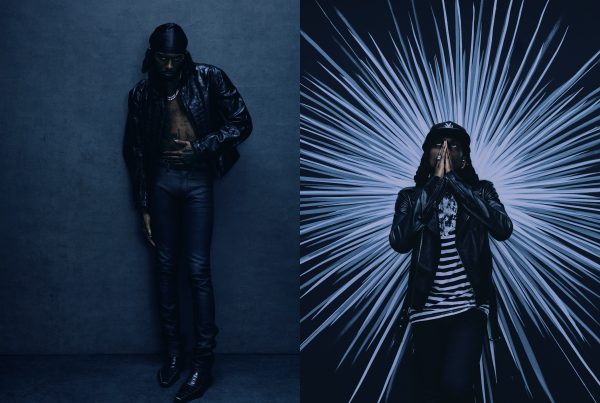
Hip-hop artists got everyone hooked on oversized silhouettes, athletic gear, statement accessories and standout sneaker styles. Their pull stretched well beyond music, too, and it ended up shaping how younger generations thought about their own fashion choices.
Skateboarding came at things from a more practical angle. Hard-wearing trousers, graphic tees, hoodies, caps and comfy footwear turned into staples because they could keep up with an active lifestyle. Skaters tended to pick clothes that could take a real beating day in and day out while still looking laid-back and effortless.
Bit by bit these influences started bleeding into each other, and what came out of it was a style that married practicality with a whole lot of visual creativity. Streetwear became a way for people to show what they were into without feeling boxed in by conventional fashion rules.
The Rise of Streetwear Brands
Come the 1990s, independent clothing labels helped turn streetwear into a fashion category people could spot right away. Plenty of these brands leaned hard on limited drops, original graphics and designs pulled from music, art and their own local scenes.
Instead of sticking to the usual retail script, some streetwear labels got people talking through exclusive collections and products that were tricky to get your hands on. That approach got shoppers thinking of clothing as something tied to culture and community, rather than just another everyday basic.
As the internet took off, independent brands suddenly had a shot at reaching audiences all over the world. Later on, social media and online shopping made streetwear a lot easier to dive into, letting trends hop from one country to the next and leave their mark on fashion communities pretty much everywhere.
How Luxury Fashion Embraced Streetwear
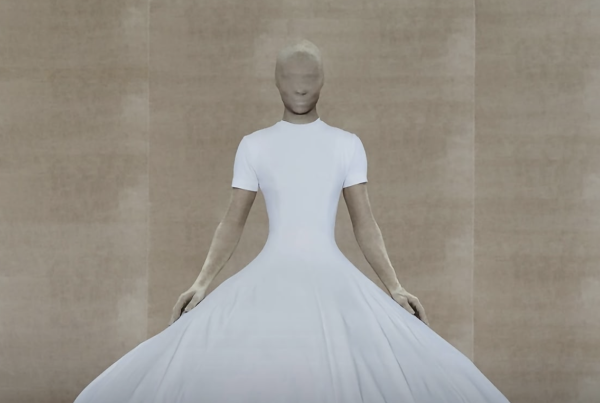
It’s a safe bet that one of the biggest moments in streetwear’s story was when luxury fashion houses finally welcomed it in. For years, high-end fashion and urban clothing lived in two totally separate worlds. Luxury fashion had always been about formal tailoring, top-quality materials and design traditions that went back generations.
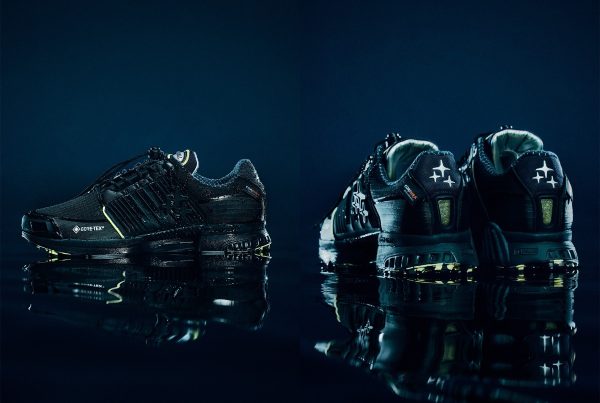
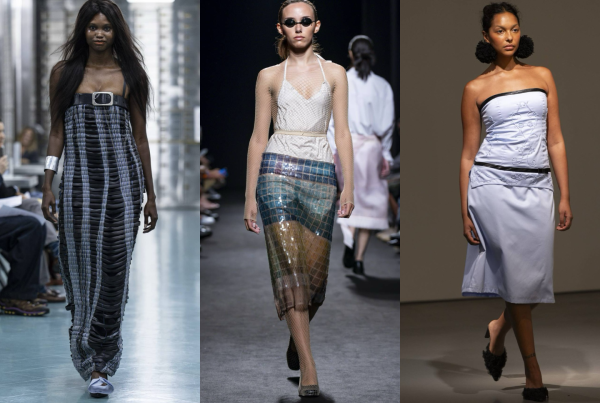
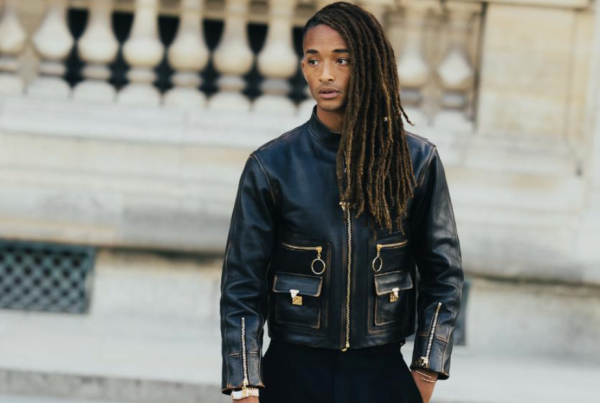
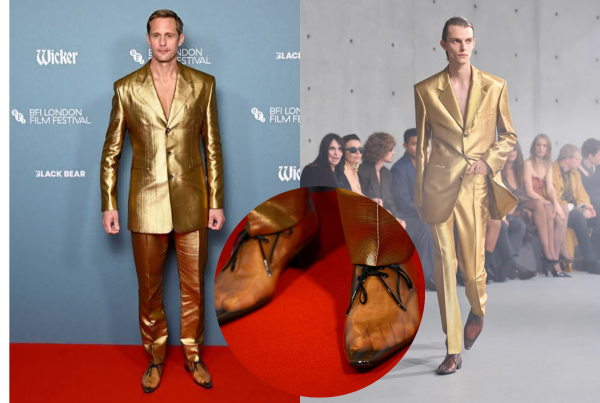
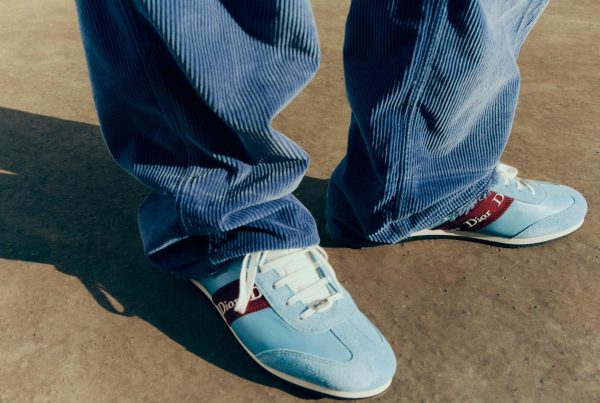
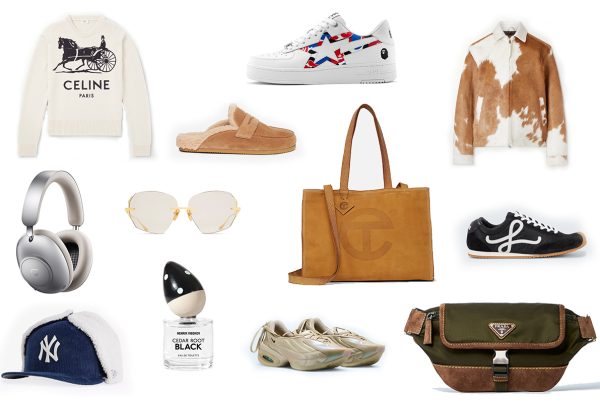
As shoppers’ tastes started to shift, though, luxury brands began toying with streetwear-inspired silhouettes and aesthetics. Hoodies, sneakers, graphic shirts, oversized jackets and casual accessories started turning up right alongside the more classic luxury pieces.
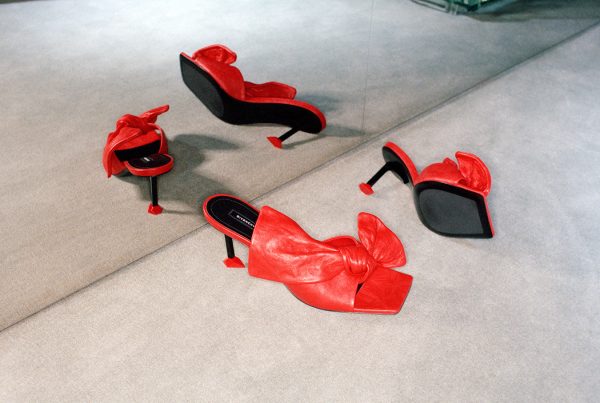
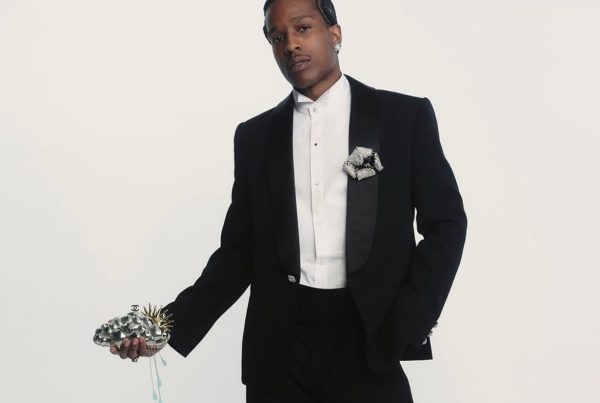
Team-ups between established fashion houses and streetwear designers helped close the gap between the two industries even further. These partnerships made it pretty obvious that casual clothing could hold just as much cultural and creative value as the more traditional side of fashion.
Thanks to all of that, streetwear now has a real say in how contemporary fashion collections take shape.
The Role of Social Media and Digital Creativity
Social media has put streetwear’s growth on fast-forward. Platforms like Instagram, TikTok and Pinterest give fashion lovers a spot to show off their outfits, stumble onto up-and-coming designers and stay on top of whatever’s trending.
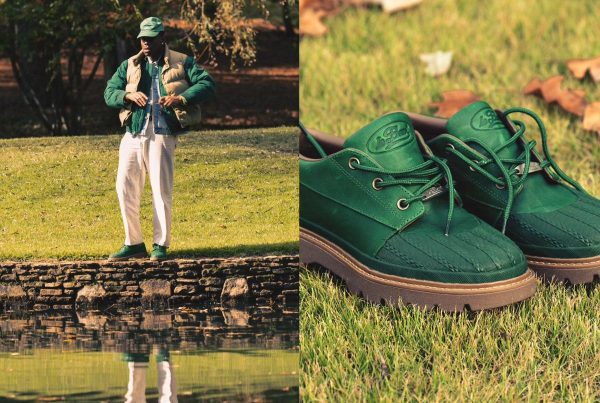
Digital creativity has shaken up the way fashion gets presented online, too. Streetwear photographers and content creators often play around with backgrounds, tidy up their image composition and clear out distracting objects so the final shot looks cleaner. Say someone’s capturing an outdoor fashion shoot; they might reach for an editing technique such as remove tree from photo to get rid of an unwanted background element and keep all eyes on the clothing and the overall styling. Little touch-ups like these can make a real difference in turning out sharper, more focused fashion content for digital audiences.
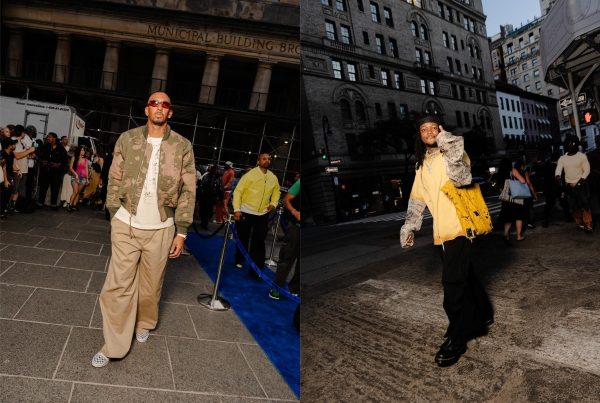
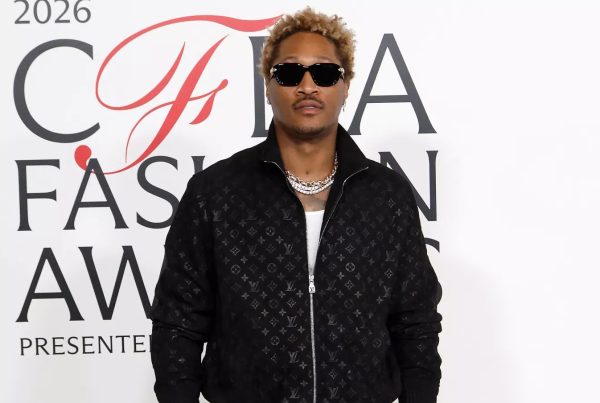
Celebrities, musicians, athletes and online creators also have a big hand in how streetwear gets read. Whatever they decide to wear often puts fresh mixes of sneakers, casual pieces, accessories and outerwear in front of a much wider crowd.
The flip side is that social media has changed the way trends come together. A fashion movement can go global almost overnight, which opens up chances for independent designers but also ramps up the competition between brands.
Streetwear and Individual Expression
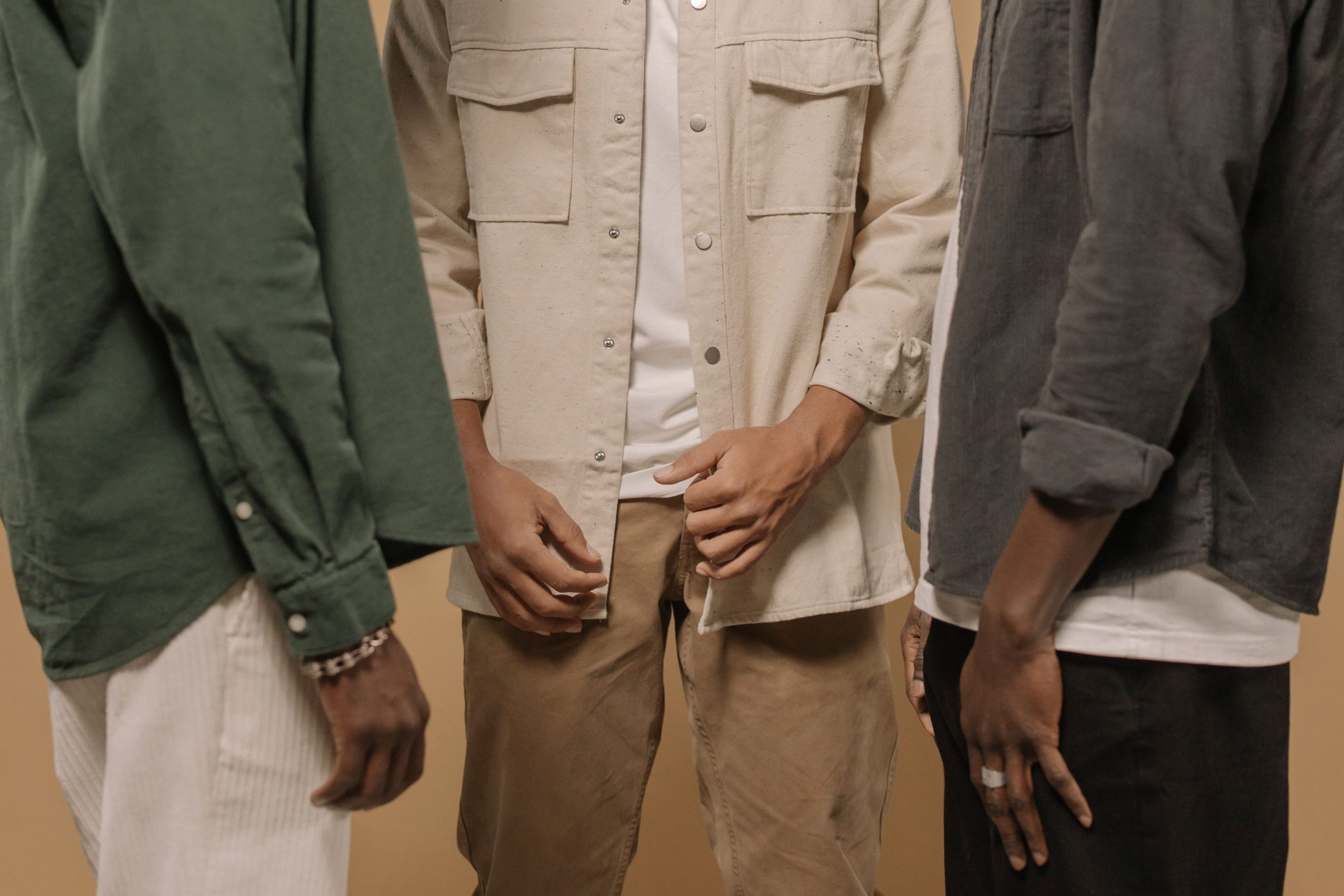
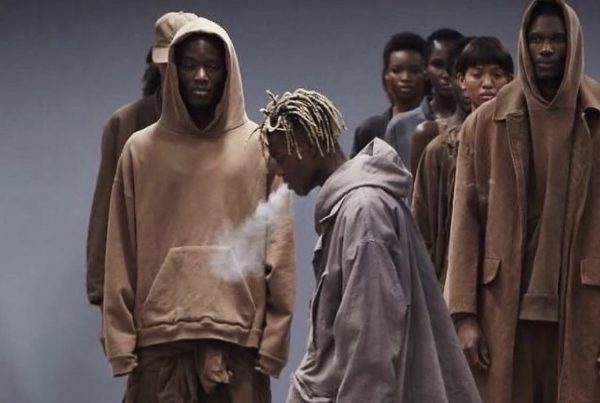
A big part of what makes streetwear what it is comes down to how closely it’s linked to personal identity. Unlike fashion categories that revolve around strict dress codes, streetwear leaves plenty of room for people to mix things up and try out different combinations and silhouettes.
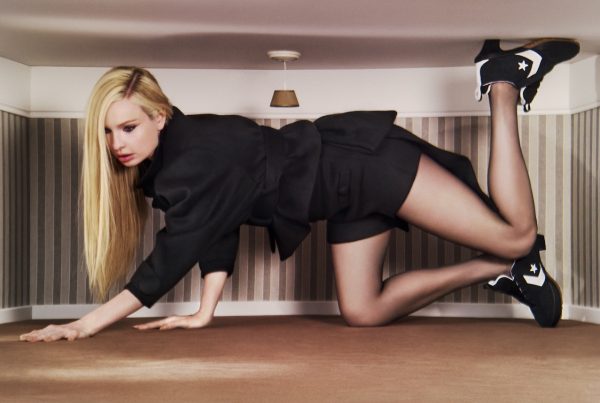
Some folks gravitate toward minimalist outfits with neutral colours and clean, simple designs. Others go all out with bold graphics, oversized fits, colourful sneakers and statement accessories.
That kind of freedom is a big reason streetwear clicks with people across different age groups and cultural backgrounds. It also nudges people toward building a style that’s genuinely their own, rather than just copying whatever trends happen to be doing the rounds.
Streetwear often pulls in references to music, sports, visual art and local traditions, which makes it a mirror of the very communities that shape it.
The Growing Importance of Sustainability
As streetwear keeps getting bigger, sustainability has turned into a conversation the fashion industry can’t really push back on anymore. Nonstop clothing drops and the craving for exclusive collections can feed into overbuying and a whole lot of textile waste.
To counter that, shoppers are paying more attention to long-lasting materials, second-hand clothing, vintage finds and responsible manufacturing practices.
Some designers are also trying their hand at recycled fabrics and greener ways of making their clothes. All of this points to a future where streetwear might have to strike a balance between creativity and environmental responsibility.
Conclusion
Streetwear has come a long way from a loose collection of styles tied to skateboarding, hip-hop and urban communities, and it’s now a major player in global fashion. Its journey shows just how much cultural movements can shake up established industries and bring new ways of thinking about personal style.
From independent clothing labels to luxury collaborations and social media trends, streetwear keeps shaping how people dress and express themselves. Its staying power comes down to its knack for changing with the times while never losing touch with creativity, individuality and cultural identity.