







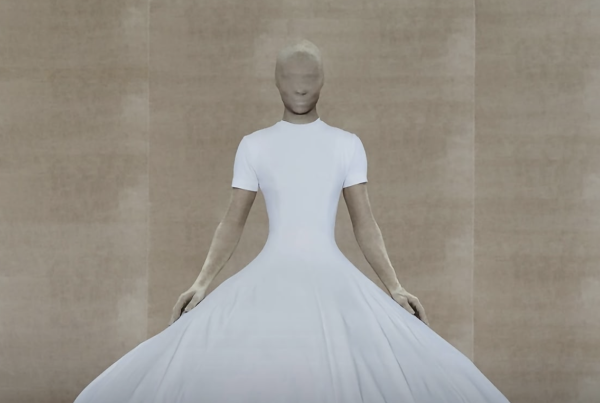



























Watch a red-carpet livestream with the sound off and a pattern shows up. The gowns that hold your attention are rarely the most heavily beaded. They are the ones with an outline you can read from across the room: a straight column, a wide bell, a fishtail hem. Shape lands before any detail does.
Photographs rarely explain how that outline is built, or whether it works for someone who has to climb stairs, sit in a car and dance in it. This guide breaks down four silhouettes by construction, trade-offs and the settings they suit, so you can borrow a shape you like. Browsing prom dresses grouped by silhouette is a quick way to compare these cuts side by side before you decide what to try first.

Column and Sheath: Let the Fabric Do the Work
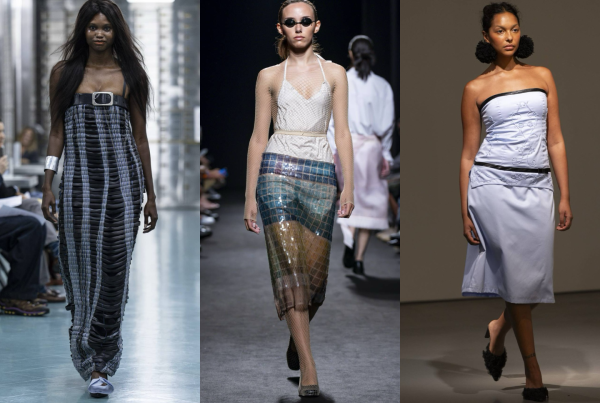
A column falls straight from the bust or shoulders to the hem, so there is no skirt volume to hide behind. The fabric carries the look. Stretch satin and jersey drape and move, while stiff taffeta or heavily sequinned fabric holds its own shape and can sit away from the body in odd places. Watch how the dress behaves in motion before you judge the cut. Lining matters too: a thin or missing lining shows every line of underwear under flash photography, so check whether the listing names one.
Walking is the real test. A narrow column without a slit shortens your stride, which matters on stairs and dance floors. Choose this shape when you want a clean line and little bulk, and skip it if you expect to cross a crowded room quickly in a hem that grips the knees. A back or side slit solves most of that problem.
A-Line and Ball Gown: Know Where the Volume Starts
An A-line widens gradually from the waist or bust, while a ball gown pinches in at the waist and releases a full skirt. Both add volume, but they demand different amounts of space. An A-line behaves much like an ordinary dress in doorways and car seats. A ball gown needs room for its width, and layers of tulle can hide a hem that drags.
Match the skirt to the venue. In a packed hall with small tables, a moderate A-line is easier to manage. For a staged entrance or photographs on a wide staircase, a ball gown makes more sense. Tulle also compresses in a car, so allow a few minutes for the skirt to settle before photographs. Whichever you choose, stand in your event shoes when you check the length, because heel height decides whether the hem sweeps cleanly or catches underfoot.
Mermaid and Trumpet: Find the Flare Point
Both cuts fit closely through the hips and thighs, then flare lower down. The difference is where the flare begins. Mermaid styles generally flare near the knee, while trumpet styles flare higher, around mid-thigh. That start point controls how you walk and sit, so look for it in the product photos before anything else.
Fit is decided at the hips, so compare your hip measurement with the chart first and your bust second. If you fall between two sizes in a fitted cut, the larger one is usually easier to take in than the smaller one is to let out. Sit on the edge of a chair when you try it: if the fabric rides up or strains across the thighs, the cut is too narrow for you. Colour deserves a second look as well: dark shades hide seams on fitted cuts, while pale satin shows every ripple.
Bodice and Neckline: What Holds the Dress Up
Silhouette describes the skirt, but the bodice decides whether you can relax. Strapless and off-the-shoulder necklines depend on internal structure such as boning, a corset back or a grip band along the top edge. Without it, you will tug at the neckline all night. Halter and high-neck cuts shift weight to the neck, which suits heavier skirts but can feel tight over a long evening.
Ask three questions. Does the listing mention structure in the bodice? Does it close with a zip or a lace-up back? Can the fit be adjusted at the end? A lace-up back gives a little leeway if your measurements change between ordering and the event, while a zip does not. Also think about undergarments, since a low back or sheer panel may rule out a standard bra.
Turn a Silhouette Into a Shopping Checklist
Start with bust, waist and hips, measured over the underwear you plan to wear and ideally by someone else. Add your height from floor to hem point while wearing your event shoes. Fitted cuts such as sheaths and mermaids should be sized to the largest of the three body measurements. Then compare them with the chart for that exact style, because sizing varies between brands and sometimes between cuts.
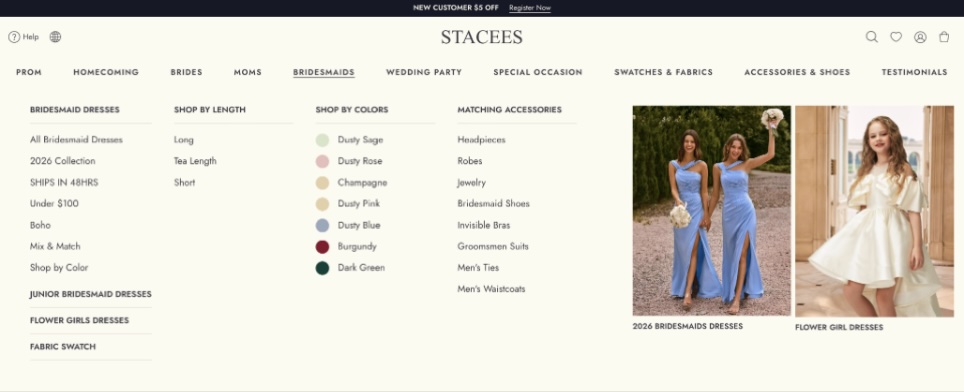
When you shortlist prom dresses online, read the published size guide, check whether the listing offers custom sizing, and order a fabric swatch if colour accuracy matters. Stacees, for instance, lists a size guide and fabric swatches on separate pages. A sensible order of decisions is venue first, then fabric for the room’s temperature, then bodice structure, and colour last. Finally, check the processing time on the product page and leave a buffer for alterations, since a hem or strap adjustment can take longer than expected.
Choose the Outline, Then Test It
Red-carpet gowns work well as a vocabulary lesson. Once you can name a column, an A-line, a ball gown and a mermaid, you can say what you like in a photograph and what you need from a real dress: room to walk, room to sit and a bodice that stays put. Pick the outline that suits your venue, confirm your measurements against a size chart, and run a stride-and-sit test when the dress arrives. If it passes, the beading will matter far less than it did on screen. Keep your measurements and venue notes together in one place, so every dress you compare is judged against the same list.