



















 Why outfits fail even when the pieces are good
The most common techwear frustration isn’t owning bad garments. It’s owning good garments that refuse to combine.
The cause is almost always the same: pieces were bought as individual finds rather than as parts of a system. A dramatic coat from one aesthetic, trousers from another, sneakers that belong to a third. Each is defensible alone; together they cancel each other out.
The fix is to stop thinking in garments and start thinking in slots. An outfit has five, and each has one job. When every slot does its job — and only its job — coherence takes care of itself.
Slot one: trousers — the foundation
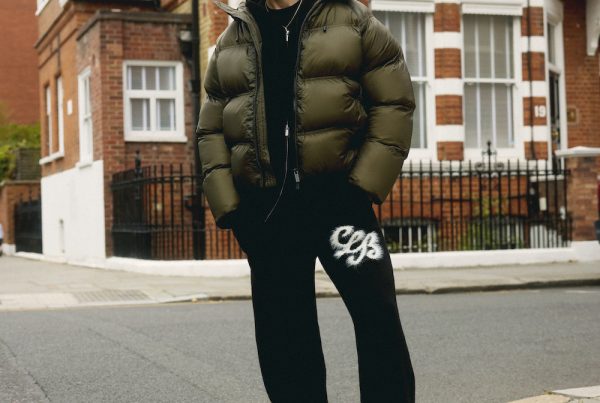
Trousers define the silhouette from the waist down, appear in every outfit regardless of season, and carry the visual signature of the style: volume through the thigh, control at the ankle.
This is why they come first, and why they deserve the largest share of the budget. A strong technical trouser makes a plain t-shirt look intentional. A weak one makes a premium jacket look like it was borrowed.
What to look for: mid-weight fabric that holds a crease of movement without collapsing, an adjustable hem, pockets you can reach while seated, and a gusseted crotch. The techwear pants range covers the spectrum from flowing ninja cuts to structured tactical builds — pick based on which silhouette you want, not which photo looks best.
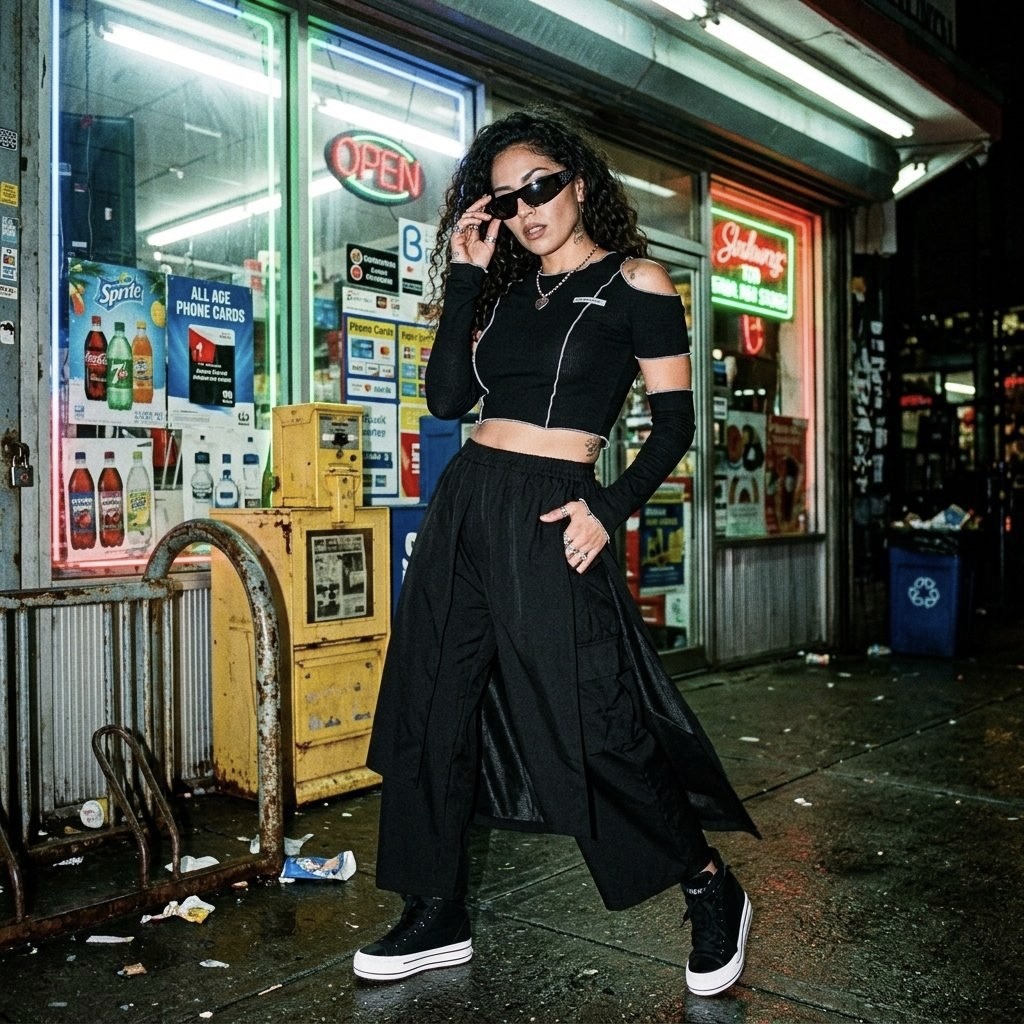
For the more experimental end, skirt-pant hybrids and layered trousers add a second visual plane at the leg. They’re a bigger commitment, and they reward being the only complex element in the outfit.
Slot two: the base top — deliberately quiet
Here’s the counterintuitive part: the second purchase should be the most boring one.
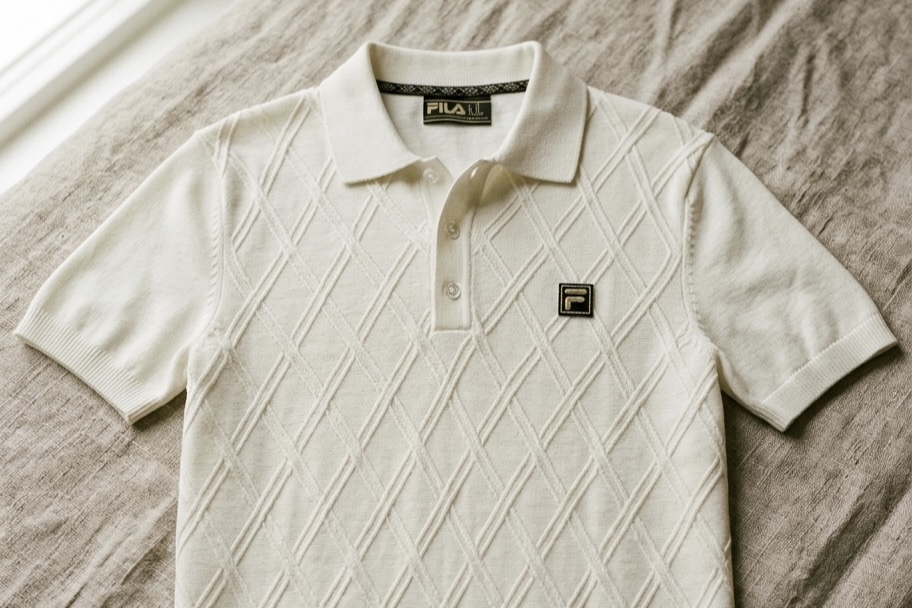
The base top’s job is to support the trousers, not compete with them. A plain black tee, a clean long sleeve, a fitted technical knit. No graphics, no straps, no hardware. If the top has a story to tell, it’s occupying the wrong slot.
Fabric matters more here than anywhere else, because this layer touches skin all day. Avoid pure cotton if you run warm — a technical blend moves moisture and keeps the outfit functional in the original sense of the word.
One well-cut black top will appear in more of your outfits than any other single piece. Buy two.
Slot three: footwear — the anchor
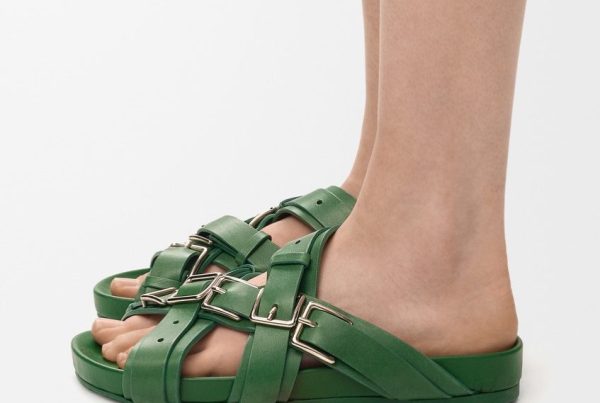
Footwear is where techwear outfits are most often lost. The rule is simple: complex trousers demand simple shoes; simple trousers permit complex shoes. One of the two can speak. Both speaking is noise.
For a first build, a clean black technical sneaker or a platform sole is the reliable answer. It anchors the tapered ankle, adds a touch of height that balances lower-body volume, and works with everything above it.
Boots push the outfit toward the tactical end; chunky soles push it toward the street end. Either works — the mistake is buying footwear from a different world entirely, like running shoes in performance colours or dress shoes, and expecting the outfit to absorb them. It won’t.
Slot four: the outer layer — the statement
Only now, with three slots filled, does the statement piece enter. This ordering is the whole trick: an outer layer bought first has nothing to sit over, and reads as costume. The same layer bought fourth completes a system.
The outer layer is allowed to be loud. Asymmetric zips, extended hems, visible hardware, hood construction — this is the slot where the style’s visual language lives. A well-chosen techwear jacket transforms the three quiet slots beneath it, which is exactly why those slots needed to be quiet.
Practical checks still apply: raise your arms fully and watch the hem — if it climbs to your ribs, the pattern wasn’t cut for movement. Check that the jacket closes comfortably over your thickest base layer, not your thinnest. And decide honestly whether you need weather protection or visual protection; a true waterproof shell and a styled jacket are different purchases, and pretending one is the other leads to disappointment in the first rainstorm.
Slot five: accessories — the finishing signals
Accessories are last because they’re adjustments, not foundations. They fine-tune an outfit that already works.
The high-value picks: a chest bag, which adds function and a horizontal line that anchors layered outfits; technical eyewear, which does more for the face than any mask at a fraction of the social cost; and rings or a chain, which add detail at the hands — the part of you people watch when you talk.
Masks and balaclavas are legitimate pieces with real presence, best deployed for shoots, events and cold weather rather than the supermarket. Count them as a full technical signal, not a detail.
And that’s the accounting that matters: by this point the outfit already carries one or two signals from the trousers and outer layer. Accessories should add at most one more. Three signals is a complete outfit; five is a parade float.
The budget split that makes sense
For a first complete build, a workable allocation looks like this: roughly a third of the budget on trousers, a quarter on the outer layer, a fifth on footwear, and the remainder split between base tops and one accessory.
Most beginners invert this — half the budget on a spectacular jacket, leftovers on everything else — and end up with one great piece and no outfit. The allocation above produces the opposite: a system where everything combines, which is worth more than any individual garment.
Palette discipline: the invisible glue
One final rule holds the five slots together: restrict the palette before you shop, not after.
Black as the foundation, one secondary neutral — grey, olive or off-white — and at most one accent that appears in small doses. Every piece you buy should fit that palette. This is what lets a garment bought in year two combine with a garment bought in year one, and it’s the single biggest difference between a wardrobe and a collection of purchases.
Conclusion
Building a techwear outfit from scratch isn’t a taste problem — it’s a sequencing problem. The people whose outfits look effortless didn’t find better pieces; they filled the slots in the right order and let each one do a single job. Trousers first, quiet base second, anchoring footwear third, the statement layer fourth, and one or two finishing signals last.
The discipline pays off in a way that’s easy to underestimate: once the system exists, every future purchase gets easier. You stop asking “do I like this?” — a question that fills wardrobes with orphans — and start asking “which slot is this for, and is that slot open?” Most of the time the answer is no, and you save your money for the piece that genuinely upgrades the system. That’s how a wardrobe gets better every year instead of just bigger.
Start with the trousers this week, wear them with the plainest top you own, and you’ll have the foundation of the whole system before spending anything else. Nicolas Falourd of Cyber Techwear shares styling and product notes on LinkedIn.