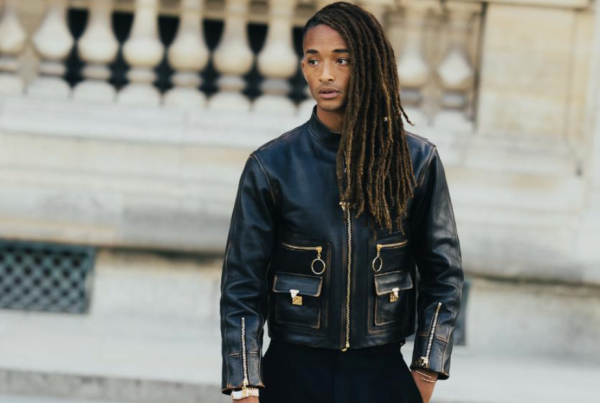
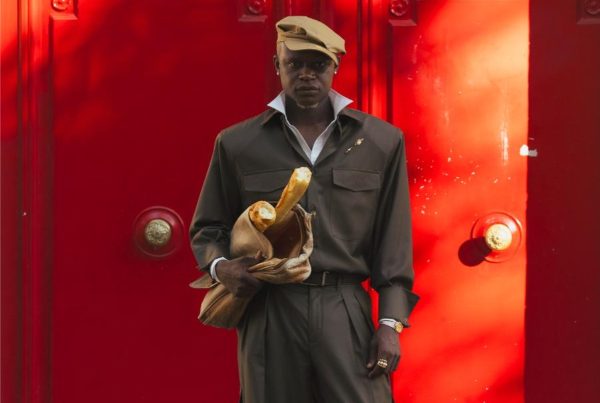
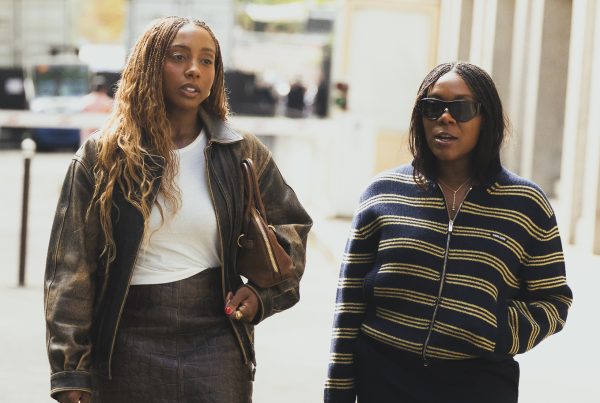
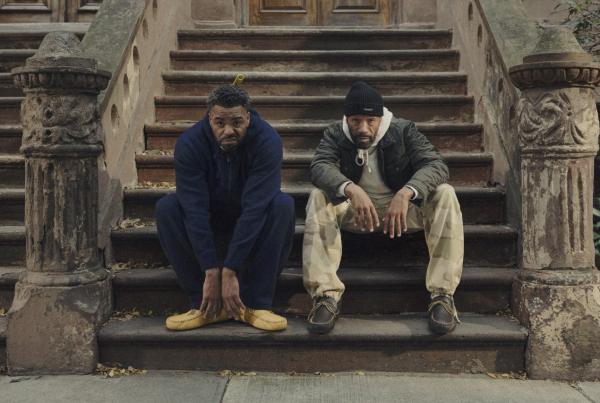






 Luxury dressing has become less interested in proving itself. A high-end wardrobe no longer needs to revolve around recognizable logos, seasonal trophies, or a closet packed with pieces that made sense for precisely three months. The more compelling approach is personal and considerably more practical. Beautiful materials matter, but so do fit, longevity, versatility, and the simple question of whether something deserves the space it occupies. Building a wardrobe that lasts means buying with greater intention while leaving enough room for fashion to remain fun.
Choose Clothes With Range
A lasting wardrobe begins with pieces capable of doing more than one job. This does not mean reducing a closet to beige trousers and white shirts. Versatility can come from distinctive clothing when the cut, fabric, and styling possibilities are right. Consider floral dresses for women, which can move between seasons with far more ease than their traditionally springtime reputation suggests. Worn with sandals and a woven bag in warm weather, then paired with tall boots, a fine knit, and structured outerwear as temperatures fall, the right floral dress earns its place throughout much of the year.
The same test works for other purchases. A beautifully tailored blazer should work with trousers, denim, dresses, and skirts. A silk blouse should feel appropriate beneath a suit and with relaxed jeans. A cashmere sweater becomes more valuable when it can move from a weekday lunch to a weekend away.
Versatility is not about making every outfit look alike. It is about buying clothes that encourage more combinations rather than demanding additional purchases before they become wearable.
Make Fabric the Luxury
Fabric often reveals more about a garment than its label. Cashmere, silk, wool, linen, leather, and well-made cotton can transform even simple silhouettes, particularly when the material has been chosen for how it drapes, wears, and ages.
Natural fibers are not automatically superior, and synthetic fibers can serve useful purposes in performance clothing, stretch tailoring, and garments that need to hold their shape. The point is to examine what a fabric is doing rather than treating its composition as an afterthought. Does a sweater recover after being stretched? Does a dress move naturally? Does a coat feel substantial without becoming punishingly heavy?
Construction deserves the same scrutiny. Check seams, linings, buttons, hems, hardware, and pattern alignment. A high price does not guarantee impeccable workmanship. Luxury shoppers have every reason to be demanding because longevity depends on the details that are easiest to ignore in the fitting room.
Forget the Logo Test
For years, luxury was often communicated through instantly recognizable handbags, belts, prints, and monograms. Those pieces still have a place, but they are no longer the only shorthand for an expensive wardrobe. The rise of quiet luxury helped shift attention toward restrained design, excellent materials, precise tailoring, and clothing whose appeal does not depend on announcing its origin.
The idea is useful, but turning it into another rigid aesthetic misses the point. A woman who adores color, embellishment, print, or dramatic silhouettes does not need to abandon them in pursuit of sophistication. A wardrobe can be luxurious and exuberant at the same time.
The better rule is to make personal taste more visible than branding. A beautifully cut red coat can have greater staying power than a heavily logoed purchase bought primarily because it was recognizable. Luxury feels most convincing when the clothes look as though they belong to the person wearing them rather than to a particular trend cycle.
Tailoring Changes Everything
One of the least glamorous secrets of an exceptional wardrobe is alteration. Even expensive ready-to-wear clothing is produced according to standardized measurements, while actual bodies stubbornly refuse to follow standardized charts.
A good tailor can adjust trouser lengths, refine waistlines, shorten sleeves, reshape jackets, alter dresses, and make an otherwise almost-right garment look intentional. These changes are especially valuable for investment pieces that may remain in rotation for years.
Fit can also change over time, which is another reason to maintain rather than immediately replace quality clothing. A favorite jacket that no longer sits correctly may need an adjustment rather than retirement. The same applies to trousers, skirts, dresses, and coats.
Before buying something new, it is worth examining what already exists in the closet. Sometimes the missing piece is not another purchase. It is a trip to the tailor.
Treat Clothes Like Investments
Longevity depends on what happens after checkout. Cashmere should be washed and stored properly. Shoes benefit from cleaning, conditioning, and resoling. Handbags should not spend months crushed beneath other accessories. Coats need appropriate hangers, and delicate fabrics deserve protection from careless washing.
Repair should become part of the wardrobe routine as well. Replacing a button, repairing a lining, fixing a heel, or removing pilling can extend the life of clothing dramatically. Luxury becomes difficult to justify when beautiful things are treated as disposable.
It also helps to resist buying for an imaginary future self. The perfect wardrobe should accommodate the life happening now. If most weeks involve work, dinners, errands, travel, and casual weekends, those are the occasions worth dressing exceptionally well.
A high-end wardrobe ultimately succeeds when its pieces keep earning their place. Buy fewer things worth maintaining, tailor them properly, wear them often, and allow personal style rather than price or prestige to determine what deserves to stay.