













































 Travelling comfortably does not have to mean spending heavily. A better trip often comes down to making smart choices before and during your journey, not throwing money at every inconvenience. The goal is not to be cheap at the expense of enjoyment. It is to focus on value and spend in ways that actually improve the experience.
A lot of unnecessary travel stress comes from poor planning, overpacking, rushed decisions, or spending money in the wrong places. On the other hand, small choices like booking early, packing practical essentials, choosing the right place to stay, and keeping a few comfort items close can make the whole trip feel smoother without stretching your budget.
Comfort on a budget is not about cutting everything back. It is about knowing what matters and being intentional with your money.
Plan Ahead to Avoid Extra Costs
One of the easiest ways to keep travel comfortable and affordable is to plan ahead. Last-minute decisions usually cost more, whether you are booking flights, reserving accommodation, or organising transport after you arrive.
Booking early often gives you more options and better prices. Flights are usually cheaper when you leave enough time to compare dates and routes, and accommodation choices tend to be better before the most convenient places fill up. Planning ahead also gives you time to compare prices across platforms instead of rushing into the first deal you find.
This matters for comfort as much as cost. When you leave things too late, you are more likely to end up with awkward flight times, inconvenient stopovers, poor room choices, or accommodation that is far from the places you actually want to visit. Saving a little upfront is not always worth it if it leads to more stress, more transport costs, or less rest during the trip.
A bit of planning can prevent a lot of avoidable expenses later.
Pack Smart and Light
Packing well can make a bigger difference than many people expect. It affects how easily you move around, how much you pay in baggage fees, and how prepared you feel once the trip starts.
Travelling light is one of the simplest ways to save money. If you can manage with a carry-on, you may avoid extra airline charges completely. Even when checked baggage is included, packing only what you need makes transit easier. You are not dragging around items you never use, and you are less likely to feel weighed down during transfers, train rides, or walks to your accommodation.
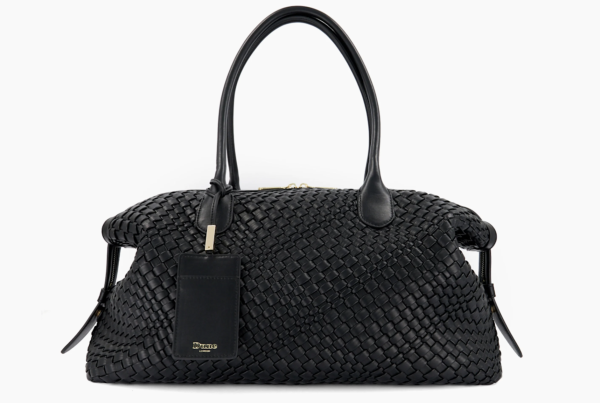
Comfort also improves when the bag is packed thoughtfully. Layers are useful because travel days often involve changing temperatures between airports, vehicles, and outdoor spaces. A neck pillow, light toiletries, chargers, and a few everyday essentials can make a long journey much easier to handle. The point is not to bring more. It is to bring the right things.
Smart packing means choosing items that earn their place in your bag.
Choose the Right Accommodation
A comfortable trip does not depend on booking the most expensive hotel in town. What matters more is choosing accommodation that fits your needs and helps you avoid unnecessary spending elsewhere.
Budget hotels, rentals, hostels, and guesthouses can all work well depending on the kind of trip you are taking. The better question is not just what costs less per night, but what offers the best overall value. A place with a kitchen, for example, can help you save on meals. Free breakfast can reduce daily costs. A central location may cost a bit more upfront but save money and time on transport.
Comfort comes from the full experience, not just the room itself. If your accommodation is clean, well-located, and gives you the basics you need, it may serve you better than a cheaper option that leaves you spending more on taxis, food, or last-minute replacements for missing essentials.
It helps to think beyond the headline price and look at what the stay actually gives you.
Stay Comfortable During Transit
Travel days can be draining, especially when they involve long waits, crowded terminals, or several hours in the air or on the road. A few simple choices can make transit much easier without adding much cost.
Dressing in layers is one of the most useful habits because transport settings are rarely consistent. An airport may feel warm, a plane may feel cold, and the weather at your destination may be different again. Layers help you adjust without needing to buy something on the go.
Bringing your own snacks and water also helps. Food in airports, stations, and tourist-heavy transit areas is often overpriced, and the options are not always satisfying. Having something simple with you can make delays and long journeys more manageable.
Small items can also have an outsized effect on comfort. An eye mask, headphones, a hoodie, or a reusable water bottle may not seem like much, but together they can make it easier to rest, stay calm, and arrive feeling less worn out.
Comfort during transit usually comes from preparation, not luxury.
Take Care of Your Health While Travelling
It is much harder to enjoy a trip when you feel tired, dehydrated, irritated, or physically uncomfortable. Looking after your health while travelling does not need to be complicated, but it does need a bit of attention.
Hydration matters more than many people realise, especially during flights, long travel days, or hot weather. Rest matters too. It is tempting to squeeze every possible activity into the trip, but pushing too hard often leaves you too tired to enjoy the things you spent money to do.
It also helps to carry the basics that keep your daily routine steady. Medication, hygiene items, and small personal essentials can save you from inconvenience and unexpected purchases. This is especially true for anything you rely on day to day. For some travellers, that includes prescription sunglasses or just regular sunglasses, eye drops, or contact lenses. Bringing what you need from the start is usually easier and cheaper than trying to replace it once you are away from home.
Staying comfortable often comes down to staying functional. When your basic needs are covered, the rest of the trip tends to go more smoothly.
Spend Wisely on What Matters
Travelling on a budget does not mean saying no to everything. It means being selective.
Some expenses add very little to the overall experience, while others have a real impact on how enjoyable and manageable the trip feels. The trick is learning the difference. You may not need to spend much on souvenirs, impulse purchases, or upgrades that sound nice but change very little. But it can be worth paying slightly more for a better-timed flight, a well-located room, or a comfortable seat on a long journey if that decision improves the trip in a meaningful way.
This is where value matters more than price alone. Saving money on something that directly affects your comfort may not actually be a smart saving. At the same time, spending just because you are travelling can quickly drain your budget without adding much enjoyment.
The best travel spending is intentional. It supports the experience rather than distracting from it.
Use Free and Low-Cost Resources
Not everything that improves a trip has to cost money. In many places, some of the most useful travel resources are either free or very affordable.
Public transport can be a much cheaper way to get around than relying on taxis, especially in cities with well-connected systems. Free walking tours can help you get your bearings and learn more about a place without committing to an expensive activity upfront. Local recommendations, whether from residents, accommodation hosts, or trusted travel platforms, can also help you avoid overpriced tourist traps.
Travel apps are another practical tool. They can help with navigation, budgeting, currency conversion, and trip planning, often at little or no cost. When used well, they reduce friction and make everyday decisions easier.
Comfort is not always about buying more. Sometimes it comes from using the resources that are already available to travel more smoothly and spend more wisely.
Final Thoughts
Travelling comfortably without overspending is not about being overly strict or turning every choice into a sacrifice. It is about being thoughtful. A good trip usually depends less on spending big and more on planning well, packing smart, protecting your comfort, and knowing where your money will make the biggest difference.
When you book ahead, keep your luggage practical, choose accommodation carefully, and take care of your basic needs, you remove a lot of the stress that makes travel feel harder than it should. And when you spend with intention, you leave more room in the budget for the parts of the trip that actually matter.
Comfort and affordability do not have to compete. With the right choices, they can work together surprisingly well.