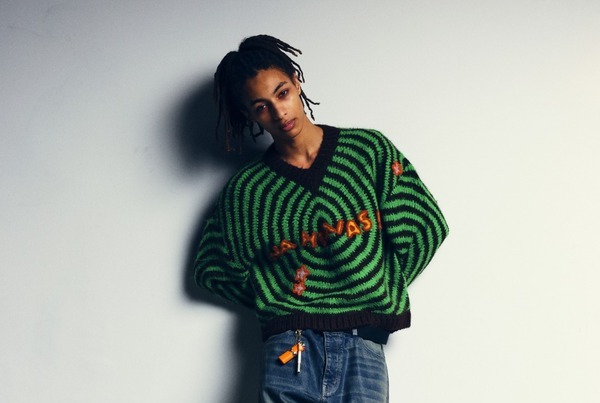
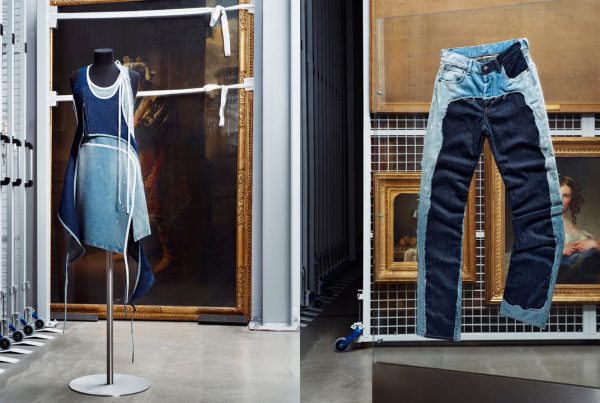
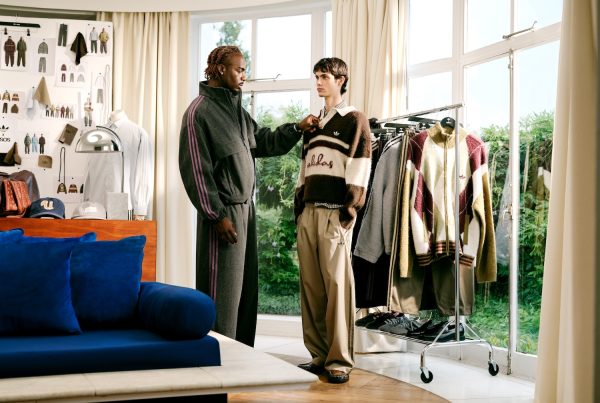
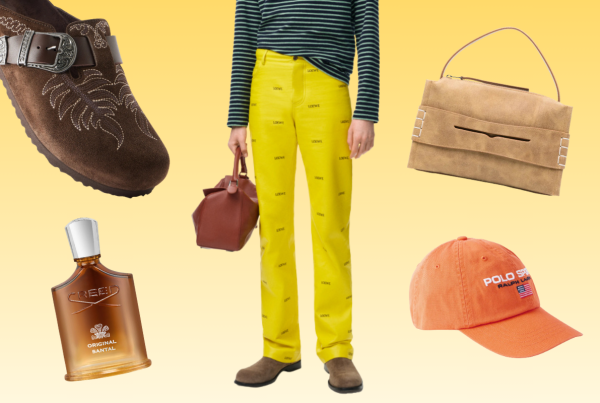

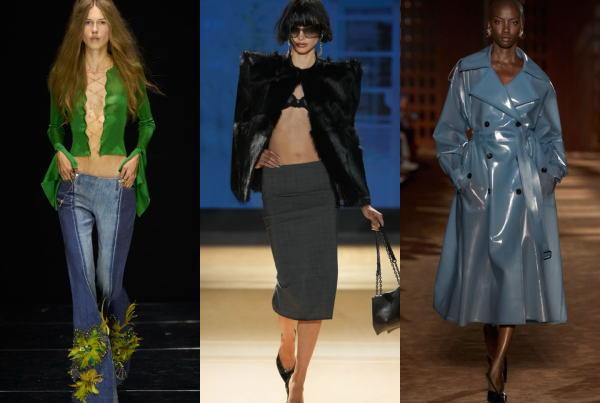
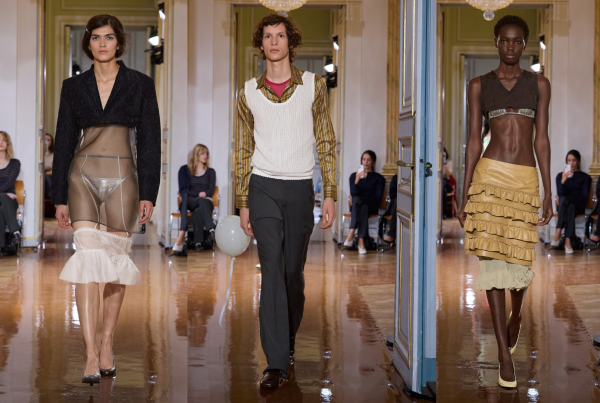
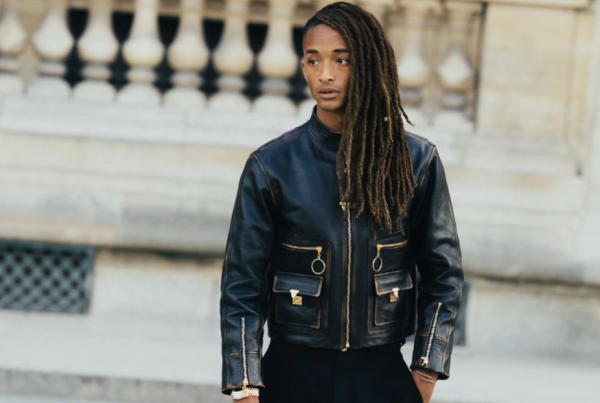
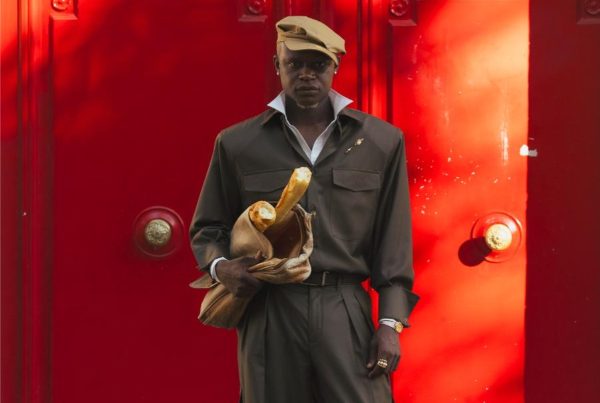


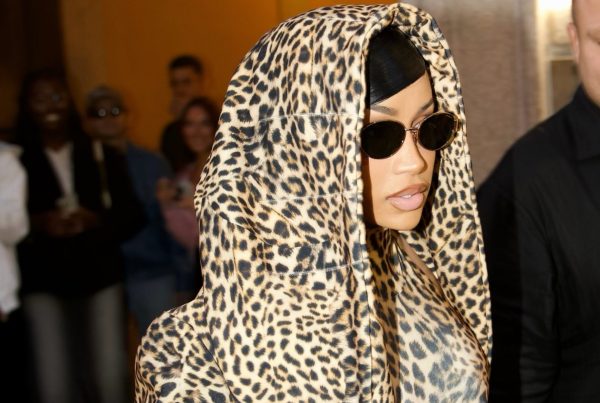
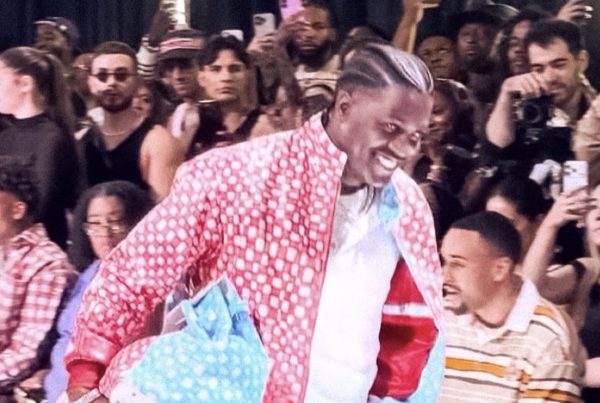
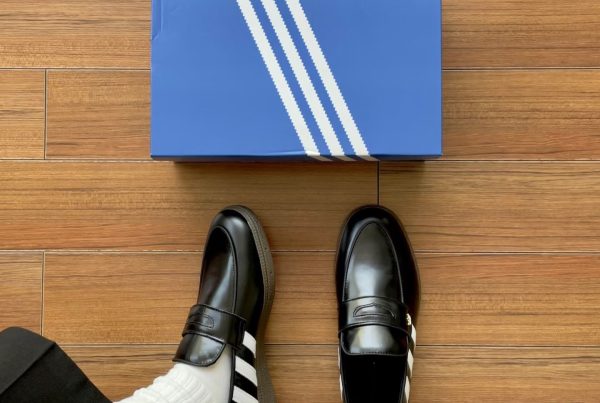
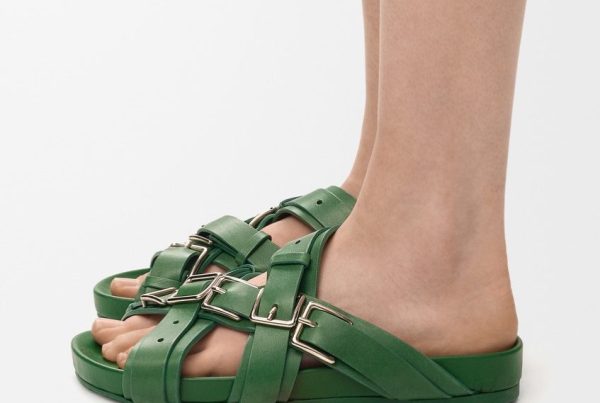













 Streetwear isn’t just a “subculture thing” anymore — the skateboarding, hip-hop, youth-culture roots are still there, but the influence has spread way past that into pretty much every corner of menswear. You see it in everyday outfits, in sneaker culture, and even sitting comfortably inside luxury collections and designer collabs. What used to get dismissed as “just casualwear” is now a real, permanent part of how men dress.
Part of why it’s stuck around is simple: comfort, individuality, and a bit of cultural attitude, all rolled into one. Streetwear never really cared about the old “here’s how a man should dress” rulebook — it’s always been more about mixing things up and building an outfit that actually feels like you. That flexibility is probably the biggest reason it hasn’t faded out as trends have shifted.
From the Skate Park to the Runway
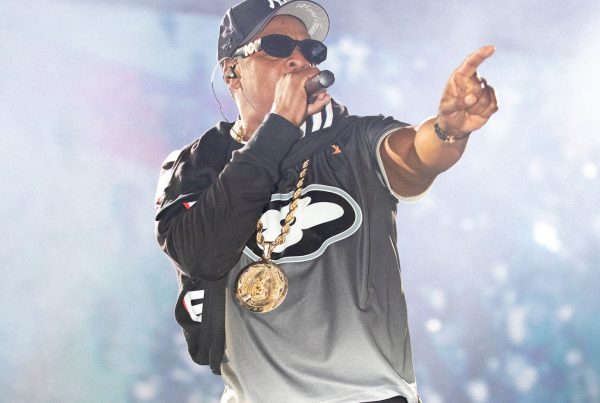
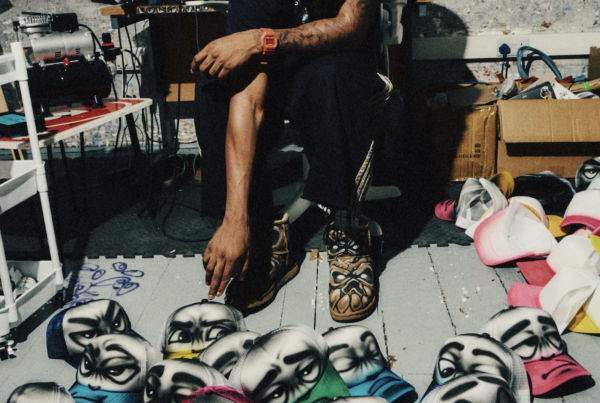
Streetwear’s roots go back to a handful of overlapping scenes from the late 20th century. Skate culture gave us relaxed cuts, graphic tees, hoodies, and shoes built to actually take a beating. Hip-hop brought oversized fits, statement sneakers, and accessories that made a real visual statement — and pushed all of it into the mainstream faster than anyone expected.
Eventually, high fashion couldn’t really pretend it wasn’t happening. Big-name designers started borrowing street-inspired details, and legacy fashion houses began teaming up directly with sneaker brands and streetwear labels. That’s when the line between “casual” and “high fashion” really started to blur.
At this point, formal, casual, luxury, streetwear — none of those categories are as rigid as they used to be.
Sneakers Went From Gym Bag to Wardrobe Staple
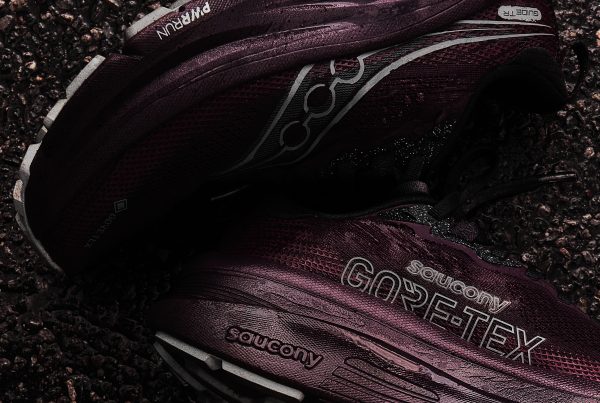
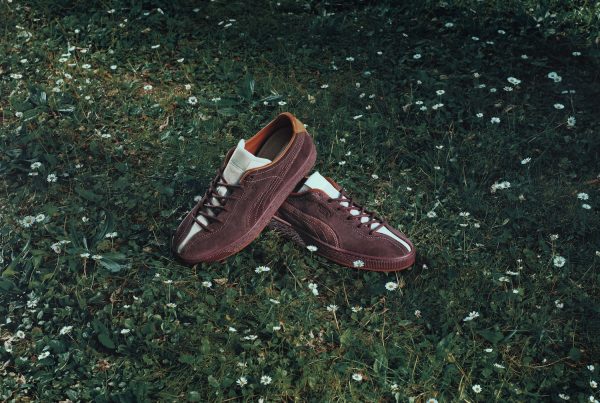
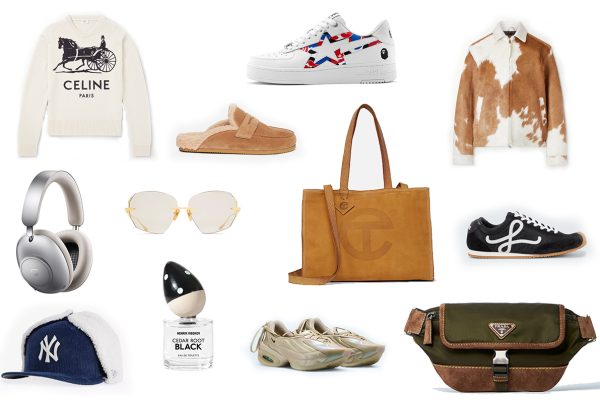
If you want one product that sums up streetwear’s whole impact, it’s sneakers. They used to be strictly a sports thing. Now they’re just… part of getting dressed, full stop.
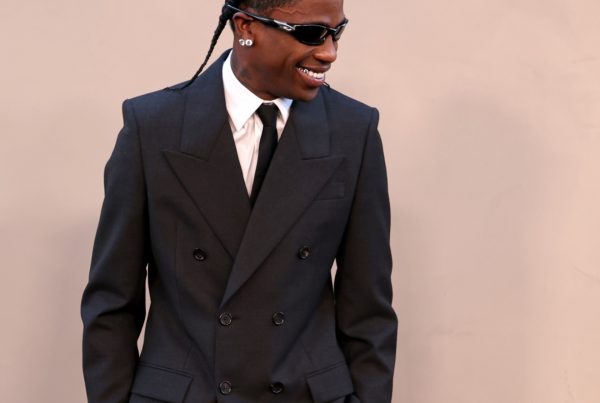
Guys pair sneakers with jeans, cargos, chinos, tailored trousers — even suits now, which would’ve raised eyebrows a couple decades ago. The right pair can completely change how an outfit reads, which is exactly why sneakers stopped being an afterthought and became a real style decision.
Limited drops and collabs only added fuel to this. Certain pairs basically become cultural shorthand — instantly recognizable the second someone spots them. And vintage models keep resurfacing too, as people chase that “throwback” look from decades past.
Bottom line: sneakers aren’t just functional anymore. They’re doing a lot of the outfit’s talking.
Why Baggy Suddenly Became Cool Again
Classic menswear leaned hard into structure — fitted jackets, tailored everything. Streetwear pushed back on that, and relaxed silhouettes started getting real acceptance instead of side-eyes.
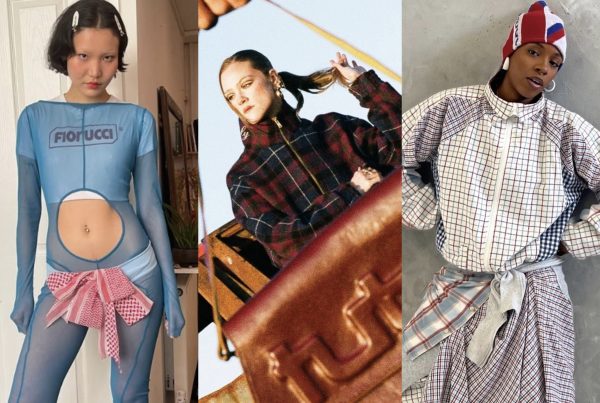
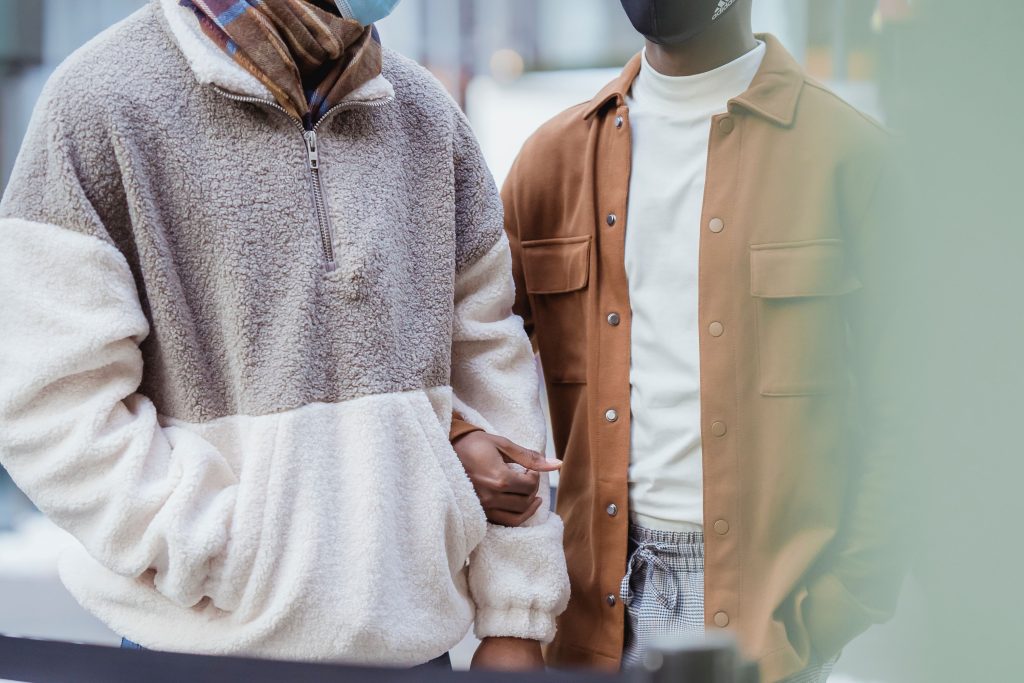
Oversized tees, loose trousers, hoodies, bombers, baggy denim — all of it’s basically standard wardrobe territory now. It’s really a comfort-first shift, without totally giving up on looking put-together.
That said, pulling off oversized clothing well is mostly about balance. A loose hoodie with equally relaxed trousers reads as intentionally casual. Pair that same oversized jacket with something more tailored on the bottom, though, and suddenly it looks a lot more deliberate and put-together.
Basically, streetwear gave men permission to play with proportions instead of sticking to the old “everything must fit perfectly” mindset.
City Living Shaped the Clothes Too
There’s also a real connection between streetwear and how people actually live in cities these days. If your day involves work, then drinks, then errands, then getting home late — you need clothes that can flex across all of that without a wardrobe change in between. That’s driven a lot of demand for pieces that are comfortable but still look intentional.
You can see a similar mindset in how modern residential spaces are designed now — developments like The Alba capture that same idea of urban living where convenience, design, and lifestyle all sort of blend together. It’s a fair comparison, honestly — the way people move through their day in a city tends to shape what they reach for in the closet, and relaxed, adaptable clothing just fits that rhythm better than anything rigid.
Graphics as a Kind of Language
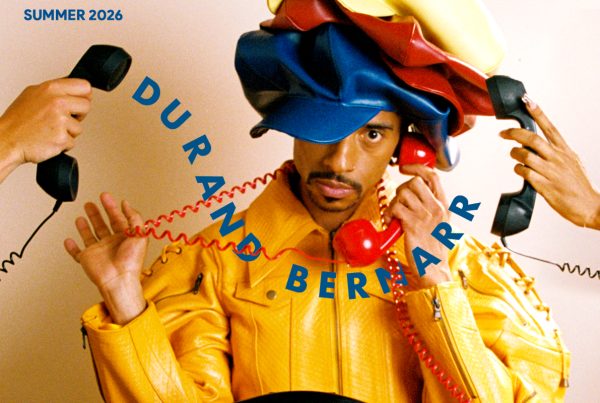
One thing streetwear really nailed: turning clothing into a way to say something without saying anything. Logos, artwork, typography, cultural references — all of it became a shortcut for communicating who you are and what you’re into.
A graphic tee can be a nod to a music scene, a sports team, a film, a game, a whole cultural moment. Clothing stopped being purely functional and started doing double duty as a kind of personal statement.
That’s really opened things up — instead of sticking to safe patterns and neutral colors, guys can use individual pieces to make an outfit feel genuinely personal.
Luxury and Streetwear Basically Merged
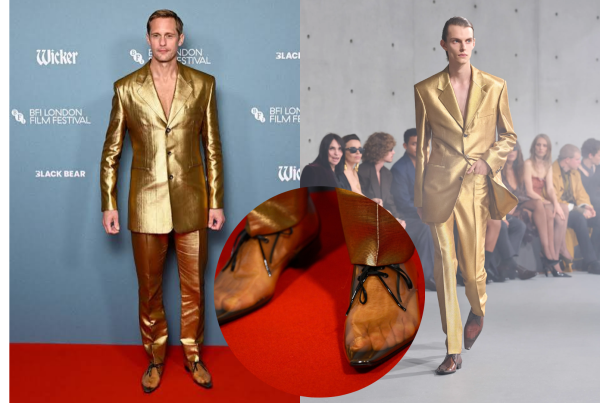
Honestly, one of the bigger shifts in menswear overall is how much luxury fashion and streetwear have blended together. Designers are mixing street-inspired shapes with premium fabrics and serious tailoring craftsmanship — often in the same piece.
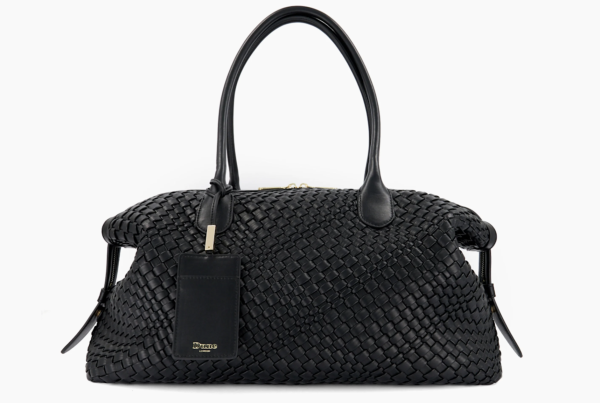
That’s changed what “luxury” even means to a lot of buyers. A high-end wardrobe doesn’t have to be all blazers and dress shoes anymore. A designer hoodie or a premium sneaker can sit in that same space now, no contradiction there.
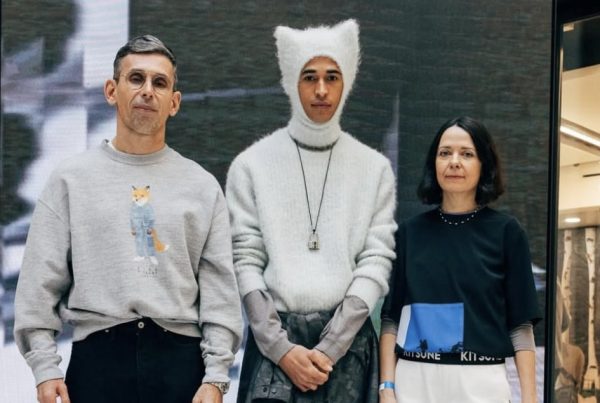
Collaborations deserve a lot of credit for this. When a designer, a sportswear brand, an artist, and a streetwear label all team up, you get products that hit two audiences at once — people who care about the culture, and people who care about the craftsmanship.
Social Media Sped Everything Up
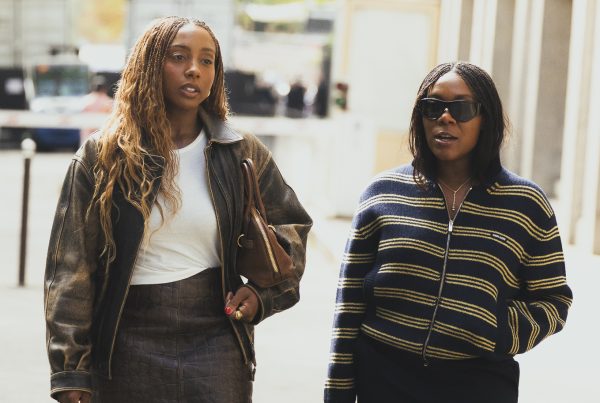
Social media basically put streetwear trends on fast-forward. Anyone can scroll and see what people are wearing on the street in Tokyo, Paris, or LA within minutes of it happening.
Street style photographers, fashion creators, musicians, athletes — they’re all part of that machine now. One standout sneaker or one styling trick can catch fire and show up in completely different scenes within days.
And it’s cut out the middleman too — you don’t need a magazine or a runway show to discover new styles anymore. Regular people build entire audiences just by posting how they dress.
Sustainability Is Starting to Change the Story
There’s also a shift happening around how people think about consumption in general. As more people start caring about waste and overproduction, there’s growing interest in vintage pieces, secondhand shopping, clothing swaps, stuff that’s actually built to last.
Streetwear fits naturally into that conversation, since old sneakers, jackets, and graphic tees have a habit of coming back into style anyway. Instead of buying a whole new wardrobe every season, people are mixing existing pieces in new combinations.
Resale markets have picked up steam too, giving certain sneakers and garments a much longer life than the “wear it a season and toss it” cycle. That’s nudging people to think more about durability and long-term value, not just what’s trending this month.
Where This Is All Headed
Streetwear isn’t going anywhere just because it’s gone mainstream — if anything, it’s become so woven into menswear that it’s stopped being a “trend” and just become part of how people dress, period.
Going forward, expect more emphasis on comfort, versatility, individuality, and a bit more conscience around how things get consumed. Guys are already mixing tailored pieces with sneakers, luxury accessories with casualwear, vintage with modern — no one’s sticking to one lane anymore.
If streetwear’s given menswear anything lasting, it’s probably permission — permission to stop treating style like a fixed formula. Comfort, culture, self-expression, experimentation — turns out all of that can live in the same closet just fine.
And as menswear keeps evolving, those same ideas streetwear brought to the table — individuality, relaxed fits, cultural awareness, mixing things that “shouldn’t” go together — don’t look like they’re going anywhere either.