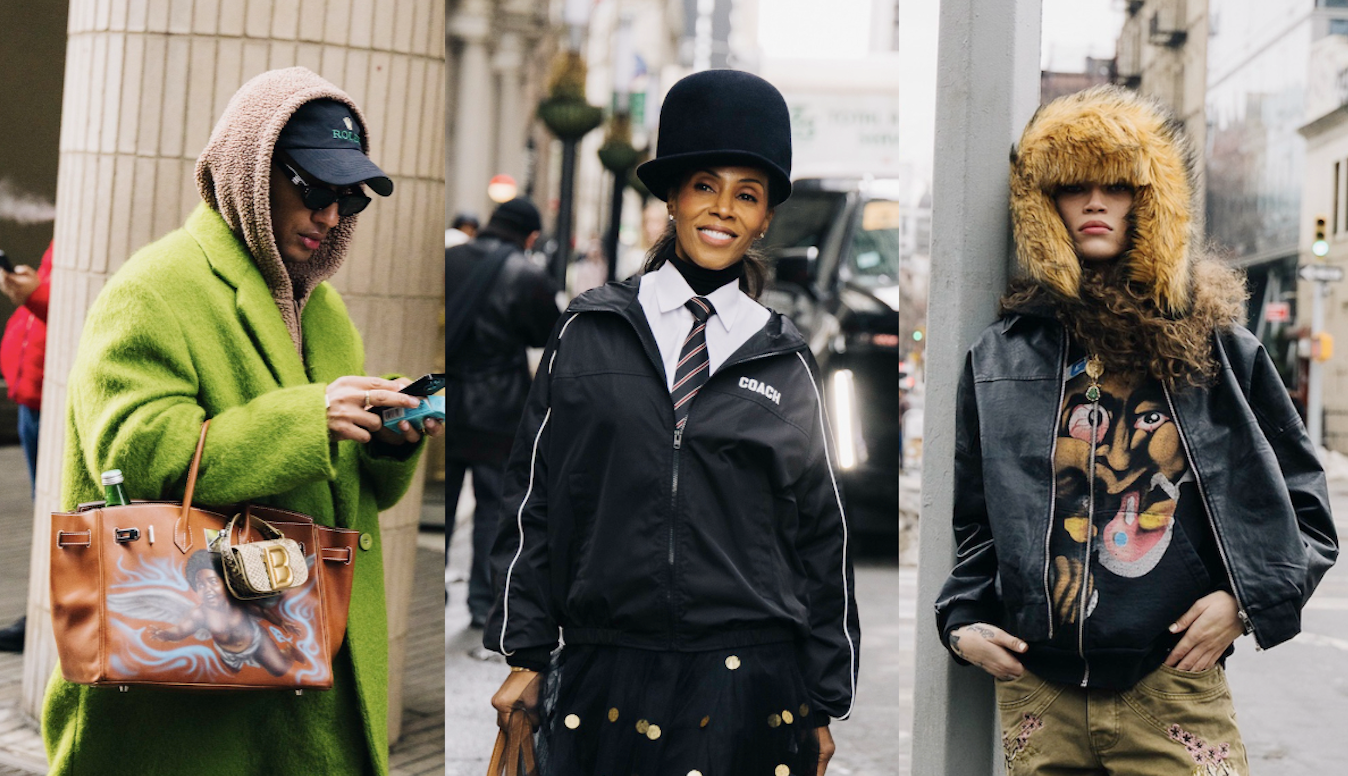
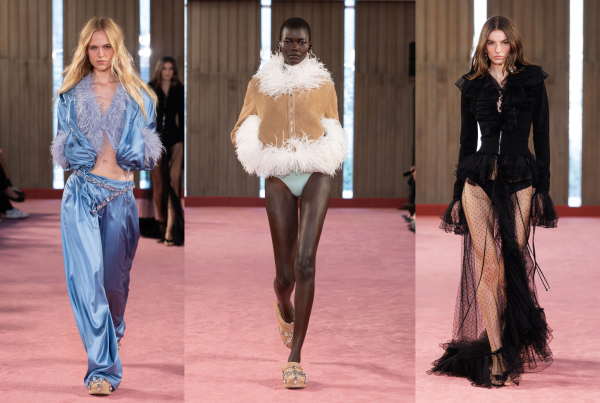
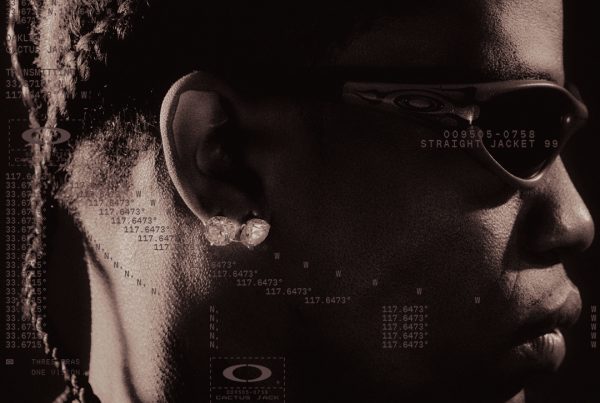
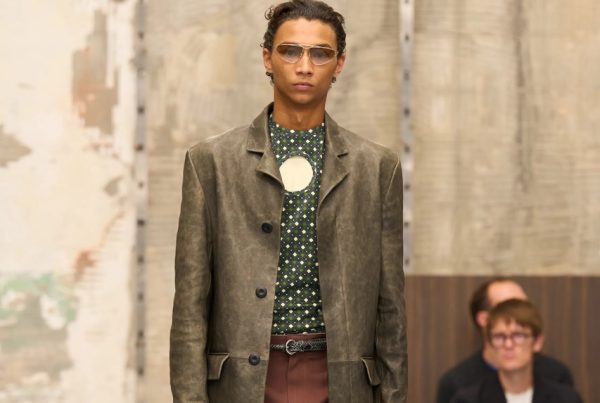




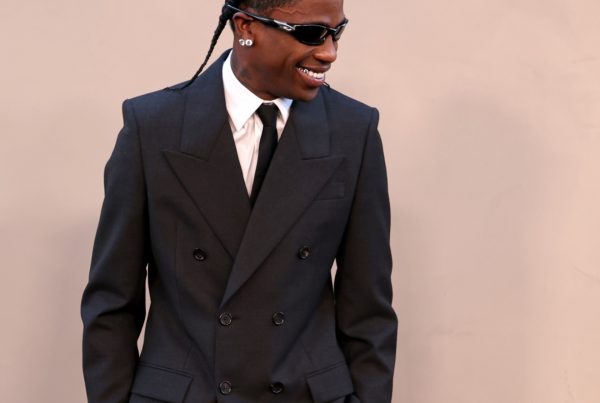

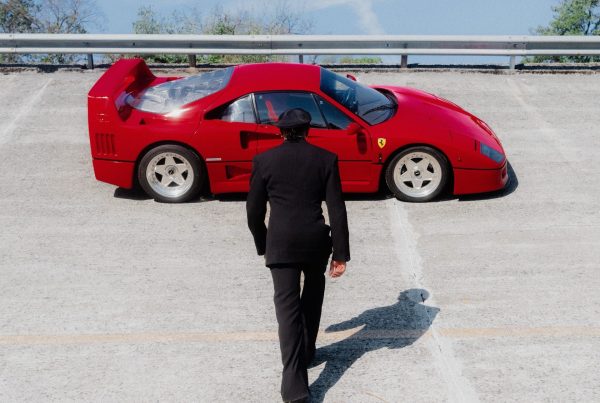

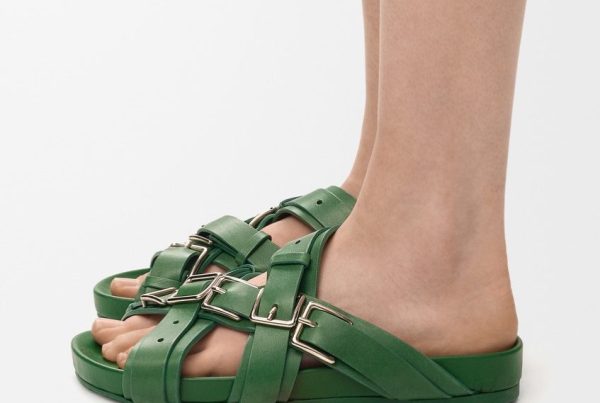



















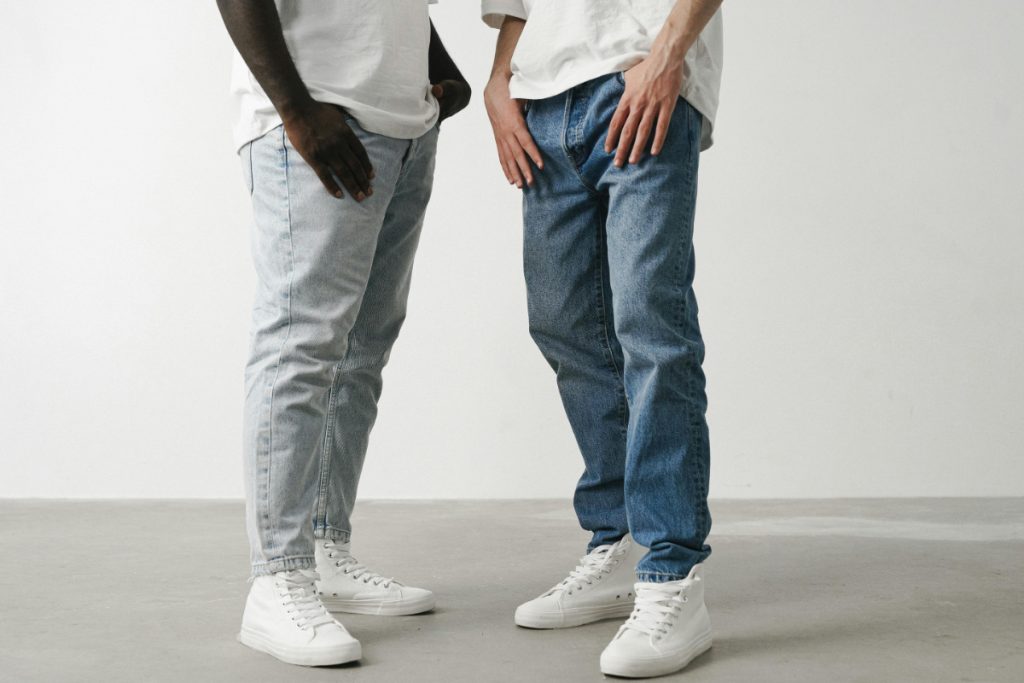
 In a time where every movement is tracked by CCTV and every click is logged by algorithms, the desire for invisibility has never been stronger. We live in a surveillance state where privacy is the ultimate luxury, and this cultural shift is beginning to change the way we dress. Streetwear, once a medium for loud expression and logo-heavy branding, is moving towards a quieter, more obscure aesthetic. The new wave of style is not about being seen; it is about being unidentifiable.
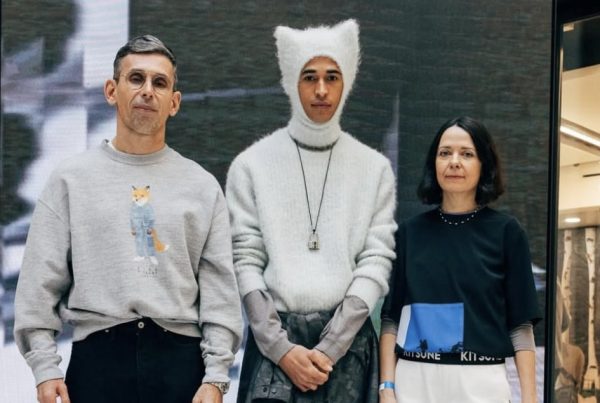
This transformation speaks to a generation that values autonomy over attention. The rise of “incognito” fashion, characterised by face coverings, oversized hoods, and shapeless silhouettes, is a direct response to the hyper-visibility of life. It is a visual rebellion against the data economy, where young creatives are reclaiming their right to anonymity through fabric and form.
Concealing Identity Through Heavy Oversized Silhouettes
The most immediate manifestation of this trend is the dramatic change in silhouette. We are seeing a departure from the fitted, body-conscious cuts of the previous decade in favour of exaggerated, voluminous shapes that completely mask the wearer’s physical form.
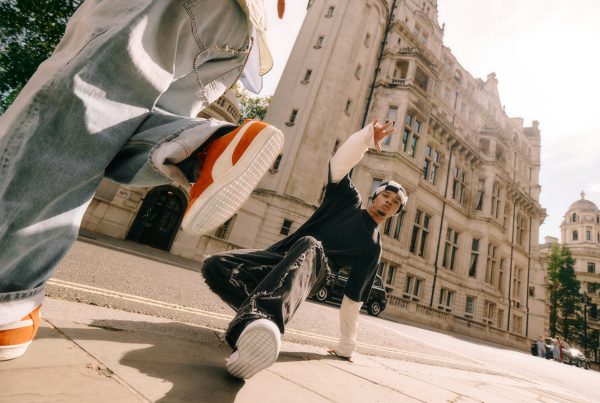
Oversized hoodies with structured cowls, wide-leg cargo trousers that pool at the ankles, and puffer jackets that envelope the torso are no longer just comfort choices; they are architectural tools for concealment. By distorting the body’s natural lines, these garments make it difficult for gait-recognition software and surveillance systems to accurately profile the individual, offering a layer of analogue protection in a digital world.
Designers are leaning into this “anti-fit” philosophy, creating pieces that act as a barrier between the wearer and the outside world. The popularity of the balaclava and the snood has exploded, transitioning from niche drill music subcultures to the runways of Paris and Milan. This is a conscious decision to opt out of the visual narrative, prioritising personal space and mystery over public recognition.
Tech Accessories Meeting the Demand for Privacy
As conversations around online privacy grow stronger, the influence is beginning to appear in the accessories people carry every day. Tech-wear has always focused on functionality, but that idea of “utility” is expanding beyond weather protection and durability to include how personal data is handled in a connected world. Consumers increasingly approach their daily gear with the same caution they apply to their online lives.
In online spaces, individuals already take steps to reduce their exposure. Some users seek services that limit the amount of personal information required. This includes exploring options such as no kyc casino sites where identity verification is minimal, and activity can remain more private. This mindset has gradually extended into the physical items people use, especially accessories designed to safeguard devices and payment information.
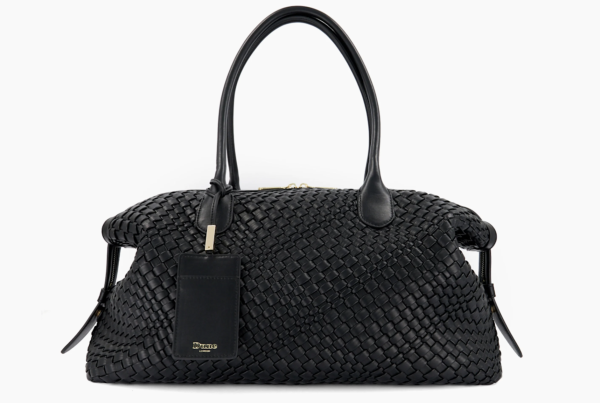
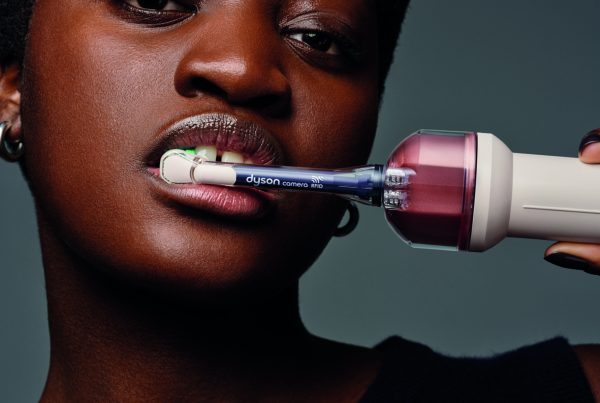
The biggest transformation is most visible in accessories. RFID-blocking wallets, anti-skimming backpacks, and signal-shielding phone pouches are now common in urban and travel gear, reflecting concerns around contactless payment security and digital identity protection.
Many tech-focused fashion brands also emphasise concealed compartments, minimal external branding, and discreet storage for phones and smart devices. These features do not promise anonymity, but they reflect a broader cultural transition: personal data holds real value, and the items people carry are increasingly designed with privacy in mind.
Digital Culture Influencing Physical Streetwear Choices
The aesthetic of anonymity is also heavily borrowed from the digital avatars and gaming skins that dominate gaming culture. In the metaverse, players often choose masks or helmets to create a persona that is distinct from their real-world identity, and this “NPC” (Non-Player Character) energy is translating to physical street style.
There is a growing fascination with looking generic yet intimidating, adopting a uniform that reveals nothing about the person underneath. This cross-pollination between gaming culture and high fashion has normalised the idea of the “faceless protagonist,” where the outfit is the character, and the human inside is merely the pilot.
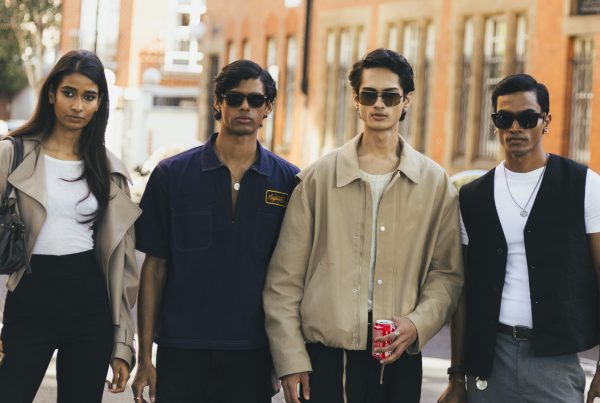
This influence is obvious in the colour palettes dominating the current season, moving towards matte blacks, greys, and muted earth tones. These are the colours that blend into the concrete background rather than stand out against it.
It is a form of urban camouflage designed for the metropolis today. Just as a user might browse the internet in “dark mode” to reduce strain and visibility, fashion-conscious individuals are adopting a “dark mode” for their physical appearance, curating looks that allow them to move through the city as ghosts in the machine.
Tracking The Future Of Faceless Fashion
As facial recognition technology becomes more universal in public spaces, we can expect streetwear to become even more experimental in its approach to evasion. We may see the mainstream adoption of “dazzle” patterns, complex geometric designs originally used on warships, applied to scarves and face masks to confuse computer vision algorithms. The combo of privacy and style will likely birth a new genre of “counter-surveillance couture” that is as political as it is stylish.
The embrace of digital anonymity in fashion is a declaration of control. In a world where oversharing is the default, choosing to hide is a radical act of defiance. The future of streetwear lies not in who can shout the loudest with their clothing, but in who can move the most silently.