




















































 The idea of a capsule wardrobe has been around for decades, but it remains one of the most practical approaches to dressing well without the clutter, the indecision, and the constant feeling that you have nothing to wear.
At its core, it’s about owning fewer pieces that work together better – and choosing quality over volume.
Getting it right takes a bit of thought upfront, but once it’s in place, getting dressed becomes genuinely easier. Here’s how to approach it.
Start with an Honest Wardrobe Edit
Before you buy anything new, the first step is working out what you already own and what’s actually earning its place. Pull everything out, try it on, and ask whether it fits well, whether you reach for it regularly, and whether it works with other things you own.
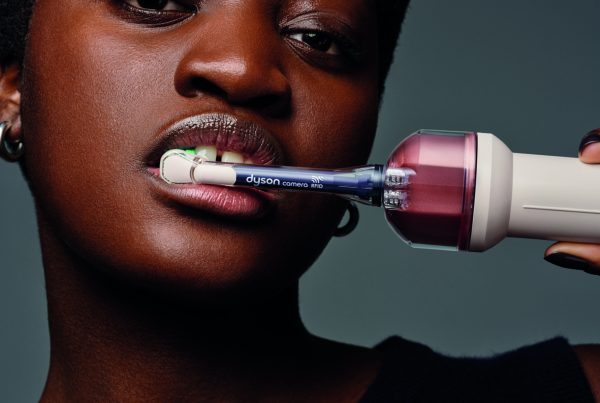
This is also a good moment to think about your actual lifestyle rather than an aspirational version of it. Some people find it helpful to document their wardrobe with compact cameras or even just phone photos, so they can review combinations without physically trying everything on.
Be honest – if something has been sitting unworn for a year, it’s probably not earning its space.
Build Around a Neutral Colour Palette
A capsule wardrobe works because everything in it can be worn together. That’s much easier to achieve if you anchor the collection around a core set of neutral colours. Navy, grey, black, white, camel, and olive all mix well without effort.
This doesn’t mean your wardrobe has to be dull. Introducing one or two accent colours – a burgundy, a rust, a forest green – adds interest without breaking the cohesion. The key is that even your accent pieces should work with at least three or four other items you own.
Prioritise Versatile Pieces Over Trend-Led Ones
The clothes that earn their place in a capsule wardrobe are the ones that can be dressed up or down depending on the occasion. A well-cut pair of dark trousers works in a meeting and at dinner. A plain white Oxford shirt works under a suit or with jeans at the weekend.
Trend-led pieces have a shorter shelf life and tend to look dated quickly. That doesn’t mean you should avoid anything fashionable, but be selective – ask whether you’ll still want to wear it in three years before committing to something that’s currently all over the shops.
Think in Layers, Not Just Outfits
One of the most useful shifts in thinking when building a year-round wardrobe is to focus on layering potential rather than complete outfits. A lightweight merino crew neck works over a shirt in autumn, under a coat in winter, and on its own on a cool spring evening.
Pieces that layer well give you significantly more combinations than pieces that only work in one specific context. A shirt-weight overshirt, a mid-weight knit, and a versatile outer layer can be rearranged across dozens of combinations across all four seasons.
Invest More in the Things You Wear Most
Not everything in a wardrobe needs to be expensive, but there are a handful of items worth spending more on because you wear them constantly. Well-made denim, quality leather footwear, and a good coat are the three areas where the cost-per-wear calculation most clearly justifies a higher spend.
Cheap versions of these items tend to look tired quickly, and replacing them regularly ends up costing more in the long run than buying something better once. Buy the best version you can afford of the pieces you reach for every day.
Don’t Overlook Fit
The most expensive piece in your wardrobe will look mediocre if it doesn’t fit properly. Fit is a big factor in whether clothing looks good, and it’s often underestimated because poor fit has become so normalised in ready-to-wear clothing.
When something is close but not quite right, it’s worth getting it altered. A tailor can take in a waist, shorten a hem, or adjust a sleeve length for a relatively small cost – and the difference in how a garment looks and feels is usually significant.
Keeping It Fresh Without Starting Over
A capsule wardrobe isn’t a static thing you build once and never touch. Pieces wear out, your life changes, and occasionally you’ll want to introduce something new. The discipline is in adding intentionally rather than impulsively.
Before buying anything new, check whether it fills a genuine gap or just duplicates something you already own. If it works with at least three or four existing pieces and it fits well, it’s probably worth adding. If it only works as part of one specific outfit, think twice.
Making It Work for You
The best capsule wardrobe is the one that reflects how you actually live, not how someone else thinks you should dress. Take the principles here as a starting point, but adapt them to your own taste, climate, and daily routine.
When it all comes together, the result is a wardrobe that feels smaller but somehow always has something to wear.