









PAUSE MEETS:
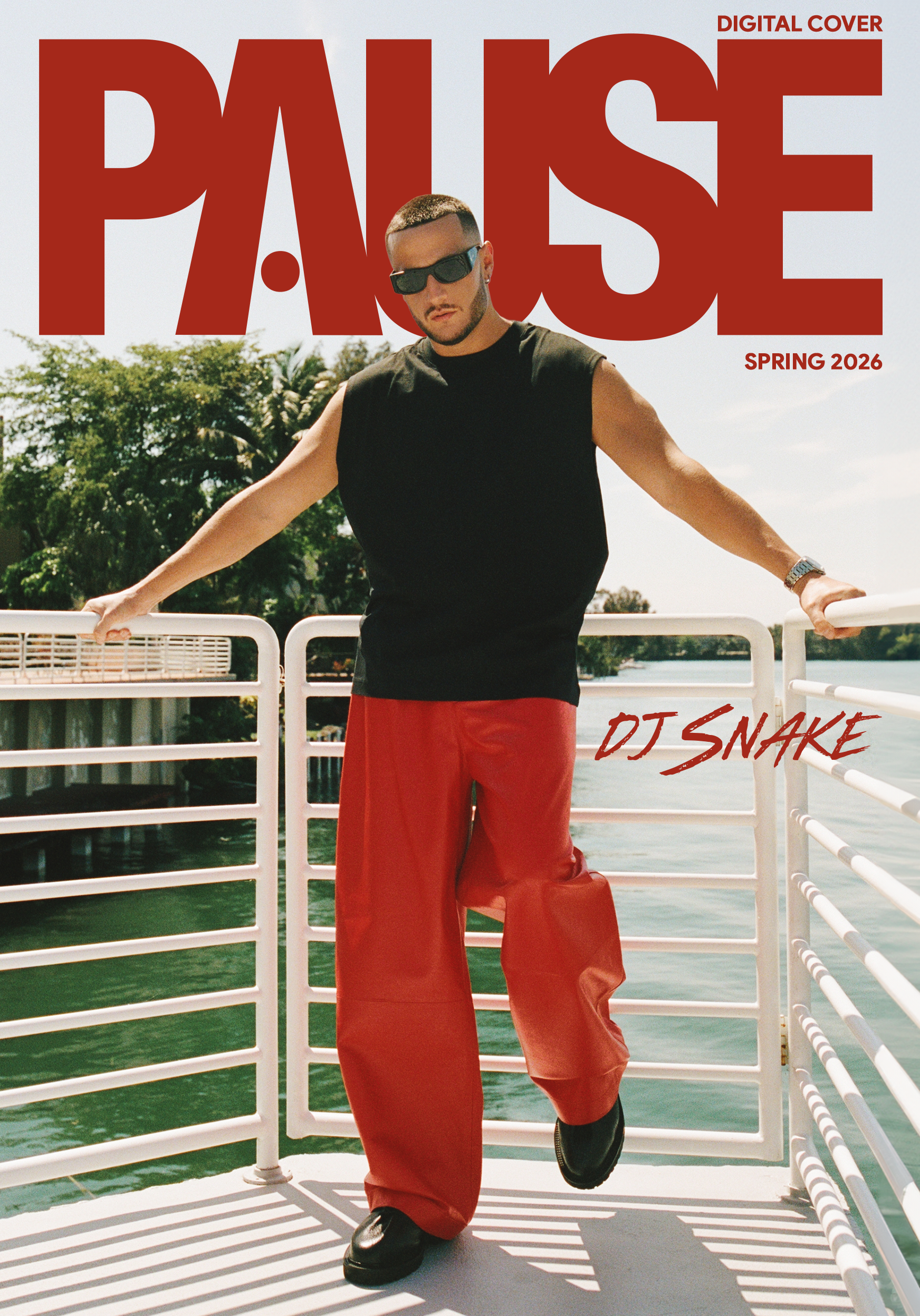
DJ Snake
Talks 2026, eras, & the language of music.
“The mindset changes, but the goal stays the same.”
There is a particular way certain moments in music stay with us. Not always through charts or headlines, but through a feeling that lingers long after the sound has faded. 2016 was home to a lot of those moments. Culture moved quickly and restlessly, feeds refreshed endlessly, faces flickering beneath soft-focus dog filters and looping clips as a new kind of digital immediacy took hold. Music followed that same rhythm, travelling further than ever before and slipping between scenes, languages, and borders with ease. The idea of “global” stopped feeling distant and started to feel immediate, embedded in everyday life.
At the centre of that shift was DJ Snake.
Emerging from the Paris underground, he built a sound that refused to stay in one place. His records did more than succeed commercially, they connected across cultures in a way that felt instinctive rather than engineered. Long before seamless genre-blending became the norm, DJ Snake was already moving between electronic music, hip-hop, and global influences with a confidence that suggested he was not following a trend, but anticipating one.
A decade later, the landscape he helped shape has caught up. Collaboration across continents is no longer novel, and the boundaries that once defined scenes have all but dissolved. For DJ Snake, 2026 is not about revisiting that moment, but continuing a way of working rooted in movement. His latest chapter, framed through his third studio album “Nomad”, reflects that philosophy, a refusal to stay fixed, creatively or culturally, and a belief that music should move as freely as the world it exists in.
There is a clarity to it now. The scale is larger, the reach wider, but the intention feels more measured. What once felt instinctive now carries the weight of experience. If 2016 marked the beginning of a shift, 2026 feels like the point where it is finally understood, and carried forward on his own terms. For PAUSE’s Spring digital cover, DJ Snake reflects on that perspective, looks ahead, and shares what underpins a successful collaboration.
Word on the street is 2026 is the new 2016. Looking back, that was a defining year for you culturally and commercially. Does 2026 feel like a continuation of that energy, or a completely new chapter built on the same values?
2016 was a crazy year for me. Everything exploded at once with tracks like “Let Me Love You” and “Middle”. But I don’t really look at it like I’m trying to recreate that. That was a different time, a different energy. I’ve been consistent ever since, still making music, still touring, still connecting with different scenes, while still coming with a new sound. So 2026 for me is not about proving anything; it’s about moving how I want and building things that really last.
At that time, you were shaping mainstream pop in a major way. Records like “Let Me Love You” with Justin Bieber became defining global moments. Did you recognise that scale while making them, or only in hindsight?
Honestly, when I’m in the studio, I’m not thinking about numbers or whether something is gonna become a huge hit. I’m just chasing a feeling, and with “Let Me Love You”, we knew it was special for sure, but you never really know how far a song is gonna go once it leaves the studio. Sometimes, you only realise the effect after, when you see how people speaking different languages connect to it.
There is a feeling that electronic music is returning to a more global, genre-fluid space. Do you think the industry is catching up to ideas you were already exploring a decade ago?
Yeah, for sure. But for me, that was never really a trend; that’s how I always saw music. I never looked at it like ‘this is electronic, this is hip-hop, this is pop, this is afro.’ If it hits, it hits. I think now the world is way more open to that way of thinking. Ten years ago, mixing those worlds felt less obvious to people, but now it feels natural to everyone. I think people just listen differently today; there are no real borders anymore.
You came from the Paris underground at a time when genre lines were still pretty rigid. How did that environment shape your instinct to move between sounds so freely?
Growing up in Paris, especially in the suburbs, you don’t grow up listening to one sound. It is everything at once, hip-hop, electronic, African, raï, whatever is around you. Moving between genres wasn’t something I decided to do; it was a reflection of where I come from and how my roots influenced my music.
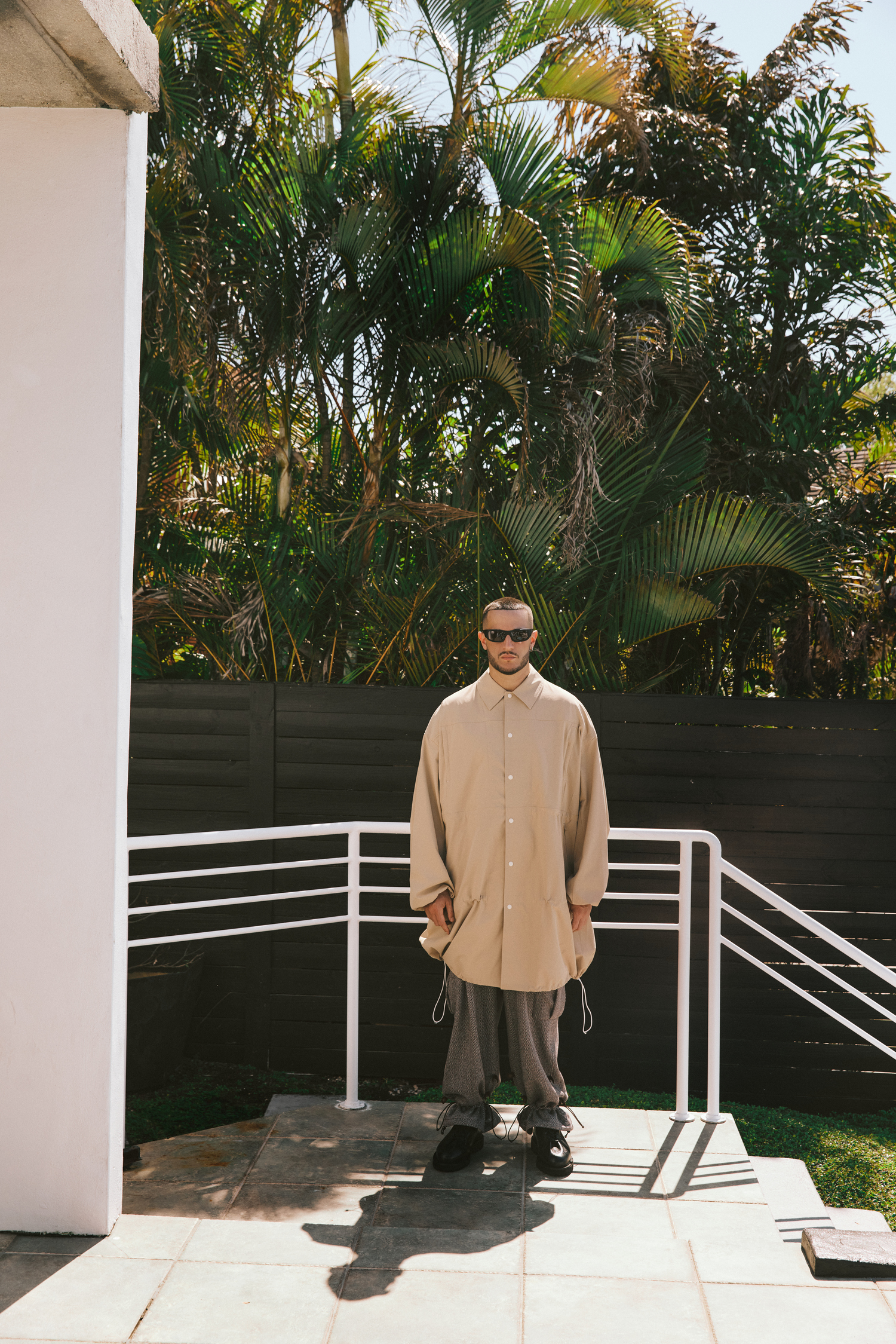
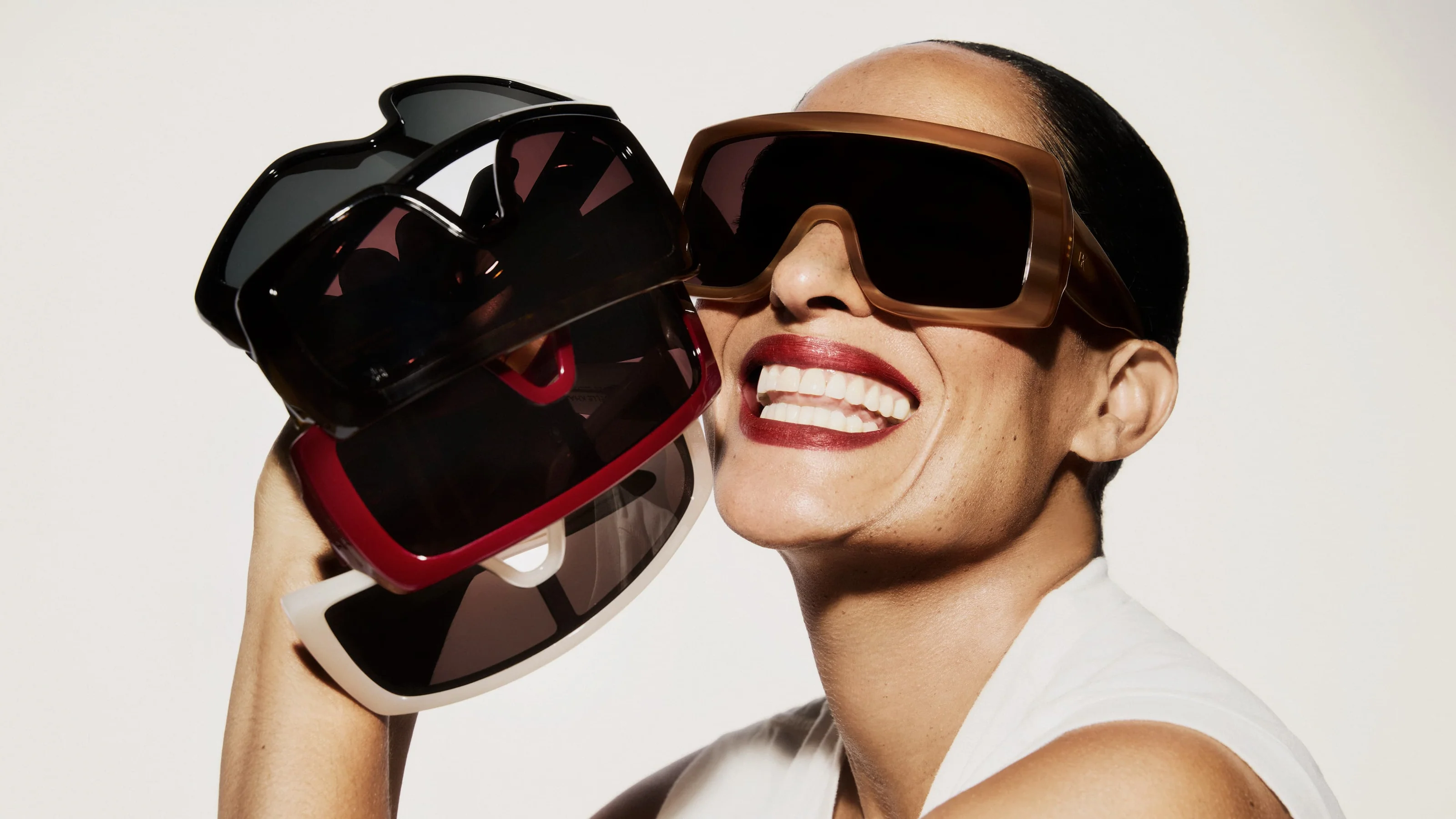
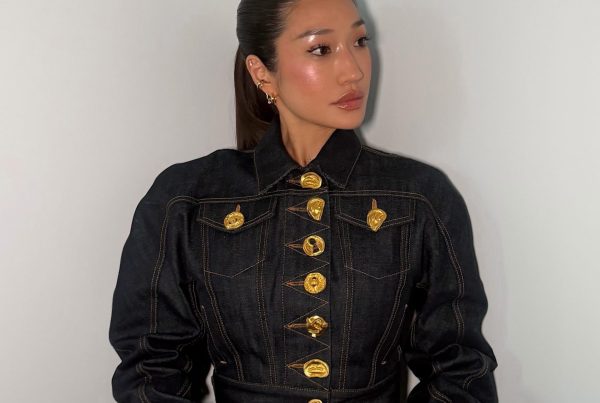
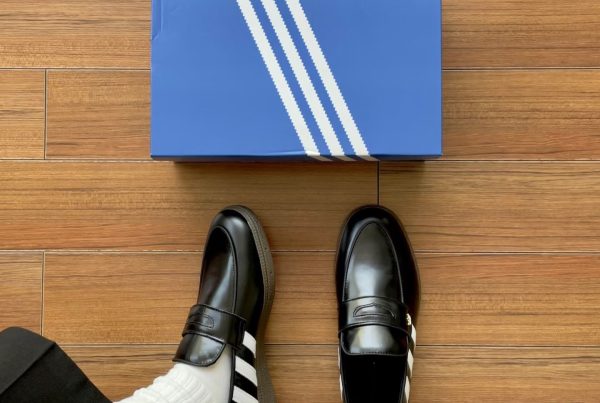
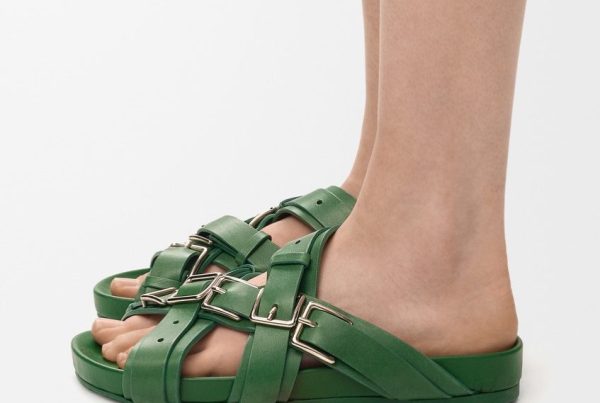
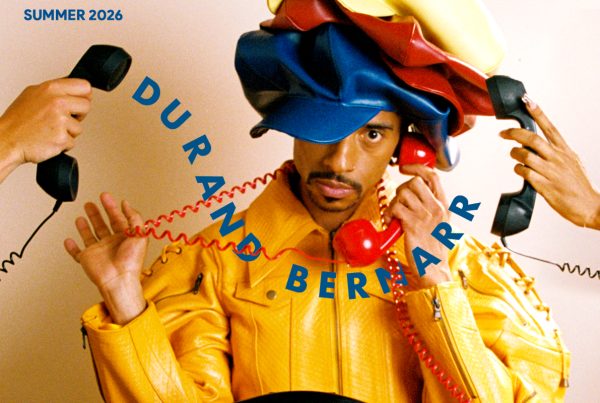
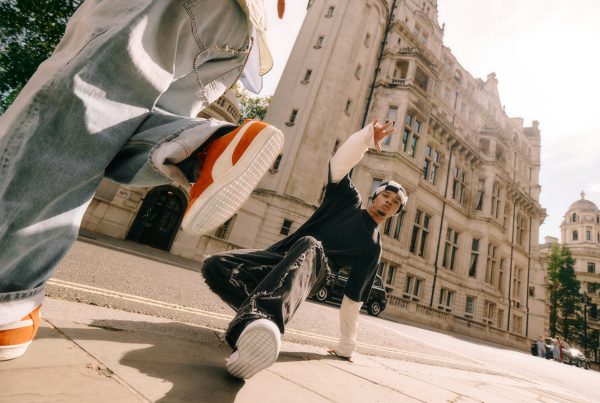
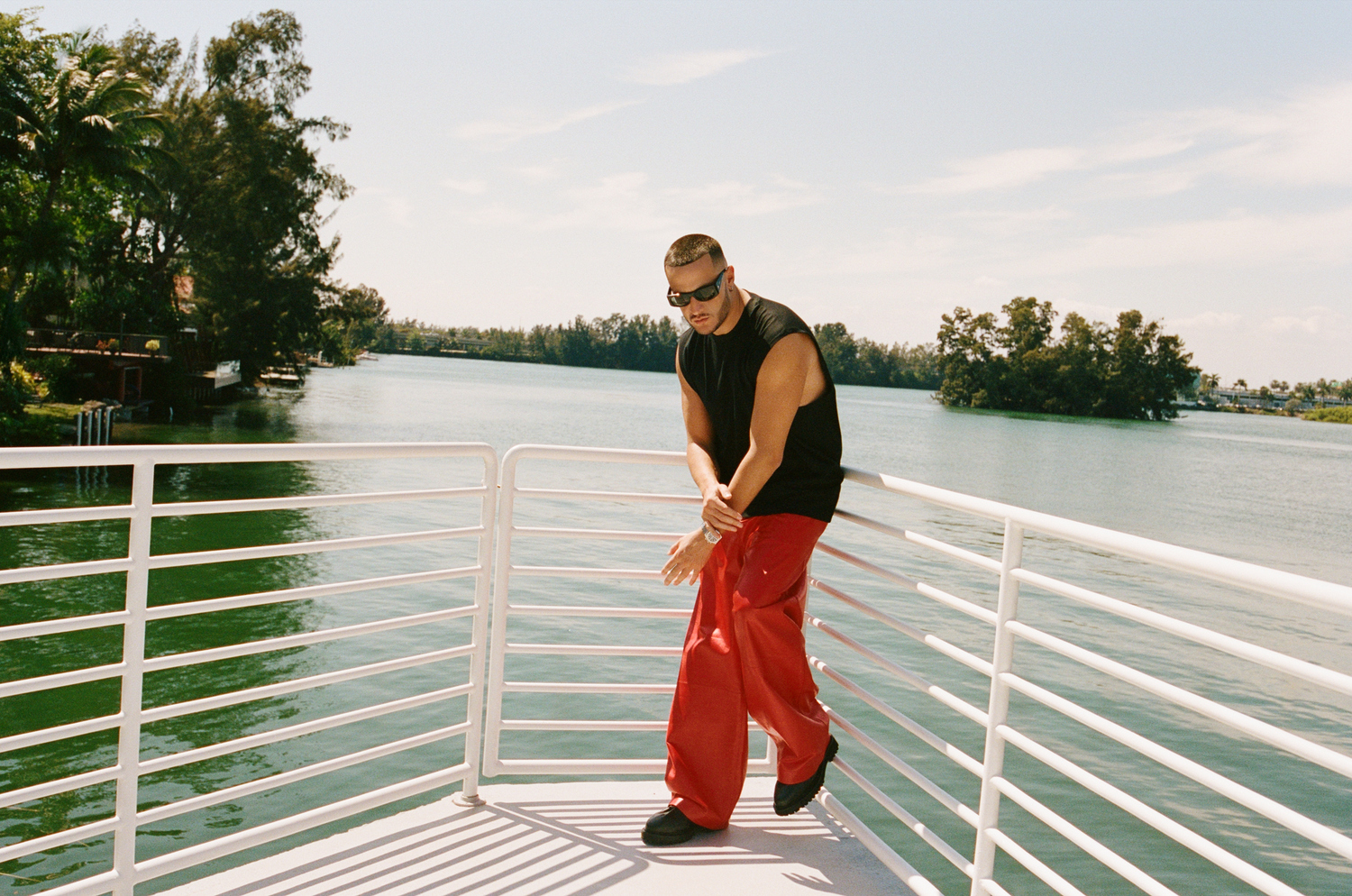
Jacket: Wansie / Trousers: Wansie / Shoes: Jacques Solovière Paris
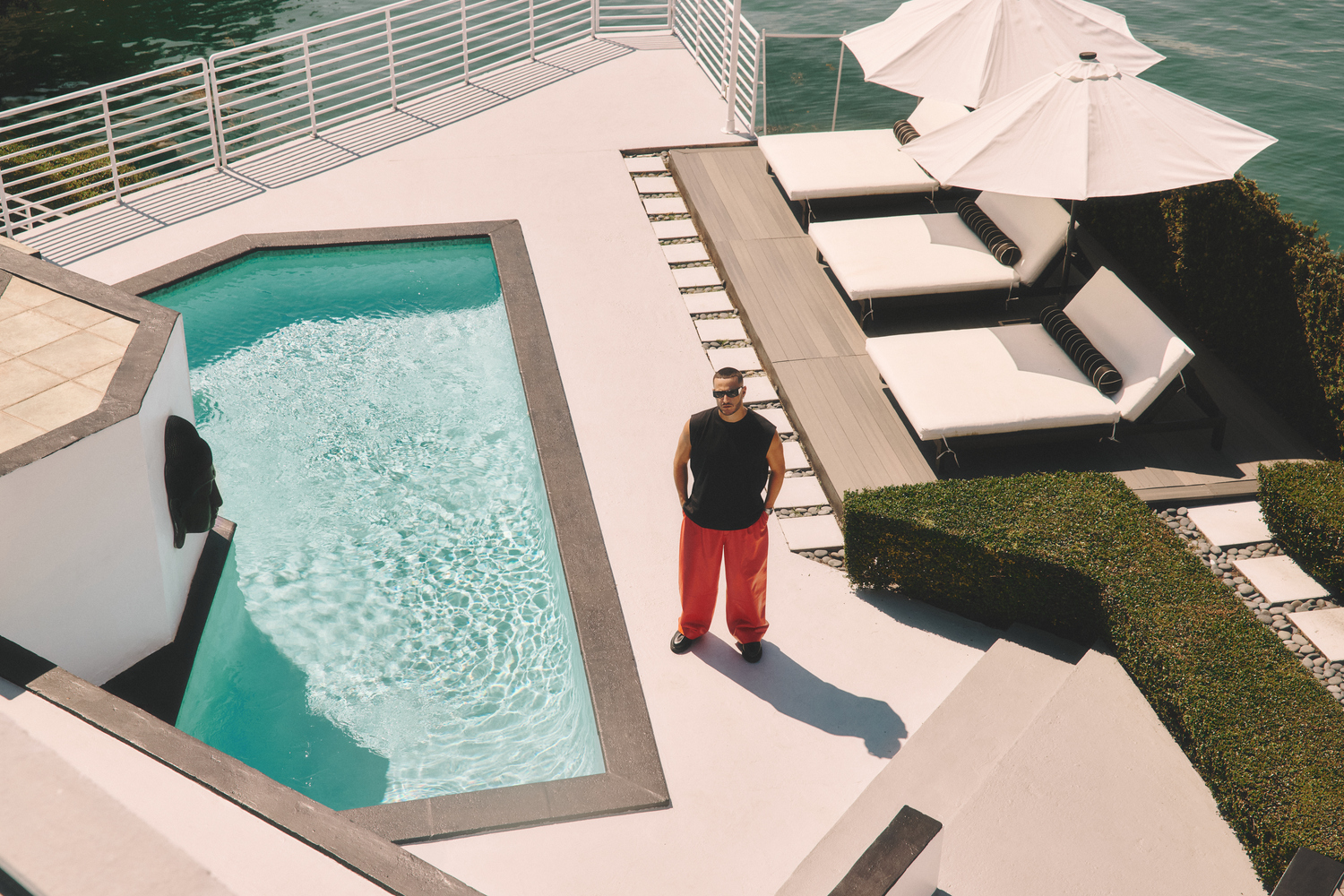
Speaking of movement, you have described your latest project, “Nomad”, as a passport, likening each track as a stamp. In that case, what does each “stamp” represent to you creatively?
Each stamp is a moment, a different emotion, a different energy, a different part of the world that stayed with me. Some tracks come from places I’ve been; others come from the feeling those places left behind. That’s really what “Nomad” is to me, not just travelling the world physically, but collecting things along the way and turning that into a sound people can feel and hear.
When you are working with artists from completely different scenes, from K-pop to Latin music to hip-hop, what is the common thread you are looking for?
Authenticity and identity. That’s always the first thing. I like artists who bring their own world with them, and you can see it in their sound and music, whether it is K-pop, Latin, or hip-hop. If they have a real point of view, you can build something really powerful around that.
We always talk about music as a universal language. As someone who works and originates across cultures and languages, do you think music still needs translation, or has it become its own language entirely?
I think now more than ever, music is definitely its own language. You see Latin artists topping charts globally, and many people don’t even speak Spanish, yet they still connect to it. And that tells you everything; it is not about the translation anymore, it is about how you can make people feel when they listen to you. The rhythm, the tone, the attitude, that’s what people understand first. Of course, the language can add another layer, but it’s never the reason a record travels.
What have you learned from working with artists who do not share your background or language, and how has that shaped your sound?
It made me listen differently. When you’re not relying on the same language or the same references, you pay even more attention to instinct, rhythm, and tone, all the things that make an artist who they are. And that definitely shaped my sound, and it pushed me to stay more open and curious.
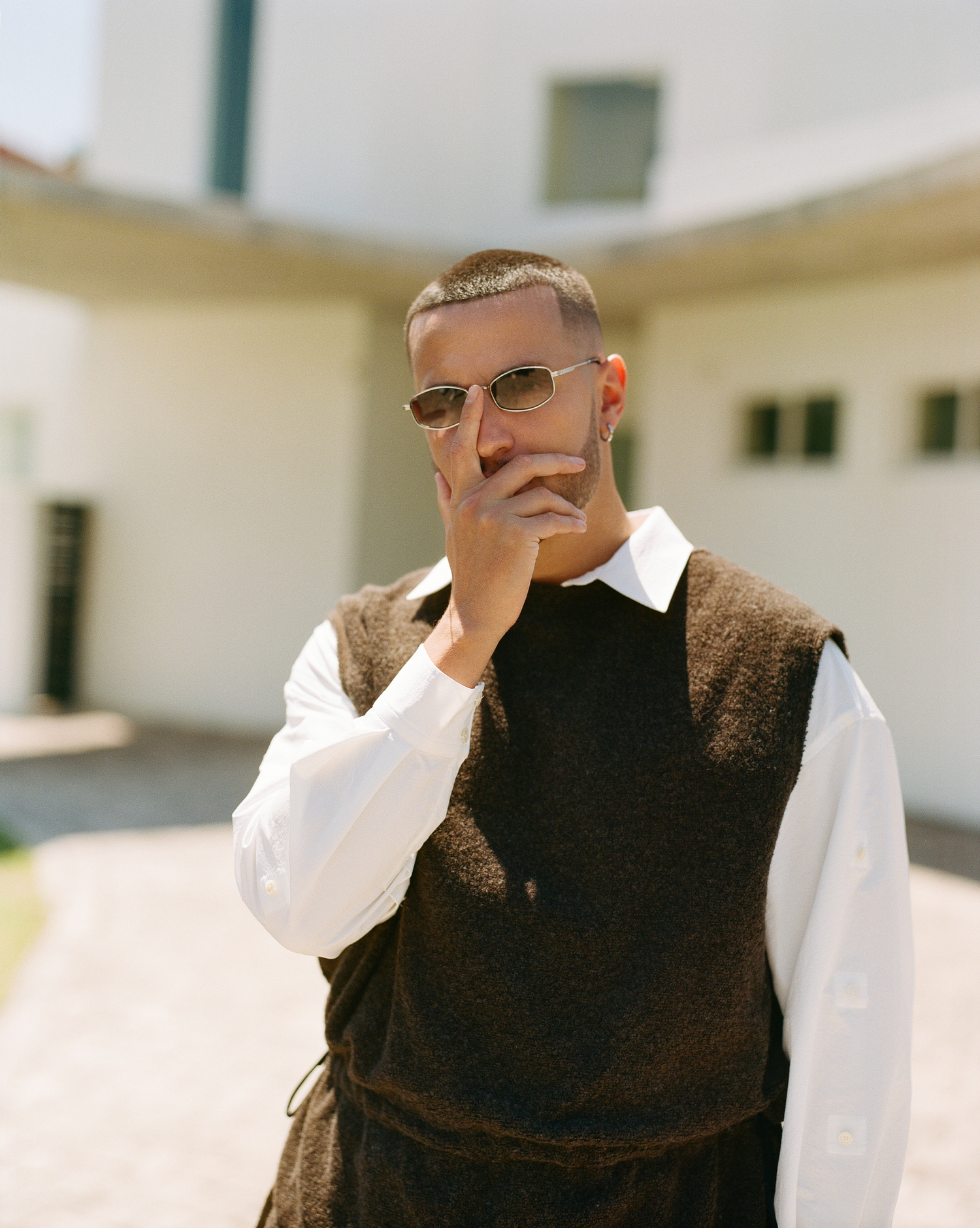
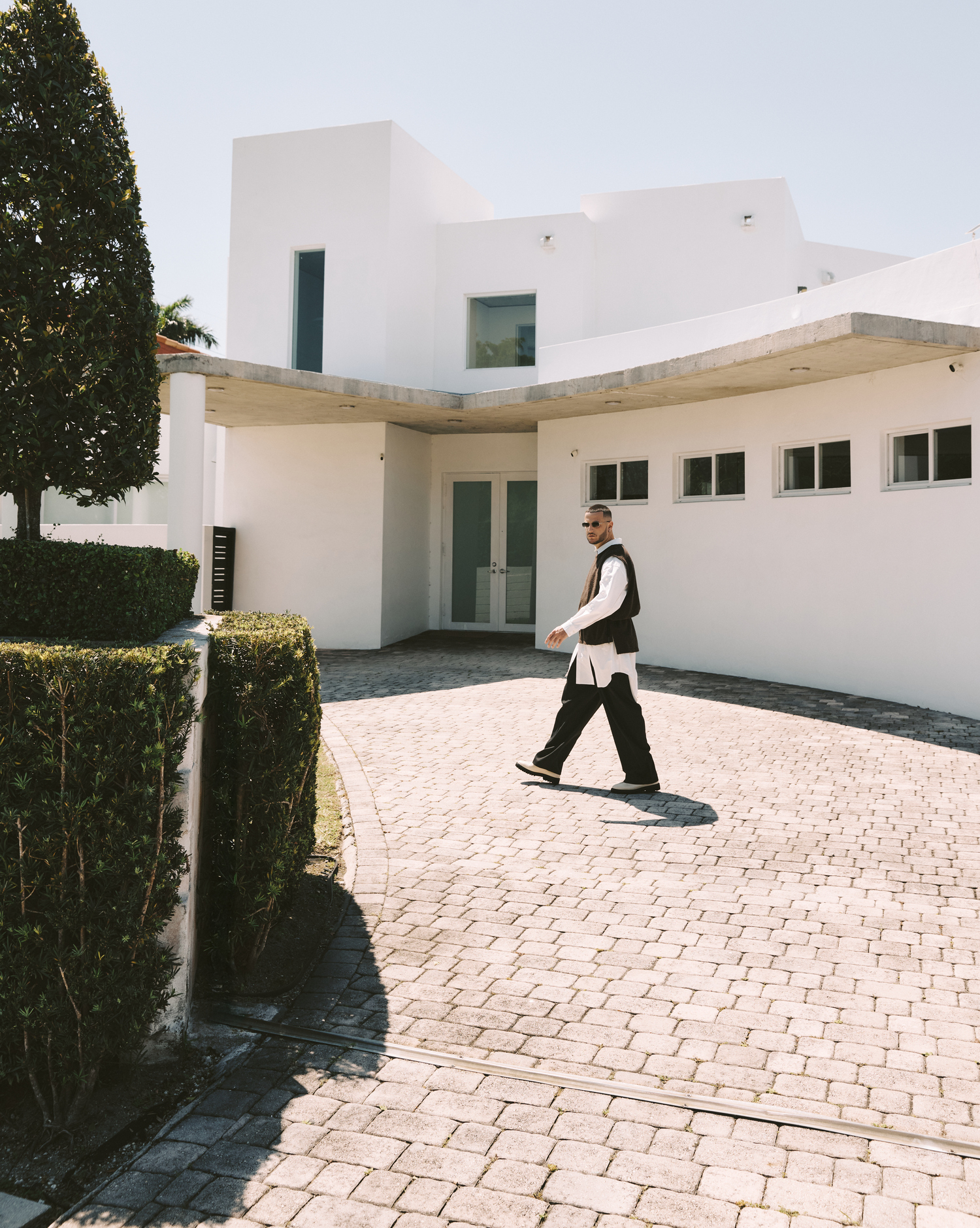
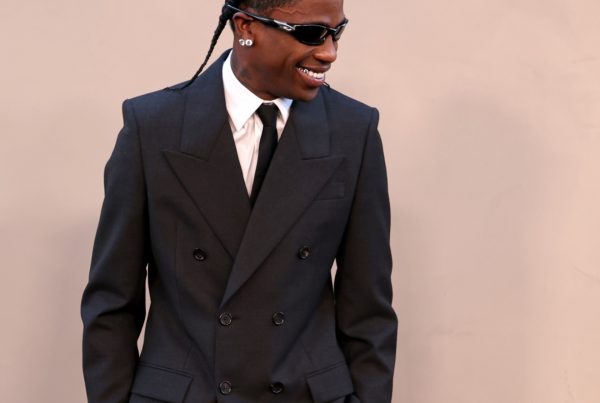
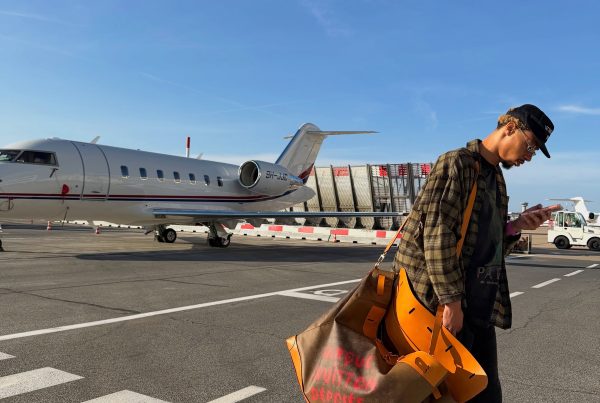
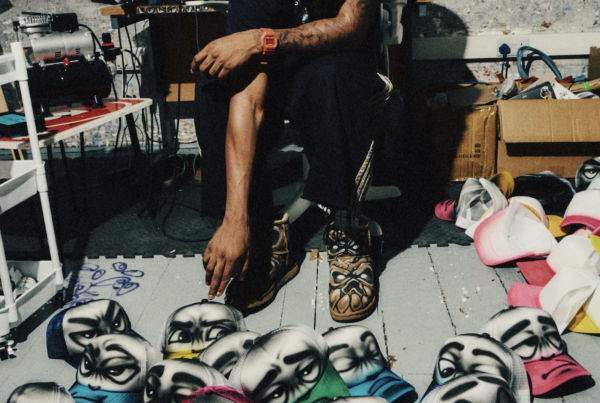
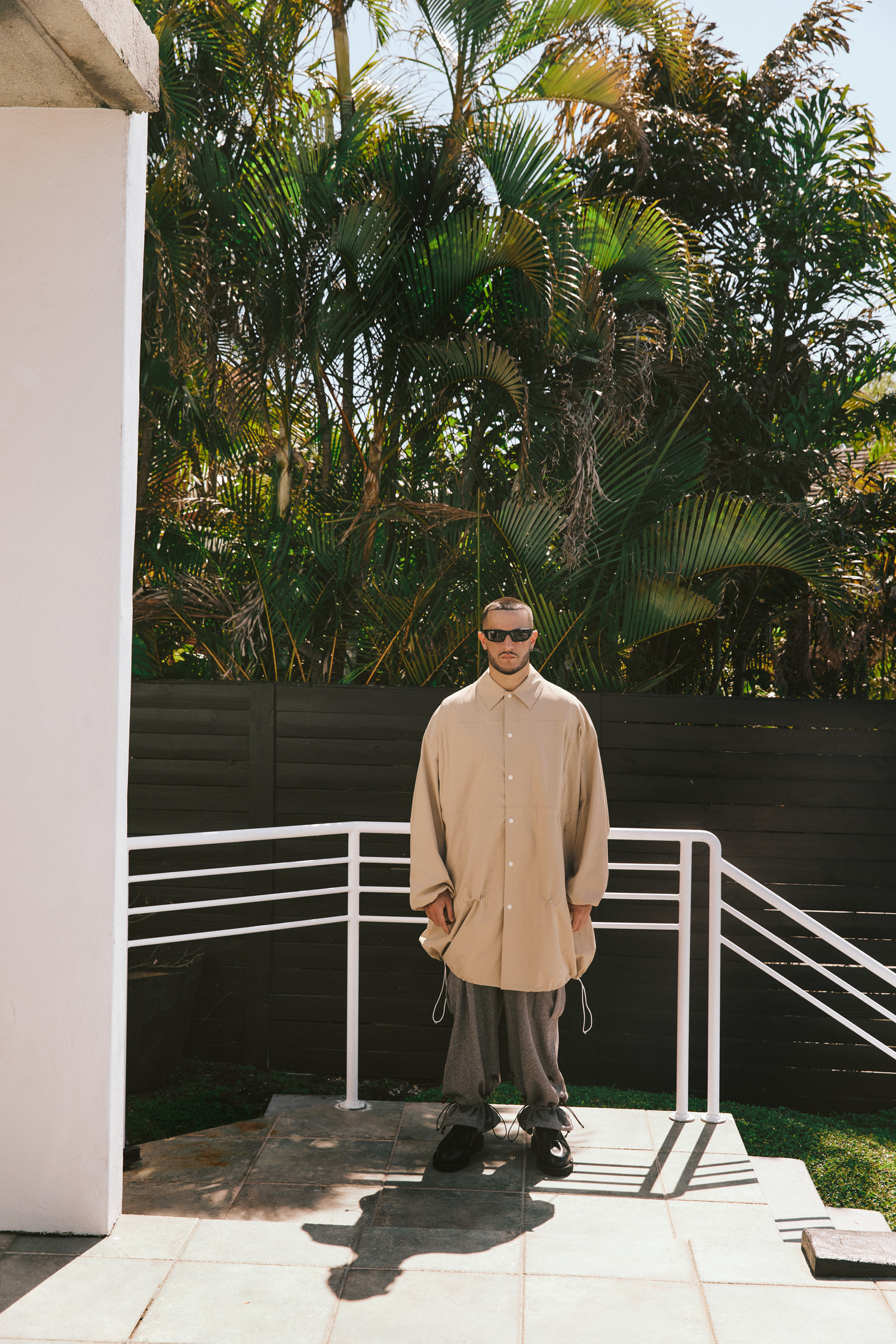
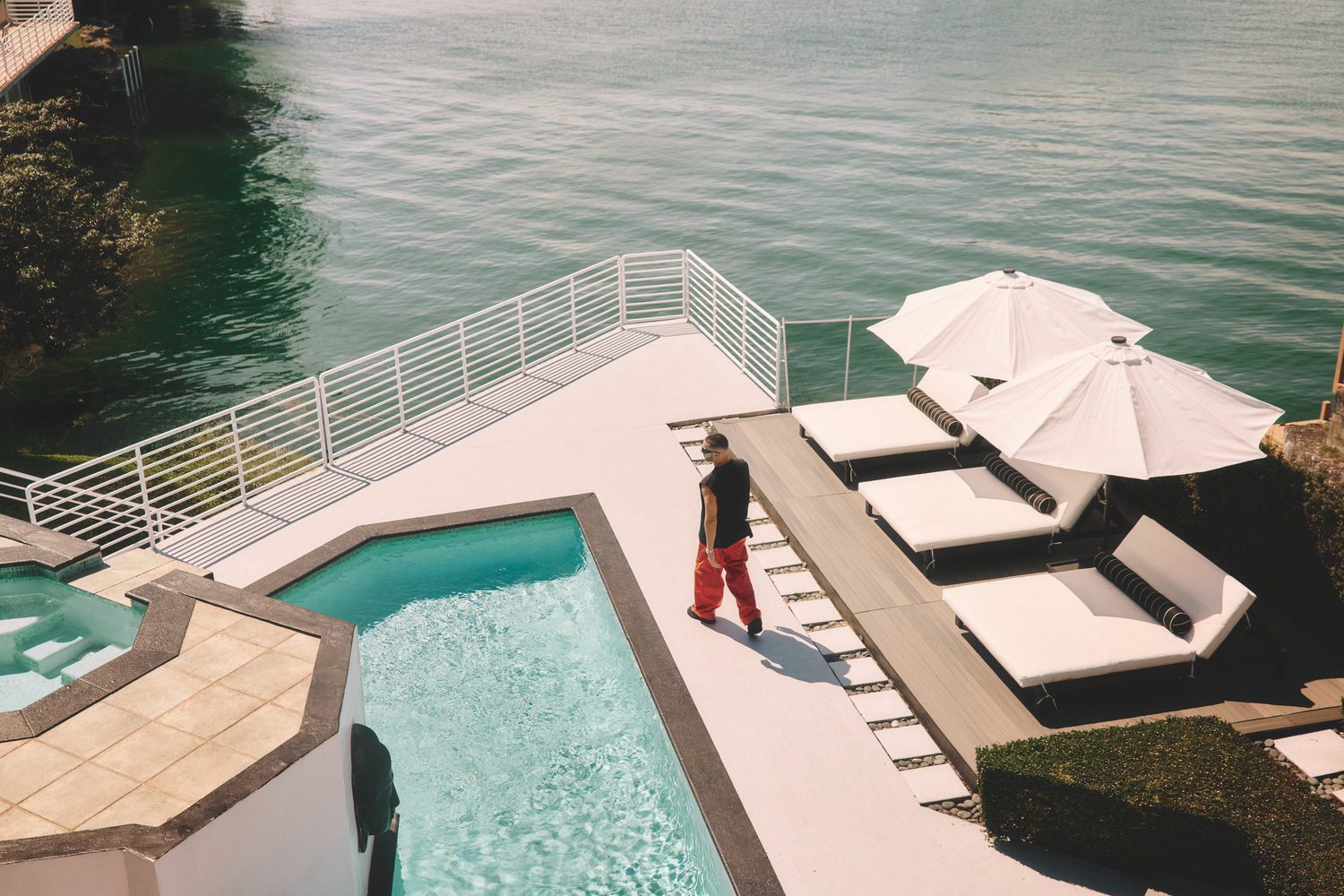
Shirt & Pullover: Wansie / Trousers: Frankie Shop / Shoes – Jacques Solovière Paris
Your shows range from underground clubs to 100,000-capacity stadiums. How do you mentally shift between those environments?
You have to respect the room. A club and a stadium don’t ask the same thing from the artist. A club is more intimate and really spontaneous; it gives you the room to take more risks, change direction, and really play with people. In a stadium, everything has to hit bigger. The mindset changes, but the goal stays the same.
Do you think there is a difference between making a global hit and making something that feels culturally meaningful?
Definitely, a global hit can be everywhere for some time, but that doesn’t always mean it can leave a mark. When a song is culturally meaningful, it stays with people differently and becomes a part of their memories; they can keep coming back to it years and years later. The best situation is, of course, when you have both, and that’s always the goal.
Outside of music, you have expanded into fashion, youth culture, and wider creative projects. Do you think sound has a visual identity now in the same way fashion does?
Yeah, of course! Some music can already have a look to it before you even touch the visuals. You hear certain records, and you already know and feel the attitude, the world, the people and vibe around it. That’s what I love the most: when the sound is strong enough, it already creates its own image.
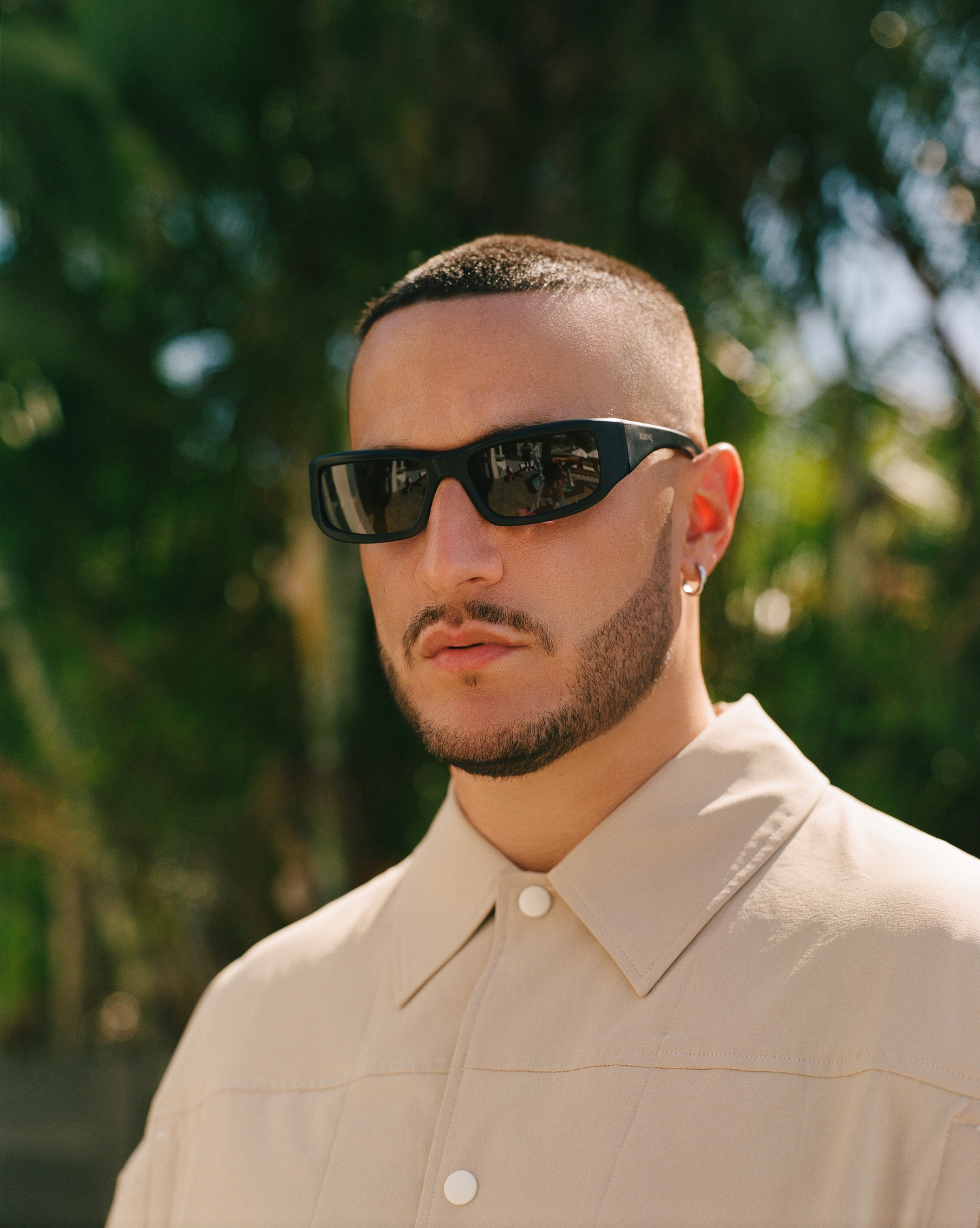
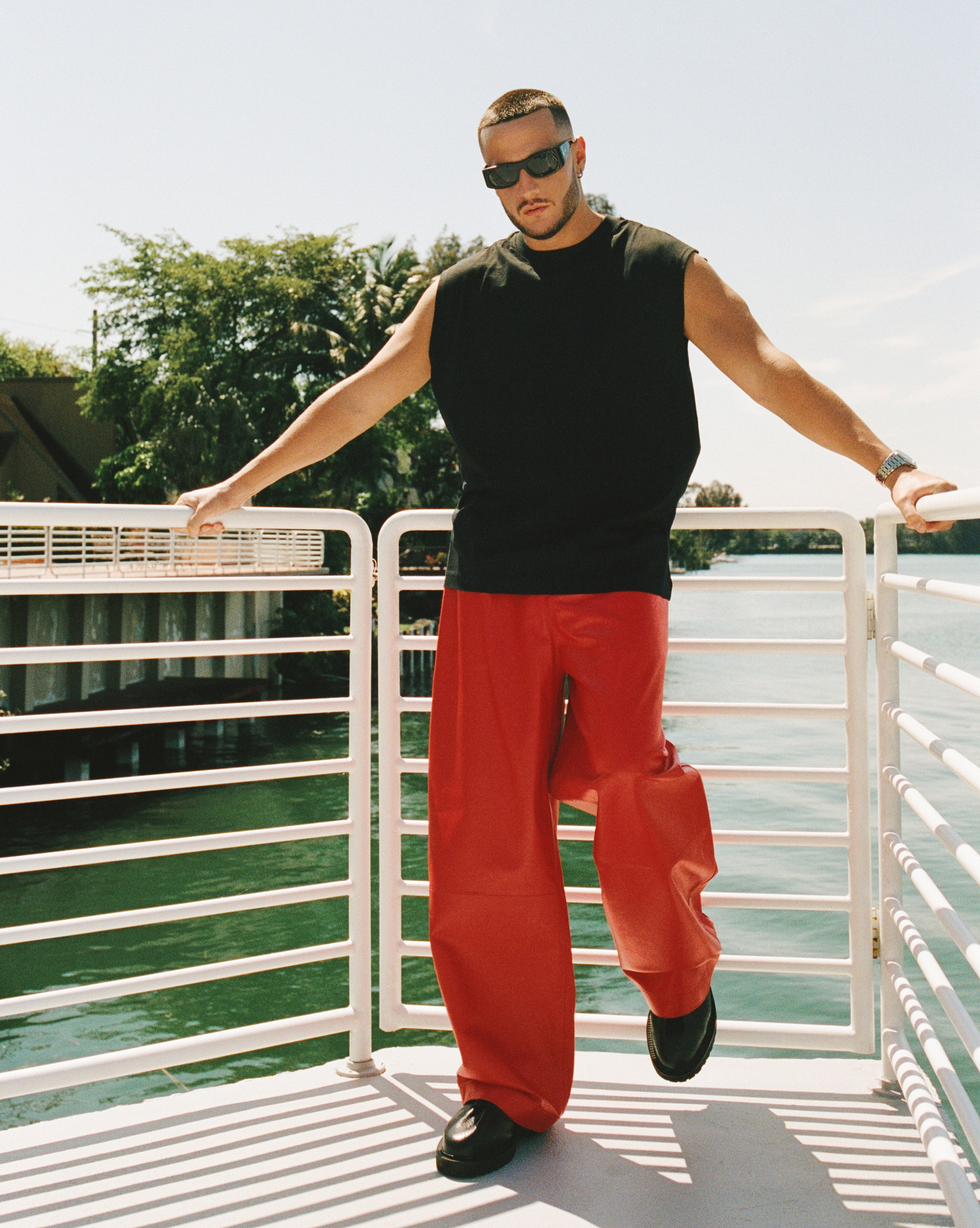
If your career had a silhouette, like a fashion collection, what would this current era look like?
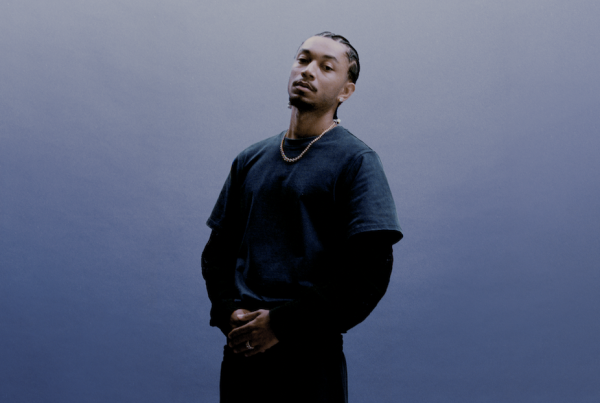
Probably something monochrome, dark and a little worn in. Clean silhouette, but still with attitude. Nothing too perfect, nothing too polished, just pieces that feel like they’ve lived. That’s probably this era for me.
Some of your recent collaborations, particularly with artists like Asake and Damian Marley, tap into a new global energy. What drew you to that sound? And what did you feel was missing in the wider landscape?
What pulls me in is when the music already has a world in it. That’s what I felt with Asake and Damian. It’s not just a sound; it comes with roots and weight inside of it. And I think that’s what’s missing sometimes now, too much music is made just to last a week. But I am more interested in records that carry something honest and don’t fade out over time.
Working with Don Toliver brings a very distinct atmosphere, melodic, immersive, almost cinematic. How do you adapt your production to artists who exist so strongly within their own world?
With artists like Don, the worst thing you can do is overproduce. He already comes with his own atmosphere. My role is to elevate that and protect it rather than trying to overpower it. Sometimes, it is just about finding the right space, the right voice, and details, letting the track breathe without overthinking it too much.
Out of all your collaborations, are there any that changed you creatively, not just professionally?
They’re all so special, but one that I think really stands out is “Cairo Express”. That was one of those moments for me. That mahraganat sound felt like Cairo itself. Loud, chaotic, and unpredictable, yet fully alive. It pulled me into a completely different creative space, and that definitely stayed with me.
And finally, if the last decade was about proving what you could do, what is this next phase really about for you?
The next step for me is about scale, precision and consistency. Over the past year, especially, I have been moving non-stop, with “Nomad”, the live shows, touring, and new music. Now I feel like I am in a space where everything is connected the way it’s supposed to. So now it’s less about proving something and more about building on that in a real way.
Follow DJ Snake
on Instagram