

Inside His Creative World.
Interview: Fernanda Callejo // @fernanda.callejo
Photographer: Jacob Davies // @jacobdaviesmedia
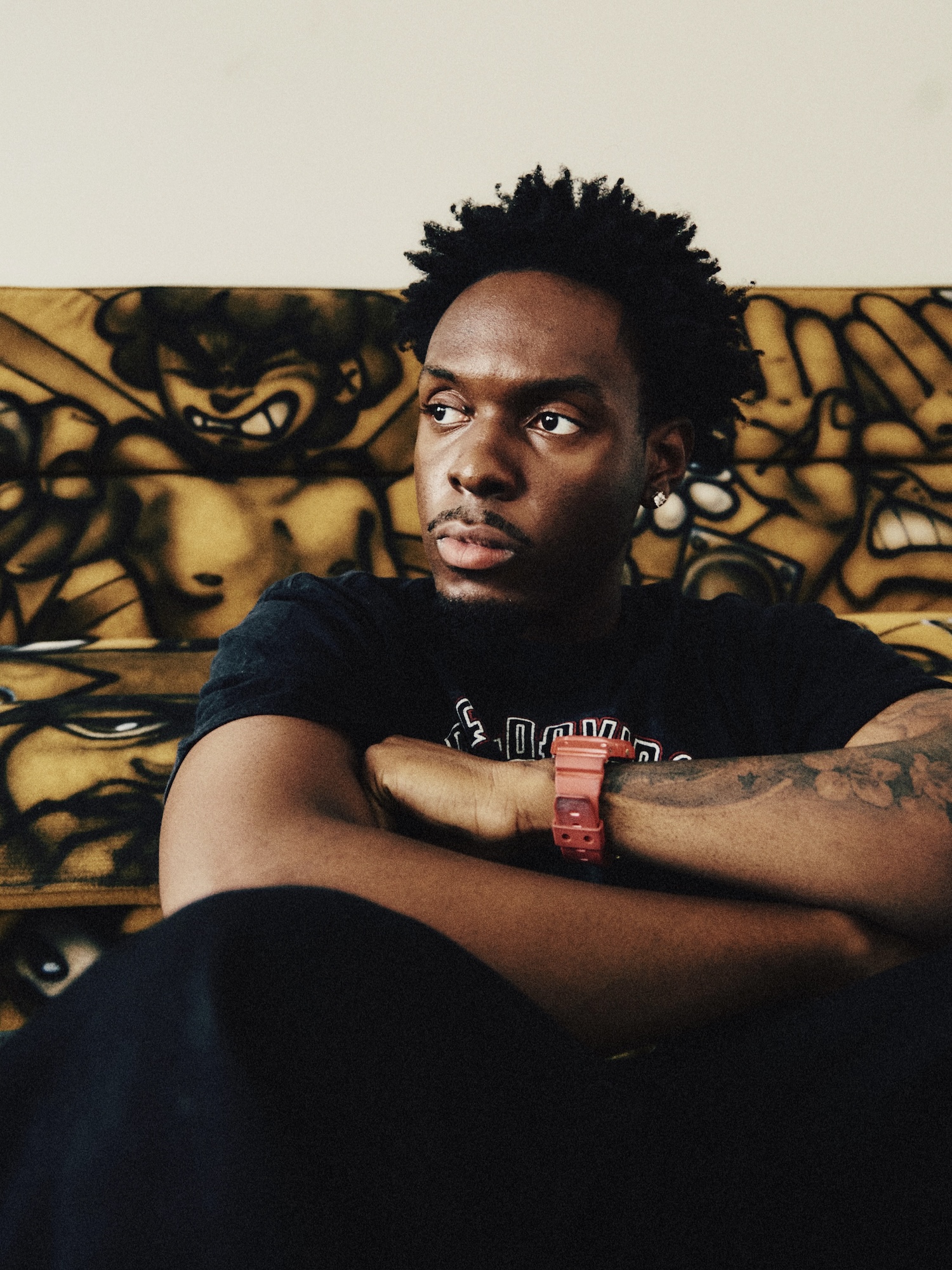
Some people believe you need to have everything figured out before putting an idea, a project or a dream into the world. For artist Joshua, AKA Jusheiy, it seems to be the other way around. What started as a hobby and a world of illustrations made for a screen has gradually evolved into something tangible: wearable pieces, collectible objects and a visual language of its own.
Rooted in music, urban culture and a constant sense of experimentation, Jusheiy is pushing his work beyond the boundaries of digital illustration and into a new space within the contemporary art landscape. PAUSE interviews him to talk about his creative journey, the influences behind his work, and what happens when digital ideas leave the screen and become something you can actually wear, collect and experience.
Hello Jusheiy, can you start by introducing yourself?
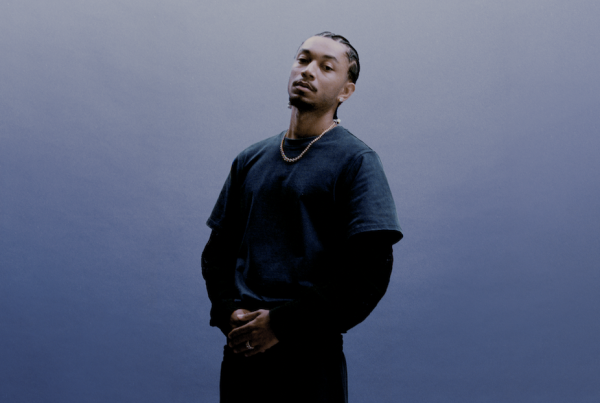
Jusheiy: My name is Joshua, I’m a 22-year-old Nigerian artist based in the UK. I work across illustration, airbrushing, fashion and just creating things in general. I’ve never really wanted to stick to one medium, so I’m always experimenting and trying to find new ways to bring my ideas to life.
You started with digital illustrations, How did it begin? Was it a hobby or did you already have a set goal?
J: It was honestly just something I did as a hobby. Digital was easier for me because when I was younger I didn’t really have access to loads of physical art materials, so I just worked with what I had. I wasn’t really thinking about becoming an artist or anything at the time, I just liked making stuff.
Tell us something about the process of creating an illustration that most people probably don’t know.
J: I think people probably don’t realise how much experimenting goes into one illustration. Even if the final thing looks quite simple, I’m usually trying loads of different expressions, shapes and little details before I settle on what actually feels right.
Do you have a favourite commission so far? Tell us about it.
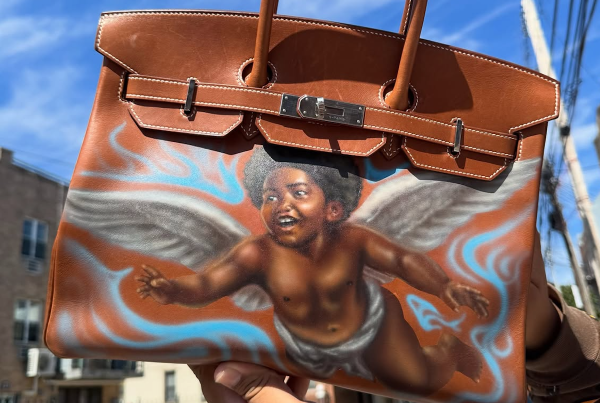
J: Probably the custom Goyard bag I did for a client. I really liked that one because I was taking something that already looked good and putting my own spin on it. I had quite a lot of freedom with the design, so I could really have fun with it
Has what influences your work shifted at all since you started, or is it still mainly music-driven?
J: Yeah, music still plays a big part in it for me. I’m also just really inspired by different ideas that make people stop and think, like “wow, I’ve never seen that before.” That’s probably what I’m always trying to achieve with my own work.
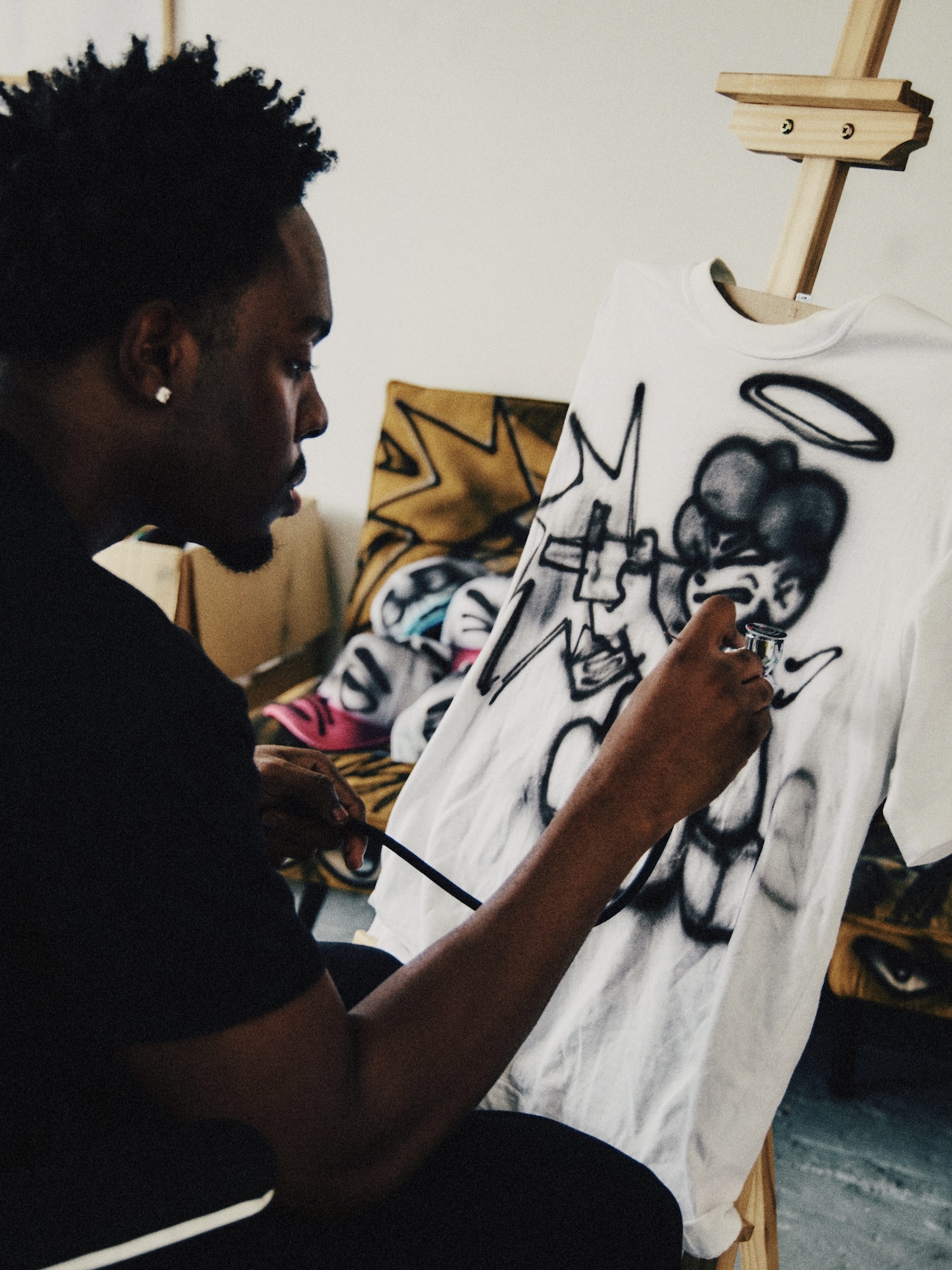
What was the inflection point that pushed you from digital to physical work?
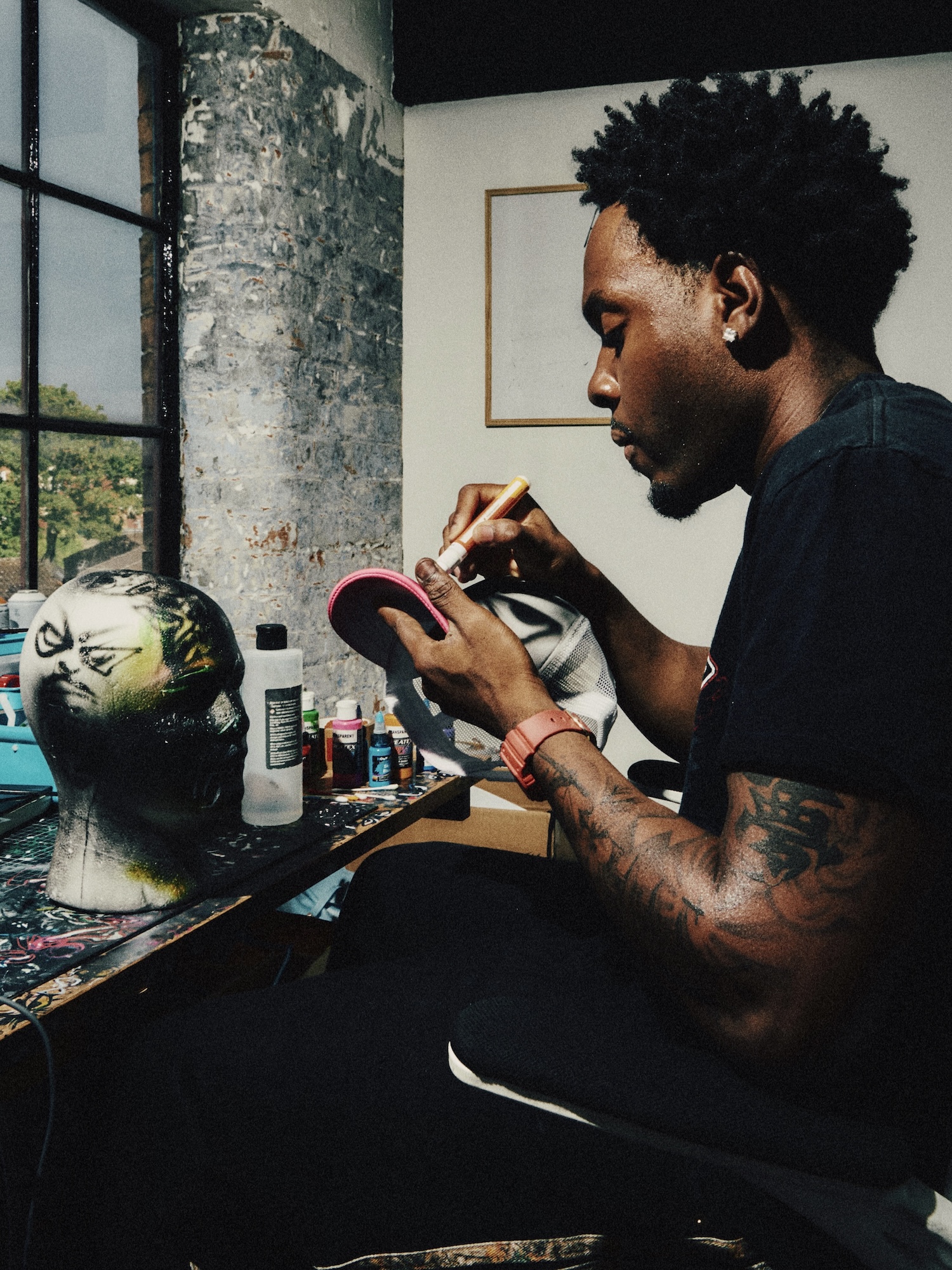
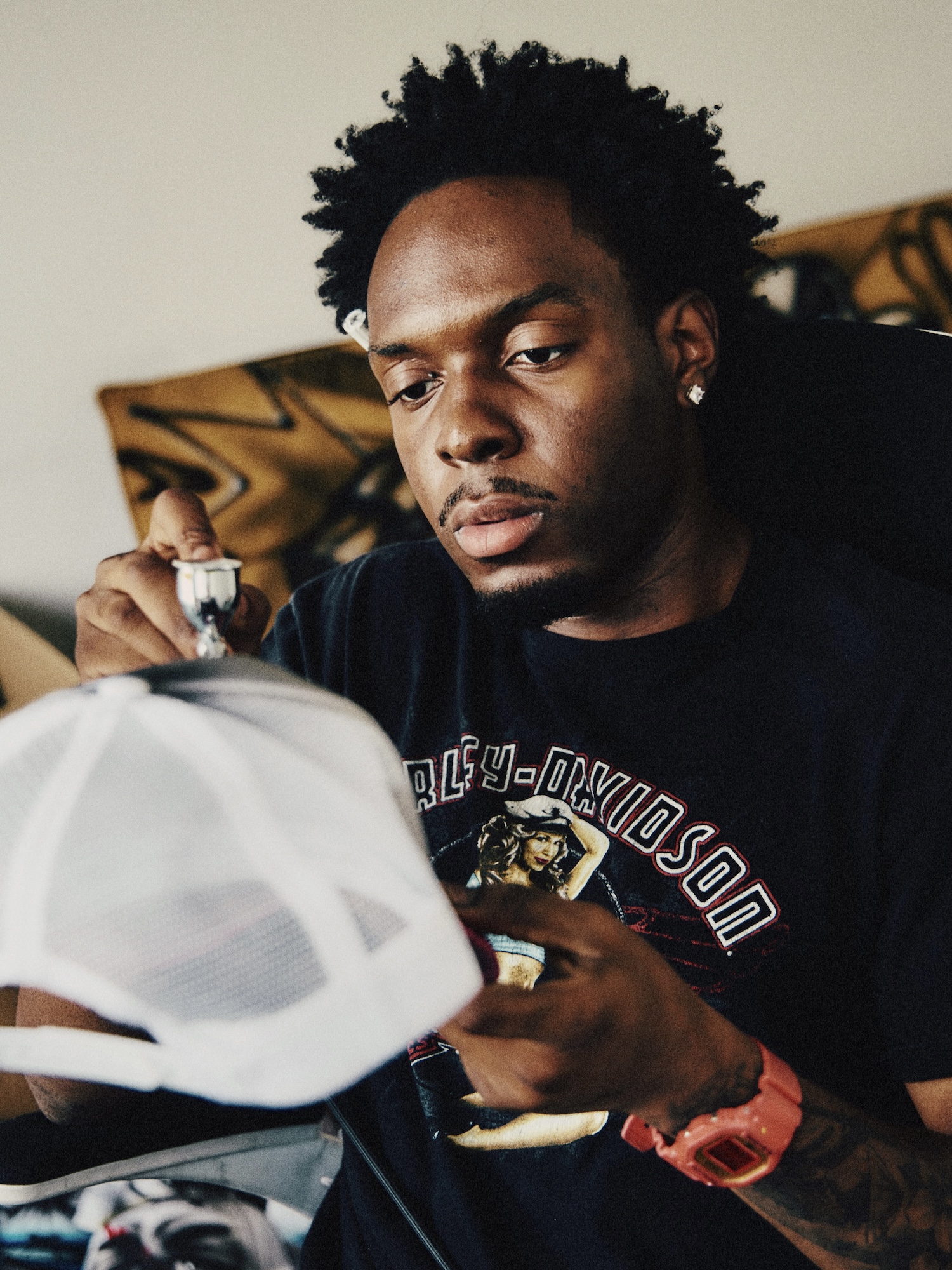
J: I think I just wanted my art to exist physically. I tried doing prints, but there’s only so big you can really make a print. I also don’t really connect with traditional painting, so I started looking into airbrushing. I hadn’t really seen too many people around me doing it, so I thought it was something I could really make my own.
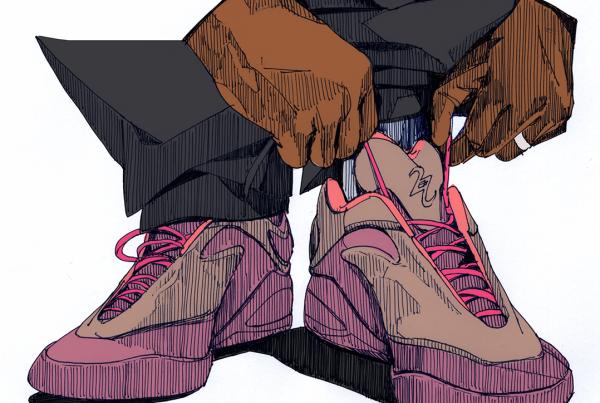
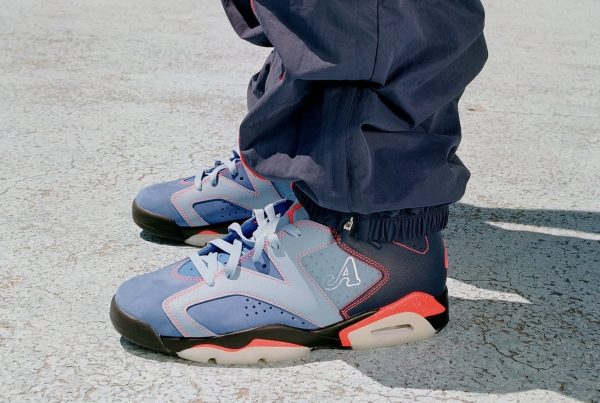
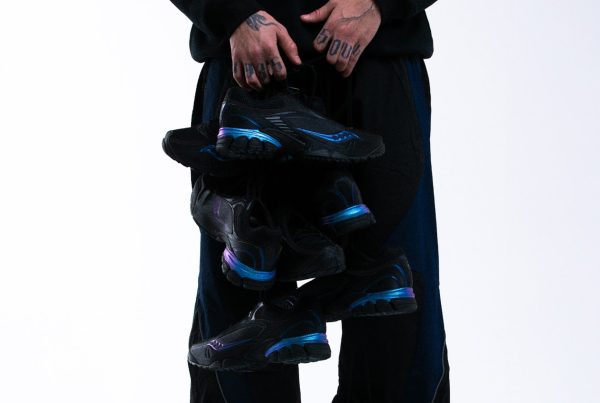
Now that your art lives on beanies, wallets, and shoes, How different is designing for a garment versus designing on screen?
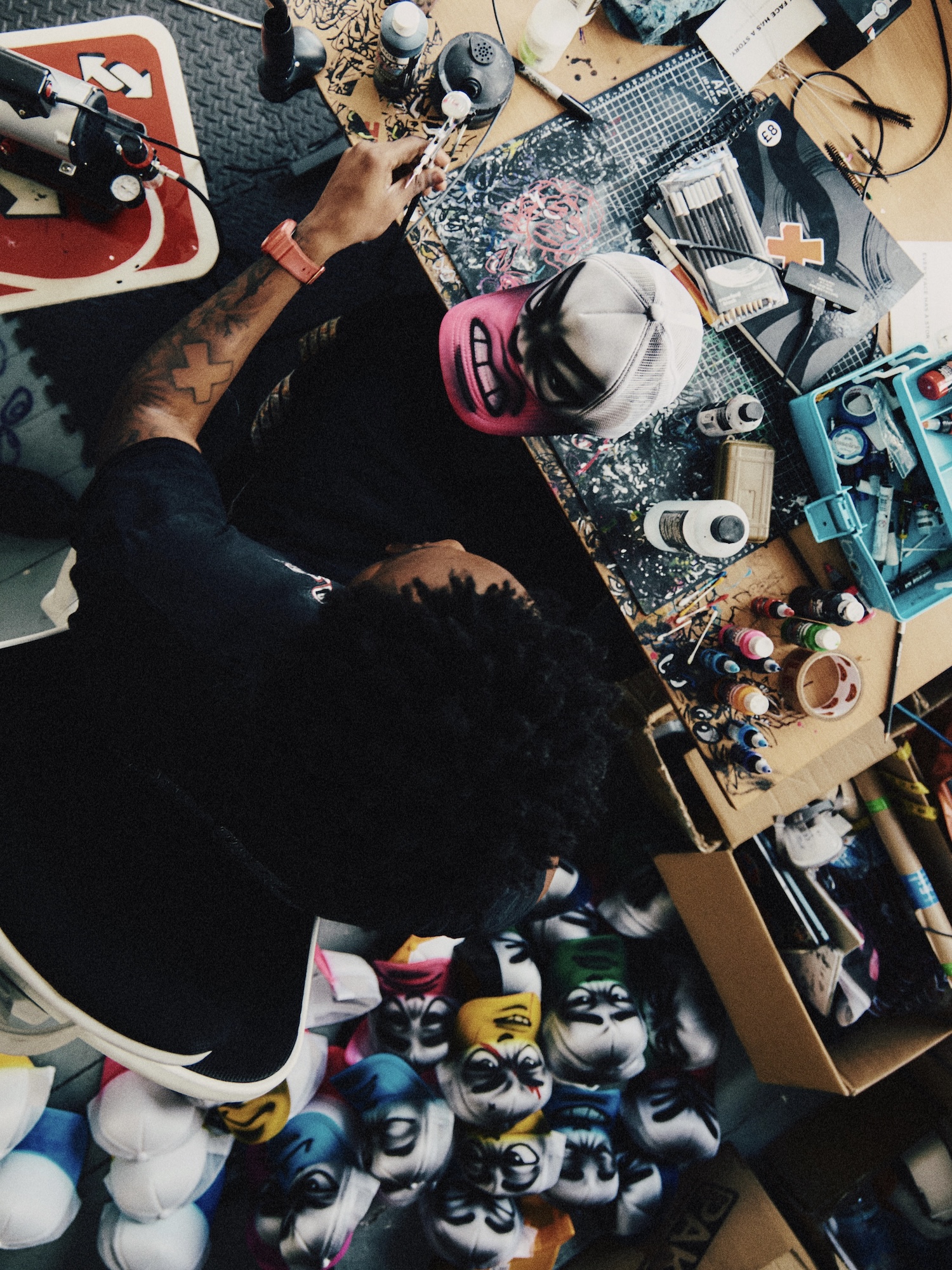
J: Working on garments definitely takes a lot more materials because with digital everything I needed was basically right there. It’s also different in terms of convenience. With digital I could work pretty much anywhere, whereas now I have to actually be at the studio, set everything up and have all my materials around me. But I do like that side of it because it makes the process feel a lot more physical.
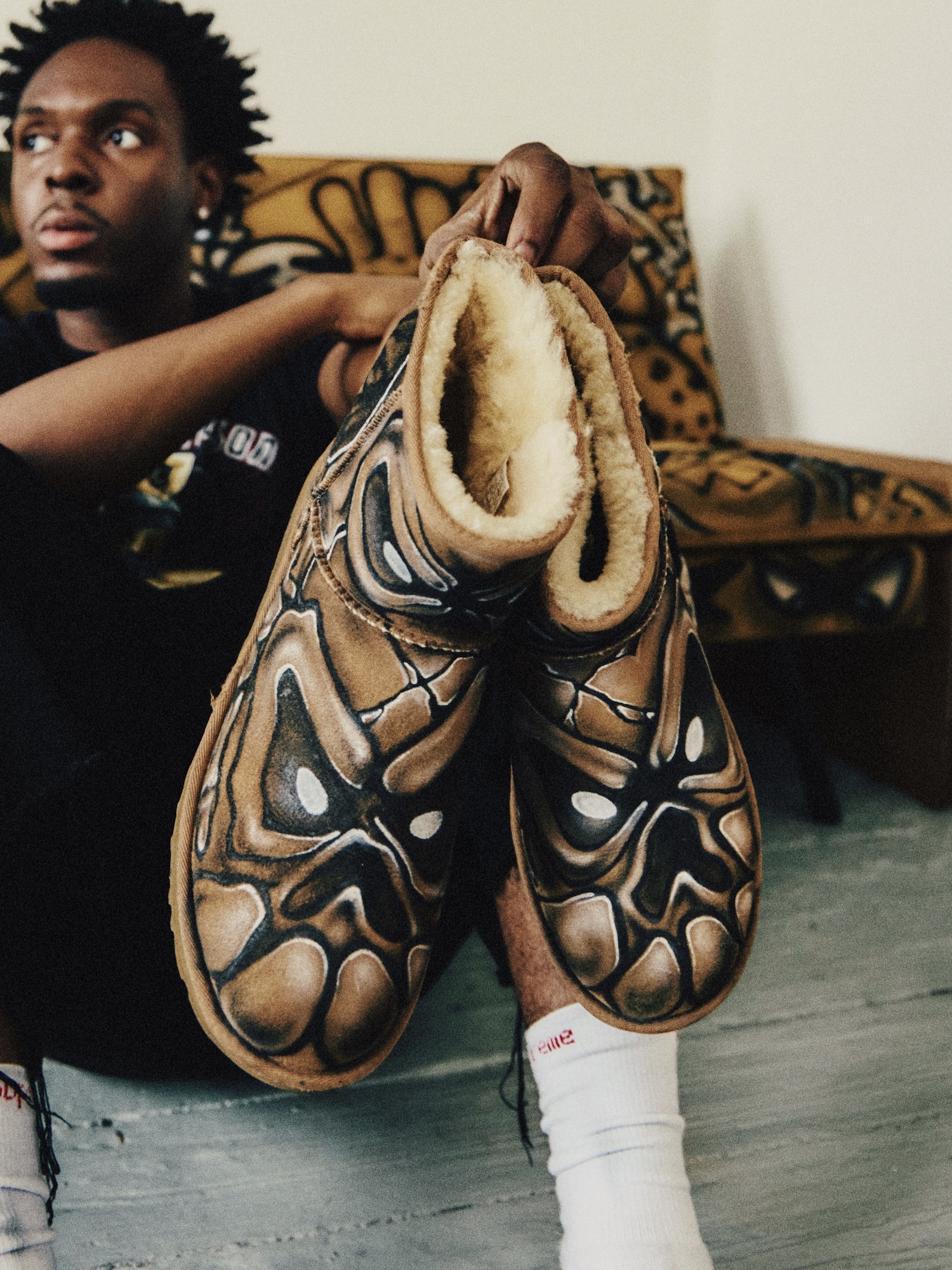
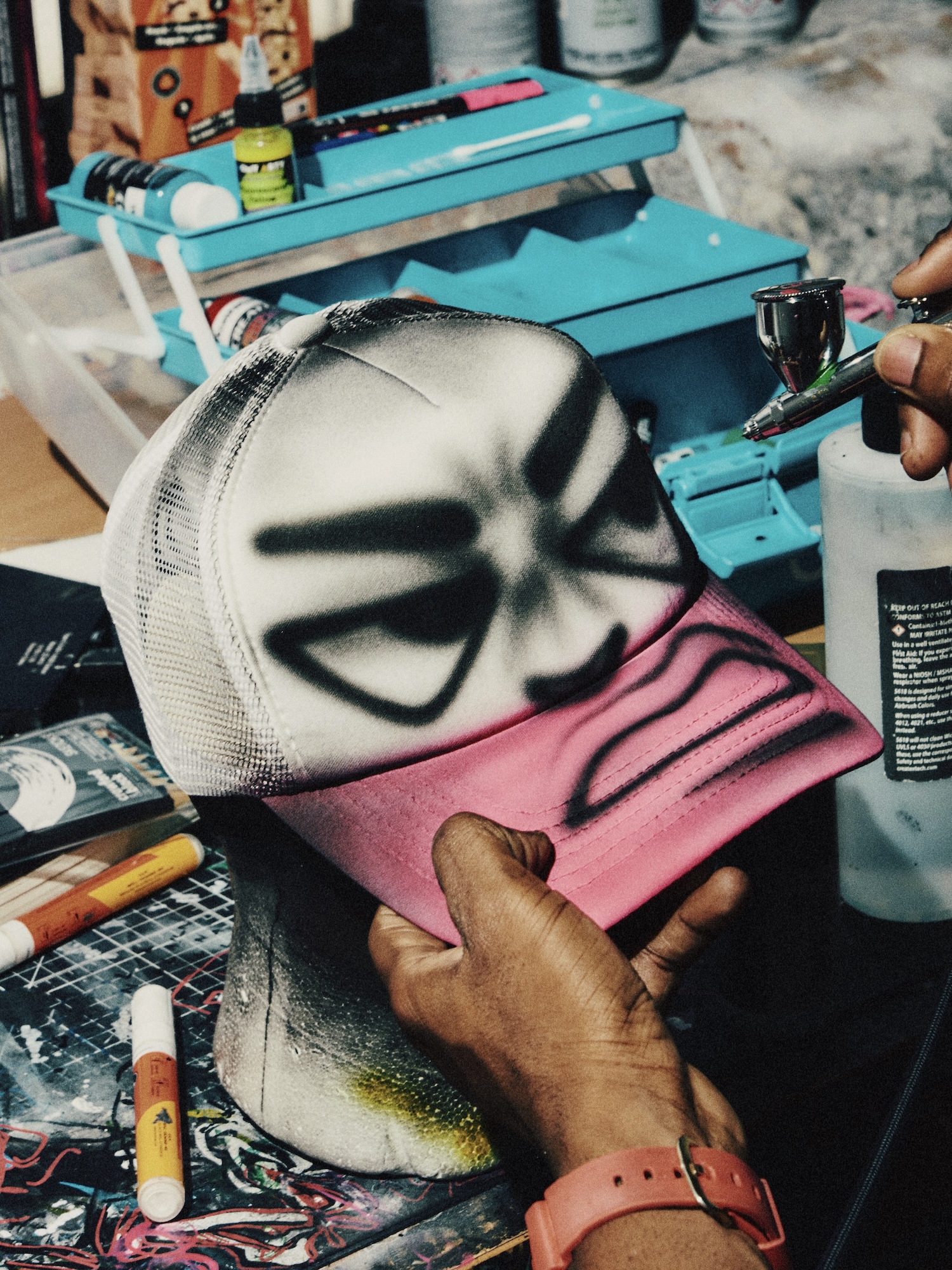
Did you run into any surprises translating your style into physical materials like fabric or leather?
J: 100%. With digital, you have so many tools that make certain things a lot easier. When I started working on physical materials, I realised how much more control you actually need, especially with fabric. You can’t just undo something or change it instantly like you can digitally, so being able to properly control my airbrush became a skill in itself.
Does turning your art into wearable products change how you see yourself, more “artist” or more “brand” these days?
J: I feel like I’m just an artist that creates cool stuff. Obviously turning my work into products has made me think about the business side more, but I don’t really see myself as a brand. I just like creating things by that I think are cool and finding different ways to bring them to life.
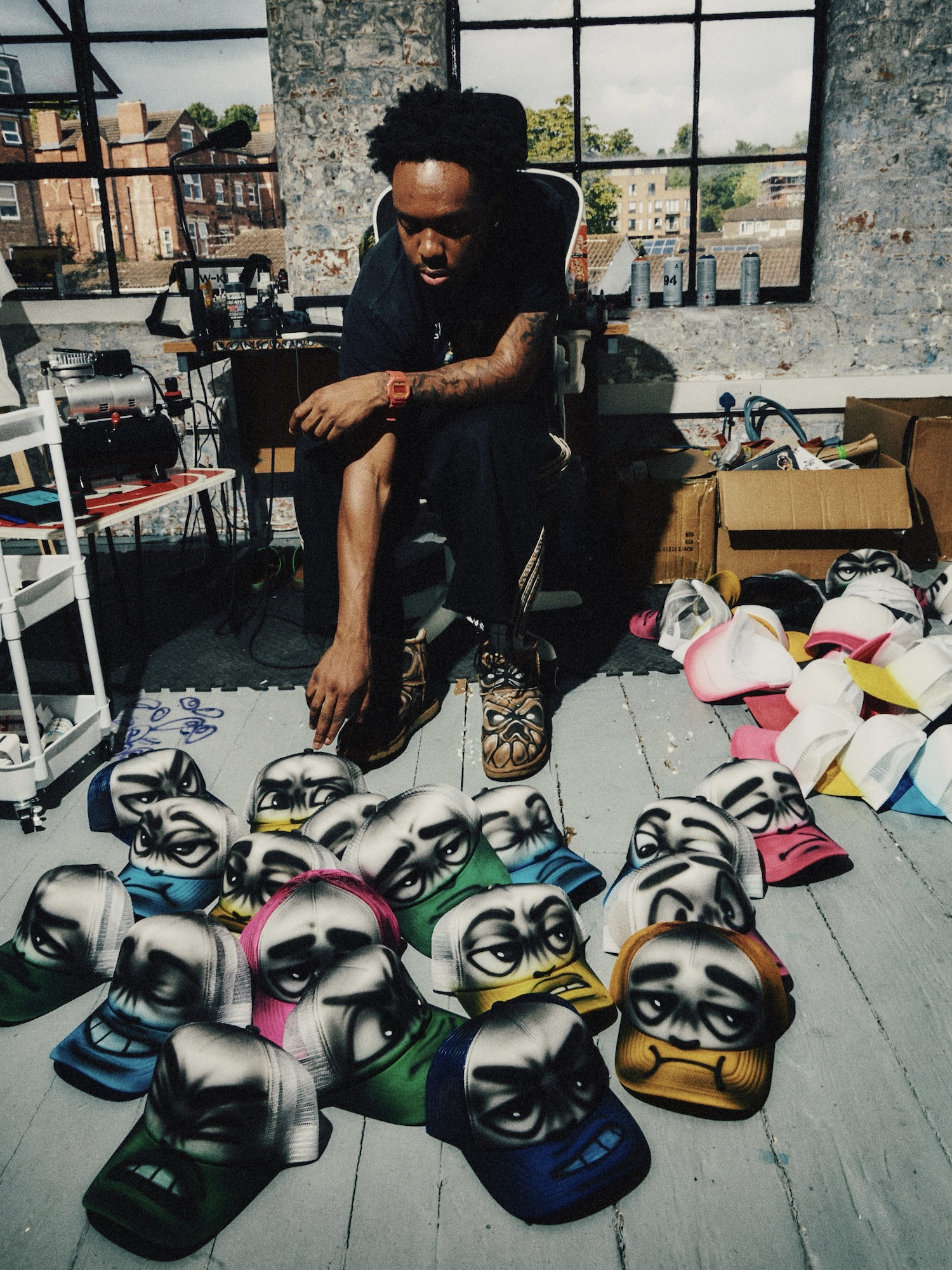
You mentioned in other interview learning 2D animation to bring your characters to life, How’s that going?
J: Nah, I left that a while ago. At that point I was still trying to figure out my footing and what direction I actually wanted to go in and stick with. 2D animation takes a lot of time and dedication, so I realised it wasn’t really where I wanted to put my energy. Big up all the 2D animators though.
With merch now in the mix, is the hardest part of the job still the screen time and eye strain, or has that changed?
J: Absolutely. I think the hardest part now is probably still the screen time and eye strain, but also the stress that comes with everything. Before, I was mainly just focused on making the art, but now there’s a lot more that comes with it.
What are your thoughts on the current landscape of urban art, Do you feel like being original is almost impossible now?
J: I don’t really think anything is original anymore. Everything is kind of regurgitated in some way, especially with how much we’re exposed to online. I think the interesting part is what you do with those influences and how you put things together in your own way.
Beyond garments, is there another format you’d want to take your art into next?
J: Definitely more random stuff and working on a much bigger scale. I just want to keep experimenting and making things that I think are cool, instead of limiting myself to one type of work.
What would you say to someone starting their journey now as an artist?
J: Just keep making stuff. I think it’s easy to get caught up in trying to figure out what your style is or what direction you’re supposed to go in, but I feel like you figure that out by actually doing the work. Try different things, make stuff you think is cool and don’t be too scared to change direction.