










































Personal safety devices used to look unmistakably medical. Beige plastic, a red button, and a hospital finish told everyone exactly what the wearer was carrying. That design language is changing fast, and men who care about how things look are starting to notice.
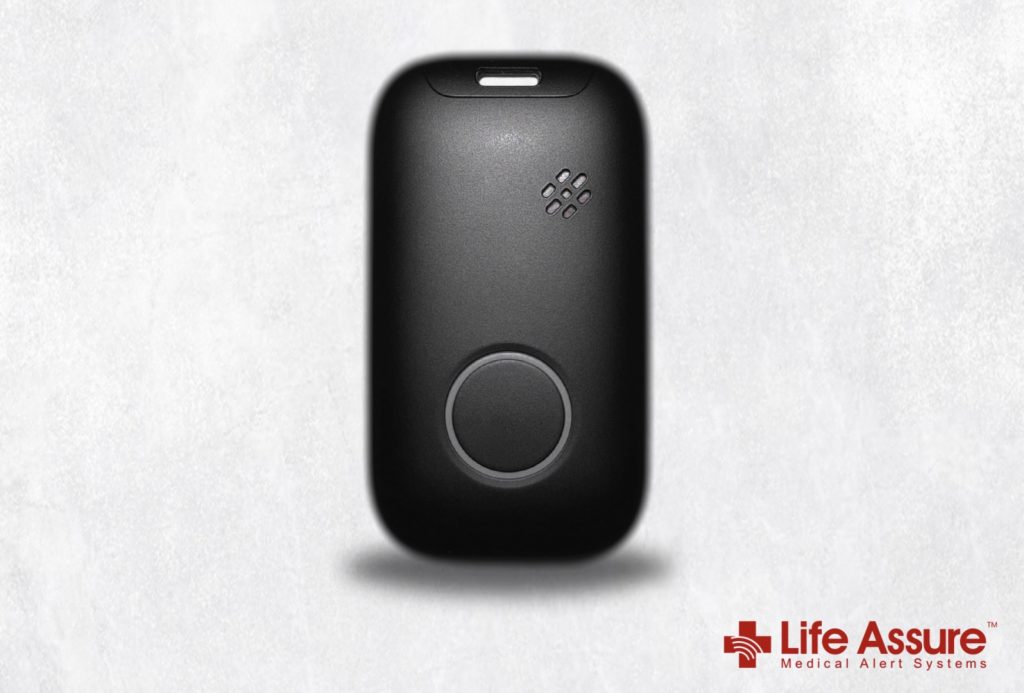
The newest safety wearables borrow cues from watches, minimal jewellery, and matte tech accessories. A discreet Canadian-designed option like the Life Assure panic alarm shows how far the category has moved, and the same design thinking now reaches buyers across the UK. This piece looks at what a design-minded shopper should judge before wearing one, or buying one for a parent.
Why Has Safety Tech Started to Look Like an Accessory?
Buyers finally refused to wear anything that looked clinical. Younger carers and older adults both wanted a device that reads as an accessory, not a diagnosis.
Wearing tech on the body is now normal. Pew Research data found that about 21% of adults already wear a smartwatch or fitness tracker. Once a category becomes something people wear in public, design stops being optional.
That matters for a reader who already tracks 2026 menswear trends. Matte finishes, rounded corners, and neutral colours have replaced the glossy beige of older units. A safety device now sits in the same mental drawer as a watch, and it should look intentional.
What Should You Look for In the Form and Finish?
Focus on the same details you would judge on any accessory. Finish, weight, proportion, and how the device attaches all decide whether you actually wear it.
- Finish: Matte beats gloss. A soft-touch black or graphite hides scratches and reads as tech, not medical kit.
- Weight: Aim for roughly 40 grams or less. Anything heavier pulls on a collar and gets left in a drawer.
- Proportion: A footprint near a large watch face feels balanced. Bulk is the fastest way to look clinical.
- Button design: One clear, recessed button is ideal. It should be easy to press on purpose, hard to trigger by accident.
- Attachment options: Look for a slim cord, a wristband, and a belt clip in the box. Each suits a different outfit.
- Colour choice: 2 or 3 restrained colours beat a rainbow. Neutral tones layer with more clothing.
Good design here is quiet. If a stranger reads the device as a small gadget rather than an alarm, the design has done its job.
How Does a Modern Safety Wearable Wear Day to Day?
It should disappear into an outfit. The best devices sit flat, stay light, and move with you instead of swinging around.
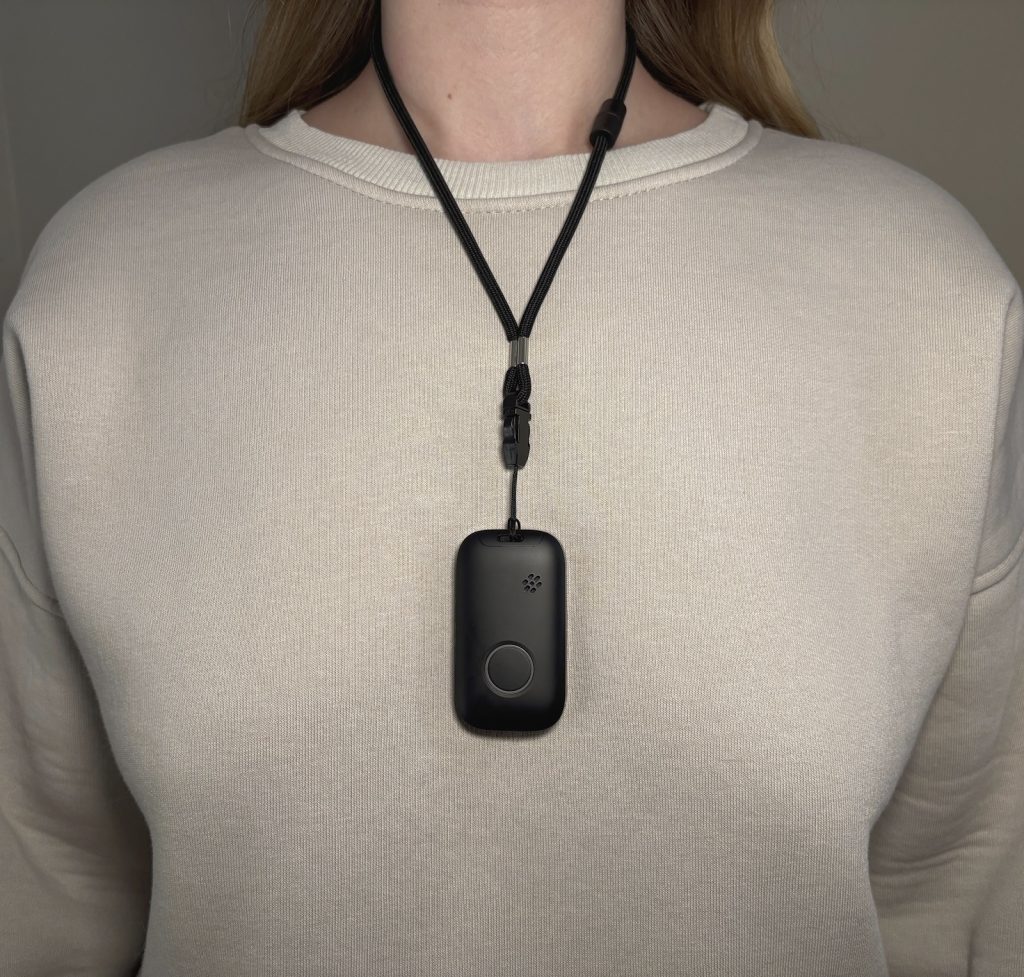
Worn as a pendant, a slim device rests on the sternum like a short necklace. A cord around 70 centimetres keeps it under a crew neckline or just above it. Layered under a knit, it reads as nothing more than a cord.
Comfort decides long-term use. A rounded back with no sharp edges stops the device catching on fabric. Water resistance around IP67 means it survives rain, a sink splash, or a shower without drama.
Which Wearing Styles Suit Different Outfits?
There is no single right way to wear one. Match the format to the outfit and the wearer’s daily routine.
| Wearing style | Best outfit context | Visibility |
| Slim cord pendant | Casual knits, crew necklines | Low, sits under fabric |
| Wristband | Active days, gym, gardening | Medium, like a fitness band |
| Belt clip | Tailored trousers, workwear | Very low, fully hidden |
| Pocket carry | Smart-casual, jackets | Hidden until needed |
A design-led buyer often owns two of these formats. A cord for home and a clip for going out covers most days. This mirrors the way everyday accessories get rotated by occasion rather than worn on repeat.
What Should You Check Before Buying One for a Parent?
Design still comes first, because a good-looking device is one your parent will keep on. After that, check the practical specs that keep it reliable.
An ageing population makes this a mainstream purchase, not a niche one. UK ageing data from the Office for National Statistics projects people aged 65 and over will reach 26% of the population by 2066. That is up from 18% in 2016. More parents living alone means more families weighing these devices.
Battery life is the quiet dealbreaker. A charge that lasts 5 to 7 days keeps the routine simple. Strong devices also connect to a monitored line within about 30 seconds and run 24/7.
Before you commit, confirm these three basics:
- Water resistance rated near IP67 for daily wear.
- A charge that comfortably lasts a full week.
- Monitoring coverage that works in your parent’s country.
Design Points Worth Remembering
- A matte, watch-sized device gets worn far more than a bulky clinical unit.
- Keep weight near 40 grams so the device does not tug on a collar.
- Choose neutral colours that layer with existing clothing.
- Buy formats to match routine: a cord for home, a clip for going out.
- Water resistance around IP67 handles rain and daily splashes.
- Check battery life and 24/7 monitoring before design ever tips the choice.
Where Style Meets Everyday Safety
Safety wearables have earned a place next to the watch and the everyday carry pieces. When a device looks considered, it stays on, and that is the whole point. Judge it on finish, weight, and fit first, then trust the specs to back the design up.
Frequently Asked Questions
Do safety wearables really look like normal accessories now?
Many do. Modern units use matte finishes, soft curves, and neutral colours that read as minimal tech. Worn on a slim cord, a good one passes for a short pendant.
How heavy should a wearable safety device be?
Aim for around 40 grams or less. Heavier devices tug on clothing and end up unworn. Light weight is one of the strongest predictors of daily use.
Can these devices survive rain and showers?
Most quality models carry water resistance near IP67. That covers rain, sink splashes, and short shower exposure. Always check the exact rating before wearing one in the shower.
Is design a fair thing to prioritise for safety kit?
Yes, within reason. A device only protects someone who wears it, so comfort and looks drive real use. Confirm battery life and monitoring first, then let design settle the final pick.