







 If you’ve been paying even a little attention to fashion lately, you’ve probably noticed something: the early 2000s are everywhere again. Not in a subtle, nostalgic way, but in a loud return of silhouettes, fabrics, and styling choices that once defined an entire era.
That’s why so many people keep asking the same question: what are Y2K clothes, exactly?
The easiest answer is that Y2K clothes are the pieces associated with fashion at the turn of the millennium, roughly from the late ’90s to the mid-2000s. But that definition only tells part of the story. Y2K is not just a date range or a set of garments. It’s a whole visual attitude.
It came from a moment when fashion felt less restrained, less polished, and much more interested in experimentation. Clothes weren’t trying to look timeless. They were trying to look exciting.
What Actually Defines Y2K Clothes
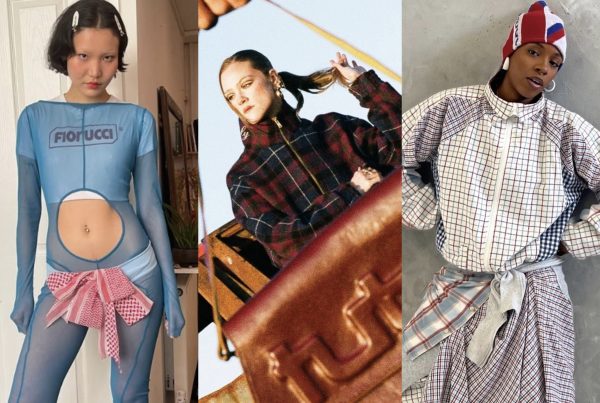
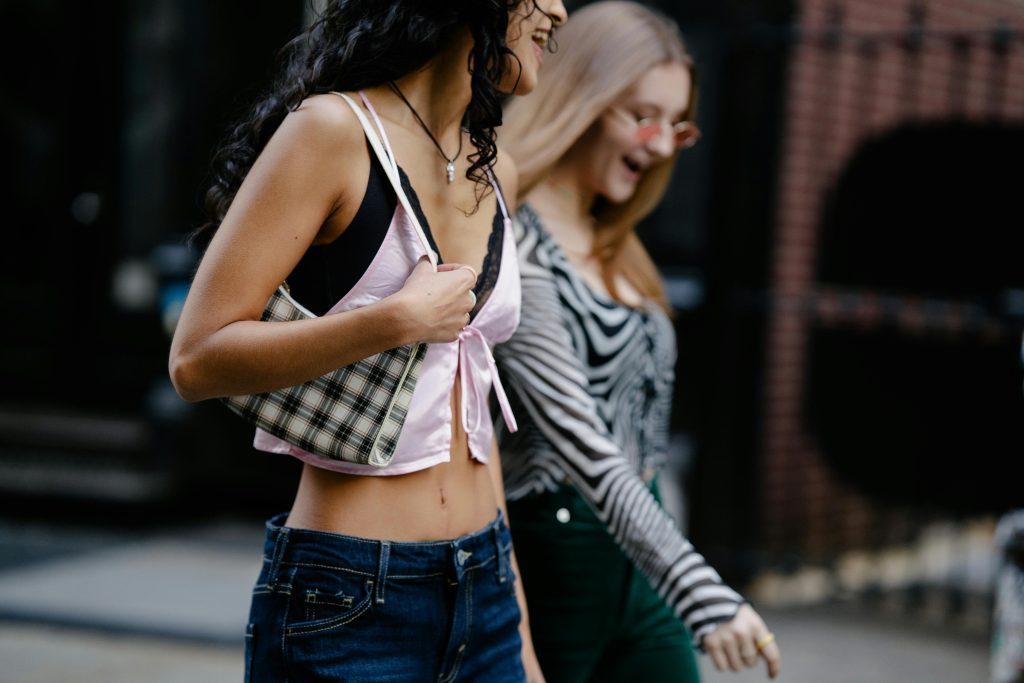
What makes Y2K fashion instantly recognizable is its refusal to be subtle. It plays with excess in a way that still feels specific: low-rise silhouettes, shiny textures, fitted tops, denim, logos, and pieces that look slightly futuristic, slightly playful, and sometimes intentionally overdone.
There’s usually a kind of tension in the styling. Something sporty gets mixed with something glam. A casual piece is paired with something tiny, flashy, or hyper-feminine. It’s rarely about classic balance. It’s more about energy.
That’s also why Y2K clothes still feel different from other nostalgic revivals. They don’t depend on clean coordination. They work through contrast.
A pair of baggy jeans with a tiny top. A velour tracksuit styled like an outfit, not loungewear. A mini skirt with a very simple tank, but finished with accessories that make the whole thing feel louder. The pieces themselves matter, but the attitude behind them matters more.
Why the Silhouette Matters So Much
A big part of the Y2K look comes down to proportion. The era had a very specific way of shaping the body through clothes, and that’s one of the reasons it remains so recognizable now.
Low-rise jeans are probably the clearest example. They changed how outfits were built. Once pants sat lower on the hips, tops naturally got shorter, fits became tighter in some places and looser in others, and the whole silhouette shifted away from the more balanced proportions that came later.
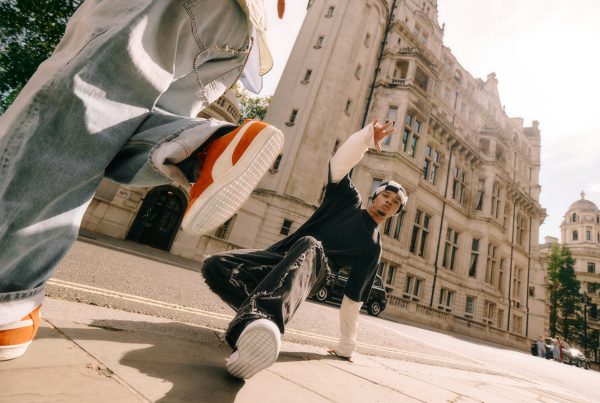
That idea runs through a lot of Y2K dressing. There’s often something exaggerated in the fit, whether it’s a very cropped baby tee, oversized denim, a short skirt, or a tracksuit cut close to the body. Nothing feels neutral. The shape is always doing something.
The Mood Behind the Clothes
Y2K fashion also makes more sense when you think about the culture around it. These clothes were shaped by pop music, celebrity styling, nightlife, teen media, and the first years of internet culture. There was a collective obsession with what the future might look like, and that filtered into fashion in a very direct way.
You can see it in the fabrics, in the metallic details, in the shiny finishes, in the general sense that outfits were meant to be seen. Even when the clothes were casual, they still felt performative. They had presence.
That’s part of why the aesthetic works so well again now. Fashion today is still deeply tied to image, and Y2K clothes were always highly visual. They were made to stand out.
Why Y2K Clothes Came Back
The return of Y2K fashion isn’t only about nostalgia, even if nostalgia is obviously part of it. It also arrived at the right moment.
After years of minimalism, neutral palettes, and understated styling, people wanted something with more personality. Y2K answered that almost perfectly. It brought back color, playfulness, and a sense of freedom that felt missing from more controlled trends.
Social media helped push it even further. Y2K pieces read instantly on screen. A baby tee, a shiny bag, a low-rise fit, a tinted pair of sunglasses — all of it is recognizable in a second. The aesthetic is highly visual, which makes it easy to circulate and easy to reinterpret.
But what really kept it alive is that people didn’t revive it exactly as it was. They adapted it.
How Y2K Clothes Are Worn Now
The current version of Y2K is usually less literal than the original. People still wear the same core pieces, but they style them differently. It feels a little more edited, a little more self-aware.
Instead of dressing head-to-toe like it’s 2003, most people take one or two recognizably Y2K elements and work them into a more modern wardrobe. That might mean pairing low-rise denim with a cleaner jacket, or wearing a baby tee with looser tailoring. The references are still there, but the result feels more current.
That’s probably why the trend has lasted longer than expected. It’s flexible. It can lean glam, casual, trashy, polished, sporty, or more fashion-forward depending on how it’s styled.
So, What Are Y2K Clothes Really?
They’re early 2000s clothes, yes — but more importantly, they represent a way of dressing that values boldness over restraint and personality over perfection.
Y2K clothes are expressive. They’re a little excessive. They don’t mind being flashy, and they don’t try too hard to be elegant in the traditional sense. That’s exactly why they still resonate.
What came back wasn’t just a few old pieces. It was a whole way of thinking about style — one that feels playful, confident, and a bit chaotic in the best possible way.